Metalized Leather for Clothing
CN → US| HS Code | Tariff Rate | Origin | Destination | Doc |
|---|---|---|---|---|
| 4114207000 | 36.6% | CN | US | Official Doc |
| 4114204000 | 38.6% | CN | US | Official Doc |
| 4202219000 | 44.0% | CN | US | Official Doc |
| 4202216000 | 45.0% | CN | US | Official Doc |
| 4114207000 | 36.6% | CN | US | Official Doc |
Product Images
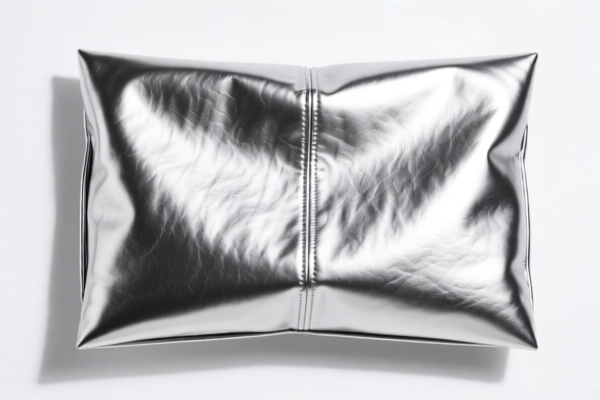
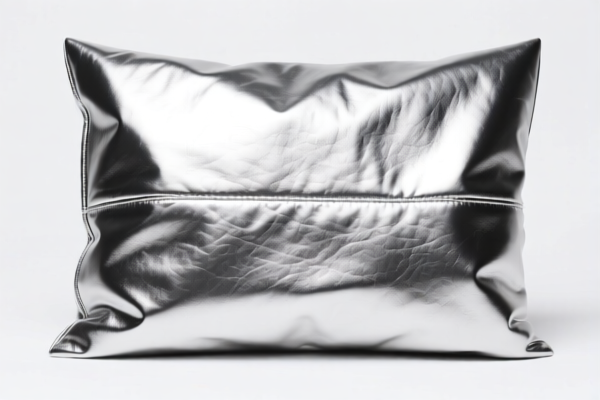
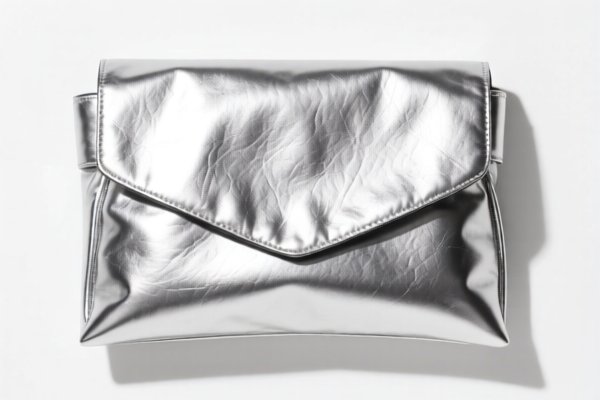
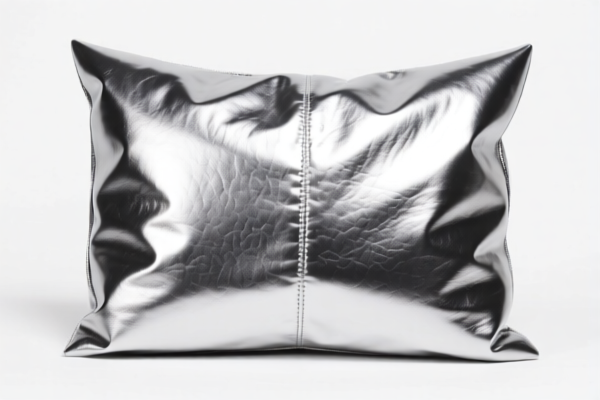
AI Analysis
🧵 Metalized Leather for Clothing (Apparel Use)
🌐 HS Code Reference & Customs Clearance Guide | 2026 Latest Tariff Analysis | Professional Clearance Strategy
📌 I. Product Definition & Classification: Do You Truly Understand "Metalized Leather"?
Metalized leather refers to natural or synthetic leather that has been coated or laminated with a thin layer of metal (often aluminum) or metallic pigment to achieve a reflective, mirror-like, or iridescent finish. In the context of clothing and fashion accessories, this material is distinct from standard leather due to its specific surface characteristics and manufacturing process.
In international trade, the classification hinges on whether it is classified primarily as "Leather Goods" (Chapter 42) or as "Leather Material/Tanning Products" (Chapter 41).
Key Distinction Points:
- If the item is a finished handbag, wallet, or accessory made of metalized leather → Classified under Chapter 42 (Articles of Leather)
- If the item is the raw material or semi-finished leather sheet itself, used for making clothing or other goods → Classified under Chapter 41 (Raw Hides and Skins; Leather)
⚠️ Critical Note:
- The prompt specifies "for Clothing" but lists HS codes for handbags/accessories (4202) and leather materials (4114).
- For actual clothing items (jackets, pants), the HS code would typically be in Chapter 42 (if leather) or Chapter 62/61 (if fabric-lined). However, based strictly on the provided<DATA>, we are analyzing metalized leather handbags/accessories and treated leather materials.
- If you are importing "Metalized Leather Sheets" for cutting into clothing, you should use 4114 codes.
- If you are importing "Metalized Leather Handbags", you should use 4202 codes.
- The following analysis covers all four codes from your data.
📦 II. HS Code Classification Details (2026 Latest Tariff Authority Comparison)
| HS Code | Product Description | Application Scenario | Material Classification |
|---|---|---|---|
| 4202.21.90.00 | Handbags with outer surface of metalized leather, not meeting specific sub-item requirements | General metalized leather handbags, non-synthetic, not fitting other 4202.21 sub-categories | ✅ Leather Surface (Non-specific) |
| 4202.21.60.00 | Handbags with outer surface of metalized leather, meeting "leather or synthetic leather" material requirements | Standard metalized leather handbags, clearly defined as leather/synthetic | ✅ Leather/Synthetic Surface |
| 4114.20.70.00 | Metalized Leather, core material attribute consistent with metalized leather | Raw/Semi-finished metalized leather sheets for manufacturing clothing, belts, etc. | ✅ Leather Material (Ch 41) |
| 4114.20.40.00 | Metalized Leather, material fully conforms to classification requirements, belongs to leather goods category | High-grade metalized leather sheets, specifically certified as leather | ✅ Leather Material (Ch 41) |
🔍 Key Reminder:
- 4202 Codes: Apply to finished goods (e.g., handbags, purses).
- 4114 Codes: Apply to materials (e.g., leather sheets, hides) used in further manufacturing.
- If you are importing metalized leather jackets, they do not fall under these HS codes directly; they would likely fall under 4203.10 (Leather clothing) or 6201/6204 (if fabric-backed). However, based on your data, we focus on the provided codes.
💰 III. 2026 Latest Tariff Rate Breakdown (Including Surcharge, Policy Add-ons)
✅ Applicable Country: United States (US)
✅ Country of Origin: China (CN)
✅ Effective Date: November 10, 2025 (and subsequent imports)
🎯 1. 4202.21.90.00 —— Handbags, Metalized Leather (Non-Specific Sub-item)
| Item | Content |
|---|---|
| Base Tariff | 9.0% |
| USITC Surcharge (Section 301) | +25.0% |
| IEEPA Surcharge (Section 122/China) | +10.0% |
| Total Tariff Rate | 44.0% |
| Tax Calculation | CIF Value × 44% |
| De Minimis Eligibility | ❌ Not Eligible |
| Legal Basis Path | IEEPA:9903.01.25 → IEEPA:9903.01.24 → USITC:4202.21.90.00 → FOOTNOTE:301.01 |
📌 Explanation:
- Base 9%: Standard MFN tariff for handbags with leather surface.
- +25% Section 301: Additional duty on Chinese imports for certain goods.
- +10% IEEPA: Additional duty under International Emergency Economic Powers Act for specific Chinese products.
- Total 44%: High tariff burden. Must be factored into cost pricing.
🎯 2. 4202.21.60.00 —— Handbags, Metalized Leather (Specific Sub-item)
| Item | Content |
|---|---|
| Base Tariff | 10.0% |
| USITC Surcharge (Section 301) | +25.0% |
| IEEPA Surcharge (Section 122/China) | +10.0% |
| Total Tariff Rate | 45.0% |
| Tax Calculation | CIF Value × 45% |
| De Minimis Eligibility | ❌ Not Eligible |
| Legal Basis Path | IEEPA:9903.01.25 → IEEPA:9903.01.24 → USITC:4202.21.60.00 → FOOTNOTE:301.01 |
📌 Note:
- Slightly higher base rate (10%) than 4202.21.90.00 (9%).
- Applies when the metalized leather clearly meets specific sub-category definitions for "leather or synthetic leather."
- Total 45% is the highest among handbag categories for this product.
🎯 3. 4114.20.70.00 —— Metalized Leather Material (General)
| Item | Content |
|---|---|
| Base Tariff | 1.6% |
| USITC Surcharge (Section 301) | +25.0% |
| IEEPA Surcharge (Section 122/China) | +10.0% |
| Total Tariff Rate | 36.6% |
| Tax Calculation | CIF Value × 36.6% |
| De Minimis Eligibility | ❌ Not Eligible |
| Legal Basis Path | IEEPA:9903.01.25 → IEEPA:9903.01.24 → USITC:4114.20.70.00 → FOOTNOTE:301.01 |
📌 Explanation:
- Lower base rate (1.6%) because it is classified as raw material (Chapter 41) rather than finished goods.
- Still subject to 25% + 10% surcharges.
- Total 36.6% is more favorable than handbag categories (4202).
- Best for: Importers buying metalized leather sheets to manufacture clothing or other goods domestically.
🎯 4. 4114.20.40.00 —— Metalized Leather Material (Specific/Certified)
| Item | Content |
|---|---|
| Base Tariff | 3.6% |
| USITC Surcharge (Section 301) | +25.0% |
| IEEPA Surcharge (Section 122/China) | +10.0% |
| Total Tariff Rate | 38.6% |
| Tax Calculation | CIF Value × 38.6% |
| De Minimis Eligibility | ❌ Not Eligible |
| Legal Basis Path | IEEPA:9903.01.25 → IEEPA:9903.01.24 → USITC:4114.20.40.00 → FOOTNOTE:301.01 |
📌 Note:
- Base rate is 3.6%, slightly higher than 4114.20.70.00.
- Applies when the metalized leather is fully certified as leather goods category material.
- Total 38.6% is competitive compared to finished goods.
🛠️ IV. Customs Clearance Practical Advice (Battle-Tested Pitfall Guide)
✅ 1. Document Checklist (Missing Items = Delays)
| Document | Required? | Explanation |
|---|---|---|
| ✅ Product Specification Sheet | ✔️ | Must detail: Material composition (natural vs. synthetic), metalization process, finish type. |
| ✅ Material Certificate | ✔️ | For 4114 codes: Proof that material is indeed "leather" or "treated leather." |
| ✅ Product Photos | ✔️ | Clear images showing metalized surface, tags, and packaging. |
| ✅ Commercial Invoice | ✔️ | Must clearly state: "Metalized Leather Handbags" or "Metalized Leather Material." |
| ✅ Packing List | ✔️ | Show quantity, weight, dimensions. |
| ✅ Certificate of Origin (CO) | ✔️ | If claiming preferential treatment (though unlikely for China-US in this category). |
✅ 2. Declaration Tips (Critical Mnemonics)
🔥 "Finished Goods Go to Ch42, Materials Go to Ch41. Name Precisely, Avoid Penalties!"
| Scenario | Correct Declaration | Incorrect Practice |
|---|---|---|
| Metalized Leather Handbags | 4202.21.60.00 or 4202.21.90.00 |
Declare as "Leather Sheets" → Under-declaration penalty |
| Metalized Leather Sheets (for clothing) | 4114.20.40.00 or 4114.20.70.00 |
Declare as "Handbags" → Over-declaration penalty |
| Leather Clothing (Jackets) | NOT listed in data (Use 4203.10) |
Force into 4202 → Customs rejection |
| Synthetic Metalized Material | 3926 (Plastics) or 5903 |
Declare as 4114 → Wrong classification |
✅ 3. Special Cases Handling
| Scenario | Recommendation |
|---|---|
| OEM Metalized Leather for Clothing | Provide supplier contract + material composition report. If it's a sheet, use 4114. |
| Mixed Material (Leather + Fabric) | If leather is outer surface, use 4202. If fabric is dominant, use Chapter 62. |
| Metalized Synthetic Leather | Use 4202.21.90.00 if finished good. If material, check 4114 or 3926 depending on polymer base. |
| Small Samples (De Minimis) | ❌ Not Eligible. Section 301 and IEEPA surcharges apply regardless of value. |
🌍 V. Global Market Comparison (2026 Latest)
| Country/Region | Recommended HS Code | Tariff (China Origin) | Certification Requirements | Notes |
|---|---|---|---|---|
| 🇺🇸 USA | 4202.21.60.00 |
45% (Handbags) 38.6% (Material) |
N/A (Customs only) | High tariffs due to Section 301 + IEEPA. |
| 🇨🇳 China | 4114.20.40.00 |
~5-10% | CCC (if applicable) | No additional surcharges. |
| 🇪🇺 EU | 4202.21.00 |
~4-12% | REACH, Reach Compliant | No Section 301 surcharges. |
| 🇬🇧 UK | 4202.21.00 |
~4-12% | UKCA, REACH | Post-Brexit rules apply. |
| 🇯🇵 Japan | 4202.21.00 |
~6-10% | JIS, No surcharges | Lower base rates. |
📌 Conclusion:
- USA is the most expensive market for metalized leather products due to 25% + 10% surcharges.
- Importing Materials (4114) is cheaper than importing Finished Goods (4202) due to lower base rates.
- Consider shifting manufacturing to Vietnam/Mexico if possible to avoid China-origin surcharges.
📌 VI. Common Mistakes & Pitfall Guide (Lessons Learned)
❌ Mistake 1: Declaring finished handbags as leather material (4114)
👉 Consequence: Customs reclassifies → Back-tariffs + penalties + delay.
❌ Mistake 2: Declaring leather material as handbags (4202)
👉 Consequence: Over-declaration → Unnecessary tax payment + audit flag.
❌ Mistake 3: Ignoring IEEPA 10% surcharge in cost calculation
👉 Consequence: Profit margin erosion → Unexpected losses.
❌ Mistake 4: Using vague descriptions like "Leather Goods"
👉 Consequence: Customs demands detailed breakdown → Clearance delay.
✅ Correct Approach:
"Metalized Leather Handbag, Outer Surface Leather, Model ABC, Made in China"
or
"Metalized Leather Sheet, Treated Leather, for Garment Manufacturing, Made in China"
🎯 VII. Conclusion: Precision Classification Saves Money!
🎯 Key Takeaway:
🔹 Finished Goods (Handbags) = 4202 = 44-45% Total Tariff
🔹 Materials (Sheets) = 4114 = 36.6-38.6% Total Tariff
🔹 Always declare material type precisely!
🔹 Plan for 25% + 10% surcharges on China-origin goods!
📌 Pro Tip:
If your product is not made in China (e.g., Italy, Brazil), you may avoid the 25% + 10% surcharges.
Always request a Certificate of Origin and apply for Advance Ruling if uncertain.
📣 Immediate Action:
📞 Contact a licensed customs broker + Provide product photos + Apply for HS Code Advance Ruling
🚀 Ensure smooth clearance, avoid penalties, and optimize costs!
✨ Professional Customs Clearance Starts with Accurate Classification!
💼 Every Percent of Tariff Counts – Get It Right the First Time!
Customer Reviews
About HS Code Classification
The Harmonized System (HS) is an internationally standardized nomenclature developed by the World Customs Organization (WCO) to classify traded products. Over 200 countries use the HS system as the basis for customs tariffs, trade statistics, and import/export regulations.
Each HS code follows a hierarchical structure:
- Chapter (2 digits) — Broad category of goods (e.g., Chapter 84: Machinery and Mechanical Appliances)
- Heading (4 digits) — More specific grouping within the chapter
- Subheading (6 digits) — Internationally standardized breakdown, used by all WCO member countries
- National subdivisions (8-10 digits) — Country-specific extensions for further classification, such as US HTSUS 10-digit codes
Correct HS code classification is essential for smooth customs clearance, accurate duty payment, and compliance with trade regulations. Misclassification can lead to customs delays, overpayment of duties, or penalties.
When importing from CN to US, the applicable tariff rates may include:
- Most-Favored-Nation (MFN) rate — The standard duty rate applied to WTO members
- General rate — Applied to countries without trade agreements
- Trade remedy duties — Additional tariffs such as Section 301 (anti-dumping), Section 232 (national security), or countervailing duties
The information provided on this page is for reference purposes only. For official classification, please consult with your local customs authority or a licensed customs broker.