Metallized Polyester Film for Gift Packaging
CN → US| HS Code | Tariff Rate | Origin | Destination | Doc |
|---|---|---|---|---|
| 3921904090 | 39.2% | CN | US | Official Doc |
| 3921905010 | 39.8% | CN | US | Official Doc |
| 3920620020 | 39.2% | CN | US | Official Doc |
| 3920620050 | 39.2% | CN | US | Official Doc |
| 3920620020 | 39.2% | CN | US | Official Doc |
Product Images
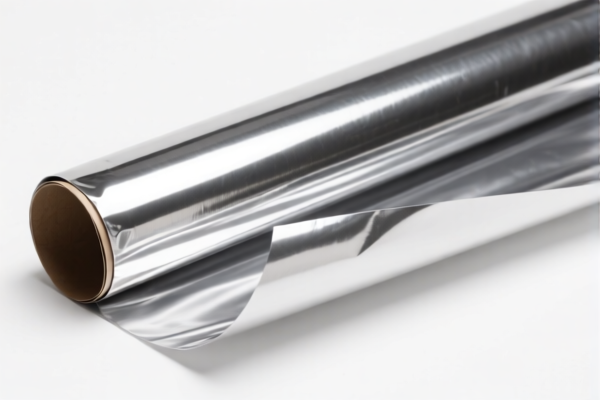
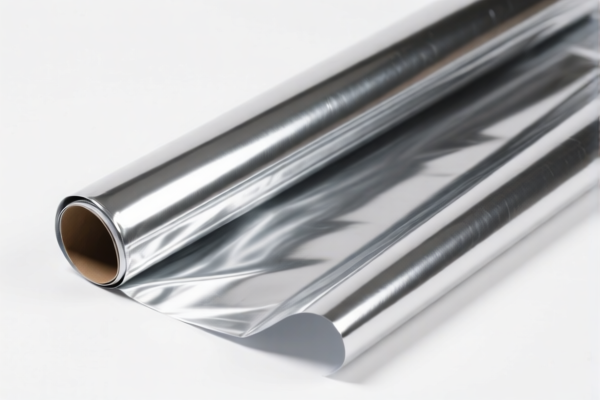
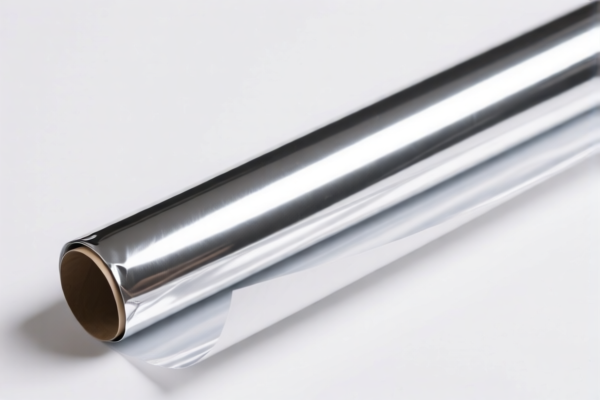
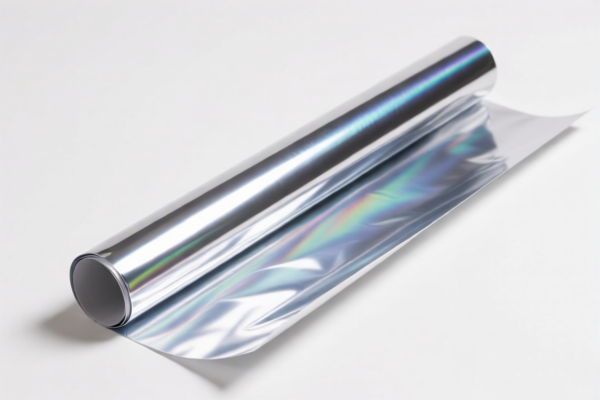
AI Analysis
🎁 Metallized Polyester Film for Gift Packaging
🌐 HS Code Reference & Customs Clearance Guide | 2026 Latest Tariff Analysis | Professional Entry Strategy
📌 I. Product Definition & Classification: What Exactly Is "Metallized PET Film"?
Metallized Polyester Film (commonly known as Metallized PET) is a high-performance plastic film widely used in luxury gift wrapping, decorative packaging, and consumer goods. It consists of a base layer of Polyethylene Terephthalate (PET) coated with a thin layer of metal (usually aluminum) via vacuum metallization.
In international trade, the classification hinges on two factors: 1. Material Composition: It is primarily Plastic (PET), not paper-reinforced. 2. Surface Treatment: The Metallization is considered a surface treatment, not a change in the fundamental nature of the plastic film.
⚠️ Key Distinction Point:
- If the film is non-reinforced flexible plastic film (regardless of metal coating) → It falls under Chapter 39 (Plastics).
- The metallization process does not convert it into a metal product or a composite paper product; it remains a PET film.
- Specific subheadings distinguish between "other plastics" (3921) and specific polyester films (3920), often resulting in slightly different base tariffs but similar total duties due to sanctions.
📦 II. HS Code Classification Details (2026 Latest Tariff Authority)
Based on the product description "Metallized Polyester Film for Gift Packaging," the following HS Codes and tax rates apply. Note that while the summary codes may vary slightly by specific regulatory interpretation (e.g., whether classified under "Other Plastics" or "Other Polyester Films"), the total tax burden is nearly identical due to US trade restrictions.
| HS Code | Product Description Summary | Application Context | Tax Detail Breakdown |
|---|---|---|---|
3921.90.40.90 |
Metallized PET film, plastic material, flexible film form. Classified as non-paper-reinforced flexible plastic film. | General gift packaging, non-paper-based flexible films. | Total: 39.2% - Base: 4.2% - Section 301: 25.0% - Section 122: 10.0% |
3921.90.50.10 |
Metallized PET film, polyester material, flexible form, for decorative/packaging purposes. | Decorative packaging, specialized gift wraps. | Total: 39.8% - Base: 4.8% - Section 301: 25.0% - Section 122: 10.0% |
3920.62.00.20 |
Metallized PET film, polyester material, flexible film. Metallization treated as surface treatment. | Standard metallized PET rolls, industrial packaging. | Total: 39.2% - Base: 4.2% - Section 301: 25.0% - Section 122: 10.0% |
3920.62.00.50 |
Metallized PET packaging film, PET material, metallized characteristic. Meets classification requirements. | General metallized PET packaging applications. | Total: 39.2% - Base: 4.2% - Section 301: 25.0% - Section 122: 10.0% |
3920.62.00.20 |
Metallized PET packaging film, film form, PET material. Metallization does not change its attribute as PET film. | Reiteration of 3920.62.00.20 for clarity on material attribute. |
Total: 39.2% - Base: 4.2% - Section 301: 25.0% - Section 122: 10.0% |
🔍 Critical Insight:
- All listed HS Codes fall under Chapter 39 (Plastics and Articles Thereof).
- The difference between3921(Other Plastics) and3920(Other Plates/Sheets/Film) depends on the specific manufacturing process and physical properties, but for Metallized PET, both are subject to the same aggressive US tariff structure.
- Do not attempt to classify as "Paper" or "Metal Foil"; customs will reclassify and impose penalties.
💰 III. 2026 Latest Tariff Rate Breakdown (Including Surcharges & Policy Add-ons)
✅ Applicable Country: United States (US)
✅ Origin: China (CN)
✅ Effective Date: Ongoing (Current sanctions remain in effect)
🎯 1. The "39.2% - 39.8%" Tariff Structure Explained
Regardless of the specific HS Code variant (3921 or 3920), the total tariff for Chinese-origin metallized PET film is composed of three distinct layers:
| Component | Rate | Legal Basis & Explanation |
|---|---|---|
| 1. Base Tariff | 4.2% - 4.8% | Standard MFN (Most Favored Nation) duty for plastics/films. Applies to all WTO members. |
| 2. Section 301 Tariff | +25.0% | Section 301 Tariffs on Chinese imports. Covers a wide range of plastic products and films. This is the largest component. |
| 3. Section 122 Tariff | +10.0% | Section 122 Tariffs (Trade Promotion Authority/Other specific provisions). Often applied to specific categories of goods to protect domestic industries or address trade deficits. |
| TOTAL DUTY | 39.2% - 39.8% | Combined Ad Valorem Rate |
📌 Calculation Example:
If the CIF (Cost, Insurance, Freight) value of the shipment is $10,000:
- Duty Payable = $10,000 × 39.2% = $3,920 (for HS Code3921.90.40.90)
- Duty Payable = $10,000 × 39.8% = $3,980 (for HS Code3921.90.50.10)⚠️ Important Note:
- These rates are cumulative. They are not options; you pay all three layers.
- No De Minimis Exemption: These goods do NOT qualify for the $800 de minimis threshold. All duties must be paid upon entry.
🛠️ IV. Customs Clearance Practical Advice (Avoiding Pitfalls)
✅ 1. Required Documentation Checklist (Mandatory)
| Document | Mandatory? | Description |
|---|---|---|
| Commercial Invoice | ✅ Yes | Must clearly state "Metallized Polyester Film," HS Code, and Country of Origin (China). |
| Packing List | ✅ Yes | Detail dimensions, weight, and quantity. Ensure consistency with invoice. |
| Product Specification Sheet | ✅ Yes | Include: Base material (PET), thickness, metallization layer info, width, length. |
| Bill of Lading / Air Waybill | ✅ Yes | Standard shipping documents. |
| Certificate of Origin | ✅ Recommended | Although origin is China (high tariff), it proves origin to prevent misdeclaration penalties. |
| Manufacturer's Declaration | ✅ Optional but Helpful | Confirming the product is plastic-based and not paper-reinforced. |
✅ 2. Declaration Tips (Key Mantras)
🔥 "Plastic Base, Metal Surface, Chinese Origin, 39% Duty!"
| Scenario | Correct Declaration | Wrong Practice |
|---|---|---|
| Standard Gift Wrap Roll | HS Code 3921.90.40.90 or 3920.62.00.20 |
Declaring as "Gift Wrap" (generic) → High risk of audit. |
| Bulk Industrial Rolls | HS Code 3920.62.00.50 |
Declaring as "Aluminum Foil" → Wrong chapter, heavy penalties. |
| Cut/Sheared Pieces | Same HS Code | Declaring as "Scrap" or "Waste" → Illegal misdeclaration. |
| Paper-PET Laminates | Different HS Code (e.g., 4811) | Do NOT use PET codes if paper is the primary component. |
✅ 3. Special Considerations
| Situation | Handling Advice |
|---|---|
| Multiple HS Codes | If you import both 3921 and 3920 items, declare them separately. Do not mix in one line item unless they are identical products. |
| Small Samples | Even for samples, if the value exceeds $800 (or if not de minimis eligible), duties apply. Check if the specific shipment qualifies for exemption. |
| Re-export from 3rd Country | If transshipped through Vietnam or Mexico, DO NOT claim that origin unless significantly transformed. US CBP tracks Chinese origin plastics rigorously. |
🌍 V. Global Market Comparison (2026)
| Country/Region | Recommended HS Code | Estimated Total Duty | Key Requirements | Remarks |
|---|---|---|---|---|
| 🇺🇸 USA | 3921.90.40.90 / 3920.62.00.20 |
39.2% - 39.8% | FDA (if food contact), EPR (packaging waste) | High cost due to Section 301 & 122. |
| 🇨🇳 China | 3921.90.40.90 |
~4.2% - 6% | N/A | Low import tariff if imported back into China. |
| 🇪🇺 EU | 3920.62.00.90 |
~6.5% | REACH, EPR | No Section 301 equivalent, but Green Deal taxes may apply. |
| 🇯🇵 Japan | 3920.62.00.90 |
~6% | PSE (if electrical components involved, rare for film) | Stable market, low barriers. |
📌 Conclusion:
- The US market is exceptionally expensive for Chinese metallized PET films due to the layered tariffs.
- EU and Japan offer significantly lower duties but may have stricter environmental compliance (EPR) requirements for packaging.
📌 VI. Common Mistakes & Pitfall Guide (Lessons Learned)
❌ Mistake 1: Declaring as "Gift Wrap" without specifying material.
👉 Consequence: CBP requests detailed material analysis. Delays + potential reclassification penalties.
❌ Mistake 2: Using HS Code 4811 (Paper) because it's for "Gifts."
👉 Consequence: Incorrect classification. If it's PET, it must be 392x. If found guilty of fraud, fines apply.
❌ Mistake 3: Assuming "Metallized" makes it a metal product (Chapter 79).
👉 Consequence: Wrong chapter. The base determines the chapter. PET = Plastic.
❌ Mistake 4: Ignoring Section 122 tariffs.
👉 Consequence: Underpaying duties. Section 122 is often overlooked by junior customs brokers but is actively enforced.
✅ Correct Practice:
"Metallized Polyester Film (PET), 12 microns, Silver, Roll Form, 100m length, Made in China, HS Code 3921.90.40.90"
🎯 VII. Conclusion: Professional Declaration for Cost Efficiency
🎯 Key Takeaway:
🔹 "Plastic is Plastic, Metal is Coating, China is Origin, 39% is the Cost."
🔹 "Don't Split Shipments to Avoid Detection – CBP Algorithms Are Smart."
🔹 "Double-Check Base Tariff vs. Sanction Rates – Every Percent Counts."
📌 Pro Tip:
- If you are importing large volumes, consider Advance Rulings from US CBP to get a definitive classification and duty estimate before shipment.
- For US market, cost-benefit analysis is crucial. A 39.2% duty may erode margins significantly. Explore alternative origins (e.g., Vietnam, India) if eligible, but ensure substantial transformation occurs.
📣 Immediate Action:
📞 Consult a Licensed Customs Broker to confirm the exact HS Code based on your specific product specs (thickness, width, metallization type).
🚀 Calculate Landed Cost including the 39.2% - 39.8% duty to ensure profitability.
✨ Professional clearance starts with accurate classification!
💼 Your cost structure depends on your HS Code choice!
Customer Reviews
About HS Code Classification
The Harmonized System (HS) is an internationally standardized nomenclature developed by the World Customs Organization (WCO) to classify traded products. Over 200 countries use the HS system as the basis for customs tariffs, trade statistics, and import/export regulations.
Each HS code follows a hierarchical structure:
- Chapter (2 digits) — Broad category of goods (e.g., Chapter 84: Machinery and Mechanical Appliances)
- Heading (4 digits) — More specific grouping within the chapter
- Subheading (6 digits) — Internationally standardized breakdown, used by all WCO member countries
- National subdivisions (8-10 digits) — Country-specific extensions for further classification, such as US HTSUS 10-digit codes
Correct HS code classification is essential for smooth customs clearance, accurate duty payment, and compliance with trade regulations. Misclassification can lead to customs delays, overpayment of duties, or penalties.
When importing from CN to US, the applicable tariff rates may include:
- Most-Favored-Nation (MFN) rate — The standard duty rate applied to WTO members
- General rate — Applied to countries without trade agreements
- Trade remedy duties — Additional tariffs such as Section 301 (anti-dumping), Section 232 (national security), or countervailing duties
The information provided on this page is for reference purposes only. For official classification, please consult with your local customs authority or a licensed customs broker.