Methane Derivative Halogenated Mixture
CN → US| HS Code | Tariff Rate | Origin | Destination | Doc |
|---|---|---|---|---|
| 3824995500 | 38.7% | CN | US | Official Doc |
| 2942003500 | 41.5% | CN | US | Official Doc |
| 2903196050 | 40.5% | CN | US | Official Doc |
| 2903490000 | 13.7% | CN | US | Official Doc |
| 3824995000 | 41.5% | CN | US | Official Doc |
Product Images
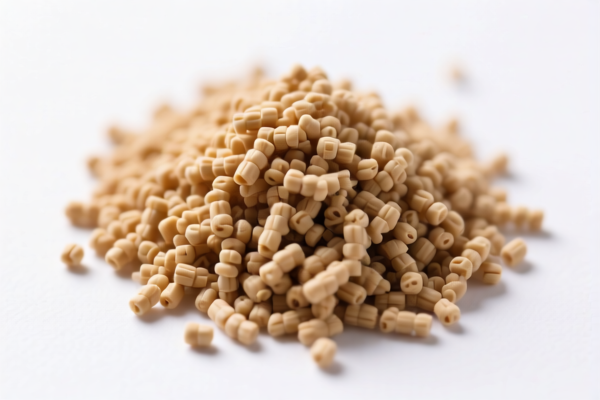
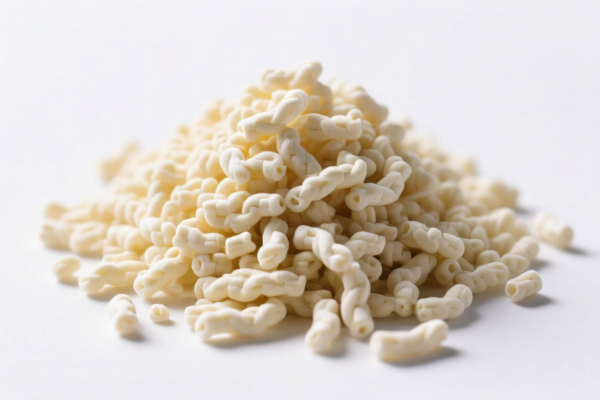
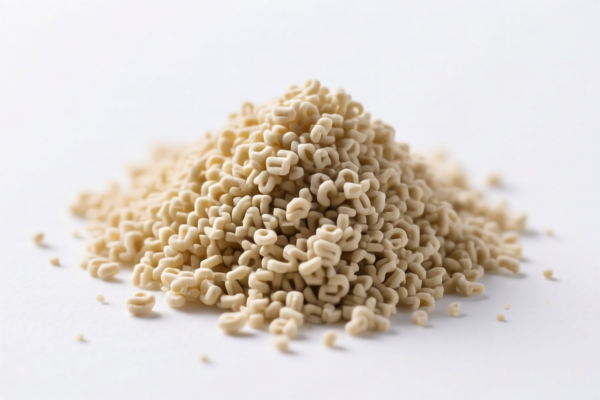
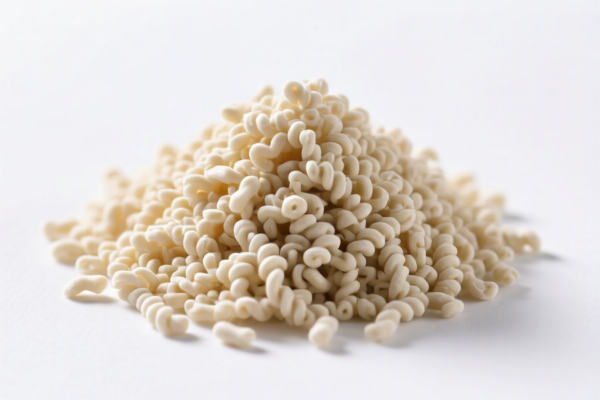
AI Analysis
🧪 Halogenated Methane Derivative Mixture
🌐 HS Code Reference & Customs Clearance Guide | 2026 Latest Tariff Analysis | Professional Entry Strategy
📌 I. Product Definition & Classification: Do You Really Understand "Halogenated Methane Mixture"?
Halogenated methane mixtures (including chloromethanes, fluoromethanes, etc.) are organic chemical compounds where one or more hydrogen atoms in methane are replaced by halogen atoms (F, Cl, Br, I). In international trade, these substances are primarily used as: 1. Refrigerants & Propellants: In HVAC systems and aerosols. 2. Chemical Intermediates: For synthesizing other organic compounds. 3. Solvents & Cleaning Agents: Industrial degreasing and precision cleaning.
⚠️ Key Classification Distinction:
- Pure Halogenated Hydrocarbons: Single-component specific halogenated compounds → Generally fall under Chapter 29 (Organic Chemicals).
- Mixtures/Preparations: Mixture of halogenated methanes, or mixtures with other non-chemical carriers → May fall under Chapter 38 (Miscellaneous Chemical Products) if they do not meet the definition of a specific single chemical entity in Chapter 29.
- "Catch-all" Nature: Since specific HS codes for "Methane Derivative Mixtures" are rare, classification often relies on "Other" subheadings based on material attributes (organic vs. industrial preparation).
📦 II. HS Code Classification Details (2026 Latest Tariff Authoritative Comparison)
Based on the provided data, here are the 6 recommended HS codes, sorted by Total Tax Rate (Low to High) to help optimize cost.
| HS Code | Product Description & Rationale | Total Tax Rate | Key Tax Breakdown |
|---|---|---|---|
| 2903.49.00.00 | Halogenated Hydrocarbons (Other) (Best Rate) Summary: Halogenated methane belongs to halogenated hydrocarbons. The mixture fits the "other" category for non-specific single-component characteristics with no material conflict. |
13.7% | Base: 3.7% Add-on: 0.0% Section 122: 10% |
| 3824.99.55.00 | Miscellaneous Chemical Products (Other) (Recommended for Complex Mixtures) Summary: Halogenated methane mixture belongs to halogenated hydrocarbons, material matches, classified under the "other" catch-all item of miscellaneous chemicals. |
38.7% | Base: 3.7% Add-on: 25.0% Section 122: 10% |
| 2942.00.50.00 | Organic Chemicals (Other) (Organic Compound Route) Summary: Halogenated methane is an organic compound, fits the "other organic compounds" material attribute, classified as a catch-all under other categories. |
38.7% | Base: 3.7% Add-on: 25.0% Section 122: 10% |
| 2903.19.60.50 | Halogenated Derivatives of Hydrocarbons (Other) (Halogenated Derivative Route) Summary: Halogenated methane matches halogenated derivatives in material consistency, belongs to other catch-all items, no material or form conflict. |
40.5% | Base: 5.5% Add-on: 25.0% Section 122: 10% |
| 2942.00.35.00 | Organic Chemicals (Specific Organic Catch-all) (Higher Base Tax) Summary: Halogenated methane belongs to organic compounds, fits the "other organic compounds" material attribute, classified as a catch-all. |
41.5% | Base: 6.5% Add-on: 25.0% Section 122: 10% |
| 3824.99.50.00 | Miscellaneous Chemical Products (Standard Other) (High Base Tax) Summary: Halogenated methane mixture has high chemical component attribute match with halogenated hydrocarbon mixtures, material attributes are consistent. |
41.5% | Base: 6.5% Add-on: 25.0% Section 122: 10% |
🔍 Critical Observation:
- 2903.49.00.00 offers the lowest total tax (13.7%) because it avoids the 25% Add-on Tariff. However, it requires proving the product fits the specific definition of "Halogenated Hydrocarbons" under Chapter 29 without triggering additional restrictions.
- All other codes (3824 and 2942 series) incur the 25% Add-on Tariff, likely due to Section 301 or similar trade restrictions on specific chemical categories from certain origins.
- Section 122 Tariff (10%) applies to ALL listed codes, indicating this is a standard additional levy on these specific chemical imports (possibly related to environmental or security provisions).
💰 III. 2026 Latest Tariff Rate Detailed Explanation (Including Surcharges & Policy Levies)
✅ Applicable Country: United States (US)
✅ Origin: China (CN) (Assumed based on typical "122 Clause" and 25% add-on patterns)
✅ Effective Time: 2026 (Current Period)
🎯 1. 2903.49.00.00 — Halogenated Hydrocarbons (Other) [BEST OPTION]
| Item | Content |
|---|---|
| Base Tariff | 3.7% (ad valorem) |
| USITC Add-on Tariff | 0.0% (Note: This HS code does NOT incur the 25% Section 301 tariff based on provided data) |
| Section 122 Tariff | +10% (Specific levy on this chemical category) |
| Total Tariff | 13.7% |
| Tax Calculation | CIF Value × 13.7% |
| De Minimis Exemption | ❌ Not Applicable (Chemicals usually excluded or low threshold) |
| Legal Basis Path | HTSUS:2903.49.00.00 → Section 122: 10% |
📌 Explanation:
- This code falls under Chapter 29 (Organic Chemicals), specifically Halogenated Hydrocarbons.
- The absence of the 25% Add-on Tariff makes it significantly cheaper than other options.
- Caution: Ensure the product is not considered a "Restricted Halogenated Compound" under environmental laws (e.g., EPA regulations) which might affect clearance even if tax is low.
🎯 2. 3824.99.55.00 / 2942.00.50.00 — Mixed/Other Chemical Products
| Item | Content |
|---|---|
| Base Tariff | 3.7% - 5.5% (varies by code) |
| USITC Add-on Tariff | +25% (Section 301 / Trade War Tariff) |
| Section 122 Tariff | +10% |
| Total Tariff | 38.7% - 41.5% |
| Tax Calculation | CIF Value × 38.7%~41.5% |
| De Minimis Exemption | ❌ Not Applicable |
| Legal Basis Path | HTSUS:3824.99.55.00 → USITC:25% → Section 122: 10% |
📌 Explanation:
- These codes are classified as "Other" miscellaneous or organic chemicals.
- The 25% Add-on Tariff is a major cost driver. This usually applies to chemical products from China under ongoing trade restrictions.
- Use this only if the product cannot be classified under2903.49.00.00due to specific chemical composition rules (e.g., contains non-halogenated additives that disqualify it from Chapter 29 specific headings).
🛠️ IV. Customs Clearance Practical Advice (Battle-Tested Pitfall Avoidance)
✅ 1. Required Documentation Checklist (All Mandatory)
| Document | Must Provide | Description |
|---|---|---|
| ✅ Certificate of Analysis (COA) | ✔️ | Details exact chemical composition, % of each halogenated methane, and impurities. Crucial for distinguishing Chapter 29 vs. 38. |
| ✅ Material Safety Data Sheet (MSDS/SDS) | ✔️ | GHS compliant, highlighting flammability, toxicity, and environmental hazards. |
| ✅ Product Specification Sheet | ✔️ | Physical state (liquid/gas), boiling point, density, and intended use (e.g., refrigerant vs. solvent). |
| ✅ Commercial Invoice | ✔️ | Clear description: "Halogenated Methane Mixture, CAS No. [List CAS Numbers]". Avoid vague terms like "Chemical Solvent". |
| ✅ Packing List | ✔️ | Net/Gross weight, container type (critical for hazardous material shipping). |
| ✅ EPA Registration (if applicable) | ✔️ | If used as a pesticide or industrial cleaner, EPA registration may be required. |
| ✅ Freight Forwarder Confirmation | ✔️ | Confirm UN Number and HazMat class for shipping safety. |
✅ 2. Declaration Tips (Key Mantra)
🔥 "Composition Defines Chapter, Purity Determines Code, Mislabeling Leads to Seizure!"
| Scenario | Correct Declaration | Wrong Practice |
|---|---|---|
| Pure Mixture of Halomethanes | 2903.49.00.00 |
Declare as "Mixed Chemicals" → 38.7%+ |
| Halomethanes with Inert Carriers | 3824.99.55.00 or 2942.00.50.00 |
Declare as "Pure Chemicals" → Risk of penalty |
| Refrigerant Gas Cylinders | Specify "Refrigerant Mixture" | Declare as "General Gas" → High scrutiny |
| Solvent for Cleaning | Specify "Industrial Solvent" | Declare as "Food Grade Chemical" → Fraud/Rejection |
✅ 3. Special Case Handling
| Situation | Handling Advice |
|---|---|
| OEM Custom Mixture | Provide precise CAS numbers and ratios. If ratio changes, re-classification may be needed. |
| High Hazard Classification | Ensure UN packaging and proper labeling (Flammable, Toxic). Delays occur if HazMat docs are missing. |
| EPA Regulatory Check | Some halogenated methanes (e.g., CFCs, HCFCs) are restricted. Confirm not on the banned list. |
| Origin Shift | If re-exported from third country, check if "Substantial Transformation" occurred. If not, original origin rules apply. |
🌍 V. Global Market Clearance Comparison (2026 Latest)
| Country/Region | Recommended HS Code | Tariff Estimate | Certification Requirements | Notes |
|---|---|---|---|---|
| 🇺🇸 USA | 2903.49.00.00 |
13.7% | EPA, HazMat | Lowest tax option. Check EPA restrictions. |
| 🇺🇸 USA (Alt) | 3824.99.55.00 |
38.7% | EPA, HazMat | Higher tax due to 25% add-on. |
| 🇪🇺 EU | 2903.39.00 |
~4.5% | REACH, CLP | Lower base tariff, but REACH compliance is strict. |
| 🇨🇳 China | 2903.39.00 |
~3.7% | CCC (if applicable) | No add-on tariffs for domestic import. |
| 🇯🇵 Japan | 2903.39.00 |
~3.8% | PRTR Law | Strict environmental reporting. |
📌 Conclusion:
- The US market offers the best opportunity to save taxes if2903.49.00.00is applicable.
- Chemical Composition Verification is the single most important step. A slight difference in composition can shift the code from 13.7% to 41.5%.
📌 VI. Common Errors & Pitfall Avoidance (Blood & Tears Lessons)
❌ Error 1: Declaring a Mixture as a Pure Compound to avoid the 25% Add-on.
👉 Consequence: Customs audit reveals discrepancy → Seizure + Heavy Fines + Legal Action.
❌ Error 2: Ignoring Section 122 Tariff.
👉 Consequence: Unexpected 10% charge on all chemical imports → Margin Squeeze.
❌ Error 3: Failing to provide CAS Numbers.
👉 Consequence: Customs cannot verify HS Code → Delays for 2-4 Weeks + Storage Fees.
❌ Error 4: Using vague terms like "Chemical Mix" or "Solvent".
👉 Consequence: High risk of misclassification → Audit Trigger.
✅ Correct Practice:
"Halogenated Methane Mixture, Liquid, CAS No. [List CAS], Used as Refrigerant, EPA Registered, Non-Ozone Depleting, Net Weight 100kg"
🎯 VII. Conclusion: Precision Classification, Cost Optimization!
🎯 Remember the Mantra:
🔹 "Chapter 29 is Cheaper (13.7%), Chapter 38 is Costly (38.7%+). Purity Dictates the Path."
🔹 "122 Clause is Universal (10%). Always Budget for It."
🔹 "CAS Numbers are Your Passport. Without Them, You Are Stuck."
📌 Pro Tip:
If your mixture contains more than 50% halogenated methanes and no other functional chemicals, fight for
2903.49.00.00.
If it is a complex blend with non-halogenated additives, accept3824.99.55.00but ensure documentation is flawless to avoid delays.
📣 Immediate Action:
📞 Contact a Certified Customs Broker to review your COA.
🚀 Request a Binding Ruling from US CBP if the classification is ambiguous.
💼 Save Costs by Choosing the Right HS Code!
✨ Professional Clearance, Starting with Precise Classification!
💼 Every Percentage Point of Tax Matters!
Customer Reviews
About HS Code Classification
The Harmonized System (HS) is an internationally standardized nomenclature developed by the World Customs Organization (WCO) to classify traded products. Over 200 countries use the HS system as the basis for customs tariffs, trade statistics, and import/export regulations.
Each HS code follows a hierarchical structure:
- Chapter (2 digits) — Broad category of goods (e.g., Chapter 84: Machinery and Mechanical Appliances)
- Heading (4 digits) — More specific grouping within the chapter
- Subheading (6 digits) — Internationally standardized breakdown, used by all WCO member countries
- National subdivisions (8-10 digits) — Country-specific extensions for further classification, such as US HTSUS 10-digit codes
Correct HS code classification is essential for smooth customs clearance, accurate duty payment, and compliance with trade regulations. Misclassification can lead to customs delays, overpayment of duties, or penalties.
When importing from CN to US, the applicable tariff rates may include:
- Most-Favored-Nation (MFN) rate — The standard duty rate applied to WTO members
- General rate — Applied to countries without trade agreements
- Trade remedy duties — Additional tariffs such as Section 301 (anti-dumping), Section 232 (national security), or countervailing duties
The information provided on this page is for reference purposes only. For official classification, please consult with your local customs authority or a licensed customs broker.