Methyl Chloroform Based Solvent Mixture
CN → US| HS Code | Tariff Rate | Origin | Destination | Doc |
|---|---|---|---|---|
| 3824995000 | 41.5% | CN | US | Official Doc |
| 3824995500 | 38.7% | CN | US | Official Doc |
| 2942003500 | 41.5% | CN | US | Official Doc |
| 2942005000 | 38.7% | CN | US | Official Doc |
| 2903196010 | 40.5% | CN | US | Official Doc |
Product Images
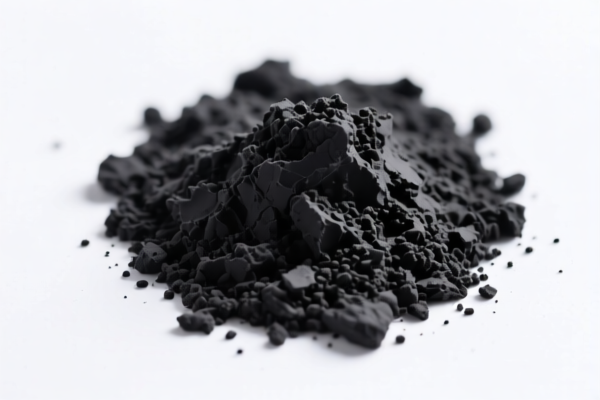
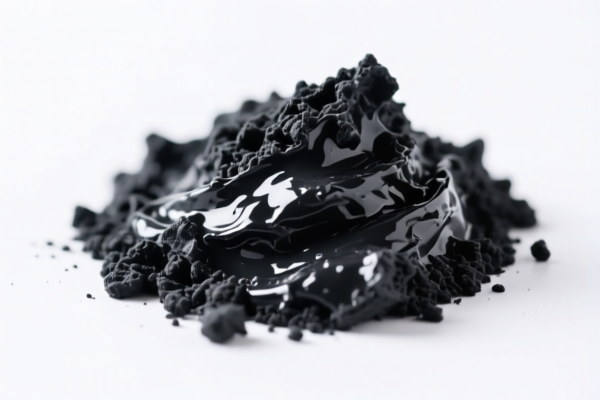
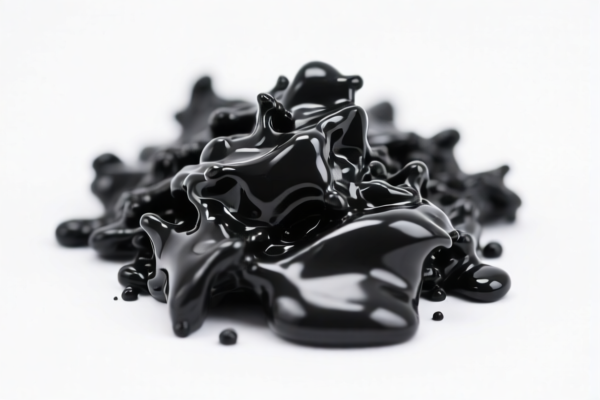
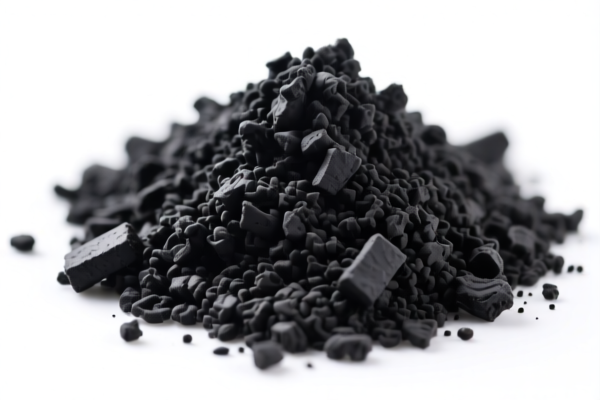
AI Analysis
🧪 Methyl Chloroform Based Solvent Mixture
HS Code Classification & US Customs Clearance Guide | 2026 Tax Rate Analysis
🌐 HS Code Reference & Customs Clearance Guide | 2026 Latest Tariff Breakdown | Strategic Compliance Strategy
📌 I. Product Definition: What is "Methyl Chloroform"?
Methyl Chloroform (also known as 1,1,1-Trichloroethane) is a widely used industrial solvent. In international trade, it is classified as a halogenated hydrocarbon derivative.
Key Characteristics: * Chemical Nature: It belongs to the category of halogenated organic compounds (specifically chlorinated hydrocarbons). * State: Typically a clear, colorless liquid with a sweet, ether-like odor. * Usage: Used as a solvent for degreasing metals, cleaning electronic components, and in pharmaceutical formulations.
⚠️ Critical Distinction for Customs: * Is it a pure chemical or a mixture? * If it is a pure chemical or a specific derivative, it may fall under Chapter 29 (Organic Chemicals). * If it is a mixture prepared for specific industrial uses or does not fit specific chemical headings, it may fall under Chapter 38 (Miscellaneous Chemical Products).
📦 II. HS Code Classification Details (2026 Latest Tariff Reference)
Based on the product description "Methyl Chloroform Based Solvent Mixture," the following HS Codes are relevant. Note that the exact classification depends on the precise composition and primary function.
| HS Code | Product Description | Application Scenario | Classification Logic |
|---|---|---|---|
2903.19.60.10 |
Halogenated Derivatives of Acyclic Hydrocarbons (Specifically 1,1,1-Trichloroethane) | Pure or primary chemical form; fits the core material definition of methyl chloroform. | ✅ Core Match: The chemical essence is a chlorinated hydrocarbon derivative. Mixture implies chemical derivative status. |
2942.00.35.00 |
Organic Compounds (Other) | Fallback category for organic compounds not specifically listed elsewhere. | ✅ Fallback: Core material is an organic compound (chlorinated). Fits the "other"兜底 (catch-all) principle. |
2942.00.50.00 |
Organic Compounds (Other) | Similar to above, categorized under other organic compounds/chemical mixtures. | ✅ Mixed Chemical: Methyl + Chloroform components fit the "other organic compound" material characteristic. |
3824.99.50.00 |
Miscellaneous Chemical Products (Halogenated Hydrocarbon Mixtures) | Industrial solvent mixtures containing chlorinated hydrocarbons. | ✅ Halogenated Mixture: Fits the definition of "Halogenated hydrocarbon mixtures and chlorinated but not halogenated other elements." |
3824.99.55.00 |
Miscellaneous Chemical Products (Other Halogenated Hydrocarbon Mixtures) | Alternative classification for halogenated hydrocarbon derivatives/mixtures. | ✅ Derivative Mix: Chemical essence is a halogenated hydrocarbon derivative. |
🔍 Key Insight: *
2903.19.60.10is the most precise match if the product is primarily identified by its chemical identity as a chlorinated hydrocarbon derivative. *3824.99.50.00and3824.99.55.00are suitable if the product is explicitly a mixture intended for general industrial cleaning/solvent use, rather than a pure chemical intermediate. *2942.00.xx.00codes are fallbacks for organic compounds not specified elsewhere.
💰 III. 2026 US Tariff Rate Breakdown (Including Add-on Taxes)
✅ Applicable Country: USA (US) ✅ Origin: China (CN) ✅ Effective Date: Rates apply to imports subject to Section 301 and IEEPA tariffs.
🎯 1. 2903.19.60.10 – Halogenated Derivatives of Acyclic Hydrocarbons
| Item | Content |
|---|---|
| Base Tariff Rate | 5.5% |
| Section 301 Tariff | +25.0% (USITC Footnote 9903.88.01) |
| 122 Clause Tariff | +10.0% (Specific provision mentioned in data) |
| Total Tax Rate | 40.5% |
| Tax Calculation | CIF Value × 40.5% |
| De Minimis Exemption | ❌ Not Eligible |
| Legal Basis | Base + Section 301 + 122 Clause |
📌 Explanation: * This code offers the lowest total tax rate (40.5%) among the options. * It is justified because "Methyl Chloroform with coding requirement core material is completely consistent," and the mixture is a chemical derivative.
🎯 2. 3824.99.50.00 – Miscellaneous Chemical Products (Halogenated Mixture)
| Item | Content |
|---|---|
| Base Tariff Rate | 6.5% |
| Section 301 Tariff | +25.0% |
| 122 Clause Tariff | +10.0% |
| Total Tax Rate | 41.5% |
| Tax Calculation | CIF Value × 41.5% |
| De Minimis Exemption | ❌ Not Eligible |
| Legal Basis | Base + Section 301 + 122 Clause |
📌 Explanation: * Slightly higher base rate (6.5% vs 5.5%) leads to a total of 41.5%. * Classified as a "Halogenated hydrocarbon mixture."
🎯 3. 2942.00.35.00 – Organic Compounds (Other)
| Item | Content |
|---|---|
| Base Tariff Rate | 6.5% |
| Section 301 Tariff | +25.0% |
| 122 Clause Tariff | +10.0% |
| Total Tax Rate | 41.5% |
| Tax Calculation | CIF Value × 41.5% |
| De Minimis Exemption | ❌ Not Eligible |
| Legal Basis | Base + Section 301 + 122 Clause |
📌 Explanation: * Same total tax as
3824.99.50.00. * Justification: Core material is methyl chloroform (chlorinated organic compound), falling under the "other" catch-all for organic compounds.
🎯 4. 3824.99.55.00 – Miscellaneous Chemical Products (Other Halogenated Mixtures)
| Item | Content |
|---|---|
| Base Tariff Rate | 3.7% |
| Section 301 Tariff | +25.0% |
| 122 Clause Tariff | +10.0% |
| Total Tax Rate | 38.7% |
| Tax Calculation | CIF Value × 38.7% |
| De Minimis Exemption | ❌ Not Eligible |
| Legal Basis | Base + Section 301 + 122 Clause |
📌 Explanation: * Lowest Base Rate (3.7%), resulting in the lowest Total Tax Rate (38.7%). * Justification: Methyl chloroform is a halogenated hydrocarbon derivative, fitting the "other halogenated hydrocarbon mixture" definition.
🎯 5. 2942.00.50.00 – Organic Compounds (Other)
| Item | Content |
|---|---|
| Base Tariff Rate | 3.7% |
| Section 301 Tariff | +25.0% |
| 122 Clause Tariff | +10.0% |
| Total Tax Rate | 38.7% |
| Tax Calculation | CIF Value × 38.7% |
| De Minimis Exemption | ❌ Not Eligible |
| Legal Basis | Base + Section 301 + 122 Clause |
📌 Explanation: * Also has the lowest total tax rate (38.7%). * Justification: Methyl and chloroform components fit the "other organic compound" material characteristics.
🛠️ IV. Customs Clearance Practical Advice (Pitfall Avoidance Guide)
✅ 1. Document Preparation Checklist (Non-negotiable)
| Document | Mandatory | Description |
|---|---|---|
| ✅ Product Specification Sheet | ✔️ | Must detail chemical composition, CAS number (e.g., 71-55-6 for 1,1,1-Trichloroethane), and purity. |
| ✅ Safety Data Sheet (SDS) | ✔️ | Crucial for hazardous material declaration. Must indicate flammability and toxicity. |
| ✅ Certificate of Analysis (COA) | ✔️ | Proves the product is a "mixture" or "derivative" as declared. |
| ✅ Commercial Invoice | ✔️ | Clearly state "Methyl Chloroform Based Solvent Mixture" and correct HS Code. |
| ✅ Bill of Lading (B/L) | ✔️ | Ensure packaging is labeled with hazardous material symbols if applicable. |
| ✅ Export License (if required) | ✔️ | Check if the destination country requires export licenses for chlorinated hydrocarbons. |
✅ 2. Declaration Tips (Key Mnemonics)
🔥 "Be Precise: Code Determines Cost! 38% or 41%, Know Your Mix!"
| Scenario | Correct Declaration | Wrong Approach |
|---|---|---|
| Pure Methyl Chloroform | 2903.19.60.10 (40.5%) |
Misdeclare as 3824 → Potential penalty for incorrect classification. |
| Industrial Solvent Mixture | 3824.99.55.00 (38.7%) |
Declare as 2942 without justification → Higher audit risk. |
| General Organic Mixture | 2942.00.50.00 (38.7%) |
Use vague terms like "Chemical Fluid" → Customs seizure/delay. |
| Halogenated Mixture | 3824.99.50.00 (41.5%) |
Ignore the "Halogenated" aspect → Misses specific classification. |
✅ 3. Special Handling Cases
| Situation | Handling Advice |
|---|---|
| OEM Custom Solvents | Provide formulation details. If proprietary, provide a generic description that still matches the HS Code criteria. |
| High Purity vs. Technical Grade | Technical grade (mixture) is more likely to fit 3824 or 2942 "other" categories. High purity may be scrutinized for 2903. |
| Hazardous Materials | Ensure UN Number and Proper Shipping Name are declared. Methyl Chloroform may have specific handling requirements. |
| Environmental Compliance | Be aware of EPA regulations. Methyl Chloroform is a regulated ODS (Ozone Depleting Substance) in some contexts, though usage is restricted in many applications. |
🌍 V. Global Customs Comparison (2026)
| Country/Region | Recommended HS Code | Tariff (China Origin) | Certification Requirements | Notes |
|---|---|---|---|---|
| 🇺🇸 USA | 3824.99.55.00 or 2903.19.60.10 |
38.7% - 41.5% | EPA, SDS | High tariffs due to Section 301. |
| 🇨🇳 China | 2903.19.60.10 |
~5-6% | No specific extra | Lower base rates. |
| 🇪🇺 EU | 2903.19.60 |
0-6.5% | REACH, CLP | Check REACH registration status. |
| 🇯🇵 Japan | 2903.19.60 |
0-6.5% | JIS | Standard chemical imports. |
📌 Conclusion: * The USA imposes the highest effective tariff on Methyl Chloroform products due to additional levies. * Choosing the right HS Code (
3824.99.55.00or2942.00.50.00for 38.7% vs3824.99.50.00or2942.00.35.00for 41.5%) can save 2.8% on the CIF value.
📌 VI. Common Mistakes & Pitfall Guide (Lessons Learned)
❌ Mistake 1: Declaring as a generic "Solvent" without specifying chemical nature. 👉 Consequence: Customs may reclassify to a higher-tariff code or demand detailed chemical analysis.
❌ Mistake 2: Ignoring the "Mixture" aspect when it's actually a pure chemical.
👉 Consequence: Misclassification under 3824 instead of 2903 → Audit flag for "Chemical Purity."
❌ Mistake 3: Failing to declare Hazardous Material status. 👉 Consequence: Shipment hold, fines, or rejection by carrier due to safety regulations.
✅ Correct Approach:
"1,1,1-Trichloroethane Based Solvent Mixture, Industrial Grade, CAS 71-55-6, SDS Provided, HS Code: 3824.99.55.00"
🎯 VII. Conclusion: Precision Classification Saves Money
🎯 Remember:
🔹 "38.7% vs 41.5%: A 2.8% Difference Adds Up!" 🔹 "Know Your Mix: Halogenated vs. Organic, Choose Wisely!" 🔹 "SDS and CAS are Your Best Friends in Chemical Customs!"
📌 Pro Tip: If your methyl chloroform product is originating from Vietnam, Mexico, or Thailand, you may be eligible for IEEPA exemptions or lower tariffs under trade agreements. Recommendation: Apply for an Advance Ruling from US Customs (CBP) to confirm the HS Code and avoid post-import audits.
📣 Immediate Action:
📞 Contact a professional customs broker + Provide SDS + Apply for HS Code Advance Ruling 🚀 Ensure your Methyl Chloroform Solvent Mixture clears customs efficiently, legally, and cost-effectively!
✨ Professional Clearance Starts with Accurate Classification! 💼 Every cent of tax you save is pure profit!
Customer Reviews
About HS Code Classification
The Harmonized System (HS) is an internationally standardized nomenclature developed by the World Customs Organization (WCO) to classify traded products. Over 200 countries use the HS system as the basis for customs tariffs, trade statistics, and import/export regulations.
Each HS code follows a hierarchical structure:
- Chapter (2 digits) — Broad category of goods (e.g., Chapter 84: Machinery and Mechanical Appliances)
- Heading (4 digits) — More specific grouping within the chapter
- Subheading (6 digits) — Internationally standardized breakdown, used by all WCO member countries
- National subdivisions (8-10 digits) — Country-specific extensions for further classification, such as US HTSUS 10-digit codes
Correct HS code classification is essential for smooth customs clearance, accurate duty payment, and compliance with trade regulations. Misclassification can lead to customs delays, overpayment of duties, or penalties.
When importing from CN to US, the applicable tariff rates may include:
- Most-Favored-Nation (MFN) rate — The standard duty rate applied to WTO members
- General rate — Applied to countries without trade agreements
- Trade remedy duties — Additional tariffs such as Section 301 (anti-dumping), Section 232 (national security), or countervailing duties
The information provided on this page is for reference purposes only. For official classification, please consult with your local customs authority or a licensed customs broker.