Mexico Hat
CN → US| HS Code | Tariff Rate | Origin | Destination | Doc |
|---|---|---|---|---|
| 6505001540 | 42.9% | CN | US | Official Doc |
| 6506993000 | 38.3% | CN | US | Official Doc |
| 6504003000 | 41.0% | CN | US | Official Doc |
| 6506996000 | 43.5% | CN | US | Official Doc |
| 6504009015 | 41.8% | CN | US | Official Doc |
Product Images
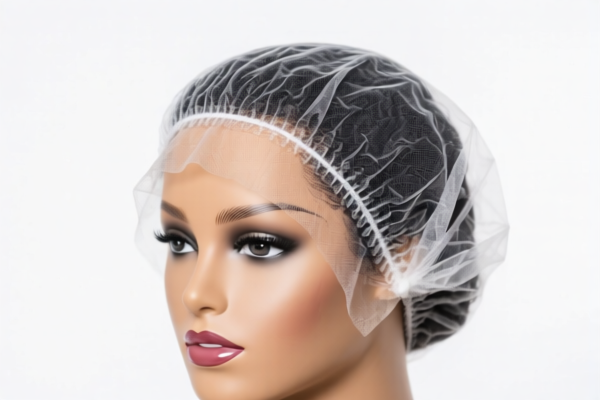
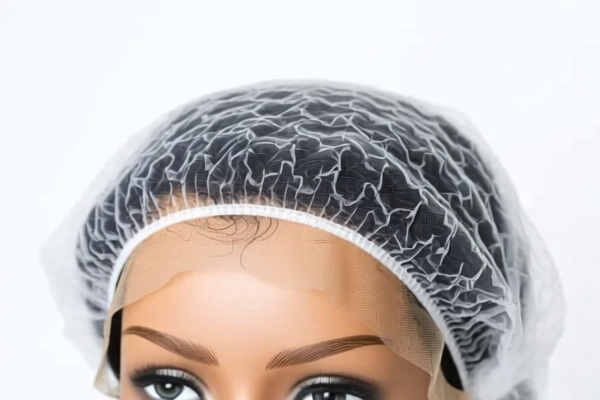
AI Analysis
🇲🇽 Mexico Hat (Beanie/Knit Cap with Pom-Pom)
🌐 HS Code Reference & Customs Clearance Guide | 2026 Latest Tariff Analysis | Professional Clearance Strategy
📌 I. Product Definition & Classification: Do You Really Understand "Mexico Hat"?
The "Mexico Hat," often referred to as a knitted cap, beanie, or chullo with a pom-pom, is a common winter accessory. In international trade, the HS Code classification depends strictly on the material composition and construction method. Misclassification can lead to significant tariff differences due to the叠加 (stacked) tariffs applied to goods from China.
⚠️ Key Distinction Point:
- If made of Knitted/Woven Textile Fibers (Cotton, Wool, Synthetic): Falls under Chapter 65 (Headgear). - If made of Non-Textile Materials (Fur, Leather, Plant Fibers): Falls under specific sub-headings for hats/headbands. - Critical Note: All items imported from China to the US are subject to Section 301 (25%) and Section 122 (10%) additional tariffs.
📦 II. HS Code Classification Details (Based on Provided Data)
| HS Code | Product Description | Material Inference | Total Tax Rate |
|---|---|---|---|
6505.00.15.40 |
Mexico Hat, Knitted/Woven Cap | Cotton or Textile Fibers | 42.9% |
6506.99.30.00 |
Mexico Hat, Fur/Leather Headband | Fur or Leather-like Materials | 38.3% |
6504.00.30.00 |
Mexico Hat, Plaited Cap | Plant Fibers (e.g., Straw, Palm) | 41.0% |
6506.99.60.00 |
Mexico Hat, Other Headgear | Textile/Synthetic (Non-knitted) | 43.5% |
6504.00.90.15 |
Mexico Hat, Sewn Fiber Cap | Artificial/Other Fibers (Sewn) | 41.8% |
🔍 Important Reminder:
- The classification hinges on Chapter 65 (Headgear). -6505is typically for knitted/crocheted hats. -6504is for plaited or made-up hats from straw or other plaiting materials. -6506is for other headgear not specified elsewhere (e.g., fur bands, headbands).
💰 III. 2026 Latest Tariff Rate Breakdown (Including Surcharges)
✅ Applicable Country: United States (US)
✅ Origin: China (CN)
✅ Effective Time: Ongoing (Includes all imports after recent policy updates)
🎯 1. 6505.00.15.40 —— Knitted/Woven Hat (Cotton/Textile)
| Item | Details |
|---|---|
| Base MFN Rate | 7.9% |
| Section 301 Surcharge | +25.0% |
| Section 122 Surcharge | +10.0% |
| Total Tax Rate | 42.9% |
| Calculation Method | CIF Value × 42.9% |
| De Minimis Exemption | ❌ Not Eligible (Section 301 goods are excluded from Section 321 de minimis relief) |
| Legal Basis | HTSUS:6505.00.15.40 + USITC Footnote 9903.88.01 (Section 301) + IEEPA Section 122 |
📌 Explanation:
- This is the most common classification for standard knit beanies. - The 42.9% rate is a heavy burden, comprising the base duty plus two layers of trade remedy tariffs.
🎯 2. 6506.99.30.00 —— Fur/Leather Headband
| Item | Details |
|---|---|
| Base MFN Rate | 3.3% |
| Section 301 Surcharge | +25.0% |
| Section 122 Surcharge | +10.0% |
| Total Tax Rate | 38.3% |
| Calculation Method | CIF Value × 38.3% |
| De Minimis Exemption | ❌ Not Eligible |
📌 Note:
- Even though the base rate is lower (3.3%), the surcharges remain the same, resulting in a total of 38.3%. - Applicable if the hat is primarily a fur/leather band or accessory.
🎯 3. 6504.00.30.00 —— Plaited Hat (Plant Fibers)
| Item | Details |
|---|---|
| Base MFN Rate | 6.0% |
| Section 301 Surcharge | +25.0% |
| Section 122 Surcharge | +10.0% |
| Total Tax Rate | 41.0% |
| Calculation Method | CIF Value × 41.0% |
| De Minimis Exemption | ❌ Not Eligible |
📌 Note:
- Common for straw hats or woven fiber caps. - Total tax is 41.0%.
🎯 4. 6506.99.60.00 —— Other Headgear (Textile/Synthetic)
| Item | Details |
|---|---|
| Base MFN Rate | 8.5% |
| Section 301 Surcharge | +25.0% |
| Section 122 Surcharge | +10.0% |
| Total Tax Rate | 43.5% |
| Calculation Method | CIF Value × 43.5% |
| De Minimis Exemption | ❌ Not Eligible |
📌 Note:
- This category captures other textile headgear not classified under 6505. - Highest total tax rate at 43.5% due to the higher base duty (8.5%).
🎯 5. 6504.00.90.15 —— Sewn Fiber Cap (Artificial/Other)
| Item | Details |
|---|---|
| Base MFN Rate | 6.8% |
| Section 301 Surcharge | +25.0% |
| Section 122 Surcharge | +10.0% |
| Total Tax Rate | 41.8% |
| Calculation Method | CIF Value × 41.8% |
| De Minimis Exemption | ❌ Not Eligible |
📌 Note:
- Applies to sewn caps made from artificial or other specific fibers. - Total tax is 41.8%.
🛠️ IV. Customs Clearance Practical Advice (Avoid Pitfalls)
✅ 1. Preparation Checklist (Mandatory)
| Document | Required | Explanation |
|---|---|---|
| ✅ Product Composition Label | ✔️ | Must specify % of Cotton, Polyester, Wool, etc. Critical for HS 6505 vs. 6506. |
| ✅ Photos of Product | ✔️ | Clear images showing knitted texture, pom-pom attachment, and labels. |
| ✅ Commercial Invoice | ✔️ | Must state "Mexico Hat" or "Knitted Beanie" and value. |
| ✅ Packing List | ✔️ | Item count and weight. |
| ✅ Origin Certificate | ✔️ | If applicable for non-Chinese origin (but data implies China origin). |
✅ 2. Declaration Tips (Key Mantra)
🔥 "Material First, Chapter 65, No De Minimis for China!"
| Scenario | Correct Declaration | Error to Avoid |
|---|---|---|
| Knitted Cotton Hat | 6505.00.15.40 |
Declare as "Clothing Accessory" (Wrong Chapter) |
| Fur/Leather Band | 6506.99.30.00 |
Declare as "Knitted Hat" (Wrong Material) |
| Straw/Woven Hat | 6504.00.30.00 |
Declare as "Plastic Hat" (Wrong Chapter) |
| Any China-Orig Hat | Pay Full Tariff | Assume De Minimis ($800) applies → Seizure Risk! |
⚠️ Critical Warning:
- Section 301 Goods (HS 6505, 6504, 6506 from China) are EXCLUDED from Section 321 De Minimis relief.
- Even if the value is under $800, you MUST pay the full tariff and file an entry. Do not rely on informal entry for these goods.
✅ 3. Special Circumstances
| Situation | Advice |
|---|---|
| OEM Custom Hats | Provide design sheets to prove material composition. |
| Mixed Material Hats | If >50% cotton, use 6505. If mixed, determine principal material per HTS rules. |
| Sample Imports | Even samples from China are subject to tariffs and formal entry if value exceeds nominal thresholds or if not classified as gifts. |
🌍 V. Global Market Comparison (2026 Overview)
| Country/Region | Recommended HS Code | Tariff (China Origin) | Notes |
|---|---|---|---|
| 🇺🇸 USA | 6505.00.15.40 |
42.9% | High tariffs due to Section 301 & 122. |
| 🇪🇺 EU | 6505.00 |
~2.5% | No Section 301. Lower base duty. |
| 🇨🇳 China | 6505.00 |
2-5% | Low import duty for domestic sale. |
| 🇲🇽 Mexico | 6505.00 |
0-5% | USMCA may apply if originating in North America. |
📌 Conclusion:
- The USA is the most expensive market for China-origin hats due to叠加 tariffs. - Consider supply chain diversification (e.g., Vietnam, Bangladesh) for US-bound goods to mitigate tariff risks.
📌 VI. Common Mistakes & Pitfalls (Lessons Learned)
❌ Mistake 1: Assuming De Minimis applies to all $800 shipments
👉 Consequence: Goods seized, penalties imposed, and back-taxes owed. Section 301 items are explicitly excluded.
❌ Mistake 2: Misdeclaring "Knitted Hat" when it is "Woven/Plaited"
👉 Consequence: Incorrect HS Code (6505 vs 6504). While rates are similar, it can lead to audits and delays.
❌ Mistake 3: Ignoring Section 122 (10%)
👉 Consequence: Underpayment by 10%. The 122 tariff is a recent addition and often overlooked by inexperienced brokers.
✅ Correct Approach:
"Knitted Beanie Hat, 100% Cotton, with Pom-Pom, Made in China, HS Code 6505.00.15.40"
🎯 VII. Conclusion: Professional Declaration, Cost Control
🎯 Remember the Mantra:
🔹 "China Origin + Hat = 40%+ Tax"
🔹 "No De Minimis for Section 301 Goods"
🔹 "Material Determines HS Code"
📌 Pro Tip:
If you are importing large volumes, consider Advance Rulings from CBP to confirm the HS Code. Also, evaluate if your supplier can source materials from non-China origins to potentially qualify for different tariff treatments (though Section 301 applies to Chinese goods regardless of final assembly location if Chinese content is significant).
📣 Immediate Action:
📞 Contact a licensed Customs Broker.
📄 Provide detailed material composition labels.
📉 Calculate landed cost including 42.9% total tax to ensure profitability.
✨ Professional Clearance Starts with Accurate Classification!
💼 Every percentage point of tariff matters!
Customer Reviews
About HS Code Classification
The Harmonized System (HS) is an internationally standardized nomenclature developed by the World Customs Organization (WCO) to classify traded products. Over 200 countries use the HS system as the basis for customs tariffs, trade statistics, and import/export regulations.
Each HS code follows a hierarchical structure:
- Chapter (2 digits) — Broad category of goods (e.g., Chapter 84: Machinery and Mechanical Appliances)
- Heading (4 digits) — More specific grouping within the chapter
- Subheading (6 digits) — Internationally standardized breakdown, used by all WCO member countries
- National subdivisions (8-10 digits) — Country-specific extensions for further classification, such as US HTSUS 10-digit codes
Correct HS code classification is essential for smooth customs clearance, accurate duty payment, and compliance with trade regulations. Misclassification can lead to customs delays, overpayment of duties, or penalties.
When importing from CN to US, the applicable tariff rates may include:
- Most-Favored-Nation (MFN) rate — The standard duty rate applied to WTO members
- General rate — Applied to countries without trade agreements
- Trade remedy duties — Additional tariffs such as Section 301 (anti-dumping), Section 232 (national security), or countervailing duties
The information provided on this page is for reference purposes only. For official classification, please consult with your local customs authority or a licensed customs broker.