Microfiber Hair Towel
CN → US| HS Code | Tariff Rate | Origin | Destination | Doc |
|---|---|---|---|---|
| 6307909882 | 24.5% | CN | US | Official Doc |
| 6307909884 | 24.5% | CN | US | Official Doc |
| 6302931000 | 24.5% | CN | US | Official Doc |
| 6302932000 | 24.5% | CN | US | Official Doc |
Product Images
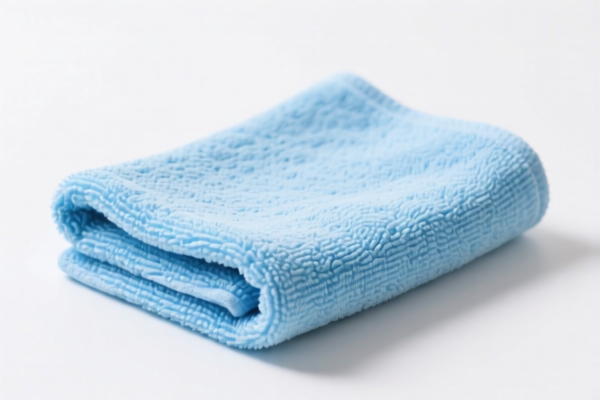
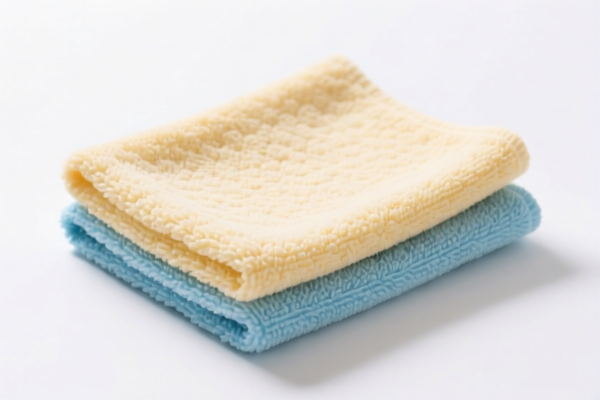
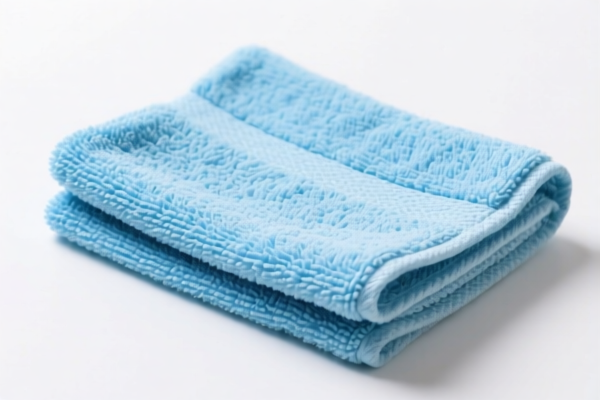
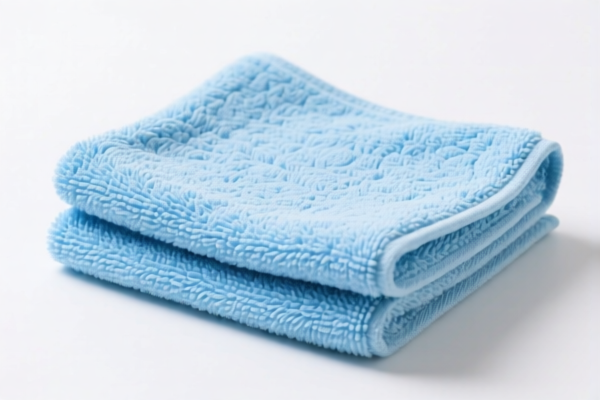
AI Analysis
🧖♀️ Microfiber Hair Towels (超细纤维干发巾)
🌐 HS Code Reference & Customs Clearance Guide | 2026 Latest Tariff Analysis | Professional Strategy for US Imports
📌 I. Product Definition & Classification: Do You Really Know "Microfiber Hair Towels"?
Microfiber hair towels are high-performance drying accessories made from synthetic split-fiber materials (typically polyester/polyamide blends). Unlike traditional cotton towels, they absorb water rapidly and are gentle on hair cuticles. In international trade, their classification hinges on two key factors: 1. Material Composition: Are they classified as "Towels" (Chapter 63) or "Toiletry Articles" (Chapter 62/63)? 2. Manufacturing Method: Are they woven/knitted loops (terry) or non-woven/hair-leaf shaped?
⚠️ Key Distinction Point:
- If the product is a standard towel shape (rectangular/looped) made of synthetic fibers → Usually falls under Chapter 63 (Other Made-Up Textile Articles).
- If the product is specifically designed as a toiletry/盥洗 article (e.g., hair wraps, turban-style) made of artificial fibers → May fall under Chapter 62/63 Toiletry categories.
- Critical Note: All variants listed below attract significant additional tariffs due to US-China trade policies.
📦 II. HS Code Classification Details (2026 Latest Tariff Authority Mapping)
| HS Code | Product Description | Key Characteristics | Category Logic |
|---|---|---|---|
6307.90.98.82 |
Microfiber Hair Towel, Towel Shape, Synthetic Fiber | Rectangular/looped shape; Material: Ultra-fine synthetic fiber (Polyester/Polyamide); Classified as "Other made-up textile articles". | Chapter 63.07: Other made-up textile articles. |
6307.90.98.84 |
Microfiber Hair Towel, Artificial Fiber, Hair Towel Form | Material: Artificial fiber (Synthetic); Form: Specific "hair towel" design. Fits under artificial fiber towel category. | Chapter 63.07: Other made-up textile articles. |
6302.93.10.00 |
Microfiber Hair Towel, Toiletry Use, Artificial Fiber | Use: Toiletry/Bathing accessory; Material: Artificial fiber; Form: Looped pile/cut-pile fabric. | Chapter 63.02: Bed linen, table linen, toilet linen, and kitchen linen. |
6302.93.20.00 |
Microfiber Hair Towel, Toiletry Use, Artificial Fiber | Use: Toiletry/Bathing accessory; Material: Artificial fiber; Classification: Other artificial fiber articles not elsewhere specified. | Chapter 63.02: Bed linen, table linen, toilet linen, and kitchen linen. |
🔍 Critical Reminder:
- All four codes listed above carry the SAME total tax rate of 24.5% for US imports from China.
- The distinction lies in customs inspection preferences.6307is often easier for general "towel" products, while6302is stricter for "toiletry" items requiring proof of specific use.
- Do not mix claims: If you declare as6302(Toiletry), you must prove it is used for bathing/toiletries, not just general cleaning.
💰 III. 2026 Latest Tariff Rate Breakdown (Detailed Tax Clauses)
✅ Applicable Country: United States (US)
✅ Origin: China (CN)
✅ Effective Date: Current rates apply (including Section 301 & 122 clauses)
🎯 Universal Tax Structure for All Listed HS Codes
All four HS codes (6307.90.98.82, 6307.90.98.84, 6302.93.10.00, 6302.93.20.00) share the identical tax composition:
| Tax Component | Rate | Legal Basis & Explanation |
|---|---|---|
| 1. Base Tariff (MFN) | 7.0% | Standard Most-Favored-Nation tariff for textile articles under Chapter 63. |
| 2. Section 301 Tariff | 7.5% | Additional tariff imposed under U.S. Trade Act Section 301 against China. |
| 3. Section 122 Tariff | 10.0% | Additional tariff under Section 122 of the Trade Act of 1974 (national security/emergency imports). |
| TOTAL EFFECTIVE RATE | 24.5% | Sum of all above tariffs. |
| Tax Calculation | CIF Value × 24.5% | Applied to the Cost, Insurance, and Freight value of the shipment. |
| De Minimis Exemption? | ❌ NO | Deny De Minimis. Small packages (under $800) do NOT qualify for exemption from these additional tariffs. |
📌 Explanation:
- The 24.5% is a "sticky" rate for Chinese-origin microfiber products.
- Section 122 (10%) is particularly volatile; it can be adjusted or revoked by presidential proclamation, but currently remains active.
- Section 301 (7.5%) is stable and long-term.
- Base Rate (7%) is standard for most textiles.
🛠️ IV. Customs Clearance Practical Advice (Pitfall Avoidance Guide)
✅ 1. Required Documentation Checklist
| Document | Required? | Explanation |
|---|---|---|
| ✅ Product Description | ✔️ | Must specify "Microfiber", "Artificial Fiber", and "Hair Towel". Avoid vague terms like "Cotton Towel". |
| ✅ Material Composition | ✔️ | Proof of synthetic content (e.g., Polyester 80%, Polyamide 20%). |
| ✅ Country of Origin Certificate | ✔️ | Essential for calculating Section 301/122 duties. |
| ✅ Commercial Invoice | ✔️ | Must match HS Code exactly. Discrepancies between invoice description and HS code lead to delays. |
| ✅ Packing List | ✔️ | Clear weight and quantity details. |
| ✅ Test Report (Optional but Recommended) | ✔️ | To prove "Artificial Fiber" content if challenged by customs. |
✅ 2. Declaration Tips (Key Mantras)
🔥 "Material Truth, Shape Clear, No Misclassification!"
| Scenario | Correct Declaration | Wrong Approach |
|---|---|---|
| Standard Rectangular Towel | 6307.90.98.82 or 6307.90.98.84 |
Don't call it "Toiletry" if it's just a towel. |
| Turban/Hair Wrap Style | 6302.93.10.00 or 6302.93.20.00 |
Ensure it's clearly for "toiletry/bathing" use. |
| Mixed Materials | Declare highest value component | If mixed with cotton, tax rate may change. Stick to 100% synthetic for these codes. |
| OEM/Private Label | Include brand name in description | Avoid generic "Hair Towel" alone. Use "Microfiber Hair Towel, Brand XYZ". |
✅ 3. Special Handling for Section 122 Tariff
| Issue | Solution |
|---|---|
| Tariff Volatility | Section 122 (10%) can change. Monitor USTR announcements. Consider hedging if rates drop. |
| Proof of Origin | Strict enforcement on "Made in China". Ensure supplier provides valid COO. Transshipment risks high penalties. |
| De Minimis Risk | Even small parcels (e.g., dropshipping samples) are subject to 24.5% tax. Do not use B13/A86 exemption. |
🌍 V. Global Market Comparison (2026 Update)
| Country/Region | Recommended HS Code | Tariff Rate | Notes |
|---|---|---|---|
| 🇺🇸 United States | 6307.90.98.82 etc. |
24.5% | High Cost due to Section 301 + 122. |
| 🇨🇳 China (Import) | Same HS Codes | 7-10% | No additional punitive tariffs. |
| 🇪🇺 European Union | 6307.90.98 |
0-12% | No Section 301. Check EUTR/REACH for microplastics. |
| 🇬🇧 United Kingdom | 6307.90.98 |
0-12% | Post-Brexit rules. No Section 122 equivalent. |
| 🇦🇺 Australia | 6307.90.98 |
5% | Lower base rates, no punitive tariffs. |
📌 Conclusion:
- The US is the most expensive market for Chinese microfiber towels due to the 24.5% combined tariff.
- EU/UK/AU offer better cost structures but may have stricter environmental regulations (microplastic shedding).
- Strategy: For US market, consider Vietnam/Mexico sourcing to avoid Section 301/122 tariffs (if rules of origin are met).
📌 VI. Common Errors & Pitfalls (Lessons Learned)
❌ Mistake 1: Declaring as "Cotton Towel" to avoid synthetic fiber scrutiny
👉 Result: Customs inspection reveals polyester → Fine + Back Taxes.
❌ Mistake 2: Using "Hair Wrap" to claim lower textile tariff
👉 Result: If material is synthetic, it still falls under 6307/6302 with 24.5% tax. Misdescription leads to audits.
❌ Mistake 3: Ignoring Section 122 Tariff in Costing
👉 Result: Profit margins wiped out. Always budget 24.5% for US imports from China.
❌ Mistake 4: Assuming Small Packages are Tax-Free
👉 Result: Section 122/301 tariffs apply to all shipments, regardless of value. De Minimis does not apply.
✅ Correct Approach:
"Microfiber Hair Towel, 100% Synthetic (Polyester/Polyamide Blend), Made in China, For Hair Drying, Model XYZ"
🎯 VII. Conclusion: Professional Declaration, Cost Control, Risk Mitigation
🎯 Remember the Mantra:
🔹 "China Origin = 24.5% Tax (US Market)"
🔹 "No De Minimis Exemption for Section 301/122"
🔹 "Be Honest About Material: Synthetic = Chapter 63"
📌 Pro Tip:
If you are shipping to the US, and your volume is large, consider Advance Rulings with CBP to confirm HS code stability.
For dropshippers, factor the 24.5% tax into your pricing. Do not assume small packages are tax-free.
📣 Immediate Action:
📞 Consult a licensed customs broker to validate your HS code.
📄 Ensure your supplier provides a clear Certificate of Origin.
🚀 Optimize your supply chain: Consider near-shoring (Mexico/Vietnam) if tariffs increase further.
✨ Professional Customs Clearance Starts with Accurate Classification!
💼 Every cent saved in correct declaration is profit earned!
Customer Reviews
About HS Code Classification
The Harmonized System (HS) is an internationally standardized nomenclature developed by the World Customs Organization (WCO) to classify traded products. Over 200 countries use the HS system as the basis for customs tariffs, trade statistics, and import/export regulations.
Each HS code follows a hierarchical structure:
- Chapter (2 digits) — Broad category of goods (e.g., Chapter 84: Machinery and Mechanical Appliances)
- Heading (4 digits) — More specific grouping within the chapter
- Subheading (6 digits) — Internationally standardized breakdown, used by all WCO member countries
- National subdivisions (8-10 digits) — Country-specific extensions for further classification, such as US HTSUS 10-digit codes
Correct HS code classification is essential for smooth customs clearance, accurate duty payment, and compliance with trade regulations. Misclassification can lead to customs delays, overpayment of duties, or penalties.
When importing from CN to US, the applicable tariff rates may include:
- Most-Favored-Nation (MFN) rate — The standard duty rate applied to WTO members
- General rate — Applied to countries without trade agreements
- Trade remedy duties — Additional tariffs such as Section 301 (anti-dumping), Section 232 (national security), or countervailing duties
The information provided on this page is for reference purposes only. For official classification, please consult with your local customs authority or a licensed customs broker.