Milo Cereal
CN → US| HS Code | Tariff Rate | Origin | Destination | Doc |
|---|---|---|---|---|
| 1806205000 | 21.8% | CN | US | Official Doc |
| 1806101500 | 0.0% | CN | US | Official Doc |
| 2106909998 | 16.4% | CN | US | Official Doc |
| 1904100040 | 18.6% | CN | US | Official Doc |
| 1904100080 | 18.6% | CN | US | Official Doc |
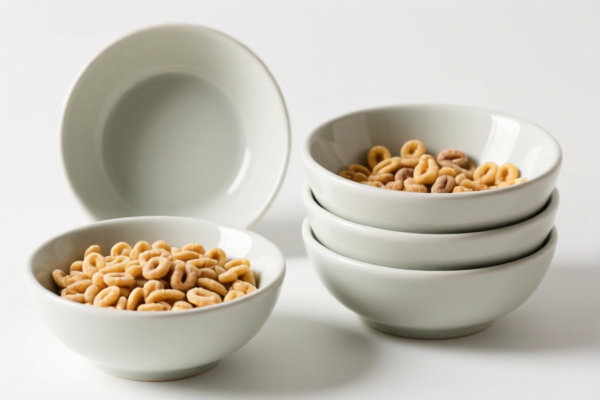
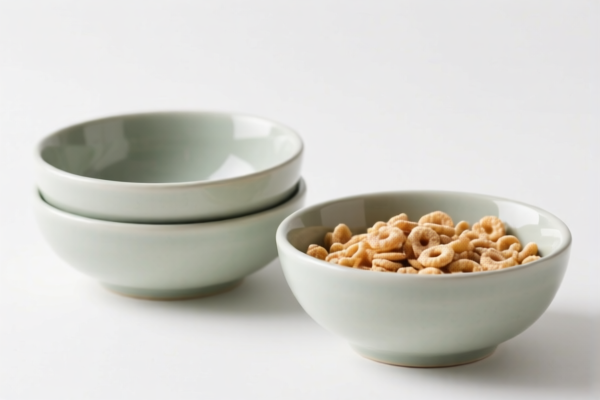
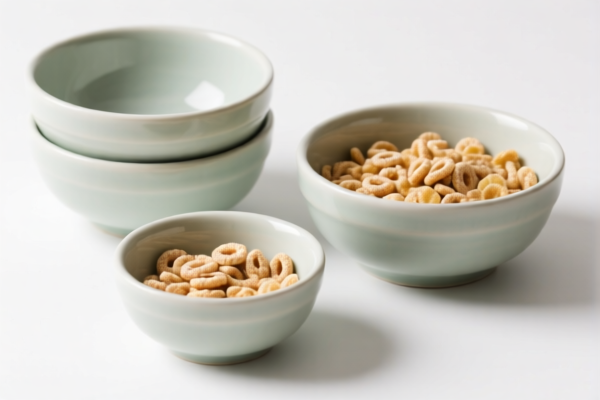
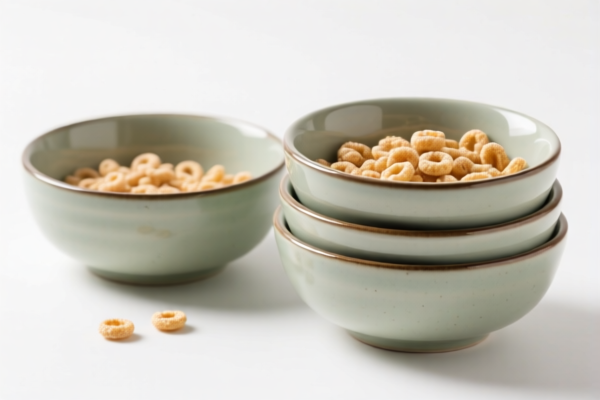
Product Images
AI Analysis
🥣 Milo Cereal: HS Code Classification & US Customs Clearance Guide
🌐 HS Code Reference & Customs Clearance Guide | 2026 Latest Tariff Analysis | Professional Transit Strategy
📌 One, Product Definition & Classification: What Exactly is "Milo Cereal"?
Milo, globally recognized by Nestlé, is a popular chocolate malt drink powder. However, when specifically labeled as "Milo Cereal" or "Milo Cereal Bars/Grain Snacks," the product shifts from a pure beverage mix to a prepared grain-based snack or ready-to-eat breakfast cereal.
In international trade, the classification depends heavily on the primary ingredient (cocoa vs. grain/malt) and the processing method (puffed, baked, or simple mixture).
⚠️ Key Distinction:
- If the product is primarily a chocolate/malt drink powder meant to be mixed with water/milk → It is a Cocoa Preparation (Chapter 18) or Food Preparation (Chapter 21).
- If the product is puffed grains, baked cereal bars, or ready-to-eat flakes containing Milo flavor → It falls under Prepared Cereals (Chapter 19) or Other Food Preparations (Chapter 21).
📦 Two, HS Code Classification Details (Based on Provided Data)
The following HS Codes are derived specifically from the provided data context, analyzing the product as either a cocoa-based preparation or a grain-based cereal.
| HS Code | Product Description | Applicability Scenario | Key Material/Feature |
|---|---|---|---|
1806.20.50.00 |
Other preparations of cocoa (Granular/Powder form) | Milo drink powder/mix where cocoa is the dominant flavor profile | Cocoa-based, granular/powder form |
1806.10.15.00 |
Cocoa powder, with added sugar or other sweetening matter | Milo powder specifically classified as sweetened cocoa powder | Cocoa powder + sugar, sweetened |
2106.90.99.98 |
Other food preparations (Not elsewhere specified) | Milo-based mixes that are not pure cocoa or pure grain; general food prep | General food preparation, malt/grain mix |
1904.10.00.40 |
Puffed or roasted cereals (Not further prepared) | Milo-flavored puffed rice/wheat snacks or cereals | Puffed/roasted grain, contains sweeteners |
1904.10.00.80 |
Other puffed or roasted cereals (Not elsewhere specified) | Milo cereal bars or other grain-based snacks without specific cocoa classification | Grain-based, puffed/baked, "Other" category |
🔍 Critical Note:
- If the product is sold as a drink mix (powder),1806.20.50.00is the most common fit for "Milo" due to its cocoa nature.
- If the product is a solid cereal bar or puffed snack,1904.10.00.40or1904.10.00.80is appropriate.
- Misclassification between Chapter 18 (Cocoa) and Chapter 19 (Cereals) can lead to significant tariff differences and customs delays.
💰 Three, 2026 Latest Tariff Rate Breakdown (Including Additional Duties)
✅ Applicable Country: United States (US)
✅ Origin: China (CN) (Assumed based on "Section 301" and "122" references in data)
✅ Effective Time: Current US Trade Policy (Post-2025 adjustments)
🎯 1. HS Code 1806.20.50.00 — Cocoa Preparations (Granular/Powder)
| Item | Content |
|---|---|
| Basic Tariff | 4.3% |
| Section 301 Tariff | +7.5% |
| Section 122 Tariff | +10% |
| Total Tax Rate | 21.8% |
| Calculation Method | Ad Valorem (Percentage of CIF Value) |
| De Minimis Exemption | ❌ Not Eligible (High tariff rates usually deny de minimis for Section 301 goods) |
| Legal Basis | Section 301 (7.5%) + Section 122 (10%) + Basic Rate (4.3%) |
📌 Explanation:
- This is the standard classification for Milo drink powder.
- The 21.8% total rate is significant and must be factored into landed cost calculations.
- Section 122 refers to specific trade remedies often applied to certain Chinese imports.
🎯 2. HS Code 1806.10.15.00 — Sweetened Cocoa Powder
| Item | Content |
|---|---|
| Basic Tariff | 21.7¢/kg (Specific Duty) |
| Section 301 Tariff | 0.0% (Note: Data shows 0.0% for this specific subheading in the context provided, but check latest updates) |
| Section 122 Tariff | +10% |
| Total Tax Rate | 21.7¢/kg + 10% |
| Calculation Method | Mixed: Specific Duty (per kg) + Ad Valorem (10% on CIF) |
| De Minimis Exemption | ❌ Not Eligible |
| Legal Basis | Section 122 (10%) + Specific Duty (21.7¢/kg) |
📌 Explanation:
- This code applies if the product is strictly defined as sweetened cocoa powder rather than a "preparation."
- The specific duty (21.7¢/kg) is fixed per weight, while the 10% Section 122 is added on the value.
- Note: Verify if Section 301 applies; some cocoa preparations may have different footnotes.
🎯 3. HS Code 2106.90.99.98 — Other Food Preparations
| Item | Content |
|---|---|
| Basic Tariff | 6.4% |
| Section 301 Tariff | 0.0% |
| Section 122 Tariff | +10% |
| Total Tax Rate | 16.4% |
| Calculation Method | Ad Valorem (Percentage of CIF Value) |
| De Minimis Exemption | ❌ Not Eligible |
| Legal Basis | Section 122 (10%) + Basic Rate (6.4%) |
📌 Explanation:
- Used when the product is a composite food preparation that doesn't fit strictly into Chapter 18 (Cocoa) or Chapter 19 (Cereals).
- 16.4% is lower than the cocoa-specific codes, making it potentially cost-effective if the product structure allows.
- Common for malt-based mixes with low cocoa content.
🎯 4. HS Code 1904.10.00.40 — Puffed/Roasted Cereals (With Sweeteners)
| Item | Content |
|---|---|
| Basic Tariff | 1.1% |
| Section 301 Tariff | +7.5% |
| Section 122 Tariff | +10% |
| Total Tax Rate | 18.6% |
| Calculation Method | Ad Valorem (Percentage of CIF Value) |
| De Minimis Exemption | ❌ Not Eligible |
| Legal Basis | Section 301 (7.5%) + Section 122 (10%) + Basic Rate (1.1%) |
📌 Explanation:
- Applicable for Milo-flavored puffed rice or wheat snacks.
- The 1.1% basic rate is very low, but the 17.5% in additional duties (7.5% + 10%) bring the total to 18.6%.
- Ensure the product is genuinely puffed or roasted and not just a baked bar.
🎯 5. HS Code 1904.10.00.80 — Other Puffed/Roasted Cereals
| Item | Content |
|---|---|
| Basic Tariff | 1.1% |
| Section 301 Tariff | +7.5% |
| Section 122 Tariff | +10% |
| Total Tax Rate | 18.6% |
| Calculation Method | Ad Valorem (Percentage of CIF Value) |
| De Minimis Exemption | ❌ Not Eligible |
| Legal Basis | Section 301 (7.5%) + Section 122 (10%) + Basic Rate (1.1%) |
📌 Explanation:
- Similar to1904.10.00.40but for other types of puffed/roasted grain preparations not specifically listed.
- Also totals 18.6%.
- Use this for cereal bars or granola-style Milo products if1904.10.00.40does not fit.
🛠️ Four, Customs Clearance Practical Advice (Pitfall Avoidance)
✅ 1. Documentation Checklist (Must-Haves)
| Document | Required | Notes |
|---|---|---|
| ✅ Product Specification Sheet | ✔️ | Must clearly state: Ingredients, Cocoa % vs. Grain %, Processing Method (Puffed/Baked/Mixed) |
| ✅ Product Photos | ✔️ | Show packaging, ingredient list, and product form (Powder/Bar/Flake) |
| ✅ Commercial Invoice | ✔️ | Accurate description: "Milo Chocolate Malt Drink Powder" or "Milo Puffed Cereal Bars" |
| ✅ Certificate of Origin | ✔️ | Essential for proving CN origin to apply/add Section 301/122 duties |
| ✅ Nutritional Facts Panel | ✔️ | Helps customs verify if it's a "Food Prep" or "Cocoa Powder" |
✅ 2. Classification Strategy (Key Tips)
🔥 "Form Defines Code: Powder is Cocoa, Bar is Cereal!"
| Product Form | Recommended HS Code | Why? |
|---|---|---|
| Drink Powder | 1806.20.50.00 |
Primary cocoa content, granular/powder form |
| Sweetened Cocoa Powder | 1806.10.15.00 |
Pure cocoa powder with sugar, not a "preparation" |
| Malt/Grain Mix (Non-Cocoa dominant) | 2106.90.99.98 |
General food preparation, composite mix |
| Puffed Snack/Breakfast Cereal | 1904.10.00.40 or .80 |
Grain-based, puffed/roasted, ready-to-eat |
📌 Warning:
- Do not declare a cereal bar as cocoa powder (1806.xx) to try to lower taxes. Customs will reject based on physical form.
- Do not declare drink powder as cereal (1904.xx). It may face rejection for misclassification.
✅ 3. Special Scenarios
| Scenario | Advice |
|---|---|
| Private Label Milo | Ensure the ingredient list matches the claimed HS Code. If it has >20% cocoa, 1806 is safer. |
| Milo Bars | Clearly state "Puffed Rice with Cocoa Coating" to justify 1904 if applicable, or 1806 if cocoa is primary. |
| Small Quantity Samples | Even small shipments are subject to Section 301 and Section 122 duties. No de minimis exemption. |
🌍 Five, Global Market Comparison (2026)
| Market | Recommended HS Code | Estimated Total Duty (CN Origin) | Notes |
|---|---|---|---|
| 🇺🇸 USA | 1806.20.50.00 |
21.8% | High due to Section 301 + 122 |
| 🇪🇺 EU | 1806.20.00 |
~9-10% | No Section 301, but standard customs duties apply |
| 🇬🇧 UK | 1806.20.00 |
~9-10% | Similar to EU post-Brexit |
| 🇨🇳 China | 1806.20.50.00 |
~12-15% | Import duties vary, but lower than US add-ons |
| 🇦🇺 Australia | 1806.20.00 |
~5% | Free Trade Agreement (CHAFTA) may apply |
📌 Conclusion:
- The USA is the most expensive market for Milo products due to Section 301 and Section 122 duties.
- Consider supply chain diversification if targeting the US market heavily.
📌 Six, Common Errors & Pitfalls (Lessons Learned)
❌ Error 1: Declaring Milo Cereal Bars as Cocoa Powder (1806.10.15.00) to avoid higher taxes.
👉 Consequence: Customs inspection reveals solid form → Misclassification penalty + Back Taxes.
❌ Error 2: Ignoring Section 122 in the calculation.
👉 Consequence: Underpayment by 10% → Customs seizure or lien.
❌ Error 3: Using vague descriptions like "Chocolate Drink."
👉 Consequence: Customs assigns a random code → Delays and potential higher duty.
❌ Error 4: Assuming de minimis ($800) applies.
👉 Consequence: Section 301 goods are NOT eligible for de minimis → Full duties charged.
✅ Correct Approach:
"Milo Chocolate Malt Drink Powder, Cocoa-Based, 500g Pack"
HS Code:1806.20.50.00
Duty: 21.8% (4.3% Base + 7.5% Sec 301 + 10% Sec 122)
🎯 Seven, Conclusion: Accurate Classification Saves Money!
🎯 Remember the Rule:
🔹 "Powder = Cocoa (1806), Bar/Cereal = Grain (1904)"
🔹 "USA = High Duty (21.8%), EU/UK = Moderate (9-10%)"
🔹 "No De Minimis for Section 301 Goods!"
📌 Pro Tip:
If your Milo product is sourced from Vietnam or Thailand (not China), you may avoid Section 301 duties, reducing the total rate significantly.
✅ Recommendation: Apply for an Advance Ruling from US Customs (CBP) to confirm the correct HS Code before shipping.
📣 Act Now:
📞 Contact a licensed customs broker + Provide product samples + Verify Section 301 applicability
🚀 Ensure smooth clearance, avoid penalties, and maximize profit margins!
✨ Professional Customs Clearance Starts with Accurate Classification!
💼 Every percentage point matters in international trade!
Customer Reviews
About HS Code Classification
The Harmonized System (HS) is an internationally standardized nomenclature developed by the World Customs Organization (WCO) to classify traded products. Over 200 countries use the HS system as the basis for customs tariffs, trade statistics, and import/export regulations.
Each HS code follows a hierarchical structure:
- Chapter (2 digits) — Broad category of goods (e.g., Chapter 84: Machinery and Mechanical Appliances)
- Heading (4 digits) — More specific grouping within the chapter
- Subheading (6 digits) — Internationally standardized breakdown, used by all WCO member countries
- National subdivisions (8-10 digits) — Country-specific extensions for further classification, such as US HTSUS 10-digit codes
Correct HS code classification is essential for smooth customs clearance, accurate duty payment, and compliance with trade regulations. Misclassification can lead to customs delays, overpayment of duties, or penalties.
When importing from CN to US, the applicable tariff rates may include:
- Most-Favored-Nation (MFN) rate — The standard duty rate applied to WTO members
- General rate — Applied to countries without trade agreements
- Trade remedy duties — Additional tariffs such as Section 301 (anti-dumping), Section 232 (national security), or countervailing duties
The information provided on this page is for reference purposes only. For official classification, please consult with your local customs authority or a licensed customs broker.