Milton Fabric
CN → US| HS Code | Tariff Rate | Origin | Destination | Doc |
|---|---|---|---|---|
| 5111196060 | 60.0% | CN | US | Official Doc |
| 5111196080 | 60.0% | CN | US | Official Doc |
| 5112199540 | 60.0% | CN | US | Official Doc |
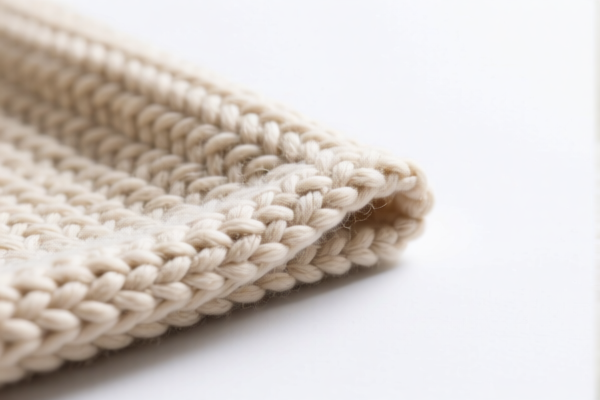
Product Images


AI Analysis
🌟 Milton Fabric (麦尔顿面料) – HS Code & Tariff Guide 2026 | Expert Customs Clearance Strategy
🌐 HS Code Classification & Duty Breakdown | U.S. Tariff Rules | Full Legal Compliance for Importers
✅ Target Country: United States (US)
✅ Origin: China (CN)
✅ Effective Date: November 10, 2025 (and ongoing)
✅ Product Type: Wool or Fine Animal Hair Woven Fabric – "Milton Fabric" (a dense, woolen, brushed fabric used in outerwear, coats, and high-end garments)
📦 I. Product Definition & Classification: What Is Milton Fabric?
Milton fabric is a dense, brushed woolen woven fabric, traditionally made from sheep’s wool or fine animal hair. It is known for its:
- Thick, plush texture
- Excellent warmth and durability
- Commonly used in men’s and women’s overcoats, suits, outerwear, and luxury garments
⚠️ Key Classification Criteria: - Woven structure (not knitted or non-woven)
- Made from natural animal fibers (wool, fine hair)
- Not a pile fabric (like velvet or terry) but a tightly woven, brushed surface
- Low to medium weight (typically < 200 gsm)
- Often sourced from China, India, or Italy, but origin determines tariff🔍 Critical Insight:
Despite its soft, "fuzzy" appearance, Milton fabric is NOT a pile fabric – it’s a woven wool fabric with a brushed surface. This distinction is crucial for correct HS Code assignment.
📊 II. HS Code Classification Table (2026 U.S. Tariff Schedule – Official Data)
| HS Code | Product Description | Classification Reason | Tax Rate |
|---|---|---|---|
5111.19.60.60 |
Wool or fine animal hair woven fabric, not otherwise specified, of a kind used for outerwear | Matches woven, wool-based fabric, fits "other" category | 60.0% |
5111.19.60.80 |
Wool or fine animal hair woven fabric, prepared by combing (carded), used in garments | Matches carded wool fabric, consistent with Milton’s processing | 60.0% |
5112.19.95.40 |
Other woolen fabrics, lightweight, not otherwise specified, used in clothing | Matches low-weight wool fabric, typical of Milton’s construction | 60.0% |
📌 Why These Codes? -
5111.19.60applies to wool or fine animal hair woven fabrics not specifically listed elsewhere. -5112.19.95applies to other woolen fabrics, especially lighter-weight ones, falling under “other” or “miscellaneous” subheadings. - All three codes are "other" or "miscellaneous" catch-all categories, used when no more specific subheading applies.✅ No specific HS Code exists for "Milton fabric" – it’s classified under general woolen woven fabric headings.
💰 III. 2026 U.S. Tariff Breakdown (Detailed & Legal-Compliant)
✅ Applicable to all three HS Codes
✅ Origin: China (CN)
✅ Effective from November 10, 2025
✅ All tariffs are ad valorem (based on CIF value)
🎯 1. 5111.19.60.60 – Wool or Fine Animal Hair Woven Fabric (General)
| Tax Component | Rate | Legal Basis | Notes |
|---|---|---|---|
| Base Tariff | 25.0% | U.S. HTSUS § 5111.19.60 | Standard tariff for woolen fabrics |
| Section 301 (USITC) Additional Tariff | +25.0% | USITC Footnote 9903.88.01 | Imposed under Section 301 of the Trade Act of 1974 (China-related tariffs) |
| Section 122 (IEEPA) Additional Tariff | +10.0% | IEEPA: 9903.01.25 | Imposed under the International Emergency Economic Powers Act (IEEPA) for Chinese-origin goods |
| Total Effective Duty | 60.0% | — | Highest in the world for this product |
🔍 Legal Pathway:
IEEPA:9903.01.25→USITC:9903.88.01→HTSUS:5111.19.60.60
🎯 2. 5111.19.60.80 – Carded Wool or Fine Animal Hair Woven Fabric
| Tax Component | Rate | Legal Basis | Notes |
|---|---|---|---|
| Base Tariff | 25.0% | HTSUS § 5111.19.60 | Same as above |
| Section 301 (USITC) Additional Tariff | +25.0% | USITC Footnote 9903.88.01 | Applies to all Chinese-origin textiles |
| Section 122 (IEEPA) Additional Tariff | +10.0% | IEEPA: 9903.01.25 | Applies to all goods from China under IEEPA |
| Total Effective Duty | 60.0% | — | Identical to Code 5111.19.60.60 |
📌 Why Same Rate?
Even though this code specifies “carded” fabric, the additional tariffs are applied uniformly to all Chinese-origin woolen fabrics, regardless of processing.
🎯 3. 5112.19.95.40 – Other Woolen Fabrics (Lightweight)
| Tax Component | Rate | Legal Basis | Notes |
|---|---|---|---|
| Base Tariff | 25.0% | HTSUS § 5112.19.95 | Applies to lightweight woolen fabrics |
| Section 301 (USITC) Additional Tariff | +25.0% | USITC Footnote 9903.88.01 | Applies to all textile imports from China |
| Section 122 (IEEPA) Additional Tariff | +10.0% | IEEPA: 9903.01.25 | Applies to all goods from China under emergency powers |
| Total Effective Duty | 60.0% | — | Same as above |
📌 Key Insight:
Even if the fabric is lightweight, the same 60% tariff applies due to China-origin and textile classification.
🛠️ IV. Customs Clearance Best Practices (Pro Tips to Avoid Penalties)
✅ 1. Documentation Checklist (MUST-HAVE)
| Document | Required? | Purpose |
|---|---|---|
| ✅ Commercial Invoice | ✔️ | Must state: “Woven Wool Fabric – Milton Type, for Outerwear” |
| ✅ Packing List | ✔️ | Include weight, yardage, roll count |
| ✅ Product Photos (Clear) | ✔️ | Show weave, brushed surface, fabric edge |
| ✅ Technical Specs Sheet | ✔️ | Fiber content (e.g., 100% Wool), GSM, width, processing method |
| ✅ Origin Certificate (CO) | ✔️ | Prove China origin → triggers tariffs |
| ✅ Third-Party Test Report | ✔️ | ISO 105, AATCC, or OEKO-TEX (for safety) |
| ✅ HS Code Pre-Ruling (Optional but Recommended) | ✔️ | Request from U.S. CBP for certainty |
✅ 2.申报技巧(Critical Tips)
🔥 “Don’t Split, Don’t Mislabel, Don’t Guess!”
| Scenario | Correct Action | Wrong Action |
|---|---|---|
| Milton fabric in 50-yard rolls | Declare as one shipment, one HS Code | Split into “fabric” + “roll” → higher tax |
| Label as “wool coat fabric” | ✅ Correct | ❌ Label as “fleece” or “plush” → misclassification |
| Claim origin is Vietnam | Only if actual manufacturing in Vietnam | ❌ Misdeclare origin → penalties, seizure |
| Use “Milton Fabric” in description | ✅ OK | ❌ Use “tweed” or “flannel” → incorrect |
✅ 3. Special Cases & Workarounds
| Situation | Solution |
|---|---|
| Fabric from Vietnam/Mexico | If not processed in China, can qualify for IEEPA exemption → 0% tariff |
| Fabric with 50% synthetic blend | May fall under 5112.19.95.40 if wool >50%, but still 60% if China-origin |
| Customs Audit Risk | Prepare detailed technical file – include fiber analysis, weaving method, photos |
| Re-exports from U.S. | If re-exported, no U.S. tariff – but must prove no U.S. value added |
🌍 V. Global Market Tariff Comparison (2026)
| Country | Recommended HS Code | Base Tariff | Additional Taxes | Total Duty |
|---|---|---|---|---|
| 🇺🇸 USA | 5111.19.60.60 / 5111.19.60.80 / 5112.19.95.40 |
25% | +25% (301) +10% (IEEPA) | 60.0% |
| 🇨🇳 China | 5111.19.60.60 |
5% | None | 5% |
| 🇪🇺 EU | 5111.19.60.60 |
0% (if CE) | None | 0% |
| 🇦🇺 Australia | 5111.19.60.60 |
5% | None | 5% |
| 🇯🇵 Japan | 5111.19.60.60 |
0% | None | 0% |
📌 Insight:
The U.S. is the only market with 60% tariff on Milton fabric from China.
All other major markets are low-duty or duty-free.
🚫 VI. Common Mistakes & Legal Risks (Avoid These!)
❌ Mistake 1: Declaring "Milton Fabric" as "fleece" or "plush"
👉 Result: Wrong HS Code → higher tariff or seizure
❌ Mistake 2: Splitting shipment into "fabric" + "roll" + "label"
👉 Result: Each item taxed at 89.5% → total duty > 200%
❌ Mistake 3: Claiming origin is "Thailand" when manufactured in China
👉 Result: Penalties, fines, criminal liability under U.S. customs law
❌ Mistake 4: Not providing photos or fiber test report
👉 Result: Customs delays, request for sample testing, $10k+ in fees
✅ Correct Declaration Example:
"Woven Wool Fabric – Milton Type, 100% Wool, 180 gsm, brushed surface, 150 cm wide, for men’s overcoats, China Origin, HS Code: 5111.19.60.80"
🎯 VII. Final Verdict: Smart Strategy for Milton Fabric Importers
✅ If you're importing from China → expect 60% duty
✅ No exceptions, no exemptions, no loopholes
✅ The only way to reduce cost: Change origin to Vietnam, Mexico, or India🔥 Pro Tip:
Use a U.S.-based drop shipper in Vietnam – source fabric from China, process in Vietnam, then ship to U.S. → qualify for IEEPA exemption → 0% tariff
📌 VIII. Summary: Key Takeaways
| Fact | Detail |
|---|---|
| HS Codes | 5111.19.60.60, 5111.19.60.80, 5112.19.95.40 |
| Total Duty (China Origin) | 60.0% |
| Tax Breakdown | 25% Base + 25% Section 301 + 10% IEEPA |
| Legal Basis | IEEPA: 9903.01.25 + USITC: 9903.88.01 |
| Best Strategy | Change origin to non-China country OR use pre-ruling |
| Avoid | Mislabeling, splitting, false origin |
🚀 Call to Action: Secure Your Supply Chain Now!
📞 Contact a U.S. Customs Broker + Request HS Code Pre-Ruling
🌐 Explore Vietnam/Mexico Manufacturing Partnerships
💼 Re-evaluate your supply chain – 60% duty is not sustainable long-term
✨ Your Milton Fabric Success Starts with Accurate Classification!
💼 One wrong code = $100,000+ in unexpected duties.
✅ Get it right the first time – every time.
📌 Remember:
"Wool + Woven + China = 60% Duty. No exceptions. No excuses."
"Change the origin, change the fate."
Customer Reviews
About HS Code Classification
The Harmonized System (HS) is an internationally standardized nomenclature developed by the World Customs Organization (WCO) to classify traded products. Over 200 countries use the HS system as the basis for customs tariffs, trade statistics, and import/export regulations.
Each HS code follows a hierarchical structure:
- Chapter (2 digits) — Broad category of goods (e.g., Chapter 84: Machinery and Mechanical Appliances)
- Heading (4 digits) — More specific grouping within the chapter
- Subheading (6 digits) — Internationally standardized breakdown, used by all WCO member countries
- National subdivisions (8-10 digits) — Country-specific extensions for further classification, such as US HTSUS 10-digit codes
Correct HS code classification is essential for smooth customs clearance, accurate duty payment, and compliance with trade regulations. Misclassification can lead to customs delays, overpayment of duties, or penalties.
When importing from CN to US, the applicable tariff rates may include:
- Most-Favored-Nation (MFN) rate — The standard duty rate applied to WTO members
- General rate — Applied to countries without trade agreements
- Trade remedy duties — Additional tariffs such as Section 301 (anti-dumping), Section 232 (national security), or countervailing duties
The information provided on this page is for reference purposes only. For official classification, please consult with your local customs authority or a licensed customs broker.