Mini Amplifier
CN → US| HS Code | Tariff Rate | Origin | Destination | Doc |
|---|---|---|---|---|
| 9013802000 | 16.6% | CN | US | Official Doc |
| 8543709810 | 37.6% | CN | US | Official Doc |
| 9013809100 | 22.0% | CN | US | Official Doc |
| 8518402000 | 35.0% | CN | US | Official Doc |
| 8518500000 | 35.0% | CN | US | Official Doc |
Product Images
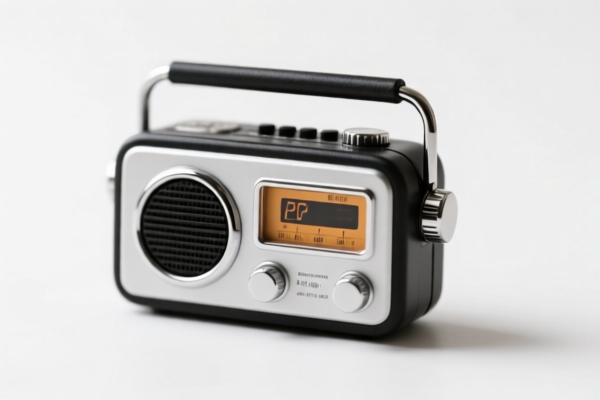
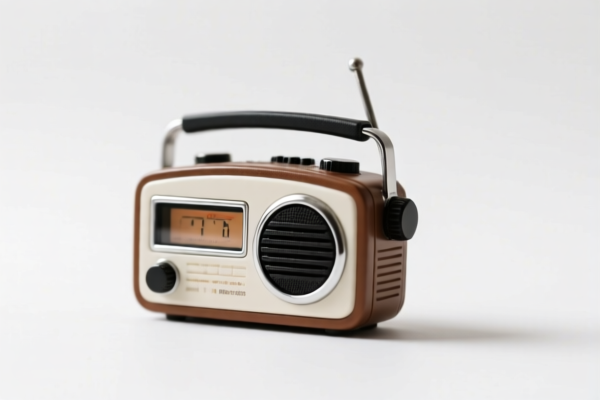
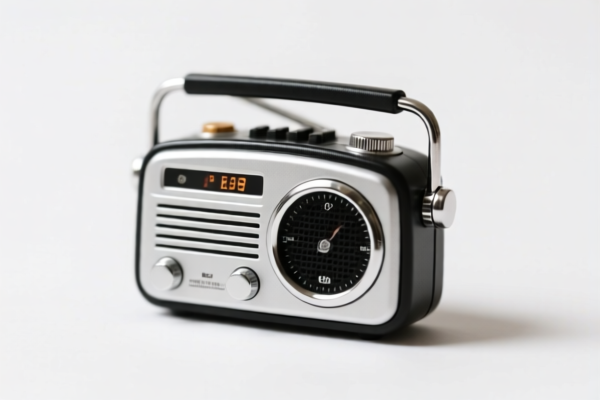

AI Analysis
🔊 Mini Amplifier (Mini Amplifiers)
🌐 HS Code Reference & Customs Clearance Guide | 2026 Latest Tariff Analysis | Strategic Clearance Strategy
📌 I. Product Definition & Classification: What Exactly is a "Mini Amplifier"?
A Mini Amplifier is a compact electronic device designed to increase the amplitude of a signal. In international trade, its classification is highly controversial and depends entirely on its underlying technology and primary function.
It is generally divided into two main categories:
- Audio/Electrical Amplifiers: Devices that amplify electrical audio signals for speakers/headphones (e.g., portable Bluetooth amps, guitar amps). These fall under Chapter 85.
- Optical Instruments: Devices that use light-based technology for sensing or measurement (e.g., certain laser range finders or optical sensors mistakenly called "amplifiers" due to signal boosting optics). These fall under Chapter 90.
⚠️ Critical Distinction Point:
- If the device processes electrical audio signals →归入 8518.xx.xx.xx (Audio Equipment)
- If the device is a portable optical instrument → 归入 9013.xx.xx.xx (Optical Appliances)
- Misclassification Risk: Calling it an "optical device" to lower taxes when it is actually electrical will lead to severe penalties and potential seizure.
📦 II. HS Code Classification Details (2026 Latest Tariff Authority Comparison)
Based on the provided data, here are the five possible HS Codes for a "Mini Amplifier," ranging from low-cost optical misclassification to high-cost electrical classification.
| HS Code | Product Description | Applicable Scenario | Tax Burden |
|---|---|---|---|
9013.80.20.00 |
Mini amplifier classified as Optical Instrument | Handheld/small optical devices; Note: Technically questionable for standard audio amps | 🟢 Lowest (16.6%) |
9013.80.91.00 |
Mini amplifier classified as Other Optical Equipment | Falls under general optical equipment category; Alternative optical classification | 🟡 Medium (22.0%) |
8518.40.20.00 |
Mini amplifier classified as Electric Audio Amplifier | Standard electrical amplifiers for audio purposes | 🔴 High (35.0%) |
8518.50.00.00 |
Mini amplifier classified as Electro-acoustic Amplifier Set | Groups of electro-acoustic equipment; Similar tax to 8518.40 | 🔴 High (35.0%) |
8543.70.98.10 |
Mini amplifier classified as Signal Amplifier (General) | Electronic signal processing devices; Highest penalty due to Section 301 | 🔴🔴 Highest (37.6%) |
🔍 Key Insight:
- The Optical Classifications (9013) offer the lowest tariffs (16.6% - 22.0%) but require proving the device is an optical instrument, which is rare for consumer audio amps.
- The Electrical Classifications (8518/8543) are likely the correct legal classification for audio amplifiers but carry significantly higher tariffs (35.0% - 37.6%).
-8543.70.98.10incurs the highest total tax (37.6%) due to the specific combination of Base + Section 301 + 122 Clause tariffs.
💰 III. 2026 Latest Tariff Rate Breakdown (Detailed Tax Clauses)
✅ Applicable Country: United States (US)
✅ Origin: China (CN)
✅ Effective Time: Current 2025-2026 Trade Restrictions
🎯 1. 9013.80.20.00 — Optical Instrument (Lowest Cost Option)
| Item | Detail |
|---|---|
| Base Tariff | 6.6% |
| Additional Tariff (Section 301) | 0.0% |
| Section 122 Clause Tariff | 10.0% |
| Total Tax Rate | 16.6% |
| Tax Calculation | CIF Value × 16.6% |
| Legal Basis | Chapter 90 (Optical Instruments) |
📌 Explanation:
- This classification assumes the device is a handheld optical appliance.
- Risk: If U.S. Customs (CBP) determines the device is actually an audio amplifier, this classification is illegal. You may face back-taxes, fines, and audits.
- Strategy: Only use if you can legally prove the "amplification" is optical/laser-based, not electrical/audio.
🎯 2. 9013.80.91.00 — Other Optical Equipment (Medium Cost Option)
| Item | Detail |
|---|---|
| Base Tariff | 4.5% |
| Additional Tariff (Section 301) | 7.5% |
| Section 122 Clause Tariff | 10.0% |
| Total Tax Rate | 22.0% |
| Tax Calculation | CIF Value × 22.0% |
| Legal Basis | Chapter 90 (Other Optical Devices) |
📌 Explanation:
- Another optical classification, but with a higher Section 301 add-on (7.5% vs 0.0% in 9013.80.20.00).
- Still significantly cheaper than electrical classifications, but high risk for audio products.
🎯 3. 8518.40.20.00 — Electric Audio Amplifier (Standard Legal Option)
| Item | Detail |
|---|---|
| Base Tariff | 0.0% |
| Additional Tariff (Section 301) | 25.0% |
| Section 122 Clause Tariff | 10.0% |
| Total Tax Rate | 35.0% |
| Tax Calculation | CIF Value × 35.0% |
| Legal Basis | Chapter 85 (Electrical Machinery; Section 301 List) |
📌 Explanation:
- Base Tariff is 0%, but Section 301 tariffs apply heavily (25%).
- This is the most likely correct classification for standard portable audio amps (e.g., Bose SoundLink, JBL Clip style products).
- No Base Tax, but the 25% + 10% penalty is steep.
🎯 4. 8518.50.00.00 — Electro-acoustic Amplifier Set (Standard Legal Option)
| Item | Detail |
|---|---|
| Base Tariff | 0.0% |
| Additional Tariff (Section 301) | 25.0% |
| Section 122 Clause Tariff | 10.0% |
| Total Tax Rate | 35.0% |
| Tax Calculation | CIF Value × 35.0% |
| Legal Basis | Chapter 85 (Electrical Machinery) |
📌 Explanation:
- Identical tax rate to8518.40.20.00.
- Use this if the product is sold as a set (e.g., amp + speaker system) rather than a standalone amplifier unit.
🎯 5. 8543.70.98.10 — Signal Amplifier (Highest Cost Option)
| Item | Detail |
|---|---|
| Base Tariff | 2.6% |
| Additional Tariff (Section 301) | 25.0% |
| Section 122 Clause Tariff | 10.0% |
| Total Tax Rate | 37.6% |
| Tax Calculation | CIF Value × 37.6% |
| Legal Basis | Chapter 85 (Other Electrical Machinery) |
📌 Explanation:
- This is the most expensive classification.
- Applies if the device is considered a "general purpose electronic signal amplifier" rather than an audio-specific device.
- Recommendation: Avoid this code unless no other audio-specific code fits.
🛠️ IV. Customs Clearance Practical Advice (Pitfall Avoidance Guide)
✅ 1. Documentation Checklist (Essential)
| Document | Required | Description |
|---|---|---|
| ✅ Product Spec Sheet | ✔️ | Must clearly state: Input/Output Voltage, Frequency Response, Power Rating. |
| ✅ Circuit Diagram | ✔️ | Crucial for CBP to determine if it's Audio (8518) or Signal (8543) or Optical (9013). |
| ✅ Product Photos | ✔️ | Show ports (RCA, 3.5mm, USB) to prove audio function. |
| ✅ Commercial Invoice | ✔️ | Description: "Portable Battery-Powered Audio Amplifier, Model XYZ." |
| ✅ FCC ID | ✔️ | Mandatory for electronic devices sold in the US. No FCC ID = No Clearance. |
✅ 2. Classification Strategy (Key Rules)
🔥 “Correct Code Saves Money, Wrong Code Costs Fines!”
| Scenario | Recommended HS Code | Reason |
|---|---|---|
| Standard Portable Audio Amp (e.g., for Bluetooth Speaker) | 8518.40.20.00 or 8518.50.00.00 |
Legally correct as Audio Equipment. Tax 35%. |
| Device with Laser/Sensor Function | 9013.80.20.00 |
Only if it genuinely uses optical amplification. Tax 16.6%. |
| General Electronic Signal Booster (Non-Audio) | 8543.70.98.10 |
For industrial RF/Signal amplifiers. Tax 37.6%. |
| Misclassified Audio Amp as Optical | DO NOT USE 9013 |
High audit risk. CBP checks for audio ports/circuits. |
✅ 3. Special Handling Tips
| Situation | Advice |
|---|---|
| OEM Private Label | Ensure the spec sheet matches the HS code. If you claim "Optical" but have RCA jacks, you will be flagged. |
| Hybrid Devices (e.g., DAC + Amp) | Classify as 8543.70 or 8518 depending on primary function. Do not split shipment. |
| Low-Value Shipments | Even if under $800 (De Minimis), Section 301 tariffs may still apply depending on current CBP enforcement policies. Check current rules. |
| Pre-Ruling Request | Strongly Recommended. Submit a Binding Tariff Information (BTI) or Ruling Request to CBP before shipping to lock in the correct HS Code and avoid post-clearance audits. |
🌍 V. Global Market Comparison (2026 Overview)
| Country/Region | Recommended HS Code | Est. Tariff (China Origin) | Notes |
|---|---|---|---|
| 🇺🇸 USA | 8518.40.20.00 |
35.0% | High Section 301 + 122 Clause. |
| 🇺🇸 USA (Optical Misclass) | 9013.80.20.00 |
16.6% | High Risk. Only for true optical devices. |
| 🇨🇳 China | 8518.40.00.00 |
~10-13% | Lower base tariffs. No Section 301. |
| 🇪🇺 EU | 8518.21 / 8518.40 |
0-1.7% | No Section 301. CE Marking required. |
| 🇬🇧 UK | 8518.40.00.00 |
4% | Post-Brexit tariff structure. |
📌 Conclusion:
- The US market is the most expensive due to additional punitive tariffs.
- Do not attempt to misclassify audio amplifiers as optical instruments (9013) solely for tax savings. The risk of audit, penalty, and product seizure is too high.
- Best Legal Path: Use8518.40.20.00(35.0% total tax) for standard audio amplifiers.
📌 VI. Common Mistakes & Pitfalls (Lessons Learned)
❌ Mistake 1: Using HS Code 9013 for a Bluetooth Speaker Amplifier
👉 Consequence: CBP rejects the entry. Demand for back-taxes (35% vs 16.6%) + penalties.
👉 Lesson: Audio = Chapter 85, Not Chapter 90.
❌ Mistake 2: Ignoring the Section 122 Clause
👉 Consequence: Underpaying duties. The 10% additional tax applies regardless of the base code for many Chinese electronics.
👉 Lesson: Always calculate Total Tax = Base + Sec 301 + Sec 122.
❌ Mistake 3: Using 8543.70.98.10 when 8518 applies
👉 Consequence: Overpaying taxes (37.6% vs 35.0%).
👉 Lesson: If it’s for audio, use 8518. It’s cheaper and more accurate.
✅ Correct Declaration Example:
"Portable Battery-Powered Audio Amplifier, Model XYZ, Input: 5V DC, Output: 3.5mm Jack, FCC ID: ABC123456, HS Code: 8518.40.20.00"
🎯 VII. Conclusion: Professional Classification, Cost Efficiency!
🎯 Remember the Golden Rule:
🔹 "Audio is 8518, Optical is 9013. Don't mix them up!"
🔹 "In the US, expect 35% total tax for audio amps. Don't risk audits with optical codes!"
🔹 "Always apply for a CBP Ruling before shipping large volumes!"
📌 Pro Tip:
If your volume is high, consider supply chain diversification (e.g., assembly in Vietnam or Mexico) to potentially qualify for Section 301 exclusions or lower origin-based tariffs, though policies change frequently. Verify with a customs broker.
📣 Immediate Action:
📞 Contact a Licensed US Customs Broker
📄 Prepare Technical Data Sheet + FCC ID
📝 Request a CBP Binding Ruling for your specific Mini Amplifier model🚀 Clear your goods smoothly, avoid penalties, and protect your margins!
✨ Professional Clearance Starts with Accurate Classification!
💼 Every percentage point of duty counts!
Customer Reviews
About HS Code Classification
The Harmonized System (HS) is an internationally standardized nomenclature developed by the World Customs Organization (WCO) to classify traded products. Over 200 countries use the HS system as the basis for customs tariffs, trade statistics, and import/export regulations.
Each HS code follows a hierarchical structure:
- Chapter (2 digits) — Broad category of goods (e.g., Chapter 84: Machinery and Mechanical Appliances)
- Heading (4 digits) — More specific grouping within the chapter
- Subheading (6 digits) — Internationally standardized breakdown, used by all WCO member countries
- National subdivisions (8-10 digits) — Country-specific extensions for further classification, such as US HTSUS 10-digit codes
Correct HS code classification is essential for smooth customs clearance, accurate duty payment, and compliance with trade regulations. Misclassification can lead to customs delays, overpayment of duties, or penalties.
When importing from CN to US, the applicable tariff rates may include:
- Most-Favored-Nation (MFN) rate — The standard duty rate applied to WTO members
- General rate — Applied to countries without trade agreements
- Trade remedy duties — Additional tariffs such as Section 301 (anti-dumping), Section 232 (national security), or countervailing duties
The information provided on this page is for reference purposes only. For official classification, please consult with your local customs authority or a licensed customs broker.