Mini Button
CN → US| HS Code | Tariff Rate | Origin | Destination | Doc |
|---|---|---|---|---|
| 7116205000 | 17.5% | CN | US | Official Doc |
| 7116204000 | 28.0% | CN | US | Official Doc |
| 7117909000 | 28.5% | CN | US | Official Doc |
| 9606212000 | 35.0% | CN | US | Official Doc |
| 9606214000 | 0.0% | CN | US | Official Doc |
Product Images
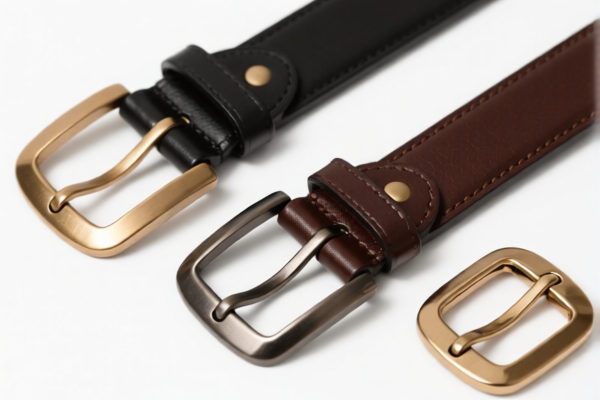
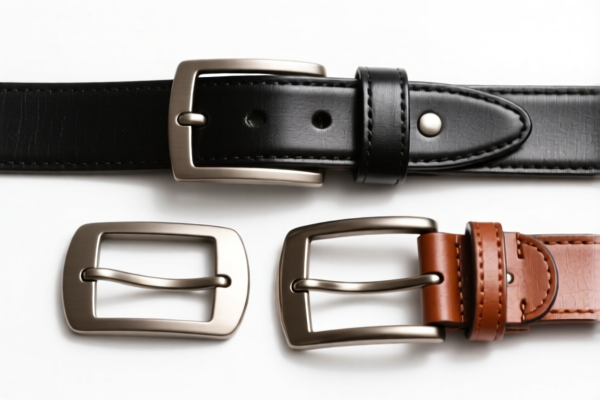
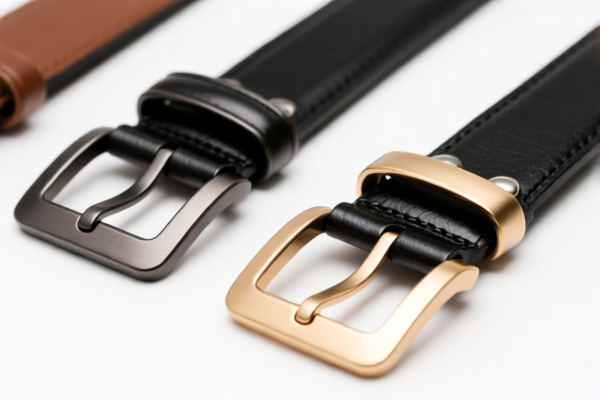
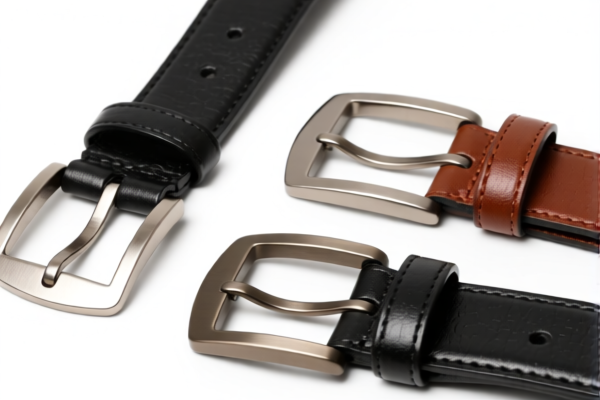
AI Analysis
📌 Mini Button (Buttons & Fasteners)
🌐 HS Code Reference & Customs Clearance Guide | 2026 Latest Tariff Analysis | Strategic Compliance for "Mini Buttons"
📌 Part I: Product Definition & Classification Logic
A "Mini Button" is generally classified under Chapter 96 (Miscellaneous Manufactured Articles) or Chapter 71 (Jewelry and Precious Metals), depending entirely on its material composition and function. In international trade, the distinction between a "button" (functional fastener) and a "jewelry piece/adornment" is critical for tax purposes.
⚠️ Key Distinction Point:
- If the button is primarily functional (fastening clothes) and made of base materials (plastic, metal, shell) → It often falls under 96.06 or general 71 categories based on specific material rules.
- If the button is primarily ornamental (jewelry-like, gemstone-encrusted) or lacks clear material description → It may fall under 71.16 (Articles of Natural or Cultured Pearls, Precious/semi-precious stones) or 71.17 (Imitation Jewelry).
📦 Part II: HS Code Classification Matrix (Based on Provided Data)
| HS Code | Product Description | Material/Logic Basis | Tax Implication |
|---|---|---|---|
7116.20.50.00 |
Gemstone/Semi-precious Stone Buttons | Made from precious/semi-precious stones; classified as "other articles" | 17.5% Total Tax |
7116.20.40.00 |
Base Material Buttons (Plastic/Metal/Shell) | Buttons typically made of plastic, metal, or shell; classified as "other articles" | 28.0% Total Tax |
7117.90.90.00 |
Imitation Jewelry / Unclassified Buttons | Based on imitation jewelry principles; used when material description is missing/unclear | 28.5% Total Tax |
9606.21.20.00 |
Plastic Buttons (Deductive Logic) | Matches "button" morphology; inferred as plastic or similar base material | 35.0% Total Tax |
9606.21.40.00 |
Plastic Buttons (Bottom-line Category) | Synonymous with buttons; inferred as plastic; fits catch-all logic for buttons | 0.3¢/line/gross + 4.6% + 35.0% (Complex Structure) |
🔍 Critical Insight:
-7116vs9606: The choice between Chapter 71 (Jewelry/Stone) and Chapter 96 (Buttons) depends on whether the item is viewed as a fastener or an ornament.
-7117Trap: If you do not specify the material (e.g., just write "Mini Button"), customs may default to7117.90.90.00(Imitation Jewelry), which carries a 28.5% tax.
-9606Complexity: The9606.21.40.00code has a unique compound tariff structure (specific duty per line + ad valorem +附加税), making cost calculation non-linear.
💰 Part III: 2026 Tariff Rate Breakdown (Detailed Tax Clauses)
✅ Applicable Country: United States (US)
✅ Origin: China (CN)
✅ Effective Date: 2025-11-10 onwards (including subsequent imports)
🎯 1. 7116.20.50.00 – Buttons of Gemstone/Semi-Precious Stone
| Item | Detail |
|---|---|
| Base Tariff | 0.0% |
| Section 301 Additional Duty | 7.5% |
| Section 122 Duty | 10.0% |
| Total Effective Tax Rate | 17.5% |
| Calculation Base | CIF Value × 17.5% |
| De Minimis Exemption | ❌ Not Applicable (High risk for small parcels) |
| Legal Path | Section 301 → Section 122 → 7116.20.50.00 |
📌 Explanation:
- This is the lowest tax bracket among the options.
- It applies only if the button is explicitly described as containing genuine precious/semi-precious stones (e.g., jade, quartz, pearl).
- Risk: Misdeclaring plastic as gemstone can lead to fraud penalties.
🎯 2. 7116.20.40.00 – Buttons of Plastic/Metal/Shell
| Item | Detail |
|---|---|
| Base Tariff | 10.5% |
| Section 301 Additional Duty | 7.5% |
| Section 122 Duty | 10.0% |
| Total Effective Tax Rate | 28.0% |
| Calculation Base | CIF Value × 28.0% |
| De Minimis Exemption | ❌ Not Applicable |
| Legal Path | Base Rate → Section 301 → Section 122 → 7116.20.40.00 |
📌 Explanation:
- Applies to buttons made of non-precious materials (plastic, base metal, shell) but classified under Chapter 71 due to specific trade rules or ornamental nature.
- 28.0% is significantly higher than the gemstone variant due to the 10.5% base tariff.
🎯 3. 7117.90.90.00 – Imitation Jewelry / Unclassified Buttons
| Item | Detail |
|---|---|
| Base Tariff | 11.0% |
| Section 301 Additional Duty | 7.5% |
| Section 122 Duty | 10.0% |
| Total Effective Tax Rate | 28.5% |
| Calculation Base | CIF Value × 28.5% |
| De Minimis Exemption | ❌ Not Applicable |
| Legal Path | Base Rate → Section 301 → Section 122 → 7117.90.90.00 |
📌 Explanation:
- Default Category: If your invoice just says "Mini Button" without material details, customs will likely assign this code.
- 28.5% is the highest percentage-based rate in the standard list.
- Advice: Always specify material to avoid this penalty rate.
🎯 4. 9606.21.20.00 – Plastic Buttons (Deductive Logic)
| Item | Detail |
|---|---|
| Base Tariff | 0.0% |
| Section 301 Additional Duty | 25.0% |
| Section 122 Duty | 10.0% |
| Total Effective Tax Rate | 35.0% |
| Calculation Base | CIF Value × 35.0% |
| De Minimis Exemption | ❌ Not Applicable |
| Legal Path | Section 301 → Section 122 → 9606.21.20.00 |
📌 Explanation:
- High Section 301 duty (25%) makes this category expensive despite a 0% base tariff.
- Likely applies to standard plastic buttons declared under Chapter 96.
🎯 5. 9606.21.40.00 – Plastic Buttons (Catch-All/Specific Duty)
| Item | Detail |
|---|---|
| Specific Duty | 0.3¢ per line per gross |
| Base Ad Valorem | 4.6% |
| Section 301 Additional Duty | 25.0% |
| Section 122 Duty | 10.0% |
| Total Effective Tax Rate | 35.0% + 0.3¢/line/gross |
| Calculation Base | (CIF × 35%) + (Lines ÷ 144 × $0.003) |
| De Minimis Exemption | ❌ Not Applicable |
| Legal Path | Specific Duty + Base Rate → Section 301 → Section 122 → 9606.21.40.00 |
📌 Explanation:
- Complex Structure: This code combines a specific duty (per unit count) with ad valorem taxes.
- High Section 301 (25%): Same punitive rate as9606.21.20.00.
- Volume Sensitivity: For high-volume, low-value buttons, the per-line fee adds up significantly.
🛠️ Part IV: Customs Clearance Best Practices (Actionable Advice)
✅ 1. Documentation Checklist (Mandatory)
| Document | Required? | Key Content |
|---|---|---|
| Commercial Invoice | ✅ Yes | Must explicitly state: Material (e.g., "100% Plastic," "Jade Stone," "Zinc Alloy"), Function (Fastener vs. Ornament). |
| Product Photos | ✅ Yes | High-res images showing material texture, holes, and any gemstones/metal parts. |
| Material Declaration | ✅ Yes | Signed statement confirming no prohibited materials (e.g., ivory, endangered species shells). |
| Packing List | ✅ Yes | Accurate line count (for 9606.21.40.00 calculation) and weight. |
| HS Code Ruling | ✅ Recommended | Prior US Customs ruling if available for your specific design. |
✅ 2. Classification Strategy (How to Optimize Tax)
| Strategy | Action | Expected Outcome |
|---|---|---|
Opt for 7116.20.50.00 |
If buttons are made of semi-precious stones (e.g., turquoise, jade, pearl) | 17.5% Tax (Lowest) |
Avoid 7117.90.90.00 |
ALWAYS specify material on invoice. Do not use vague terms like "Mini Button." | Saves 10.5% vs. Base Tariff |
Prefer 7116 over 9606 |
If material allows, classify under Chapter 71 (Jewelry/Stone) rather than Chapter 96 (Buttons) | Often lower Section 301 impact (7.5% vs 25%) |
Beware 9606.21.40.00 |
If using this code, ensure line counts are accurate to avoid overpaying specific duties | Prevents calculation errors |
🔥 Pro Tip:
"Material is King!"
- Gemstone →7116.20.50.00(17.5%)
- Plastic/Metal/Shell →7116.20.40.00(28.0%)
- Unclear →7117.90.90.00(28.5%)
- Pure Plastic (Ch 96) →9606.21.20.00(35.0%)
🌍 Part V: Global Market Comparison (2026)
| Market | Recommended HS Code | Approx. Tax Rate | Notes |
|---|---|---|---|
| 🇺🇸 USA | 7116.20.50.00 |
17.5% | Best Option if gemstone-based. High duties on plastic (35%). |
| 🇪🇺 EU | 9606.21 |
~0-4% | Generally lower tariffs, no Section 301/122 equivalents. |
| 🇨🇳 China | 9606.21 |
~5-10% | Lower base rates, but check import restrictions on materials. |
| 🇬🇧 UK | 9606.21 |
~0-4% | Post-Brexit tariffs are generally competitive for textiles/accessories. |
📌 Conclusion:
- The US market is the most complex due to Section 301 and Section 122 duties.
- Plastic buttons face 35%+ tax in the US.
- Gemstone buttons benefit from 0% base tariff but still face 17.5% total.
- Strategy: If possible, design mini buttons with semi-precious stone accents to qualify for the lower7116.20.50.00rate.
📌 Part VI: Common Pitfalls & Warnings
❌ Mistake 1: Invoice says "Mini Button" without material.
👉 Result: Customs assigns 7117.90.90.00 → 28.5% Tax.
✅ Fix: Specify "Plastic Button" or "Jade Button."
❌ Mistake 2: Declaring plastic buttons as "Imitation Jewelry" (7117).
👉 Result: Higher base tariff (11%) vs. potential 7116 (10.5%) or misclassification risks.
✅ Fix: Use 7116.20.40.00 for base material buttons if Chapter 71 applies.
❌ Mistake 3: Ignoring Section 122 and 301 in cost calculations.
👉 Result: Profit margin erosion. A 17.5% rate can jump to 35% if misclassified.
✅ Fix: Always add 17.5%-35% to your landed cost model for US imports.
❌ Mistake 4: Using 9606.21.40.00 for bulk shipments without checking line counts.
👉 Result: Overpayment of specific duties (0.3¢/line).
✅ Fix: Verify line counts and consider if 9606.21.20.00 is simpler (though same % rate).
🎯 Part VII: Final Checklist for Importers
- Define Material Clearly: On the commercial invoice, write "Buttons made of [Material]."
- Choose the Lowest Rate:
- Gemstone? →
7116.20.50.00(17.5%) - Plastic/Metal? →
7116.20.40.00(28.0%) - Avoid
9606unless necessary (35%+).
- Gemstone? →
- Prepare Documentation: Photos, material specs, and packing list with line counts.
- Consult a Broker: For high-volume shipments, get a binding ruling from US Customs.
📌 Expert Tip:
"In the US, material dictates the tax. Plastic is expensive (35%), Gemstone is cheaper (17.5%). Don't let vague descriptions cost you 10%!"
✨ Precise Classification Saves Money!
💼 Every cent counts in global trade.
Customer Reviews
About HS Code Classification
The Harmonized System (HS) is an internationally standardized nomenclature developed by the World Customs Organization (WCO) to classify traded products. Over 200 countries use the HS system as the basis for customs tariffs, trade statistics, and import/export regulations.
Each HS code follows a hierarchical structure:
- Chapter (2 digits) — Broad category of goods (e.g., Chapter 84: Machinery and Mechanical Appliances)
- Heading (4 digits) — More specific grouping within the chapter
- Subheading (6 digits) — Internationally standardized breakdown, used by all WCO member countries
- National subdivisions (8-10 digits) — Country-specific extensions for further classification, such as US HTSUS 10-digit codes
Correct HS code classification is essential for smooth customs clearance, accurate duty payment, and compliance with trade regulations. Misclassification can lead to customs delays, overpayment of duties, or penalties.
When importing from CN to US, the applicable tariff rates may include:
- Most-Favored-Nation (MFN) rate — The standard duty rate applied to WTO members
- General rate — Applied to countries without trade agreements
- Trade remedy duties — Additional tariffs such as Section 301 (anti-dumping), Section 232 (national security), or countervailing duties
The information provided on this page is for reference purposes only. For official classification, please consult with your local customs authority or a licensed customs broker.