Mini Car Trash Can
CN → US| HS Code | Tariff Rate | Origin | Destination | Doc |
|---|---|---|---|---|
| 3924104000 | 13.4% | CN | US | Official Doc |
| 3924905650 | 20.9% | CN | US | Official Doc |
| 3926901000 | 20.9% | CN | US | Official Doc |
| 3926909989 | 22.8% | CN | US | Official Doc |
| 7326908688 | 87.9% | CN | US | Official Doc |
Product Images
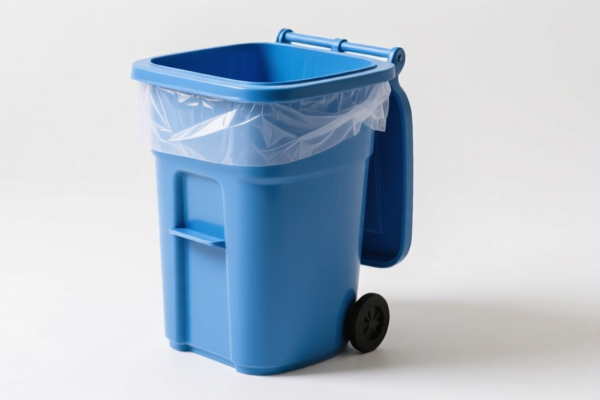
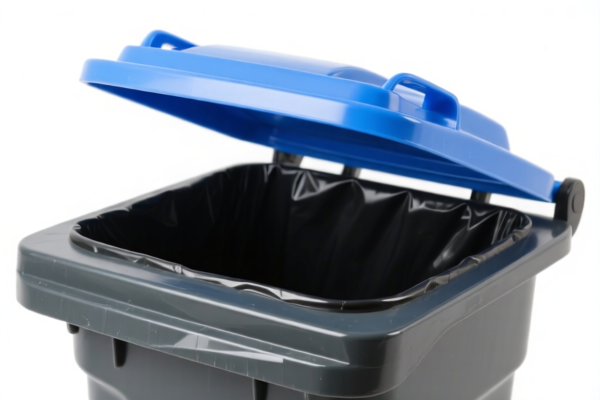
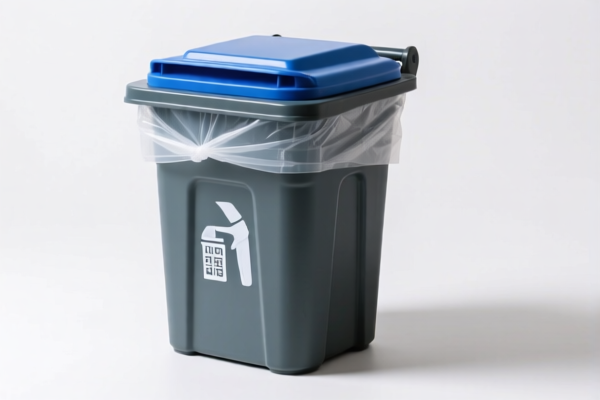
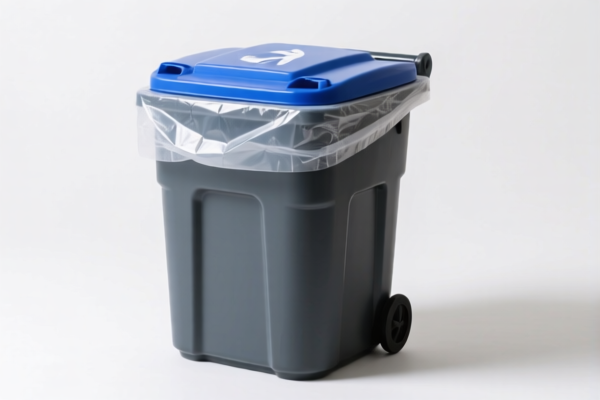
AI Analysis
🚗 Mini Car Trash Can (Automotive Waste Bin)
🌐 HS Code Reference & Customs Clearance Guide | 2026 Latest Tariff Analysis | Professional Compliance Strategy
📌 Part 1: Product Definition & Classification: Do You Really Understand "Mini Car Trash Can"?
A Mini Car Trash Can is a compact waste container designed specifically for vehicular use. In international trade, its classification depends heavily on material composition and specific utility. It is generally categorized under Chapter 39 (Plastics) or Chapter 73 (Iron/Steel Articles), with the specific HS Code determined by whether it is primarily a "household item" or a "general plastic/metal article."
Plastic Variants (Most Common):
* Household Plastic Bin: If designed for home use but imported with car accessories, it may fall under 3924.10.40.00.
* Other Plastic Articles: If deemed too specific for household bins or made of mixed/non-standard plastics, it may fall under 3924.90.56.50, 3926.90.10.00, or 3926.90.99.89.
Metal Variants:
* Metal Container: If made of stainless steel, aluminum, or other metals, it falls under 7326.90.86.88.
⚠️ Key Distinction Point:
- If the item is clearly a plastic household waste bin, it prefers 3924.10.40.00.
- If it is a general-purpose plastic bucket/bin not strictly for household waste, it may fall under 3926 series.
- If made of metal, it falls under 7326.90.86.88, which carries a significantly higher tariff burden.
📦 Part 2: HS Code Classification Details (2026 Latest Tariff Authority Comparison)
| HS Code | Product Description | Applicable Scenario | Material | Conflict Check |
|---|---|---|---|---|
3924.10.40.00 |
Household Plastic Waste Bins | Standard plastic trash cans for home/general use | Plastic | ✅ No conflict |
3924.90.56.50 |
Other Household Plastic Articles | General household plastic items, non-specific | Plastic | ✅ No conflict |
3926.90.10.00 |
Plastic Buckets/Bins (General) | Plastic bucket-shaped items, general utility | Plastic | ✅ No conflict |
3926.90.99.89 |
Other Plastic Articles | General plastic制品, "Other" category | Plastic | ✅ No conflict |
7326.90.86.88 |
Other Articles of Iron/Steel | Metal trash bins, automotive accessories | Metal (Steel/Aluminum/Copper) | ✅ No conflict |
🔍 Critical Reminder:
- Plastic vs. Metal: The material is the primary driver of tariff differences. Metal bins face much higher tariffs due to trade restrictions.
- "Household" vs. "General":3924is for household items. If the customs officer deems a "car bin" as a general industrial or non-household item, it may shift to3926.
- 122 Clause Impact: All plastic codes above are subject to the "122 Clause" (Section 122) additional tariff.
💰 Part 3: 2026 Latest Tariff Rate Breakdown (Including Additional Taxes & Policy Surcharges)
✅ Applicable Country: United States (US)
✅ Origin: China (CN)
✅ Effective Date: 2025-11-10 onwards (including subsequent imports)
🎯 1. 3924.10.40.00 – Household Plastic Waste Bins (Lowest Tariff Option)
| Item | Content |
|---|---|
| Base Duty Rate | 3.4% (ad valorem) |
| Section 301 Additional Duty | 0.0% |
| Section 122 Duty | 10% (Specific to this category under current enforcement) |
| Total Duty Rate | 13.4% |
| Tax Calculation | CIF Value × 13.4% |
| De Minimis Exemption | ❌ Not Eligible (Due to Section 122 & 301 rules) |
| Legal Basis Path | HTS:3924.10.40.00 → Section 122: 10% |
📌 Explanation:
- This is the most favorable classification for plastic trash cans.
- "Base 3.4%" is the standard MFN rate for household plastic ware.
- "Section 122 10%" is applied as a specific additional duty for this subheading.
- Total 13.4% is relatively low compared to other plastic or metal alternatives.
🎯 2. 3924.90.56.50 – Other Household Plastic Articles
| Item | Content |
|---|---|
| Base Duty Rate | 3.4% |
| Section 301 Additional Duty | 7.5% |
| Section 122 Duty | 10% |
| Total Duty Rate | 20.9% |
| Tax Calculation | CIF Value × 20.9% |
| De Minimis Exemption | ❌ Not Eligible |
| Legal Basis Path | HTS:3924.90.56.50 → Section 301: 7.5% → Section 122: 10% |
📌 Note:
- If the product is deemed a "household item" but not a standard bin, it falls here.
- The 7.5% Section 301 duty applies, increasing the cost significantly compared to3924.10.40.00.
🎯 3. 3926.90.10.00 – Plastic Buckets/Bins (General)
| Item | Content |
|---|---|
| Base Duty Rate | 3.4% |
| Section 301 Additional Duty | 7.5% |
| Section 122 Duty | 10% |
| Total Duty Rate | 20.9% |
| Tax Calculation | CIF Value × 20.9% |
| De Minimis Exemption | ❌ Not Eligible |
| Legal Basis Path | HTS:3926.90.10.00 → Section 301: 7.5% → Section 122: 10% |
📌 Note:
- Classified as a general plastic bucket/bin.
- Same tariff rate as3924.90.56.50(20.9%).
- Suitable if the item is not clearly a "household waste bin" but a general plastic container.
🎯 4. 3926.90.99.89 – Other Plastic Articles
| Item | Content |
|---|---|
| Base Duty Rate | 5.3% |
| Section 301 Additional Duty | 7.5% |
| Section 122 Duty | 10% |
| Total Duty Rate | 22.8% |
| Tax Calculation | CIF Value × 22.8% |
| De Minimis Exemption | ❌ Not Eligible |
| Legal Basis Path | HTS:3926.90.99.89 → Section 301: 7.5% → Section 122: 10% |
📌 Note:
- This is the "catch-all" category for plastic articles.
- Highest base rate (5.3%) among plastic options.
- Use only if the product does not fit any other plastic category.
🎯 5. 7326.90.86.88 – Metal Articles (Steel/Aluminum/Copper)
| Item | Content |
|---|---|
| Base Duty Rate | 2.9% |
| Section 301 Additional Duty | 25.0% |
| Section 122 Duty | 10% |
| Steel/Aluminum/Copper Additional Duty | +50% (Specific for metal products from China) |
| Total Duty Rate | 87.9% |
| Tax Calculation | CIF Value × 87.9% |
| De Minimis Exemption | ❌ Not Eligible |
| Legal Basis Path | HTS:7326.90.86.88 → Section 301: 25% → Section 122: 10% → Steel/Al/Cu: 50% |
📌 Warning:
- Extremely High Tariff! This code applies to metal trash cans.
- The 50% additional duty for steel/aluminum/copper products from China is devastating to margins.
- Strongly recommend avoiding this classification unless the product is exclusively metal and cannot be reclassified.
🛠️ Part 4: Customs Clearance Practical Advice (Battle-Tested Pitfall Guide)
✅ 1. Document Checklist (Mandatory)
| Document | Required | Explanation |
|---|---|---|
| ✅ Product Spec Sheet | ✔️ | Must clearly state material (Plastic vs. Metal), dimensions, and usage. |
| ✅ Material Declaration | ✔️ | Explicitly state "100% Plastic" or "Stainless Steel" to avoid misclassification. |
| ✅ Product Photos (With Label) | ✔️ | Show the item clearly as a "Trash Can" or "Waste Bin." |
| ✅ Commercial Invoice | ✔️ | Description should match the HS Code (e.g., "Plastic Household Waste Bin"). |
| ✅ Packing List | ✔️ | Detail contents to ensure no mixed-material errors. |
✅ 2. Declaration Tips (Key Mantra)
🔥 "Plastic is Key, Metal is Expensive, Name it Right, Save Your Money!"
| Scenario | Correct Declaration | Wrong Action |
|---|---|---|
| Plastic Bin (Home Use) | 3924.10.40.00 |
Misdeclare as metal → 87.9% tax! |
| Plastic Bin (General) | 3926.90.10.00 or 3924.90.56.50 |
Misdeclare as household → 13.4% vs 20.9% |
| Metal Bin | 7326.90.86.88 |
Try to hide material → Risk of penalty + 87.9% |
| Mixed Material | Verify primary material | Ambiguous description → Delay & Inspection |
✅ 3. Special Handling Cases
| Case | Handling Advice |
|---|---|
| OEM Custom Bin | Provide design drawings to prove material composition. |
| Lined Bin (Plastic + Paper Liner) | Declare as Plastic Bin if the liner is consumable. |
| Metal Bin with Plastic Interior | Still classified under Metal (7326) if metal is the primary structure. |
| Small Samples | Still subject to duties if not under De Minimis ($800). Note: De Minimis does NOT apply to Section 122 or 301 duties. |
🌍 Part 5: Global Market Comparison (2026 Latest)
| Country/Region | Recommended HS Code | Duty Rate | Certification | Notes |
|---|---|---|---|---|
| 🇺🇸 USA | 3924.10.40.00 (Plastic) |
13.4% | None Specific | Lowest tariff for plastic bins. |
| 🇨🇳 China | 3924.10.40.00 |
5-8% | None | Lower import duty, no Section 122. |
| 🇪🇺 EU | 3924.10.00 |
4.5% | CE (if applicable) | No additional punitive tariffs. |
| 🇯🇵 Japan | 3924.10.00 |
5-10% | PSE (if electrical) | Standard duty. |
📌 Conclusion:
- USA is the most expensive market due to Section 122 and Section 301.
- Plastic bins are significantly cheaper to import than metal bins into the US.
- Always aim for3924.10.40.00if the product is a standard plastic trash can.
📌 Part 6: Common Mistakes & Pitfall Guide (Lessons Learned)
❌ Mistake 1: Declaring a metal bin as "Plastic" to avoid 87.9% tax
👉 Consequence: Customs inspection reveals metal → Penalty + 87.9% retroactive tax + Legal risk!
❌ Mistake 2: Using "Trash Can" without specifying material
👉 Consequence: Customs may assign the highest possible duty or delay shipment for classification review.
❌ Mistake 3: Assuming De Minimis ($800) applies
👉 Consequence: Incorrect. Section 122 and 301 duties apply even to small shipments under $800. You must pay the duty.
❌ Mistake 4: Misclassifying a plastic bin as "Other Plastic Articles" (3926.90.99.89)
👉 Consequence: Unnecessary 22.8% tax instead of 13.4%. Overpay by 9.4%!
✅ Correct Approach:
"Plastic Waste Bin, 5L Capacity, Black, Household/Automotive Use, 100% Polypropylene"
🎯 Part 7: Conclusion: Professional Declaration Saves Money!
🎯 Remember the Mantra:
🔹 "Plastic is King, Metal is King (Expensive), Name it Clear, Tax is Low!"
🔹 "13.4% for Plastic Bin, 87.9% for Metal Bin – Choose Wisely!"
📌 Pro Tip:
If your trash cans are plastic, always strive to classify them under 3924.10.40.00 for the lowest duty (13.4%).
If they are metal, be prepared for the 87.9% duty or consider switching suppliers to non-China origins if possible.
Apply for an Advance Ruling from US Customs if you are unsure about the material classification.
📣 Take Action Now:
📞 Contact a Professional Customs Broker + Provide Product Photos + Confirm Material Composition
🚀 Clear Customs Smoothly, Maximize Profit, Avoid Surprises!
✨ Professional Clearance Starts with Accurate Classification!
💼 Every Cent Counts in Global Trade!
Customer Reviews
About HS Code Classification
The Harmonized System (HS) is an internationally standardized nomenclature developed by the World Customs Organization (WCO) to classify traded products. Over 200 countries use the HS system as the basis for customs tariffs, trade statistics, and import/export regulations.
Each HS code follows a hierarchical structure:
- Chapter (2 digits) — Broad category of goods (e.g., Chapter 84: Machinery and Mechanical Appliances)
- Heading (4 digits) — More specific grouping within the chapter
- Subheading (6 digits) — Internationally standardized breakdown, used by all WCO member countries
- National subdivisions (8-10 digits) — Country-specific extensions for further classification, such as US HTSUS 10-digit codes
Correct HS code classification is essential for smooth customs clearance, accurate duty payment, and compliance with trade regulations. Misclassification can lead to customs delays, overpayment of duties, or penalties.
When importing from CN to US, the applicable tariff rates may include:
- Most-Favored-Nation (MFN) rate — The standard duty rate applied to WTO members
- General rate — Applied to countries without trade agreements
- Trade remedy duties — Additional tariffs such as Section 301 (anti-dumping), Section 232 (national security), or countervailing duties
The information provided on this page is for reference purposes only. For official classification, please consult with your local customs authority or a licensed customs broker.