Mini Electric Grinder
CN → US| HS Code | Tariff Rate | Origin | Destination | Doc |
|---|---|---|---|---|
| 8509805095 | 14.2% | CN | US | Official Doc |
| 8479820080 | 35.0% | CN | US | Official Doc |
| 8467290035 | 17.5% | CN | US | Official Doc |
| 8479896500 | 20.3% | CN | US | Official Doc |
| 8479896500 | 20.3% | CN | US | Official Doc |
Product Images
AI Analysis
🔌 Mini Electric Grinder (小型电动研磨器)
🌐 HS Code Reference & Customs Clearance Guide | 2026 Latest Tariff Analysis | Strategic Clearance Strategies
📌 I. Product Definition: What is a "Mini Electric Grinder"?
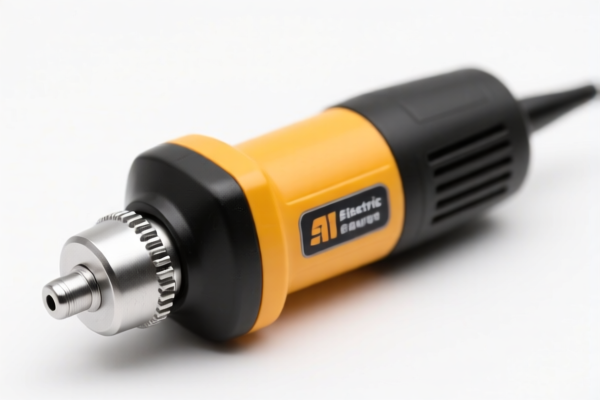
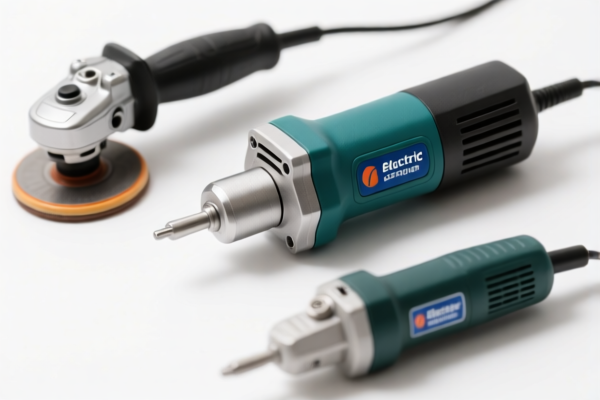
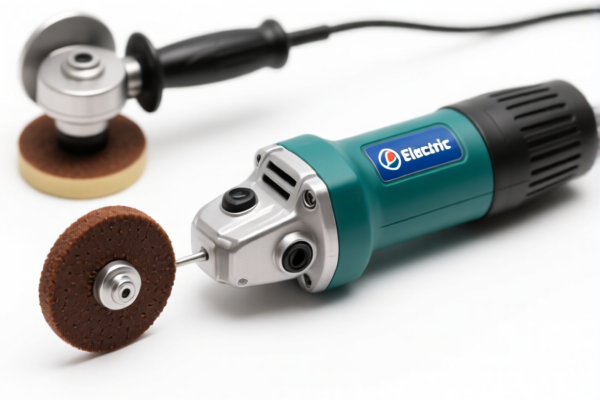
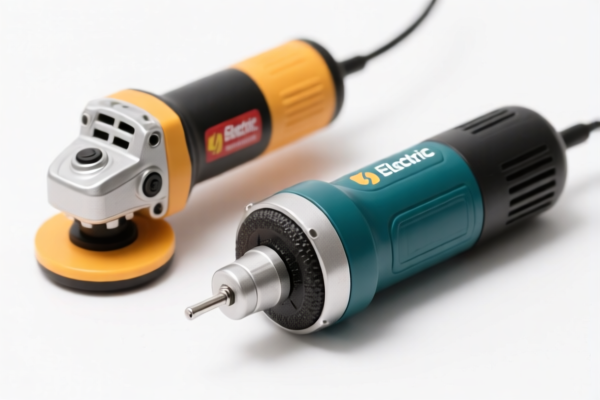
A Mini Electric Grinder is a versatile handheld power tool used for grinding, polishing, deburring, or cutting materials (such as metal, stone, or wood). In international trade, classification depends heavily on whether the device is considered a "handheld tool" or a "machine with specific functions."
⚠️ Key Classification Distinction:
- If the device is primarily a handheld, motor-driven tool for grinding/shaping → It falls under Chapter 84 (Section 84.67).
- If the device is a small household appliance with specific electric motor integration not primarily for industrial grinding → It might fall under Chapter 85 (Small household appliances).
- If the device has a specific, independent mechanical function beyond standard tooling → It may fall under Chapter 84 (Other machines).
📦 II. HS Code Classification Details (2026 Latest Tariff Alignment)
Based on the provided data, here are the four potential HS Codes for Mini Electric Grinders, with detailed explanations for each.
| HS Code | Product Description | Classification Logic | Tax Rate |
|---|---|---|---|
8467.29.00.35 |
Handheld Motor-Driven Grinding/Polishing Tools | Primary Recommendation. This code specifically covers "other tools for working in the hand with self-contained electric motor," including grinders. It is the most direct classification for a standard handheld electric grinder. | 17.5% |
8509.80.50.95 |
Small Motor-Driven Household Appliances | Alternative (If Household Use). If the grinder is marketed specifically as a small household appliance (e.g., for cosmetic nail grinding, small craft work at home) and fits the definition of "small electric appliances," it may be classified here. | 14.2% |
8479.82.00.80 |
Machines with Grinding/Polishing Functions | Industrial/Specific Function. If the device is a more complex machine with specific grinding functions that don't fit standard handheld tool definitions, or if it's part of a larger automated system component. | 35.0% |
8479.89.65.00 |
Other Machines with Self-Contained Motors | General Purpose Machine. If the device doesn't fit the specific "handheld tool" or "household appliance" categories, it may be classified as a "machine with self-contained motor" for other unspecified purposes. | 20.3% |
🔍 Critical Note:
-8467.29.00.35is the most common and likely correct classification for a standard "Mini Electric Grinder" sold as a power tool.
- Misclassifying a power tool as a "household appliance" (8509) or a "general machine" (8479) can lead to severe penalties or additional duties.
💰 III. 2026 Tariff Rate Breakdown (Detailed Tax Clauses)
✅ Applicable Country: USA (US)
✅ Origin: China (CN)
✅ Effective Date: 2025-11-10 (and subsequent imports)
🎯 1. 8467.29.00.35 —— Handheld Motor-Driven Grinding/Polishing Tools
(Recommended Classification)
| Item | Detail |
|---|---|
| Base Tariff | 0.0% |
| Section 301 Surcharge | +7.5% (Additional Duty) |
| Section 122 Duty | +10% (Specific Duty for certain Chinese imports) |
| Total Rate | 17.5% |
| Tax Calculation | CIF Value × 17.5% |
| De Minimis Eligibility | ❌ No (Subject to Section 301 and 122 duties) |
| Legal Path | USITC:8467.29.00.35 → Section 301: 7.5% → Section 122: 10% |
📌 Explanation:
- This is the most balanced option for a true power tool.
- The Section 301 rate is lower than other machine categories, but the Section 122 duty still applies.
- Total 17.5% is significantly lower than the 35.0% rate for other machines.
🎯 2. 8509.80.50.95 —— Small Motor-Driven Household Appliances
(Household Use Scenario)
| Item | Detail |
|---|---|
| Base Tariff | 4.2% |
| Section 301 Surcharge | 0.0% |
| Section 122 Duty | +10% |
| Total Rate | 14.2% |
| Tax Calculation | CIF Value × 14.2% |
| De Minimis Eligibility | ❌ No (Subject to Section 122 duty) |
| Legal Path | USITC:8509.80.50.95 → Section 122: 10% |
📌 Explanation:
- This is the lowest total tax (14.2%).
- Risk: You must prove the product is a household appliance (e.g., for cosmetic use, small crafts at home) and not an industrial power tool. If customs determines it's a power tool, they will reclassify to8467.29.00.35or8479categories, leading to back taxes and penalties.
🎯 3. 8479.82.00.80 —— Machines with Grinding/Polishing Functions
(High-Risk, High-Tax Scenario)
| Item | Detail |
|---|---|
| Base Tariff | 0.0% |
| Section 301 Surcharge | +25.0% |
| Section 122 Duty | +10% |
| Total Rate | 35.0% |
| Tax Calculation | CIF Value × 35.0% |
| De Minimis Eligibility | ❌ No |
| Legal Path | USITC:8479.82.00.80 → Section 301: 25% → Section 122: 10% |
📌 Explanation:
- Highest tax rate (35.0%).
- This code is for machines with specific grinding functions that are not simple handheld tools. Misclassifying a simple grinder here is rare and usually only if the device has complex, non-standard functions.
🎯 4. 8479.89.65.00 —— Other Machines with Self-Contained Motors
(General Machine Scenario)
| Item | Detail |
|---|---|
| Base Tariff | 2.8% |
| Section 301 Surcharge | +7.5% |
| Section 122 Duty | +10% |
| Total Rate | 20.3% |
| Tax Calculation | CIF Value × 20.3% |
| De Minimis Eligibility | ❌ No |
| Legal Path | USITC:8479.89.65.00 → Section 301: 7.5% → Section 122: 10% |
📌 Explanation:
- A fallback category for machines with self-contained motors that don't fit other specific categories.
- Tax rate is 20.3%, higher than the recommended8467.29.00.35(17.5%).
🛠️ IV. Customs Clearance Practical Advice (Pitfall Avoidance)
✅ 1. Documentation Checklist
| Document | Required | Notes |
|---|---|---|
| ✅ Product Specification Sheet | ✔️ | Must clearly state: "Handheld Electric Grinder," Motor Power (W), RPM, Intended Use (Industrial/Household). |
| ✅ Product Photos | ✔️ | Show the tool with/without packaging. Include close-ups of the motor and grinding disc. |
| ✅ Commercial Invoice | ✔️ | Description must match HS Code. Example: "Electric Handheld Grinder, Model XYZ, 500W." |
| ✅ Certificate of Origin | ✔️ | Required for Section 122 duty assessment. |
| ✅ User Manual | ✔️ | Helps prove intended use (e.g., "For household nail polishing" vs. "For industrial metal grinding"). |
✅ 2. Declaration Tips (Key Strategies)
🔥 "Right Code, Right Use, Right Paperwork!"
| Scenario | Correct HS Code | Reason |
|---|---|---|
| Standard Handheld Grinder (Metal/Stone) | 8467.29.00.35 |
Fits "Handheld Motor-Driven Tool" definition. |
| Nail/Cosmetic Grinder (Household) | 8509.80.50.95 |
Fits "Small Household Appliance" definition. |
| Complex Grinding Machine (Automated) | 8479.82.00.80 |
Fits "Machine with Specific Grinding Function." |
| General Motorized Device | 8479.89.65.00 |
Fallback for other motorized machines. |
⚠️ Warning:
- Do not declare a power tool as a "Household Appliance" (8509) if it has industrial-grade power (e.g., >500W) or is marketed to professionals. Customs may challenge this, leading to a reclassification to8467or8479and additional duties.
✅ 3. Special Cases
| Case | Advice |
|---|---|
| OEM Custom Grinders | Provide design specs and client contracts to prove intended use. |
| Combined Tool (Grinder + Sander) | Declare as the primary function (Grinder) if grinding is dominant. |
| Accessories (Discs, Pads) | Declare separately if shipped separately. Use appropriate HS Codes for abrasives (e.g., 6804). |
| Bundles (Tool + Case + Accessories) | Declare the tool as the primary item. Accessories may be bundled or declared separately depending on value. |
🌍 V. Global Customs Comparison (2026)
| Country/Region | Recommended HS Code | Tariff (China Origin) | Notes |
|---|---|---|---|
| 🇺🇸 USA | 8467.29.00.35 |
17.5% | Includes Section 301 (7.5%) + Section 122 (10%). |
| 🇺🇸 USA (Household) | 8509.80.50.95 |
14.2% | Only if proven for household use. |
| 🇪🇺 EU | 8467.21 (approx.) |
0-4% | No Section 122. VAT applies. |
| 🇨🇳 China | 8467.29 |
0% | Import duty is 0%, but VAT (13%) applies. |
| 🇬🇧 UK | 8467.21 |
0% | Post-Brexit tariffs may vary. Check current UK Tariff. |
📌 Conclusion:
- USA is the most challenging market due to Section 301 and Section 122 duties.
- Section 122 Duty (10%) is critical for all Chinese-origin goods in these categories.
- Accurate HS Code selection can save you up to 20.8% in taxes (17.5% vs 35.0%).
📌 VI. Common Mistakes & Pitfalls
❌ Mistake 1: Classifying all grinders under 8479.82.00.80 (35.0%).
👉 Result: Overpaying taxes by 17.5%.
👉 Fix: Use 8467.29.00.35 (17.5%) for handheld tools.
❌ Mistake 2: Declaring industrial grinders as 8509.80.50.95 (14.2%).
👉 Result: Customs reclassification + penalties.
👉 Fix: Provide evidence of household use if claiming 8509.
❌ Mistake 3: Ignoring Section 122 Duty.
👉 Result: Unexpected 10% duty at customs.
👉 Fix: Always include Section 122 in cost calculations for Chinese-origin goods.
🎯 VII. Conclusion: Optimize Costs, Ensure Compliance
🎯 Key Takeaways:
1. Primary Choice: 8467.29.00.35 (17.5%) for standard handheld grinders.
2. Lowest Tax Option: 8509.80.50.95 (14.2%) only if it's a true household appliance.
3. Avoid: 8479.82.00.80 (35.0%) unless it's a complex machine.
4. Always Account For: Section 301 (7.5% or 25%) + Section 122 (10%).
📌 Pro Tip:
If your product is on the fence between "Tool" and "Household Appliance," consult a customs broker or apply for a binding tariff information (BTI) ruling to avoid future disputes.
📣 Immediate Action:
📞 Contact a Licensed Customs Broker to verify your product’s specific features.
📄 Prepare Detailed Product Specifications to support your HS Code claim.
💰 Factor in 17.5% Duty (or 14.2% if household) into your pricing strategy.
✨ Accurate Classification = Lower Costs + Faster Clearance!
💼 Don’t Let Misclassification Cost You Profit!
Customer Reviews
About HS Code Classification
The Harmonized System (HS) is an internationally standardized nomenclature developed by the World Customs Organization (WCO) to classify traded products. Over 200 countries use the HS system as the basis for customs tariffs, trade statistics, and import/export regulations.
Each HS code follows a hierarchical structure:
- Chapter (2 digits) — Broad category of goods (e.g., Chapter 84: Machinery and Mechanical Appliances)
- Heading (4 digits) — More specific grouping within the chapter
- Subheading (6 digits) — Internationally standardized breakdown, used by all WCO member countries
- National subdivisions (8-10 digits) — Country-specific extensions for further classification, such as US HTSUS 10-digit codes
Correct HS code classification is essential for smooth customs clearance, accurate duty payment, and compliance with trade regulations. Misclassification can lead to customs delays, overpayment of duties, or penalties.
When importing from CN to US, the applicable tariff rates may include:
- Most-Favored-Nation (MFN) rate — The standard duty rate applied to WTO members
- General rate — Applied to countries without trade agreements
- Trade remedy duties — Additional tariffs such as Section 301 (anti-dumping), Section 232 (national security), or countervailing duties
The information provided on this page is for reference purposes only. For official classification, please consult with your local customs authority or a licensed customs broker.