Mini Measuring Spoon
CN → US| HS Code | Tariff Rate | Origin | Destination | Doc |
|---|---|---|---|---|
| 8215993500 | 24.3% | CN | US | Official Doc |
| 3924104000 | 13.4% | CN | US | Official Doc |
| 3924102000 | 24.0% | CN | US | Official Doc |
| 8215993000 | 24.0% | CN | US | Official Doc |
Product Images

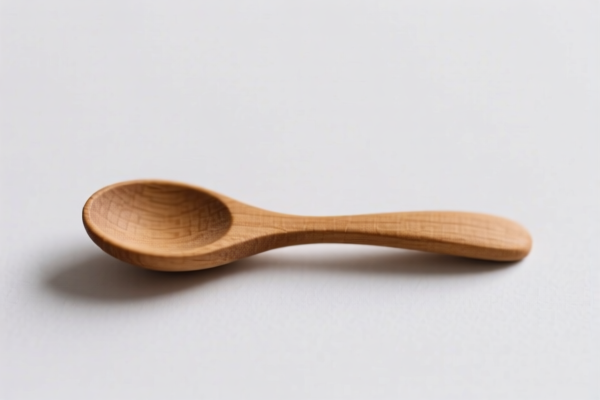
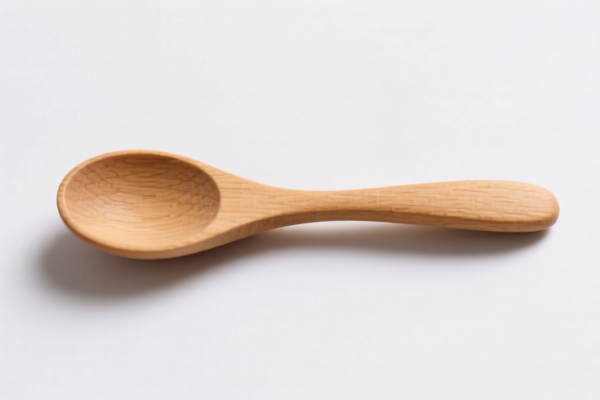
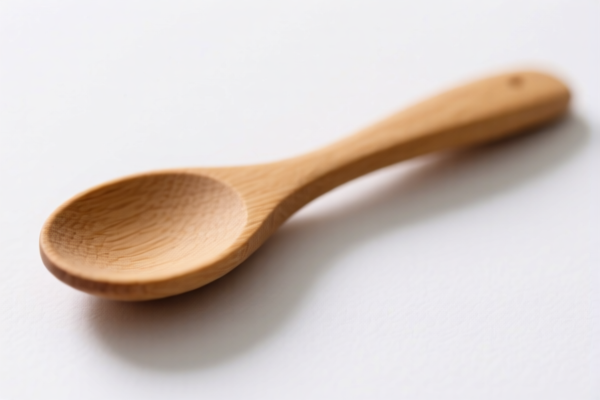
AI Analysis
🥄 Mini Measuring Spoon (Precision Kitchen Tools)
🌐 HS Code Reference & Customs Clearance Guide | 2026 Latest Tariff Analysis | Professional Clearance Strategy
📌 I. Product Definition & Classification: Do You Truly Understand "Mini Measuring Spoons"?
Mini measuring spoons are essential kitchen tools used for precise portioning of ingredients in cooking, baking, and pharmaceutical preparation. In international trade, they are classified based on material and form, leading to significantly different tariff structures.
The core distinction lies in the material composition: * Metal/Stainless Steel Spoons: Classified under Chapter 82 (Tools, implements, cutlery, spoons and forks, of base metal). * Plastic/Resin Spoons: Classified under Chapter 39 (Articles of plastics and articles of other materials of Chapter 39).
⚠️ Key Distinction Point:
- If the item is made of Stainless Steel, Silver, or other Base Metals →归类 to 8215.99.30.00 or 8215.99.35.00.
- If the item is made of Plastic, Resin, or similar synthetic materials →归类 to 3924.10.20.00 or 3924.10.40.00.
📦 II. HS Code Classification Details (2026 Latest Tariff Authority Comparison)
| HS Code | Product Description | Material Inference | Total Tax Rate (China Origin → US) |
|---|---|---|---|
8215.99.35.00 |
Spoons/Forks, other (Metal/Stainless Steel), Matched Use & Form | Stainless Steel / Metal | 24.3% |
3924.10.40.00 |
Tableware/Kitchenware (Plastic), Consistent Use | Plastic / Resin | 13.4% |
3924.10.20.00 |
Kitchenware, Plastic (Plastic Kitchenware Category) | Plastic | 24.0% |
8215.99.30.00 |
Spoons, Shape Matches Need (Stainless Steel) | Stainless Steel | 24.0% |
🔍 Key Reminder:
- Metal vs. Plastic is the primary driver for tax differences.
- While plastic seems cheaper to produce, the tariff structure varies significantly by sub-heading (e.g.,3924.10.40.00is significantly lower than3924.10.20.00).
- Metal spoons consistently attract higher base tariffs (6.8%-14.0%) compared to some plastic alternatives.
💰 III. 2026 Latest Tariff Rate Detailed Breakdown (Including Surcharge & Policy Add-ons)
✅ Applicable Country: United States (US)
✅ Origin: China (CN)
✅ Effective Date: From November 10, 2025 (including subsequent imports)
🎯 1. 8215.99.35.00 —— Metal/Stainless Steel Measuring Spoons (Matched Use)
| Item | Content |
|---|---|
| Base Tariff | 6.8% (Ad Valorem) |
| Section 301 Surcharge | +7.5% |
| Section 122 Surcharge | +10% |
| Total Tax Rate | 24.3% |
| Tax Calculation | CIF Value × 24.3% |
| De Minimis Eligibility | ❌ No (High risk of scrutiny) |
| Legal Basis Path | Base Tariff → Section 301: 7.5% → Section 122: 10% |
📌 Explanation:
- The 7.5% Section 301 is the standard reciprocal tariff on many Chinese manufactured goods.
- The 10% Section 122 is a specific surcharge on certain imported goods (often linked to supply chain security or strategic sectors).
- Total 24.3% makes metal kitchenware a high-cost item for import.
🎯 2. 3924.10.40.00 —— Plastic Tableware/Kitchenware (Best Rate Option)
| Item | Content |
|---|---|
| Base Tariff | 3.4% (Ad Valorem) |
| Section 301 Surcharge | 0.0% |
| Section 122 Surcharge | +10% |
| Total Tax Rate | 13.4% |
| Tax Calculation | CIF Value × 13.4% |
| De Minimis Eligibility | ❌ No (Must be formally declared) |
| Legal Basis Path | Base Tariff → Section 122: 10% |
📌 Note:
- This is the most tax-efficient option among the provided codes.
- Zero Section 301 is the key advantage here.
- Even with the 10% Section 122, the total remains under 14%, significantly lower than metal alternatives.
- Ensure the product is clearly defined as "Plastic Tableware" to qualify for this sub-heading.
🎯 3. 3924.10.20.00 —— Plastic Kitchenware (Alternative Plastic Option)
| Item | Content |
|---|---|
| Base Tariff | 6.5% (Ad Valorem) |
| Section 301 Surcharge | +7.5% |
| Section 122 Surcharge | +10% |
| Total Tax Rate | 24.0% |
| Tax Calculation | CIF Value × 24.0% |
| De Minimis Eligibility | ❌ No |
| Legal Basis Path | Base Tariff → Section 301: 7.5% → Section 122: 10% |
📌 Warning:
- Despite being plastic, this code incurs the full 7.5% Section 301 surcharge.
- The total rate (24.0%) is nearly identical to metal spoons.
- Misclassification here can lead to unexpected high costs. Always verify the specific sub-heading description for "Kitchenware" vs. "Tableware".
🎯 4. 8215.99.30.00 —— Stainless Steel Spoons (Shape-Matched)
| Item | Content |
|---|---|
| Base Tariff | 14.0% (Ad Valorem) |
| Section 301 Surcharge | 0.0% |
| Section 122 Surcharge | +10% |
| Total Tax Rate | 24.0% |
| Tax Calculation | CIF Value × 24.0% |
| De Minimis Eligibility | ❌ No |
| Legal Basis Path | Base Tariff → Section 122: 10% |
📌 Note:
- High base tariff (14.0%) but Zero Section 301.
- Total rate is 24.0%.
- Useful if the product is strictly defined as "Spoons" by shape rather than "Tableware" by use.
🛠️ IV. Customs Clearance Practical Advice (Battle-Tested Pitfall Avoidance)
✅ 1. Preparation Checklist (All Required)
| Material | Mandatory? | Description |
|---|---|---|
| ✅ Product Specs | ✔️ | Material (Plastic/Stainless Steel), Dimensions, Set Composition |
| ✅ Product Photos | ✔️ | Clear images showing material texture (glossy/metallic), markings |
| ✅ Commercial Invoice | ✔️ | Must specify "Measuring Spoons" and Material explicitly |
| ✅ Packing List | ✔️ | Detail individual weights, set contents |
| ✅ Material Declaration | ✔️ | Certify plastic type (e.g., PP, PE) or Steel grade (e.g., 304 Stainless) |
| ✅ Third-Party Test Report | ✔️ | FDA Compliance (Food Contact Safe), BPA-Free for plastics |
✅ 2. Declaration Tips (Key Mantras)
🔥 "Material Defines Code, Description Defines Truth!"
| Scenario | Correct Declaration | Wrong Practice |
|---|---|---|
| Plastic Set | Use 3924.10.40.00 if classified as "Tableware". Highlight "Plastic" in description. |
Call it "Metal Spoons" by mistake → 24.3% + Potential Fraud |
| Metal Set | Use 8215.99.35.00. Specify "Stainless Steel". |
Call it "Plastic" → Customs Audit & Penalty |
| Mixed Materials | If handle is plastic, head is metal → Usually classified by Principal Character (Head). | Try to split declaration → Customs Rejects & Re-classifies |
| Generic Name | "Mini Measuring Spoon Set" | Vague terms like "Kitchen Tools" → Delay in Clearance |
✅ 3. Special Case Handling
| Situation | Handling Advice |
|---|---|
| OEM Custom Sets | Provide design drawings showing material breakdown. Avoid ambiguous terms. |
| Food Contact Safety | For plastics: Must provide FDA 21 CFR compliance. For metals: LFGB or equivalent. Without this, goods may be detained. |
| Set vs. Individual | If sold as a set (e.g., 4 spoons in one pack), declare as a Single Unit with the HS Code of the principal component. Do not split into 4 different codes. |
| Plastic Type Variation | Ensure the plastic type matches the HS description. Some specialized resins may fall under different sub-headings. |
🌍 V. Global Market Clearance Comparison (2026 Latest)
| Country/Region | Recommended HS Code | Tariff (China Origin) | Certification Required | Notes |
|---|---|---|---|---|
| 🇺🇸 USA | 3924.10.40.00 (Plastic)8215.99.35.00 (Metal) |
13.4% (Plastic) 24.3% (Metal) |
FDA (Plastic) No special cert (Metal) |
Plastic is significantly cheaper due to 0% Section 301. |
| 🇨🇳 China | 3924.10.40.008215.99.35.00 |
5-8% | CCC (if applicable) | Standard export duties apply. |
| 🇪🇺 EU | 3924.10.40.008215.99.35.00 |
0-4.2% | CE + LFGB (Food Contact) | No Section 301/122 equivalents. |
| 🇬🇧 UK | 3924.10.40.008215.99.35.00 |
0-6.5% | UKCA + Food Safety | Post-Brexit rules apply. |
| 🇦🇺 Australia | 3924.10.40.008215.99.35.00 |
5% | ACCC Compliance | Standard FTA rates may apply. |
📌 Conclusion:
- For the US Market, choosing Plastic Tableware (3924.10.40.00) saves you ~11% in taxes compared to metal or other plastic codes.
- Metal spoons are hit hard by both Base Tariffs and Section 122.
- Certification is non-negotiable: FDA/BPA-Free for plastics; Food-Grade Steel for metal.
📌 VI. Common Mistakes & Pitfall Guide (Lessons Learned)
❌ Mistake 1: Declaring Plastic Spoons as "Metal" to avoid plastic restrictions
👉 Consequence: Customs inspection reveals material mismatch → Seizure, Fine, and Re-export Costs!
❌ Mistake 2: Using 3924.10.20.00 for general plastic kitchenware
👉 Consequence: You pay 24.0% instead of 13.4%. You lost 10.6% profit margin unnecessarily.
❌ Mistake 3: Ignoring FDA Compliance for Plastic Spoons
👉 Consequence: Goods held at port for FDA refusal (BPA detection or lack of test report). Delays of 2-4 weeks.
❌ Mistake 4: Vague Description: "Kitchen Gift Set"
👉 Consequence: Customs officer assigns highest possible duty code or flags for audit. Clear description is key.
✅ Correct Approach:
"Plastic Measuring Spoon Set, 5-Piece, BPA-Free, FDA Compliant, for Kitchen Baking Use. HS: 3924.10.40.00"
🎯 VII. Conclusion: Professional Declaration, Save Time, Cut Costs!
🎯 Remember the Mantra:
🔹 "Plastic Tableware: 13.4% is the Sweet Spot!"
🔹 "Metal Means 24%+, Plan Your Margin Accordingly!"
🔹 "FDA & BPA-Free Reports are Your Passport to the US!"
📌 Pro Tip:
If your plastic spoons are made in Vietnam or Malaysia, you may qualify for preferential tariffs under USMCA or ASEAN FTAs, potentially reducing the Section 301 impact.
Recommendation: Apply for an Advance Ruling if your product sits on the boundary between "Kitchenware" and "Tableware" to lock in the 13.4% rate.
📣 Immediate Action:
📞 Contact a licensed customs broker + Provide FDA Test Reports + Apply for HS Code Advance Ruling for plastic tableware.
🚀 Ensure your mini measuring spoons clear customs smoothly, maximize profit, and satisfy customers!
✨ Professional Clearance Starts with Accurate Classification!
💼 Every Cent of Tax Saved is Pure Profit!
Customer Reviews
About HS Code Classification
The Harmonized System (HS) is an internationally standardized nomenclature developed by the World Customs Organization (WCO) to classify traded products. Over 200 countries use the HS system as the basis for customs tariffs, trade statistics, and import/export regulations.
Each HS code follows a hierarchical structure:
- Chapter (2 digits) — Broad category of goods (e.g., Chapter 84: Machinery and Mechanical Appliances)
- Heading (4 digits) — More specific grouping within the chapter
- Subheading (6 digits) — Internationally standardized breakdown, used by all WCO member countries
- National subdivisions (8-10 digits) — Country-specific extensions for further classification, such as US HTSUS 10-digit codes
Correct HS code classification is essential for smooth customs clearance, accurate duty payment, and compliance with trade regulations. Misclassification can lead to customs delays, overpayment of duties, or penalties.
When importing from CN to US, the applicable tariff rates may include:
- Most-Favored-Nation (MFN) rate — The standard duty rate applied to WTO members
- General rate — Applied to countries without trade agreements
- Trade remedy duties — Additional tariffs such as Section 301 (anti-dumping), Section 232 (national security), or countervailing duties
The information provided on this page is for reference purposes only. For official classification, please consult with your local customs authority or a licensed customs broker.