Mini Measuring Spoons
CN → US| HS Code | Tariff Rate | Origin | Destination | Doc |
|---|---|---|---|---|
| 8215993500 | 24.3% | CN | US | Official Doc |
| 3924104000 | 13.4% | CN | US | Official Doc |
| 3924102000 | 24.0% | CN | US | Official Doc |
| 8215993000 | 24.0% | CN | US | Official Doc |
Product Images
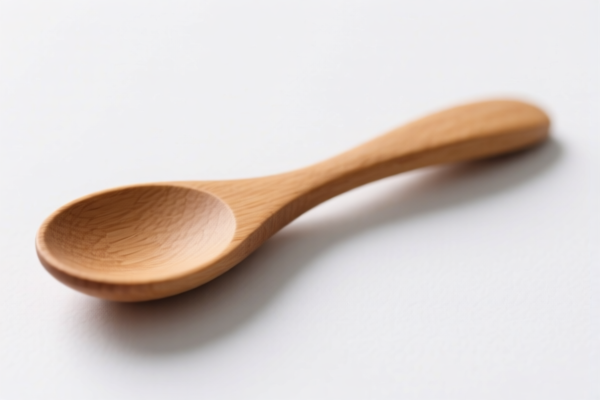
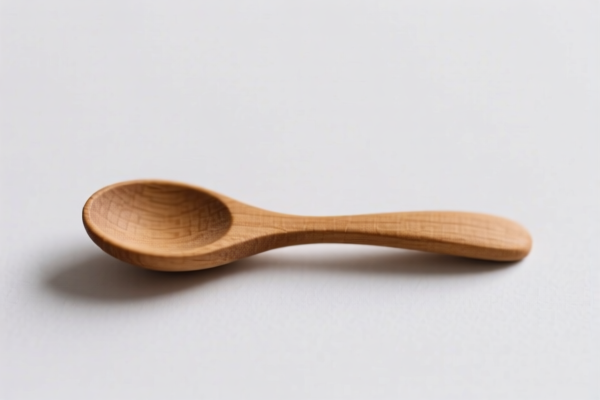
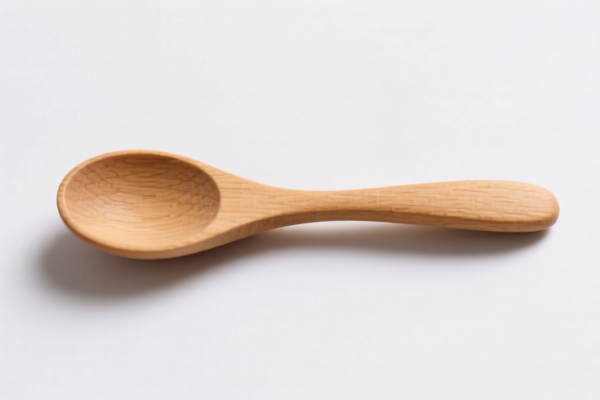
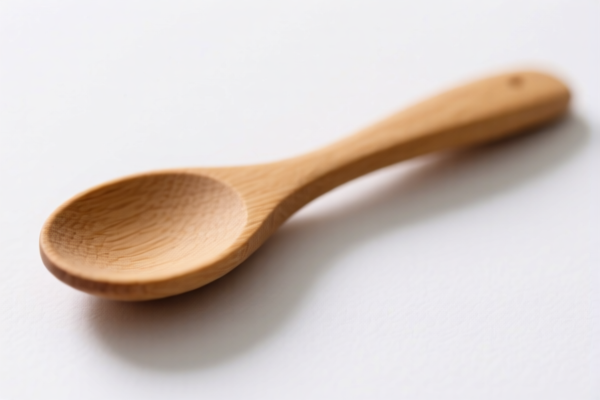
AI Analysis
🥄 Mini Measuring Spoons (Kitchen Utensils)
🌐 HS Code Reference & Customs Clearance Guide | 2026 Latest Tariff Analysis | Professional Clearance Strategy
📌 I. Product Definition & Classification: Do You Really Understand "Mini Measuring Spoons"?
Mini measuring spoons are essential kitchen tools used for precise ingredient measurement in cooking and baking. In international trade, their classification depends heavily on material composition and functional form. Based on common sense and trade practices, these items are typically made of either metal (stainless steel) or plastic.
⚠️ Key Distinction Point:
- If the material is inferred as metal/stainless steel → Classified under Chapter 82 (Cutlery);
- If the material is inferred as plastic → Classified under Chapter 39 (Plastics Articles).
📦 II. HS Code Classification Details (2026 Latest Tariff Authority Comparison)
| HS Code | Product Description | Application Scenario | Material Assumption |
|---|---|---|---|
8215.99.35.00 |
Other spoons/spatulas (Metal/Stainless Steel) | High-end kitchenware, durable metal sets | ✅ Metal |
3924.10.40.00 |
Other Tableware/Kitchenware (Plastic) | General household plastic spoons | ✅ Plastic |
3924.10.20.00 |
Plastic Tableware/Kitchenware | Specific plastic kitchen utensils | ✅ Plastic |
8215.99.30.00 |
Other Spoons (Metal/Stainless Steel) | Standard metal measuring spoons | ✅ Metal |
🔍 Key Reminder:
- The classification is driven by material. Even if the name is "Measuring Spoon," the HS Code shifts significantly between Chapter 82 (Metal) and Chapter 39 (Plastic). - No material conflict exists for either assumption, as both materials are commonly used for this product.
💰 III. 2026 Latest Tariff Rate Details (Including Additional Taxes & Policy Surcharges)
✅ Applicable Country: United States (US)
✅ Country of Origin: China (CN)
✅ Effective Date: 2025/2026 (Current Trade Policy)
🎯 1. 8215.99.35.00 —— Measuring Spoons (Metal/Stainless Steel)
| Item | Details |
|---|---|
| Basic Tariff | 6.8% |
| Section 301 Tariff | +7.5% |
| Section 122 Tariff | +10.0% |
| Total Tariff | 24.3% |
| Tax Calculation | CIF Value × 24.3% |
| De Minimis Exemption | ❌ Not Eligible (Subject to high surcharges) |
| Legal Basis Path | Basic: 6.8% → Sec 301: 7.5% → Sec 122: 10% |
📌 Explanation:
- Metal cutlery faces a cumulative burden of basic, 301, and 122 tariffs. - 24.3% is a significant cost factor for metal kitchenware imports from China.
🎯 2. 3924.10.40.00 —— Measuring Spoons (Plastic - General)
| Item | Details |
|---|---|
| Basic Tariff | 3.4% |
| Section 301 Tariff | 0.0% |
| Section 122 Tariff | +10.0% |
| Total Tariff | 13.4% |
| Tax Calculation | CIF Value × 13.4% |
| De Minimis Exemption | ❌ Not Eligible (Due to Section 122) |
| Legal Basis Path | Basic: 3.4% → Sec 301: 0% → Sec 122: 10% |
📌 Note:
- Plastic tableware benefits from a lower basic tariff and no Section 301 tariff. - However, the Section 122 10% surcharge still applies, bringing the total to 13.4%.
🎯 3. 3924.10.20.00 —— Measuring Spoons (Plastic - Specific)
| Item | Details |
|---|---|
| Basic Tariff | 6.5% |
| Section 301 Tariff | +7.5% |
| Section 122 Tariff | +10.0% |
| Total Tariff | 24.0% |
| Tax Calculation | CIF Value × 24.0% |
| De Minimis Exemption | ❌ Not Eligible |
| Legal Basis Path | Basic: 6.5% → Sec 301: 7.5% → Sec 122: 10% |
📌 Note:
- This sub-heading for plastic utensils carries a higher basic tariff (6.5%) and includes the Section 301 7.5% surcharge. - Total tariff is 24.0%, nearly identical to the metal option.
🎯 4. 8215.99.30.00 —— Measuring Spoons (Metal - Standard)
| Item | Details |
|---|---|
| Basic Tariff | 14.0% |
| Section 301 Tariff | 0.0% |
| Section 122 Tariff | +10.0% |
| Total Tariff | 24.0% |
| Tax Calculation | CIF Value × 24.0% |
| De Minimis Exemption | ❌ Not Eligible |
| Legal Basis Path | Basic: 14.0% → Sec 301: 0% → Sec 122: 10% |
📌 Note:
- This metal classification has a high basic tariff (14.0%) but no Section 301 surcharge. - The Section 122 10% surcharge brings the total to 24.0%.
🛠️ IV. Customs Clearance Practical Advice (实战避坑指南)
✅ 1. Document Preparation Checklist (Essential Items)
| Document | Required | Description |
|---|---|---|
| ✅ Product Specifications | ✔️ | Must specify material (Metal vs. Plastic) clearly |
| ✅ Material Declaration | ✔️ | Crucial for correct HS Code selection (Chapter 82 vs. 39) |
| ✅ Product Photos | ✔️ | Clear images of the spoons, showing shape and material finish |
| ✅ Commercial Invoice | ✔️ | Must accurately describe "Mini Measuring Spoons" and material |
| ✅ Packing List | ✔️ | Detail weights and quantities |
✅ 2. Declaration Strategy (Key Tips)
🔥 “Know Your Material, Choose Your Chapter, Avoid Tariff Traps!”
| Scenario | Correct Declaration | Incorrect Practice |
|---|---|---|
| Plastic Spoons | 3924.10.40.00 (Best Option: 13.4%) |
Misdeclare as Metal → 24%+ Tax |
| Plastic Spoons (Specific) | 3924.10.20.00 (24.0%) |
Not applicable if general plastic fits better |
| Metal Spoons | 8215.99.30.00 or 8215.99.35.00 (Both ~24%) |
Misdeclare as Plastic → Risk of penalty for misclassification |
| Mixed Material Sets | Declare by dominant material or separate lines | Combine into one vague line → Customs rejection |
✅ 3. Special Situation Handling
| Situation | Handling Advice |
|---|---|
| Plastic vs. Metal Uncertainty | Provide material test reports or detailed specs to Customs |
| Mixed Packaging (Plastic + Metal) | Declare separately with distinct HS Codes |
| OEM Custom Designs | Provide design drawings to justify shape/function |
| High-Value Metal Sets | Consider 8215.99.30.00 if Section 301 exemption strategies are viable |
🌍 V. Global Main Market Clearance Comparison (2026 Latest)
| Country/Region | Recommended HS Code | Tariff (China Origin) | Certification Requirements | Notes |
|---|---|---|---|---|
| 🇺🇸 USA | 3924.10.40.00 (Plastic) |
13.4% | FDA (if food contact) | Best for Plastic |
| 🇺🇸 USA | 8215.99.35.00 (Metal) |
24.3% | FDA / General | High for Metal |
| 🇨🇳 China | 3924.10.40.00 |
10-14% | None | Export Market |
| 🇪🇺 EU | 3924.10.40.00 |
3-6% | LFGB / FDA | Low Tariff in EU |
📌 Conclusion:
- Plastic Measuring Spoons (3924.10.40.00) offer the lowest tariff rate (13.4%) in the US due to no Section 301 surcharge. - Metal Spoons face higher tariffs (~24%) due to Section 122 and either Basic or Section 301 taxes. - Material declaration is critical to avoid overpayment or customs penalties.
📌 VI. Common Mistakes & Pitfalls (Lessons Learned)
❌ Mistake 1: Declaring "Measuring Spoons" without specifying material
👉 Consequence: Customs may assign the higher default rate or request additional documentation → Delay
❌ Mistake 2: Assuming all plastic items are tariff-free
👉 Consequence: Section 122 10% surcharge applies → Unexpected 13.4% Total
❌ Mistake 3: Misclassifying Metal as Plastic to save tax
👉 Consequence: Customs audit → Penalties + Back Taxes + Potential Seizure
❌ Mistake 4: Ignoring Section 122 Tariff
👉 Consequence: Underpayment of 10% surcharge → Audit Risk
✅ Correct Approach:
"Plastic Mini Measuring Spoons, Food Grade, Set of 5, Model XYZ, Intended for Kitchen Use"
(Ensure HS Code3924.10.40.00is selected for optimal 13.4% rate)
🎯 VII. Conclusion: Professional Declaration Saves Money!
🎯 Remember:
🔹 "Plastic Wins on Tax (13.4%), Metal Costs More (24.0%+)."
🔹 "Section 122 Hits Both, But Section 301 Spares Plastic."
🔹 "Declare Material Clearly, Avoid Customs Headaches!"
📌 Pro Tip:
If your product is plastic, use
3924.10.40.00for the lowest total tariff.
If your product is metal, weigh the cost vs. quality benefits, as tariffs will be higher.
Always verify material specifications before declaring to ensure accurate HS Code selection.
📣 Immediate Action:
📞 Consult with a licensed customs broker + Provide material specs + Confirm HS Code pre-ruling
🚀 Minimize costs, maximize efficiency, ensure smooth customs clearance!
✨ Professional Clearance Starts with Accurate Classification!
💼 Your profit margin depends on precise tax planning!
Customer Reviews
About HS Code Classification
The Harmonized System (HS) is an internationally standardized nomenclature developed by the World Customs Organization (WCO) to classify traded products. Over 200 countries use the HS system as the basis for customs tariffs, trade statistics, and import/export regulations.
Each HS code follows a hierarchical structure:
- Chapter (2 digits) — Broad category of goods (e.g., Chapter 84: Machinery and Mechanical Appliances)
- Heading (4 digits) — More specific grouping within the chapter
- Subheading (6 digits) — Internationally standardized breakdown, used by all WCO member countries
- National subdivisions (8-10 digits) — Country-specific extensions for further classification, such as US HTSUS 10-digit codes
Correct HS code classification is essential for smooth customs clearance, accurate duty payment, and compliance with trade regulations. Misclassification can lead to customs delays, overpayment of duties, or penalties.
When importing from CN to US, the applicable tariff rates may include:
- Most-Favored-Nation (MFN) rate — The standard duty rate applied to WTO members
- General rate — Applied to countries without trade agreements
- Trade remedy duties — Additional tariffs such as Section 301 (anti-dumping), Section 232 (national security), or countervailing duties
The information provided on this page is for reference purposes only. For official classification, please consult with your local customs authority or a licensed customs broker.