Mini Teddy Bear
CN → US| HS Code | Tariff Rate | Origin | Destination | Doc |
|---|---|---|---|---|
| 6913105000 | 17.5% | CN | US | Official Doc |
| 9503000071 | 10.0% | CN | US | Official Doc |
| 9503000073 | 10.0% | CN | US | Official Doc |
| 3926400090 | 15.3% | CN | US | Official Doc |
| 3926400010 | 15.3% | CN | US | Official Doc |
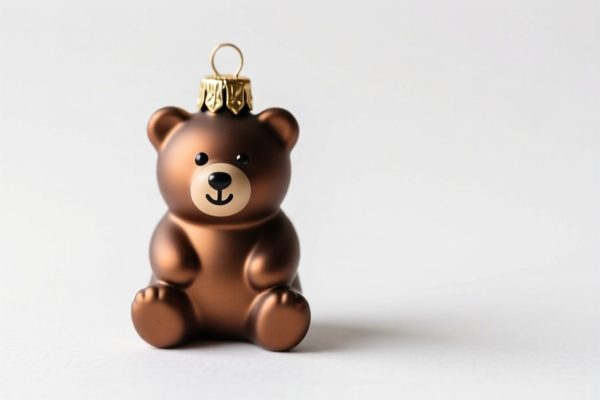
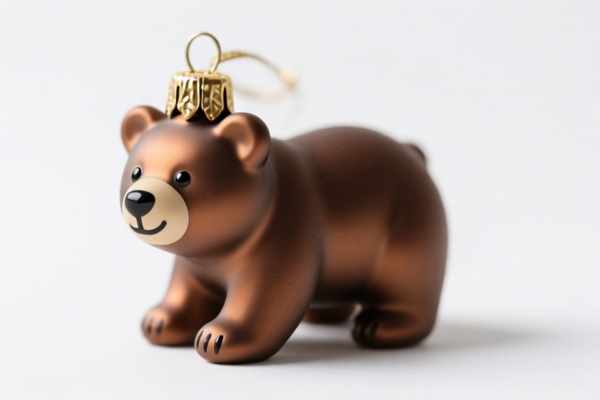
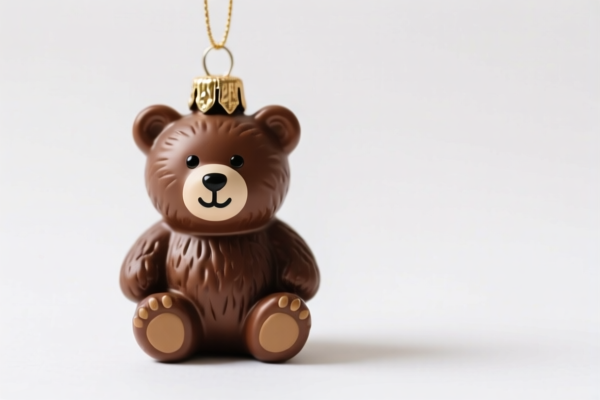
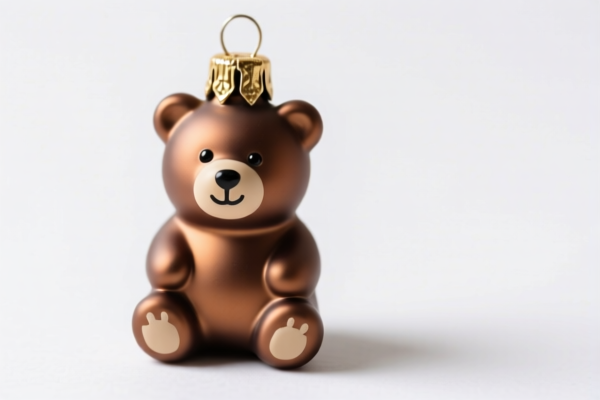
Product Images
AI Analysis
🧸 Mini Teddy Bear (Small Plush Toys & Dolls)
🌐 HS Code Reference & Customs Clearance Guide | 2026 Tariff Breakdown | Pro-Level Entry Strategy
📌 Part 1: Product Definition & Classification: What Exactly is a "Mini Teddy Bear"?
The "Mini Teddy Bear" is a classic soft toy, typically made of plush fabric, synthetic fiber, or plastic components, designed for cuddling, collecting, or decoration. In international trade, its classification depends strictly on material composition and primary function:
- Soft Plush Toys: Made of fabric/filling (e.g., cotton, polyester). These fall under Heading 9503.
- Plastic Dolls/Art Pieces: Made of hard plastic or resin, often decorative. These may fall under Heading 3926.
- Ceramic Figures: Statues made of ceramic, often decorative. These fall under Heading 6913.
⚠️ Critical Distinction:
- If the item is a plush/fabric toy intended for play or as a doll → HS 9503.00.00.71 / 9503.00.00.73
- If the item is plastic and sold as a decorative art piece or doll → HS 3926.40.00.90 / 3926.40.00.10
- If the item is ceramic and purely decorative/statue → HS 6913.10.50.00
📦 Part 2: HS Code Classification Details (2026 Tariff Authority Comparison)
| HS Code | Product Description | Material | Primary Use | Function |
|---|---|---|---|---|
9503.00.00.71 |
Plush toys or models, classified as toys | Plush/Fabric/Filling | Play / Collectible | ✅ Toy (Play value) |
9503.00.00.73 |
Dolls (plush or plastic), compliant with toy material standards | Plush / Plastic | Play / Display | ✅ Toy (Doll category) |
3926.40.00.90 |
Decorative doll or art piece made of plastic | Plastic | Decoration / Art | ✅ Decorative Art |
3926.40.00.10 |
Other decorative doll or art piece (non-specific plastic) | Plastic / Composite | Decoration / Art | ✅ Decorative Art |
6913.10.50.00 |
Ceramic small statues or decorations | Ceramic | Decoration / Ornament | ✅ Decorative Statue |
🔍 Key Reminder:
- Plush/Fabric Mini Bears: Must be declared under 9503 (Toys). Even if "decorative," if the primary purpose is a toy, this code applies.
- Plastic Mini Bears: If intended as a toy, use 9503. If intended strictly as home decor/art, use 3926.
- Ceramic Mini Bears: Strictly 6913 (Statues/Decor). Not considered toys unless explicitly marketed for children's play.
💰 Part 3: 2026 Tariff Rate Breakdown (Including Surtaxes & Policy Add-ons)
✅ Applicable Country: United States (US)
✅ Country of Origin: China (CN)
✅ Effective Date: November 10, 2025 (including subsequent imports)
🎯 1. 9503.00.00.71 & 9503.00.00.73 —— Plush Toys & Dolls (Toy Category)
| Item | Content |
|---|---|
| Base Duty Rate | 0% (ad valorem) |
| Section 232 / Add-on Tariff | 0% |
| Section 122 Tariff (China) | +10% |
| Total Duty Rate | 10.0% |
| Tax Calculation | CIF Value × 10% |
| De Minimis Exemption? | ❌ No (Section 122 applies) |
| Legal Path | Sec 122: 10% on plush toys from China |
📌 Explanation:
- These items are classified as Toys.
- While the base duty is 0%, Section 122 (a specific 2025 China trade measure) imposes a 10% surtax.
- Total Cost Impact: You pay 10% of the CIF value solely in tariffs.
🎯 2. 3926.40.00.90 & 3926.40.00.10 —— Plastic Decorative Dolls/Art
| Item | Content |
|---|---|
| Base Duty Rate | 5.3% (Standard MFN) |
| Section 232 / Add-on Tariff | 0% |
| Section 122 Tariff (China) | +10% |
| Total Duty Rate | 15.3% |
| Tax Calculation | CIF Value × 15.3% |
| De Minimis Exemption? | ❌ No |
| Legal Path | Base: 5.3% + Sec 122: 10% |
📌 Explanation:
- If your "Mini Teddy Bear" is made of plastic and declared as decorative art (not a toy), it incurs a higher base duty (5.3%) PLUS the 10% Section 122 surtax.
- Total Cost Impact: 15.3% of the CIF value.
🎯 3. 6913.10.50.00 —— Ceramic Statues/Decorations
| Item | Content |
|---|---|
| Base Duty Rate | 0.0% (ad valorem) |
| Section 232 / Add-on Tariff | 7.5% (Section 301/Retaliatory) |
| Section 122 Tariff (China) | +10% |
| Total Duty Rate | 17.5% |
| Tax Calculation | CIF Value × 17.5% |
| De Minimis Exemption? | ❌ No |
| Legal Path | Base: 0% + Sec 301: 7.5% + Sec 122: 10% |
📌 Explanation:
- Ceramic items face Section 301 retaliatory tariffs (often applied as 7.5% for ceramics) in addition to the 10% Section 122 surtax.
- Total Cost Impact: 17.5% of the CIF value.
🛠️ Part 4: Customs Clearance Practical Advice (Avoiding Pitfalls)
✅ 1. Preparation Checklist (Mandatory)
| Document | Required? | Details |
|---|---|---|
| ✅ Product Specs | ✔️ | Material composition (e.g., "95% Polyester Plush", "ABS Plastic"), size, weight. |
| ✅ Usage Declaration | ✔️ | Explicitly state: "For Play/Child Use" (9503) OR "Home Decoration/Collectible" (3926/6913). |
| ✅ Material Breakdown | ✔️ | Crucial for distinguishing between 9503 (Toy) and 3926 (Plastic Art). |
| ✅ Product Photos | ✔️ | Show texture, eyes, buttons, and packaging. |
| ✅ Commercial Invoice | ✔️ | Must clearly state HS Code and country of origin. |
| ✅ Origin Cert (CO) | ✔️ | Required to verify China origin for Section 122/301 application. |
✅ 2. Declaration Strategy (Key Mnemonic)
🔥 "Plush = Toy, Plastic = Art (if dec), Ceramic = Statue. Don't Mix!"
| Scenario | Correct Declaration | Risk of Error |
|---|---|---|
| Soft Plush Bear | 9503.00.00.71 (Toy) |
❌ Misdeclare as Plastic → 15.3% (Higher than 10%) |
| Plastic Bear (Toy) | 9503.00.00.73 (Toy) |
❌ Misdeclare as Art → 15.3% (Higher than 10%) |
| Plastic Bear (Decor) | 3926.40.00.90 (Art) |
⚠️ Must prove "Decorative" intent; otherwise 10% Toy rate applies? No, if Toy is misdeclared as Decor, still 15.3% due to base rate. |
| Ceramic Bear | 6913.10.50.00 (Statue) |
❌ Misdeclare as Toy → 17.5% (Ceramic tax is higher) |
📌 Warning:
- Plastic Mini Bears: If you claim it's a "Toy" but it looks like a figurine, Customs may re-classify it as Plastic Art (3926), increasing your tax from 10% to 15.3%.
- Ceramic Mini Bears: Never declare as "Toy" unless it's clearly a child's play item (rare for ceramic). Use 6913.
✅ 3. Special Case Handling
| Situation | Advice |
|---|---|
| OEM Custom Teddy | Provide design sketches showing "play value" to justify 9503. |
| Limited Edition Collectible | If made of plastic/resin, declare as 3926 (Art) to avoid toy regulations, but accept 15.3% tax. |
| Mixed Material | If "Plush + Plastic Accessories," declare based on Primary Material (usually 9503). |
| Small Batch / Low Value | No De Minimis Exemption for China-origin goods under Section 122/301. Expect full tax. |
🌍 Part 5: Global Market Comparison (2026 Snapshot)
| Country/Region | Recommended HS Code | Total Duty (China Origin) | Certifications | Notes |
|---|---|---|---|---|
| 🇺🇸 USA | 9503.00.00.71 |
10.0% (Toy) / 15.3% (Plastic Art) / 17.5% (Ceramic) | CPSIA, ASTM | High scrutiny on material and "Toy" intent. |
| 🇨🇳 China | 9503.00.00.71 |
0% | CCC | Domestic market exempt. |
| 🇪🇺 EU | 9503.00.00.71 |
4.5% (Avg) | CE, EN71 | No Section 122/301, but strict safety tests. |
| 🇬🇧 UK | 9503.00.00.71 |
4.5% | UKCA | Post-Brexit rules apply. |
| 🇯🇵 Japan | 9503.00.00.71 |
0% | PSE | Low tariff, high safety standard. |
📌 Conclusion:
- USA is the most expensive market for Mini Teddy Bears due to Section 122 (10%) and Section 301 surcharges.
- Material matters: Plastic and Ceramic face higher base rates in the US compared to Plush Toys.
📌 Part 6: Common Mistakes & Pitfalls (Lessons Learned)
❌ Mistake 1: Declaring a Plastic Mini Bear as a Toy (9503) when it is actually a Decorative Figurine.
👉 Consequence: If Customs disagrees, they will re-classify as 3926, charging 15.3% instead of 10%. Result: Unexpected 5.3% extra cost.
❌ Mistake 2: Declaring a Ceramic Bear as a Toy.
👉 Consequence: 6913 carries a 17.5% total tax (0% base + 7.5% + 10%). Misdeclaring as Toy (9503) saves 7.5% but risks penalties for false declaration.
❌ Mistake 3: Claiming "De Minimis" exemption for small shipments.
👉 Consequence: Section 122 explicitly denies de minimis exemptions for Chinese-origin goods. Every shipment is taxed.
❌ Mistake 4: Using vague terms like "Plush Doll" for a Plastic item.
👉 Consequence: Customs may request material analysis, delaying clearance.
✅ Correct Approach:
"Small Plush Teddy Bear, 10cm, Polyester, for Children's Play" (9503)
"Mini Plastic Collectible Bear, Resin/Plastic, Home Decor" (3926)
🎯 Part 7: Conclusion: Precision Classification Saves Money!
🎯 Key Mnemonic:
🔹 "Plush = 10% (Toy), Plastic = 15.3% (Art), Ceramic = 17.5% (Statue)"
🔹 "Section 122 hits all China goods: +10% flat"
🔹 "Ceramic adds the '301' penalty: +7.5% on top!"
📌 Pro Tip:
If you are shipping Plastic Mini Bears, consider if they can be re-packaged or re-branded to strictly emphasize "Decorative Art" (3926) vs "Toy" (9503), or vice versa, depending on your profit margin and target market. However, truth in classification is paramount to avoid fines.
📣 Immediate Action:
📞 Contact a Customs Broker with high-resolution photos of your product (material close-ups).
🚀 Apply for a Binding Ruling if shipping large volumes to confirm the exact HS Code for your specific product design.
💡 Calculate your landed cost carefully: CIF × (1 + 0.10) for plush, CIF × (1 + 0.153) for plastic art, CIF × (1 + 0.175) for ceramic.
✨ Smart Classification = Lower Tax = Higher Profit!
💼 Your Mini Teddy Bear deserves a smooth journey to the US market!
Customer Reviews
About HS Code Classification
The Harmonized System (HS) is an internationally standardized nomenclature developed by the World Customs Organization (WCO) to classify traded products. Over 200 countries use the HS system as the basis for customs tariffs, trade statistics, and import/export regulations.
Each HS code follows a hierarchical structure:
- Chapter (2 digits) — Broad category of goods (e.g., Chapter 84: Machinery and Mechanical Appliances)
- Heading (4 digits) — More specific grouping within the chapter
- Subheading (6 digits) — Internationally standardized breakdown, used by all WCO member countries
- National subdivisions (8-10 digits) — Country-specific extensions for further classification, such as US HTSUS 10-digit codes
Correct HS code classification is essential for smooth customs clearance, accurate duty payment, and compliance with trade regulations. Misclassification can lead to customs delays, overpayment of duties, or penalties.
When importing from CN to US, the applicable tariff rates may include:
- Most-Favored-Nation (MFN) rate — The standard duty rate applied to WTO members
- General rate — Applied to countries without trade agreements
- Trade remedy duties — Additional tariffs such as Section 301 (anti-dumping), Section 232 (national security), or countervailing duties
The information provided on this page is for reference purposes only. For official classification, please consult with your local customs authority or a licensed customs broker.