Mini Teddy Bear Keychain
CN → US| HS Code | Tariff Rate | Origin | Destination | Doc |
|---|---|---|---|---|
| 9503000090 | 10.0% | CN | US | Official Doc |
| 3926400090 | 15.3% | CN | US | Official Doc |
| 9503000073 | 10.0% | CN | US | Official Doc |
| 3926400010 | 15.3% | CN | US | Official Doc |
| 7117904500 | 10.0% | CN | US | Official Doc |
Product Images
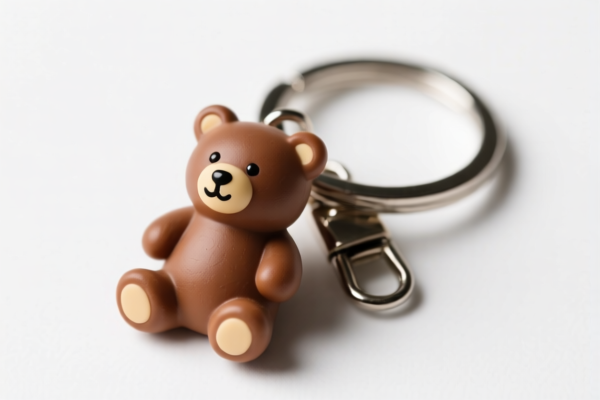
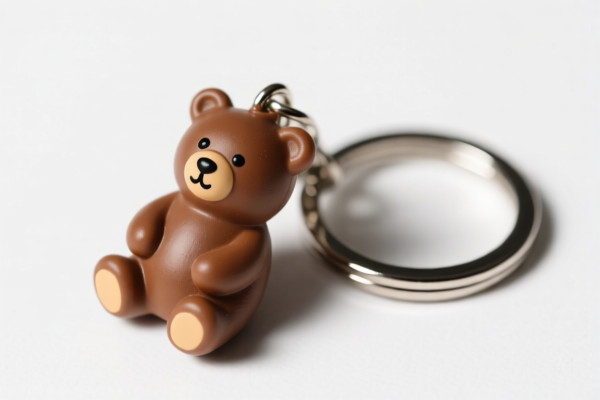
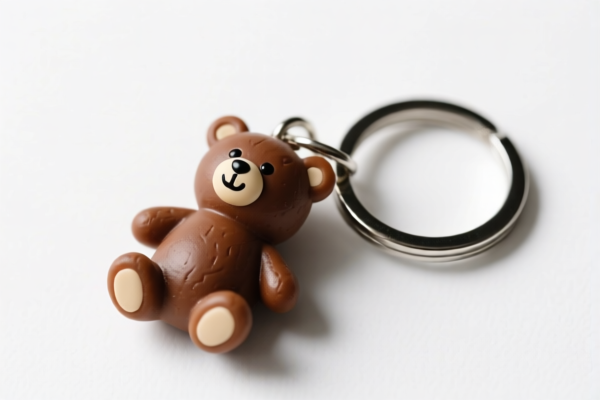
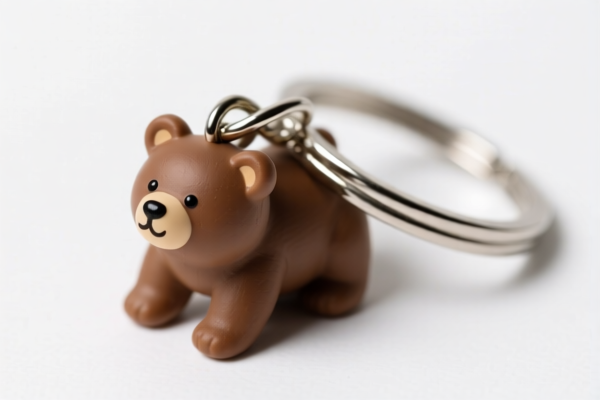
AI Analysis
🧸 Mini Teddy Bear Keychain (毛绒/塑料小熊挂件)
🌐 HS Code Reference & Customs Clearance Guide | 2026 Latest Tariff Analysis | Professional Clearance Strategy
📌 I. Product Definition & Classification: What Exactly Is a "Mini Teddy Bear Keychain"?
A Mini Teddy Bear Keychain is a versatile accessory that blurs the line between toy, plastic article, and jewelry/accessory. In international trade, its classification depends heavily on: 1. Primary Function: Is it primarily a plaything for children, a decorative item, or a fashion accessory? 2. Material Composition: Is it plush (textile/fabric), rigid plastic, or a mix? 3. Target Audience & Marketing: How is it presented to consumers?
⚠️ Critical Distinction Points:
- If marketed as a children's toy (play value, safety standards for kids) → Likely Chapter 95 (Toys)
- If marketed as a fashion accessory/decoration (fobs, bag charms, key rings) → Likely Chapter 39 (Plastics) or Chapter 71 (Imitation Jewelry)
- Material matters: Plush = often Chapter 95; Hard Plastic = often Chapter 39 or 71.
📦 II. HS Code Classification Details (Based on Provided Data)
The following HS Codes are derived directly from the provided dataset. Each code reflects a different potential classification path depending on how the product is defined at customs.
| HS Code | Product Description & Summary | Material/Type | Total Tax Rate | Key Classification Rationale |
|---|---|---|---|---|
9503.00.00.90 |
Toy/Doll Category: Fits the use of a teddy bear keychain; material is plush or plastic. | Plush or Plastic | 10.0% | Classified as a toy/doll because it mimics a bear, appealing to play or collectible functions. |
3926.40.00.90 |
Decorative Article: Classified as a decorative keychain; material is plastic. | Plastic | 15.3% | Classified as a general plastic article for decoration, not primarily as a toy or jewelry. |
9503.00.00.73 |
Other Toys/Dolls: In the category of dolls/other toys; form is a keychain; material is plush or plastic. | Plush or Plastic | 10.0% | Specific subheading for other toys/dolls that are keychain-shaped. |
3926.40.00.10 |
Decorative Article: Classified as a decorative keychain; material is plastic or similar. | Plastic/Similar | 15.3% | Specific subheading for decorative plastic articles. |
7117.90.45.00 |
Toy Jewelry (Keychain): Classified as toy jewelry/keychain; material is plastic or fabric. | Plastic or Fabric | 10.0% | Classified as "imitation jewelry" but with a toy/fashion accessory nature. |
🔍 Key Insight:
- Chapter 95 (Toys) codes (9503...) generally carry a 10.0% total tax rate.
- Chapter 39 (Plastics) codes (3926...) generally carry a 15.3% total tax rate.
- Chapter 71 (Jewelry) code (7117...) carries a 10.0% total tax rate.
- Choosing the right HS Code can save up to 5.3% in duties (15.3% vs. 10.0%).
💰 III. 2026 Latest Tariff Rate Breakdown (Including Surtaxes & Policy Add-ons)
✅ Applicable Country: United States (US)
✅ Origin: China (CN)
✅ Effective Time: 2025 onwards (including subsequent imports)
🎯 1. Toy & Jewelry Categories (9503.00.00.90, 9503.00.00.73, 7117.90.45.00)
Total Tax Rate: 10.0%
| Item | Details |
|---|---|
| Base Duty Rate | 0.0% |
| Retaliatory Surtax | 0.0% |
| Section 122 Surtax | 10.0% |
| Total Effective Rate | 10.0% |
| Tax Calculation | CIF Value × 10% |
| De Minimis Exemption | ❌ Not Eligible (Section 122 tariffs typically do not allow de minimis exemption for high-risk categories) |
| Legal Basis Path | Section 122: 10% → Applied to Base Rate 0% |
📌 Explanation:
- The 10% Section 122 tariff is applied on top of a 0% base duty.
- This rate is significantly lower than the plastic category (15.3%), making Chapter 95 or 71 classification financially advantageous if defensible.
🎯 2. Decorative Plastic Categories (3926.40.00.90, 3926.40.00.10)
Total Tax Rate: 15.3%
| Item | Details |
|---|---|
| Base Duty Rate | 5.3% |
| Retaliatory Surtax | 0.0% |
| Section 122 Surtax | 10.0% |
| Total Effective Rate | 15.3% |
| Tax Calculation | CIF Value × 15.3% |
| De Minimis Exemption | ❌ Not Eligible |
| Legal Basis Path | Base Rate 5.3% + Section 122: 10% = 15.3% |
📌 Explanation:
- The base duty for plastic articles is 5.3%.
- The 10% Section 122 tariff is added on top, resulting in a higher total rate.
- This classification is riskier if the product is clearly a toy or jewelry, as it may trigger misclassification penalties.
🛠️ IV. Customs Clearance Practical Advice (Battle-Tested Tips)
✅ 1. Documentation Checklist (Mandatory)
| Document | Required? | Notes |
|---|---|---|
| ✅ Product Specifications | ✔️ | Must specify material (plush vs. plastic), size, weight. |
| ✅ Product Photos | ✔️ | Clear images showing front, back, and packaging. |
| ✅ Marketing Material | ✔️ | Brochures, website screenshots showing "toy" vs. "accessory" positioning. |
| ✅ Commercial Invoice | ✔️ | Must match HS Code description precisely. |
| ✅ Packing List | ✔️ | Detail contents per package. |
| ✅ Certificate of Origin | ✔️ | If applicable for origin verification. |
✅ 2. Declaration Strategy (Key Mnemonics)
🔥 “Toy or Decor? Check the Material! Toy/Jewelry = 10%, Plastic Decor = 15.3%!”
| Scenario | Recommended HS Code | Risk of Misclassification |
|---|---|---|
| Plush Bear Keychain | 9503.00.00.90 or 9503.00.00.73 (10%) |
Low if marketed as a toy/collectible. |
| Hard Plastic Bear Keychain | 7117.90.45.00 (10%) if toy-jewelry; 3926... (15.3%) if pure decor. |
Medium. Argue for "toy-jewelry" to save 5.3%. |
| General Plastic Charm | 3926.40.00.90 or 3926.40.00.10 (15.3%) |
Low if no toy or jewelry features. |
📌 Pro Tip:
- If the keychain is soft, plush, or resembles an animal character, lean towards Chapter 95 (Toys).
- If it is rigid plastic and marketed as a fashion accessory, consider Chapter 71 (Jewelry) or Chapter 39 (Decor).
- Never misdeclare a toy as a plastic decorative item to avoid scrutiny, but do argue for the lower-rate classification if defensible (e.g., toy-jewelry under 7117).
✅ 3. Special Handling Cases
| Case | Recommendation |
|---|---|
| Mixed Materials (Plush + Plastic Parts) | Classify based on essential character. If plush dominates, use Chapter 95. |
| Packaged as a Gift Set | Declare the primary item. If toy is main, declare as toy. |
| Imported in Bulk (Loose) | Ensure proper labeling. Bulk toys may require additional safety compliance proof. |
| Small Quantity (De Minimis) | ❌ Caution: Section 122 tariffs often negate de minimis exemptions for these categories. Assume duties apply. |
🌍 V. Global Market Comparison (2026 Latest)
| Country/Region | Recommended HS Code | Estimated Total Duty | Notes |
|---|---|---|---|
| 🇺🇸 USA | 9503.00.00.90 / 7117.90.45.00 |
10.0% | Section 122 applies. Avoid 15.3% plastic rate if possible. |
| 🇨🇳 China | Varies | 5-10% | Import duties may vary; check local regulations. |
| 🇪🇺 EU | Varies | 0-4.7% | Often lower base rates; check CE marking requirements for toys. |
| 🇬🇧 UK | Varies | 0-4.5% | Post-Brexit tariffs apply. |
📌 Conclusion:
- The USA is the primary focus for the 10% vs. 15.3% split.
- Classifying as Toy/Jewelry (10%) is financially superior to Decorative Plastic (15.3%) by 5.3 percentage points.
📌 VI. Common Errors & Pitfalls (Learn from Others' Mistakes)
❌ Error 1: Declaring a plush teddy bear as a "plastic decorative item" (3926) to avoid toy regulations.
👉 Consequence: Higher duty (15.3% vs. 10%) + potential penalty for misclassification.
👉 Fix: Use 9503 if it’s clearly a toy/plush.
❌ Error 2: Using a vague description like "Keychain" without specifying material.
👉 Consequence: Customs may assign the highest possible duty or hold the shipment for inspection.
👉 Fix: Always specify "Plush Teddy Bear Keychain" or "Plastic Toy Keychain".
❌ Error 3: Assuming de minimis ($800) exemption applies.
👉 Consequence: Section 122 tariffs often block de minimis. Shipment may be delayed or duties charged unexpectedly.
👉 Fix: Budget for 10% duty even for small shipments.
✅ Correct Declaration Example:
"Plush Mini Teddy Bear Keychain, Toy for Collectibles, Material: Polyester Plush, HS Code: 9503.00.00.90"
🎯 VII. Conclusion: Strategic Classification for Cost Savings
🎯 Remember the Golden Rule:
🔹 "Toy or Jewelry = 10%, Plastic Decor = 15.3%. Choose Wisely!"
🔹 "10% vs 15.3% is a 5.3% Difference. On $10k Goods, That’s $530 Saved!"
📌 Pro Tip:
If your teddy bear keychain has fashion appeal (e.g., branded, stylish materials), argue for 7117.90.45.00 (10%) as "Toy Jewelry". If it’s clearly a children’s toy, use 9503... (10%). Avoid 3926... unless it’s purely a decorative plastic piece with no toy/jewelry connotations.
📣 Immediate Action:
📞 Consult a customs broker to confirm the "essential character" of your product.
📝 Prepare marketing materials that support your chosen classification (Toy vs. Decor).
🚀 Optimize your HS Code to save 5.3% in duties!
✨ Professional Classification, Smoother Clearance, Higher Margins!
💼 Every percent saved is profit earned!
Customer Reviews
About HS Code Classification
The Harmonized System (HS) is an internationally standardized nomenclature developed by the World Customs Organization (WCO) to classify traded products. Over 200 countries use the HS system as the basis for customs tariffs, trade statistics, and import/export regulations.
Each HS code follows a hierarchical structure:
- Chapter (2 digits) — Broad category of goods (e.g., Chapter 84: Machinery and Mechanical Appliances)
- Heading (4 digits) — More specific grouping within the chapter
- Subheading (6 digits) — Internationally standardized breakdown, used by all WCO member countries
- National subdivisions (8-10 digits) — Country-specific extensions for further classification, such as US HTSUS 10-digit codes
Correct HS code classification is essential for smooth customs clearance, accurate duty payment, and compliance with trade regulations. Misclassification can lead to customs delays, overpayment of duties, or penalties.
When importing from CN to US, the applicable tariff rates may include:
- Most-Favored-Nation (MFN) rate — The standard duty rate applied to WTO members
- General rate — Applied to countries without trade agreements
- Trade remedy duties — Additional tariffs such as Section 301 (anti-dumping), Section 232 (national security), or countervailing duties
The information provided on this page is for reference purposes only. For official classification, please consult with your local customs authority or a licensed customs broker.