Minimalist Plastic Handbag
CN → US| HS Code | Tariff Rate | Origin | Destination | Doc |
|---|---|---|---|---|
| 3923210085 | 38.0% | CN | US | Official Doc |
| 3923210080 | 38.0% | CN | US | Official Doc |
| 4202221500 | 51.0% | CN | US | Official Doc |
| 4202221500 | 51.0% | CN | US | Official Doc |
| 4202221500 | 51.0% | CN | US | Official Doc |
Product Images
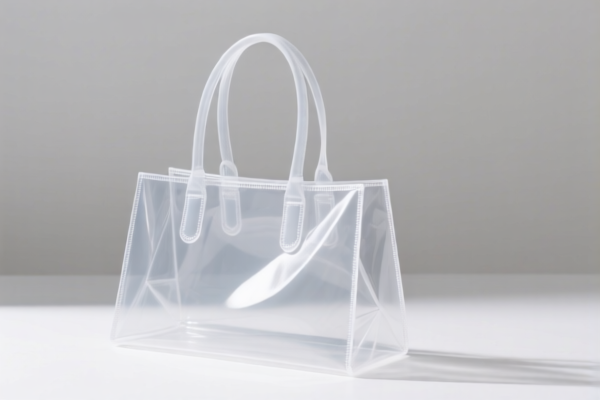
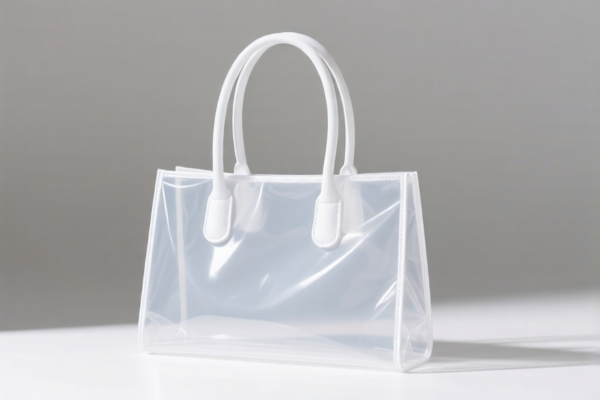
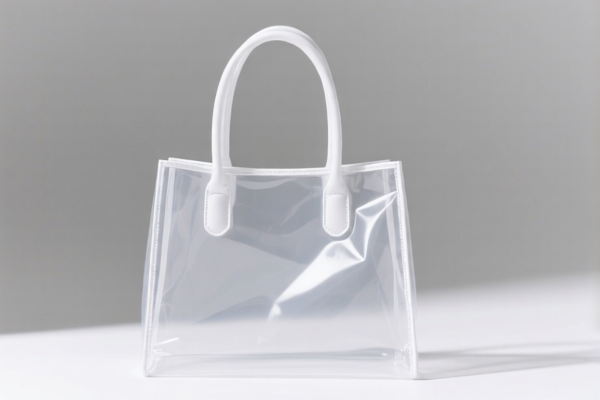
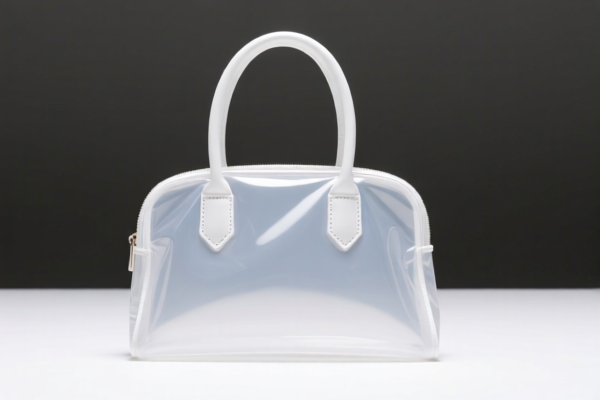
AI Analysis
👜 Minimalist Plastic Handbag (轻便塑料手提包)
🌐 HS Code Classification & Customs Clearance Guide | 2026 Tax Analysis | Strategic Logistics Strategy 📌 I. Product Definition & Classification: What exactly is a "Minimalist Plastic Handbag"?
A "Minimalist Plastic Handbag" refers to lightweight, portable carrying bags primarily made of plastic materials. In international trade, the classification depends critically on material composition and structural characteristics. The core distinction lies in whether the bag is classified as a simple plastic bag (Chapter 39) or an article of leather/plastic sheeting used for personal items (Chapter 42).
Plastic Bags (Chapter 39): Flexible, thin-walled bags typically made from polymers like polyethylene. They often lack rigid handles or structured bodies. Plastic Handbags/Articles (Chapter 42): Structured bags where the outer surface consists of plastic sheets, often with defined geometry, rigid or semi-rigid handles, and construction resembling traditional luggage or fashion bags.
⚠️ Key Distinction Point: - If the product is essentially a flexible plastic pouch/bag (e.g., thin polyethylene shopping bag) → Classified under 3923.21.00 - If the product has a structured body, outer surface of plastic sheets, or geometric shape (e.g., fashion tote, geometric clutch) → Classified under 4202.22.15.00
📦 II. HS Code Classification Details (2026 Latest Tariff Authority Comparison)
Based on the provided data, there are three specific HS Codes associated with this product description, split into two main categories:
| HS Code | Product Description | Applicability | Material/Feature Key |
|---|---|---|---|
3923.21.00.85 |
Light plastic handbag, plastic material, conforms to polyethylene polymer plastic bag characteristics | Thin, flexible plastic bags, shopping bags | ✅ Polyethylene polymer, bag-like structure |
3923.21.00.80 |
Light plastic handbag, plastic material, conforms to polyethylene polymer plastic bag classification | General plastic bags | ✅ Polyethylene polymer, bag-like structure |
4202.22.15.00 |
Light plastic handbag or geometric plastic handbag, outer surface of plastic sheet | Structured fashion bags, geometric totes | ✅ Outer surface is plastic sheet, structured body |
🔍 Critical Note: - 3923.21.00.85/80 applies to bags that are essentially plastic bags (like shopping bags) but marketed as "handbags." - 4202.22.15.00 applies to bags that have the form and function of a handbag (structured, often with handles, fashion-oriented) and whose outer surface is made of plastic sheet. - Misclassification Risk: Declaring a structured plastic fashion bag as a simple plastic bag (3923) to avoid higher tariffs can lead to customs audits, penalties, and back-taxes.
💰 III. 2026 Latest Tariff Rate Breakdown (Including Additional Taxes & Policy Surcharges)
✅ Applicable Country: United States (US) ✅ Country of Origin: China (CN) ✅ Effective Date: Includes imports from 2025 onwards
🎯 1. 3923.21.00.85 & 3923.21.00.80 —— Plastic Bags (Polyethylene)
These two codes share the same tariff structure in the provided data.
| Item | Detail |
|---|---|
| Base Tariff | 3.0% |
| Section 301 Additional Tariff | +25.0% |
| Section 122 Tariff | +10.0% |
| Total Tariff Rate | 38.0% |
| Tax Calculation | CIF Value × 38% |
| De Minimis Exemption | ❌ Not Applicable (High tariff rates typically disqualify from de minimis benefits in strict interpretations) |
| Legal Basis Path | Section 301: 9903.88.01 → Section 122 → USITC:3923.21.00.85/80 |
📌 Explanation: - The 3% base rate is the standard Most Favored Nation (MFN) rate for plastic bags. - The 25% Section 301 tariff is applied due to the product being of Chinese origin. - The 10% Section 122 tariff is an additional levy often applied to specific categories under trade authority provisions. - Total: 38%. This is a significant cost factor for lightweight plastic bags.
🎯 2. 4202.22.15.00 —— Handbags with Outer Surface of Plastic Sheet
This code applies to "Minimalist Plastic Handbags" that are structured or geometric, resembling fashion accessories rather than simple shopping bags.
| Item | Detail |
|---|---|
| Base Tariff | 16.0% |
| Section 301 Additional Tariff | +25.0% |
| Section 122 Tariff | +10.0% |
| Total Tariff Rate | 51.0% |
| Tax Calculation | CIF Value × 51% |
| De Minimis Exemption | ❌ Not Applicable |
| Legal Basis Path | Section 301: 9903.88.01 → Section 122 → USITC:4202.22.15.00 |
📌 Explanation: - The 16% base rate is significantly higher than that of plastic bags because Chapter 42 goods are considered manufactured articles (like leather goods) rather than raw polymer forms. - The 25% Section 301 and 10% Section 122 surcharges remain the same, as they apply broadly to Chinese imports in these categories. - Total: 51%. This is a very high tariff, making this classification less attractive from a cost perspective unless the product's structural definition strictly mandates it.
🛠️ IV. Customs Clearance Operational Advice (Practical Pitfall Avoidance Guide)
✅ 1. Documentation Checklist (Missing items will cause delays)
| Document | Required | Description |
|---|---|---|
| ✅ Product Specifications | ✔️ | Details on material (e.g., "100% Polyethylene" vs. "Plastic Sheet Laminate"), dimensions, weight. |
| ✅ Product Photos | ✔️ | Clear images showing the bag's structure. Does it look like a flexible bag (3923) or a structured handbag (4202)? |
| ✅ Commercial Invoice | ✔️ | Must accurately describe the item. Avoid vague terms like "Gift." Use "Plastic Handbag, Model XYZ." |
| ✅ Packing List | ✔️ | Item count, gross/net weight. |
| ✅ Material Composition Statement | ✔️ | Explicitly state if the "plastic sheet" is a coated fabric or a solid plastic shell. This determines Chapter 39 vs. 42. |
✅ 2. Classification Strategy (Key Mnemonics)
🔥 "Structure Defines Chapter 42, Flexibility Defines Chapter 39!"
| Scenario | Correct HS Code | Why? |
|---|---|---|
| Thin, flexible bag (like a grocery bag, but branded) | 3923.21.00.85 or 3923.21.00.80 |
It is essentially a plastic bag. No rigid structure. |
| Structured tote (holds shape, plastic outer surface) | 4202.22.15.00 |
It is an "article of plastic sheet," resembling a handbag. |
| Geometric clutch | 4202.22.15.00 |
Explicitly mentioned in the data description for this code. |
| "Minimalist" aesthetic but thin material | Check Structure! | If it collapses when empty → Likely 3923. If it stands upright → Likely 4202. |
⚠️ Warning: - Do not arbitrarily choose 3923 to save 13% (38% vs 51%) if the product is structurally a handbag. Customs may reclassify it, leading to penalties. - The term "Minimalist" is a marketing term, not a customs classification term. Focus on physical attributes.
✅ 3. Special Circumstances Handling
| Situation | Handling Advice |
|---|---|
| Bag has fabric lining | If the outer surface is still plastic sheet, it may still fall under 4202.22.15.00. |
| Bag has metal/plastic handles | Handles do not change the classification from Chapter 39 to 42 if the main body is a simple plastic bag. |
| Bag is rigid/plastic shell | Definitely 4202.22.15.00. |
| Small quantity for personal use | Even if under de minimis limits, high tariffs mean no exemption. Check local customs thresholds. |
🌍 V. Global Market Customs Comparison (2026 Latest)
| Country/Region | Recommended HS Code | Tariff Rate (China Origin) | Certification Required | Notes |
|---|---|---|---|---|
| 🇺🇸 USA | 3923.21.00.85 or 4202.22.15.00 |
38% (Bag) or 51% (Handbag) | No specific certs, but FTC labeling required | High Section 301/122 taxes. |
| 🇨🇳 China | 3923.21.00 or 4202.22.15 |
~5-10% | CCC (if applicable) | Lower base rates, no Section 301. |
| 🇪🇺 EU | 3923.29.00 or 4202.22 |
Varies (0-12%) | CE (if plastic meets REACH) | No Section 301 equivalent, but REACH strict. |
| 🇬🇧 UK | 3923.29.00 or 4202.22 |
Varies (0-12%) | UKCA | Post-Brexit rules apply. |
| 🇨🇦 Canada | 3923.21.00 or 4202.22.15 |
~0-18% | No special certs | CUSMA benefits may apply if originating. |
📌 Conclusion: - The US market is the most expensive due to the combination of base tariffs and multiple surcharges (Section 301 + 122). - Cost Saving Tip: If your product can legally be classified as a plastic bag (3923) rather than a handbag (4202), you save 13% in total duties. However, this must be justified by the product's physical nature (flexible vs. structured).
📌 VI. Common Mistakes & Pitfall Guide (Lessons Learned)
❌ Mistake 1: Calling a structured handbag a "Plastic Bag" to pay 38% instead of 51%. 👉 Consequence: Customs audit, reclassification, back-taxes + interest + potential penalties.
❌ Mistake 2: Ignoring the "Outer Surface" requirement for 4202.22.15.00. 👉 Consequence: If the outer surface is fabric with plastic coating, it might not fit 4202.22.15.00 perfectly. Check the exact material composition.
❌ Mistake 3: Assuming "Minimalist" means it's small and therefore exempt. 👉 Consequence: Size does not determine HS Code. Material and structure do.
✅ Correct Approach:
"Plastic Handbag, 30x30cm, Polyethylene Material, Flexible Structure, Model ABC" → Use 3923.21.00.85 (38%)
"Geometric Plastic Handbag, Hard Shell, Outer Surface PVC Sheet, Model DEF" → Use 4202.22.15.00 (51%)
🎯 VII. Conclusion: Professional Declaration for Cost Optimization
🎯 Remember the Mnemonic:
🔹 "Flexible is 3923 (38%), Structured is 4202 (51%)!" 🔹 "Marketing terms don't matter, Physical Structure Does!" 🔹 "Section 301 + 122 = High Costs, Choose Wisely!"
📌 Pro Tip: If you are importing into the US, consider Advance Rulings from CBP to confirm your HS Code classification before shipment. This provides legal protection against reclassification disputes. For "Minimalist" bags, clearly define the structural rigidity in your product specifications.
📣 Immediate Action:
📞 Contact a professional customs broker. 📸 Provide clear photos of the bag (empty and filled). 📝 Request a Pre-classification Opinion if the line between "plastic bag" and "handbag" is blurry.
✨ Professional Customs Clearance Starts with Accurate Classification! 💼 Every Percentage Point of Duty Saves Money!
Customer Reviews
About HS Code Classification
The Harmonized System (HS) is an internationally standardized nomenclature developed by the World Customs Organization (WCO) to classify traded products. Over 200 countries use the HS system as the basis for customs tariffs, trade statistics, and import/export regulations.
Each HS code follows a hierarchical structure:
- Chapter (2 digits) — Broad category of goods (e.g., Chapter 84: Machinery and Mechanical Appliances)
- Heading (4 digits) — More specific grouping within the chapter
- Subheading (6 digits) — Internationally standardized breakdown, used by all WCO member countries
- National subdivisions (8-10 digits) — Country-specific extensions for further classification, such as US HTSUS 10-digit codes
Correct HS code classification is essential for smooth customs clearance, accurate duty payment, and compliance with trade regulations. Misclassification can lead to customs delays, overpayment of duties, or penalties.
When importing from CN to US, the applicable tariff rates may include:
- Most-Favored-Nation (MFN) rate — The standard duty rate applied to WTO members
- General rate — Applied to countries without trade agreements
- Trade remedy duties — Additional tariffs such as Section 301 (anti-dumping), Section 232 (national security), or countervailing duties
The information provided on this page is for reference purposes only. For official classification, please consult with your local customs authority or a licensed customs broker.