Minimalist Plastic Wallet
CN → US| HS Code | Tariff Rate | Origin | Destination | Doc |
|---|---|---|---|---|
| 3923900080 | 38.0% | CN | US | Official Doc |
| 4202322000 | 55.0% | CN | US | Official Doc |
| 3923109000 | 38.0% | CN | US | Official Doc |
| 4202321000 | 0.0% | CN | US | Official Doc |
| 3923900080 | 38.0% | CN | US | Official Doc |
Product Images
AI Analysis
🌟 Minimalist Plastic Wallet – HS Code & Tariff Guide (2026 Update)
🌐 HS Code Classification & Customs Clearance Strategy | 2026 U.S. Tariff Deep Dive | Expert-Level Compliance Blueprint
📌 One Product, Four HS Codes — Why the Difference Matters!
📦 1. Product Definition & Key Classification Logic
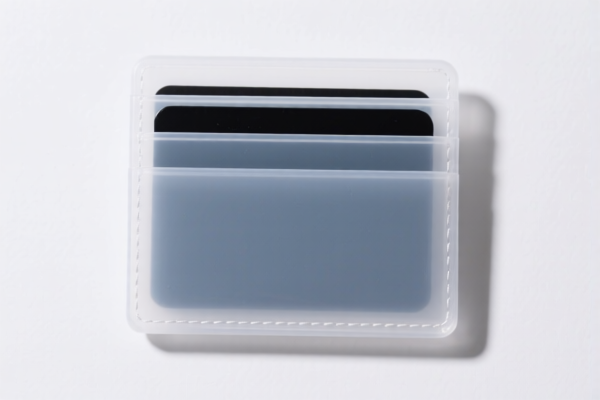
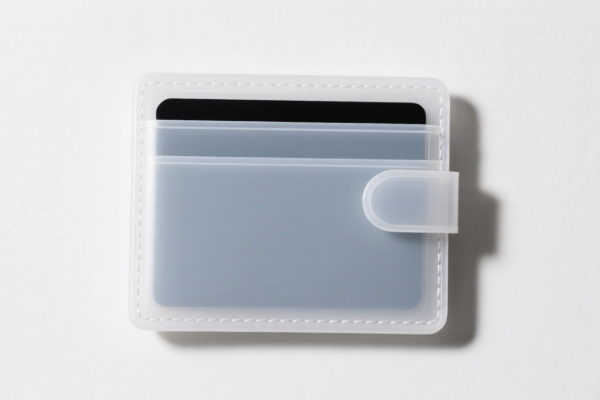
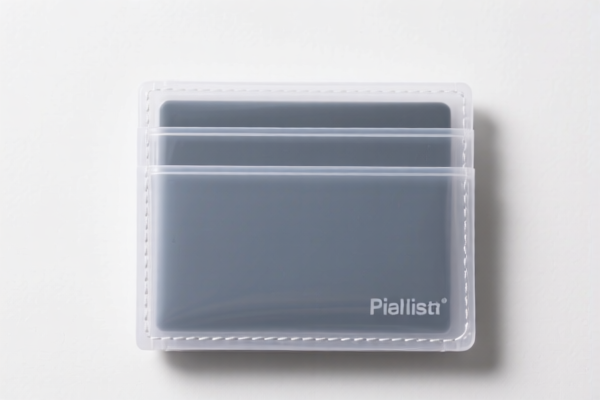
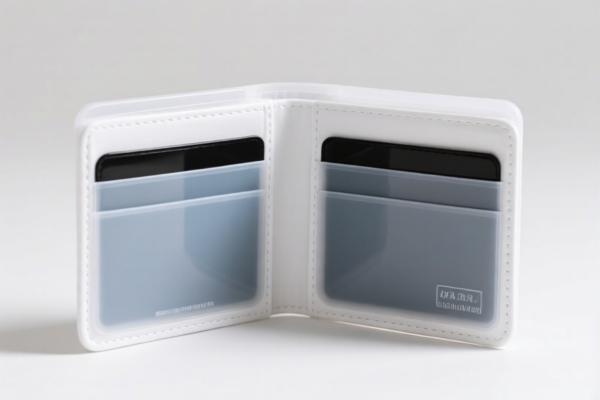
The Minimalist Plastic Wallet is a sleek, lightweight, and functional accessory designed for carrying cash, cards, and small personal items. Despite its simple appearance, its classification depends on material composition, construction, and surface characteristics — not just "plastic" or "wallet."
⚠️ Critical Distinction: - If made entirely of flexible plastic → HS Code 3923.90.00.80 or 3923.10.90.00 - If the outer surface is made of plastic sheeting or laminated plastic → HS Code 4202.32.20.00 - If plastic is reinforced or layered (e.g., rigid structure) → HS Code 4202.32.10.00
✅ All four codes apply to wallets used for pocket or handbag carry — but tax rates vary dramatically.
🧩 2. HS Code Breakdown (2026 U.S. Tariff Authority Table)
| HS Code | Product Description | Material/Construction | Key Use Case |
|---|---|---|---|
3923.90.00.80 |
Plastic wallet, classified as “other packaging or carrying articles” | Flexible plastic, no rigid layering | Standard minimalist wallet |
4202.32.20.00 |
Wallet with outer surface made of plastic sheet | Plastic-coated or plastic-faced exterior | Premium or fashion-oriented design |
3923.10.90.00 |
Plastic wallet under “other” category in packaging/carrying goods | Non-rigid plastic, general-purpose | Generic or bulk import |
4202.32.10.00 |
Reinforced or laminated plastic wallet | Multi-layered, rigid plastic core | Durable, structured design |
🔍 Why So Many Codes?
- 3923 = Plastic goods not elsewhere specified
- 4202.32 = Wallets with plastic-covered surfaces (even if interior is fabric)
- 3923.10.90.00 = General "other" plastic carrying item
- 4202.32.10.00 = Special case for reinforced/laminated plastic wallets
💰 3. 2026 U.S. Tariff Rate Breakdown (With Full Legal Basis)
✅ Applicable Country: United States (US)
✅ Origin: China (CN)
✅ Effective Date: November 10, 2025 (and ongoing)
✅ Tariff Regime: Section 301 + IEEPA + Section 122
🎯 1. 3923.90.00.80 – Plastic Wallet (General Use)
| Item | Detail |
|---|---|
| Base Duty | 3.0% (ad valorem) |
| Section 301 (USITC) Add-on | +25.0% |
| Section 122 (IEEPA) Add-on | +10.0% |
| Total Tariff | 38.0% |
| Tax Calculation | CIF Value × 38.0% |
| De Minimis Exemption? | ❌ No (denied under 19 CFR §10.19) |
| Legal Pathway | IEEPA:9903.01.25 → USITC:3923.90.00.80 → FOOTNOTE:9903.88.01 |
📌 Explanation:
- This is the standard rate for basic plastic wallets with no special surface treatment.
- Even if the wallet looks “minimalist,” if it’s not laminated or reinforced, this code applies.
- No duty-free relief available for Chinese-origin goods.
🎯 2. 4202.32.20.00 – Wallet with Plastic-Sheet Outer Surface
| Item | Detail |
|---|---|
| Base Duty | 20.0% (ad valorem) |
| Section 301 (USITC) Add-on | +25.0% |
| Section 122 (IEEPA) Add-on | +10.0% |
| Total Tariff | 55.0% |
| Tax Calculation | CIF Value × 55.0% |
| De Minimis Exemption? | ❌ No |
| Legal Pathway | IEEPA:9903.01.24 → USITC:4202.32.20.00 → FOOTNOTE:9903.88.01 |
📌 Explanation:
- This highest tariff applies when the outer surface is visibly made of plastic sheeting — even if the interior is fabric or leather.
- Common in designer or fashion wallets with a glossy plastic finish.
- Even if the wallet is “minimalist,” the surface material triggers this code.
🎯 3. 3923.10.90.00 – Plastic Wallet (Other Category)
| Item | Detail |
|---|---|
| Base Duty | 3.0% |
| Section 301 (USITC) Add-on | +25.0% |
| Section 122 (IEEPA) Add-on | +10.0% |
| Total Tariff | 38.0% |
| Tax Calculation | CIF Value × 38.0% |
| De Minimis Exemption? | ❌ No |
| Legal Pathway | IEEPA:9903.01.25 → USITC:3923.10.90.00 → FOOTNOTE:9903.88.01 |
📌 Explanation:
- This is identical to 3923.90.00.80 in rate but applies to “other” plastic carrying items not covered elsewhere.
- Often used for generic or unbranded wallets with no special construction.
- Still subject to 38% — no savings.
🎯 4. 4202.32.10.00 – Reinforced or Laminated Plastic Wallet
| Item | Detail |
|---|---|
| Base Duty | 12.1¢ per kg + 4.6% (ad valorem) |
| Section 301 (USITC) Add-on | +25.0% |
| Section 122 (IEEPA) Add-on | +10.0% |
| Total Tariff | 12.1¢/kg + 4.6% + 35.0% |
| Tax Calculation | (Weight in kg × 12.1¢) + (CIF Value × 4.6%) + (CIF Value × 35.0%) |
| De Minimis Exemption? | ❌ No |
| Legal Pathway | IEEPA:9903.01.24 → USITC:4202.32.10.00 → FOOTNOTE:9903.88.01 |
📌 Explanation:
- Applies to rigid, multi-layered plastic wallets — often with a plastic core or laminate structure.
- Hybrid duty: Part fixed (per kg), part percentage-based.
- Highest effective rate due to 35% additional tariff on the ad valorem portion.
- Even lightweight wallets can hit over 40% total if CIF value is high.
🛠️ 4. Customs Clearance Best Practices (Pro Tips)
✅ 1. Required Documentation (Must-Have Checklist)
| Document | Why It Matters |
|---|---|
| ✅ Product Photos (front, back, side, interior) | Prove surface material (plastic sheet vs. flexible plastic) |
| ✅ Material Composition Certificate | Confirm if outer layer is plastic sheet |
| ✅ Technical Specs (thickness, rigidity, layer count) | Support classification as "laminated" or "reinforced" |
| ✅ Commercial Invoice | Must clearly state: “Minimalist Plastic Wallet, [HS Code], [Material]” |
| ✅ Bill of Lading & Packing List | Show weight and quantity for per-kg duty |
| ✅ Certificate of Origin (CO) | If from Vietnam/Mexico/Thailand → possible IEEPA exemption |
| ✅ Test Report (if applicable) | For durability, flammability, or safety compliance |
✅ 2.申报技巧 (申报口诀)
🔥 “表面看塑料,结构看层压,轻重分税种,申报别乱挂!”
| Scenario | Correct HS Code | Wrong Code to Avoid |
|---|---|---|
| Flexible plastic wallet (no surface layer) | 3923.90.00.80 or 3923.10.90.00 |
4202.32.20.00 → +17% tax! |
| Wallet with glossy plastic outer face | 4202.32.20.00 |
3923.90.00.80 → underpaid, risk of audit |
| Rigid, multi-layer plastic wallet | 4202.32.10.00 |
3923.10.90.00 → underpaid, risk of penalty |
| Wallet with fabric interior + plastic exterior | 4202.32.20.00 |
4202.32.10.00 → overpay, avoid if not laminated |
✅ 3. Special Cases & Risk Mitigation
| Situation | Recommended Action |
|---|---|
| OEM or private label wallet | Submit design drawings + material specs to customs for pre-classification |
| Wallet with RFID shielding | Still falls under same HS codes — no special tariff relief |
| Import from Vietnam/Mexico | Apply for IEEPA exemption (if eligible) → 0% tariff |
| Small consignments (<$2k) | Still no de minimis — must pay full 38–55% |
| High-value wallet (>$100) | Use 4202.32.10.00 if laminated → calculate per-kg cost carefully |
🌍 5. Global Market Tariff Comparison (2026)
| Country | Recommended HS Code | Base Tariff | Extra Taxes | Notes |
|---|---|---|---|---|
| 🇺🇸 USA | 4202.32.20.00 |
20% | +25% +10% | 55% total — highest risk |
| 🇨🇳 China | 3923.10.90.00 |
5% | 0% | No extra tariffs |
| 🇪🇺 EU | 4202.32.20.00 |
0% (if CE) | 0% | No 301/IEEPA |
| 🇦🇺 Australia | 4202.32.20.00 |
5% | 0% | No extra taxes |
| 🇯🇵 Japan | 4202.32.20.00 |
0% | 0% | No extra tariffs |
📌 Insight:
- Only the U.S. imposes 301 + IEEPA tariffs on Chinese plastic wallets.
- Vietnam/Mexico-origin wallets may qualify for 0% tariff under IEEPA exemption.
🚫 6. Common Mistakes & Costly Errors
❌ Mistake 1: Using 3923.90.00.80 for a wallet with a plastic-coated surface
👉 Result: Underpaid duty → audit, penalties, back taxes up to 200%
❌ Mistake 2: Not declaring "plastic sheet" in product description
👉 Result: Customs may reclassify to higher rate → 55% instead of 38%
❌ Mistake 3: Assuming "minimalist" = "low tariff"
👉 Result: Overlooked surface material → costs $1,000+ in extra duties
❌ Mistake 4: Not providing photos or material proof
👉 Result: Customs delays, holds shipment, or rejects classification
✅ Correct Declaration Example:
“Minimalist Plastic Wallet, 100% flexible plastic, no surface coating, used for carrying cards and cash, HS Code: 3923.90.00.80, CIF: $25.00, Weight: 0.15kg”
🎯 7. Final Verdict: How to Win the Tariff Game
🎯 Key Takeaway:
🔹 Surface Material = Tax Rate
🔹 Layering = Higher Duty
🔹 Origin Matters — China = 38–55%, Vietnam = 0% (if eligible)
🔹 No de minimis — even small shipments pay full rate✅ Pro Tip:
Apply for a Pre-Ruling (Advance Ruling) from U.S. Customs before shipping — avoid surprises!
📣 Call to Action: Don’t Get Caught in the Tariff Trap!
📞 Contact a U.S. Customs Broker + Submit Product Photos + Request HS Code Pre-Approval
🚀 Ensure your minimalist wallet clears customs smoothly — without surprise fees!
✨ Smart Classification = Lower Costs = Faster Shipping = Happy Customers!
💼 Your wallet may be minimalist — but your compliance strategy should be anything but!
Customer Reviews
About HS Code Classification
The Harmonized System (HS) is an internationally standardized nomenclature developed by the World Customs Organization (WCO) to classify traded products. Over 200 countries use the HS system as the basis for customs tariffs, trade statistics, and import/export regulations.
Each HS code follows a hierarchical structure:
- Chapter (2 digits) — Broad category of goods (e.g., Chapter 84: Machinery and Mechanical Appliances)
- Heading (4 digits) — More specific grouping within the chapter
- Subheading (6 digits) — Internationally standardized breakdown, used by all WCO member countries
- National subdivisions (8-10 digits) — Country-specific extensions for further classification, such as US HTSUS 10-digit codes
Correct HS code classification is essential for smooth customs clearance, accurate duty payment, and compliance with trade regulations. Misclassification can lead to customs delays, overpayment of duties, or penalties.
When importing from CN to US, the applicable tariff rates may include:
- Most-Favored-Nation (MFN) rate — The standard duty rate applied to WTO members
- General rate — Applied to countries without trade agreements
- Trade remedy duties — Additional tariffs such as Section 301 (anti-dumping), Section 232 (national security), or countervailing duties
The information provided on this page is for reference purposes only. For official classification, please consult with your local customs authority or a licensed customs broker.