Mining Vehicle Pneumatic Tires
CN → US| HS Code | Tariff Rate | Origin | Destination | Doc |
|---|---|---|---|---|
| 4016996050 | 37.5% | CN | US | Official Doc |
| 4016996010 | 37.5% | CN | US | Official Doc |
| 4012909000 | 37.7% | CN | US | Official Doc |
| 4011808010 | 38.4% | CN | US | Official Doc |
| 4011808020 | 38.4% | CN | US | Official Doc |
Product Images
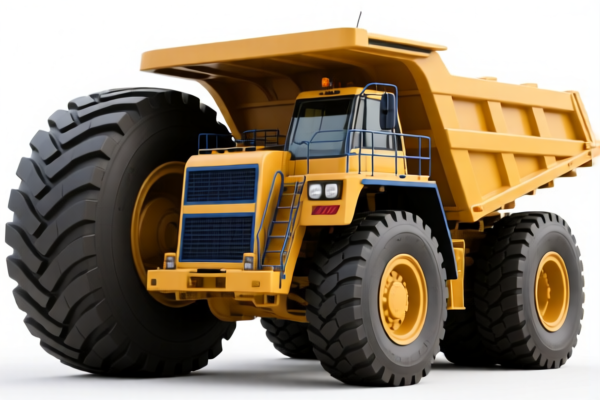
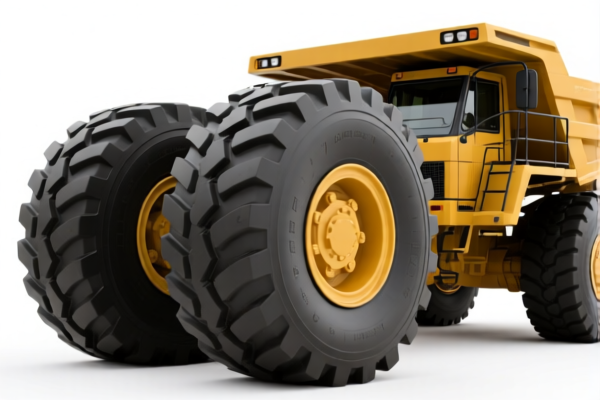
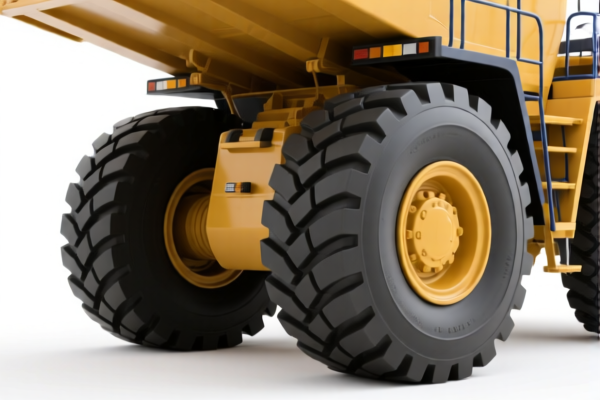
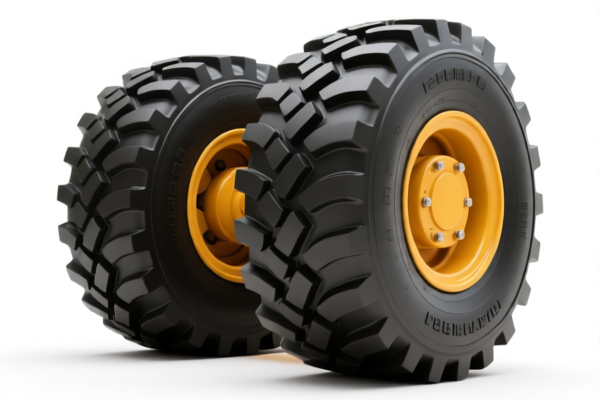
AI Analysis
🚜 Mining Vehicle Pneumatic Tires (Heavy-Duty Off-the-Road Tires)
🌐 HS Code Reference & Customs Clearance Guide | 2026 Latest Tariff Analysis | Professional-Level Clearance Strategy
📌 I. Product Definition & Classification: Do You Really Understand "Mining Tires"?
Mining vehicle pneumatic tires are the "shoes" of heavy-duty off-road machinery (such as mining dump trucks, loaders, and excavators). In international trade, they are categorized based on their structure (pneumatic vs. solid) and intended use (industrial vs. vehicle).
Key Distinction Points: * Pneumatic Tires (充气轮胎): Contain air chambers, require inner tubes or tubeless valves. These fall under Chapter 40 (Rubber Articles) or Chapter 40 (specifically 4011/4012 depending on type). Note: The provided data classifies these primarily under rubber articles. * Solid Tires (实心胎): No air, made of solid rubber/polyurethane. Typically fall under Chapter 40 as well but may have different sub-headings. * Industrial Pneumatic Tires: Specifically designed for forklifts, industrial trucks, or mining equipment, distinct from automotive tires.
⚠️ Critical Classification Warning:
- If the tire is pneumatic and used for industrial/mining vehicles, it is generally classified under HS Chapter 40 (Rubber Articles) rather than Chapter 87 (Vehicles), because the tire itself is a manufactured rubber good.
- The provided data specifically lists these under 4016 (Other articles of vulcanized rubber other than hard rubber) and 4012 (Retreaded or used pneumatic tires) or 4011 (New pneumatic tires of rubber).
📦 II. HS Code Classification Details (Based on Provided Data)
| HS Code | Product Description | Applicable Scenario | Key Classification Basis |
|---|---|---|---|
4016.99.60.50 |
Industrial Pneumatic Tires, Vulcanized Rubber Articles | Heavy-duty mining dump trucks, industrial loaders | Classified as "Other vulcanized rubber articles" |
4016.99.60.10 |
Industrial Pneumatic Tires, Other Vulcanized Rubber Articles | Specialized mining equipment, non-standard tires | Meets vulcanized rubber form, no other specific heading |
4012.90.90.00 |
Pneumatic Rubber Tires (Air Tires) | Used or retreaded tires, or specific air tire types | Classified as "Rubber air tires" |
4011.80.80.10 |
Industrial Pneumatic Tires (Rubber, Inflatable) | Standard industrial mining tires, new tires | Meets industrial use + rubber material requirements |
4011.80.80.20 |
Industrial Pneumatic Tires (Specific Industrial Use) | Tires limited to industrial/mining applications | Meets industrial use limitation + rubber material |
🔍 Key Reminder:
- All pneumatic tires for mining vehicles are heavy, thick, and designed for extreme loads. They do not fit into automotive tire categories (e.g., 4011.41 for cars).
- The classification hinges on whether they are new (4011) or other rubber articles (4016), and whether they are considered air tires (4012) in specific interpretations.
💰 III. 2026 Latest Tariff Rate Details (Including Additional Duties)
✅ Applicable Country: United States (US)
✅ Origin: China (CN)
✅ Effective Date: 2025/2026 (Subject to current trade policies)
🎯 1. 4016.99.60.50 & 4016.99.60.10 —— Industrial Pneumatic Tires (Vulcanized Rubber Articles)
| Item | Details |
|---|---|
| Base Tariff Rate | 2.5% (ad valorem) |
| Additional Tariff (Section 301) | +25.0% |
| Section 122 Tariff | +10.0% (Specific clause for certain rubber products) |
| Total Tax Rate | 37.5% |
| Tax Calculation | CIF Value × 37.5% |
| De Minimis Eligibility | ❌ No (High-value industrial goods) |
| Legal Basis Path | USITC:4016.99.60.50 → SECTION_301:25% → SECTION_122:10% |
📌 Explanation:
- These codes classify mining tires as "other vulcanized rubber articles" rather than standard tires, which may attract Section 122 tariffs in addition to Section 301.
- Total 37.5% is a significant cost driver for mining equipment suppliers.
🎯 2. 4012.90.90.00 —— Pneumatic Rubber Tires (Air Tires)
| Item | Details |
|---|---|
| Base Tariff Rate | 2.7% (ad valorem) |
| Additional Tariff (Section 301) | +25.0% |
| Section 122 Tariff | +10.0% |
| Total Tax Rate | 37.7% |
| Tax Calculation | CIF Value × 37.7% |
| De Minimis Eligibility | ❌ No |
| Legal Basis Path | USITC:4012.90.90.00 → SECTION_301:25% → SECTION_122:10% |
📌 Note:
- Slightly higher than 4016 codes due to a 0.2% higher base rate.
- This code is often used for used or retreaded tires, but can apply to new pneumatic tires if classified under "air tires" broadly.
🎯 3. 4011.80.80.10 & 4011.80.80.20 —— Industrial Pneumatic Tires (New)
| Item | Details |
|---|---|
| Base Tariff Rate | 3.4% (ad valorem) |
| Additional Tariff (Section 301) | +25.0% |
| Section 122 Tariff | +10.0% |
| Total Tax Rate | 38.4% |
| Tax Calculation | CIF Value × 38.4% |
| De Minimis Eligibility | ❌ No |
| Legal Basis Path | USITC:4011.80.80.10 → SECTION_301:25% → SECTION_122:10% |
📌 Note:
- This is the highest rate among the provided codes due to a higher base rate (3.4% vs 2.5%/2.7%).
-4011typically refers to new pneumatic tires. If the tires are new and meet the "industrial use" criteria, this code is likely the most accurate but also the most expensive.
🛠️ IV. Customs Clearance Practical Advice (Pitfall Avoidance Guide)
✅ 1. Required Documentation Checklist (No Exceptions)
| Document | Must Provide | Description |
|---|---|---|
| ✅ Product Specifications | ✔️ | Tire size, load index, ply rating, tread pattern, material composition |
| ✅ Material Safety Data Sheet (MSDS) | ✔️ | For rubber compounds, especially if containing hazardous substances |
| ✅ Commercial Invoice | ✔️ | Clearly state "Mining Vehicle Pneumatic Tires" and HS Code |
| ✅ Packing List | ✔️ | Detail number of tires, weight, dimensions, and packaging type |
| ✅ Certificate of Origin | ✔️ | Required for trade agreement benefits (if applicable) |
| ✅ Test Reports | ✔️ | ISO, DOT, or industry-specific standards (e.g., MSHA for mining safety) |
| ✅ Photos | ✔️ | Clear images of the tire sidewall (showing size/brand) and tread |
✅ 2. Declaration Tips (Key Mantras)
🔥 "Be Specific: 'Mining' not just 'Tire', 'Pneumatic' not 'Solid', 'Industrial' not 'Automotive'!"
| Scenario | Correct Declaration | Wrong Practice |
|---|---|---|
| New Mining Tires | 4011.80.80.10/20 |
Misdeclare as car tires → 4011.11 (High risk of rejection) |
| Used/Retreaded Tires | 4012.90.90.00 |
Declare as new → Penalty for fraud |
| Tire + Rim Assembled | Declare as Tires Only | Do not include rim value unless it's a wheel assembly |
| Solid Tires | Different HS Code (e.g., 4011.49) | Do not use pneumatic codes → Customs will correct and delay |
✅ 3. Special Case Handling
| Situation | Handling Advice |
|---|---|
| OEM Mining Tires | Provide contract with mining equipment manufacturer (e.g., Caterpillar, Komatsu) to prove industrial use |
| Retreaded Tires | Ensure they are properly marked as "Retreaded" and classified under 4012.90.90.00 |
| Tire Repair Kits Included | Declare separately if significant value; otherwise, include in total CIF |
| High-Ply Tires | Specify ply rating in description; high-ply tires may face stricter scrutiny for safety compliance |
🌍 V. Global Market Comparison (2026 Latest)
| Country/Region | Recommended HS Code | Tariff | Certification | Notes |
|---|---|---|---|---|
| 🇺🇸 USA | 4011.80.80.10 |
38.4% | DOT, ISO | High tariffs due to Section 301 + 122 |
| 🇨🇳 China | 4011.80.80.10 |
5% | CCC (if applicable) | No additional tariffs |
| 🇪🇺 EU | 4011.80.80.10 |
0-4% | ECE R54 (Heavy-duty) | No additional tariffs |
| 🇮🇳 India | 4011.80.80.10 |
10-15% | BIS Certification | High import duties |
| 🇦🇺 Australia | 4011.80.80.10 |
5% | AS/NZS Standards | No additional tariffs |
📌 Conclusion:
- USA remains the most expensive market due to 37.5%-38.4% effective tariff rates.
- China, EU, Australia have much lower barriers, making them preferable for re-export or direct sales.
📌 VI. Common Mistakes & Pitfall Guide (Lessons Learned)
❌ Mistake 1: Declaring mining tires as automotive tires (4011.11)
👉 Consequence: Customs will reclassify, impose penalties, and delay shipment. Mining tires have different tread patterns and load capacities.
❌ Mistake 2: Failing to specify "Pneumatic"
👉 Consequence: If the tire is solid, using pneumatic codes leads to immediate rejection. Clearly state "Pneumatic" or "Solid".
❌ Mistake 3: Omitting Section 122 impact
👉 Consequence: Underestimating total cost. Always include the 10% Section 122 tariff in your cost calculation for rubber articles.
❌ Mistake 4: Not providing Ply Rating
👉 Consequence: Customs may doubt the industrial nature of the tire. Include ply rating (e.g., 24PR, 32PR) in the description.
✅ Correct Practice:
"New Pneumatic Mining Tire, 18.00R25, 36PR, Radial, for Cat 797F Dump Truck, DOT Compliant, Model MT-1800"
🎯 VII. Conclusion: Precise Classification Saves Money!
🎯 Remember the Mantra:
🔹 "Mining = Industrial, Pneumatic ≠ Solid, Section 122 Applies!"
🔹 "38.4% is the max rate for new tires; 37.5% for rubber articles. Plan your budget accordingly!"
📌 Pro Tip:
- If you are importing used tires, consider the Section 122 exemption (if any) or reclassify under
4012.90.90.00.- For new tires,
4011.80.80.10is the most direct but highest cost. Consult a customs broker to see if4016.99.60.50applies for certain industrial types to save 0.9% (38.4% vs 37.5%).
📣 Immediate Action:
📞 Contact a licensed customs broker + Provide tire specs + Apply for Advance Ruling if importing large volumes.
🚀 Ensure your mining tires clear customs smoothly and protect your profit margins!
✨ Professional clearance starts with precise classification!
💼 Every percentage point counts in mining equipment logistics!
Customer Reviews
About HS Code Classification
The Harmonized System (HS) is an internationally standardized nomenclature developed by the World Customs Organization (WCO) to classify traded products. Over 200 countries use the HS system as the basis for customs tariffs, trade statistics, and import/export regulations.
Each HS code follows a hierarchical structure:
- Chapter (2 digits) — Broad category of goods (e.g., Chapter 84: Machinery and Mechanical Appliances)
- Heading (4 digits) — More specific grouping within the chapter
- Subheading (6 digits) — Internationally standardized breakdown, used by all WCO member countries
- National subdivisions (8-10 digits) — Country-specific extensions for further classification, such as US HTSUS 10-digit codes
Correct HS code classification is essential for smooth customs clearance, accurate duty payment, and compliance with trade regulations. Misclassification can lead to customs delays, overpayment of duties, or penalties.
When importing from CN to US, the applicable tariff rates may include:
- Most-Favored-Nation (MFN) rate — The standard duty rate applied to WTO members
- General rate — Applied to countries without trade agreements
- Trade remedy duties — Additional tariffs such as Section 301 (anti-dumping), Section 232 (national security), or countervailing duties
The information provided on this page is for reference purposes only. For official classification, please consult with your local customs authority or a licensed customs broker.