Mink Fur
CN → US| HS Code | Tariff Rate | Origin | Destination | Doc |
|---|---|---|---|---|
| 4302110020 | 37.1% | CN | US | Official Doc |
| 4303100030 | 39.0% | CN | US | Official Doc |
| 4301100020 | 17.5% | CN | US | Official Doc |
| 4302110010 | 37.1% | CN | US | Official Doc |
Product Images
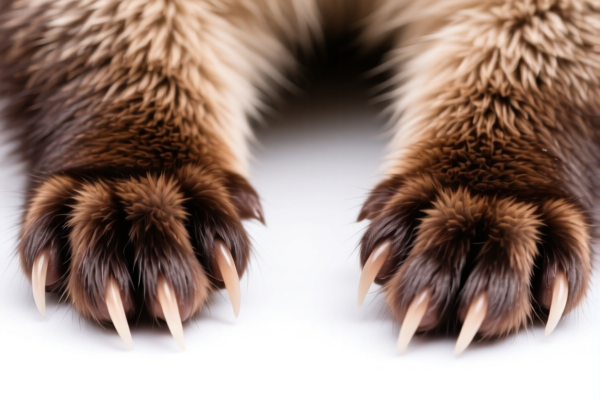
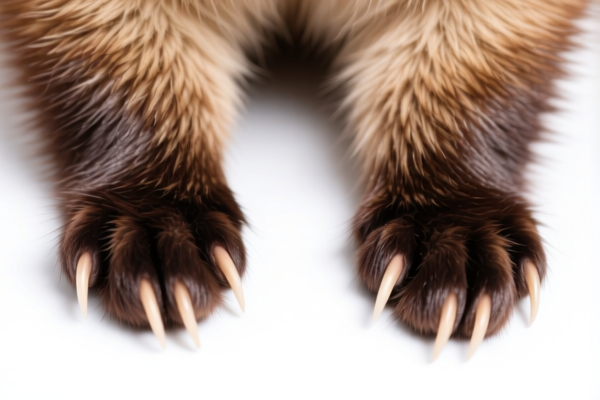
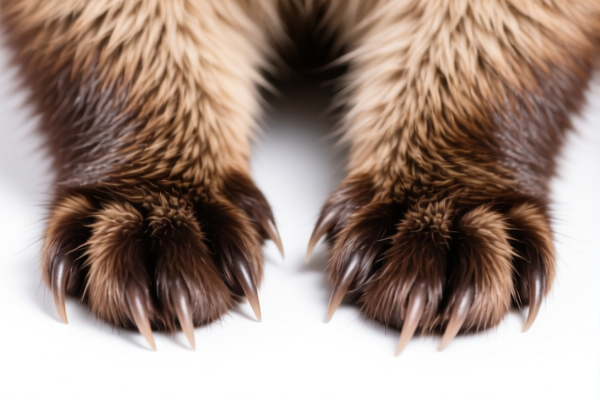
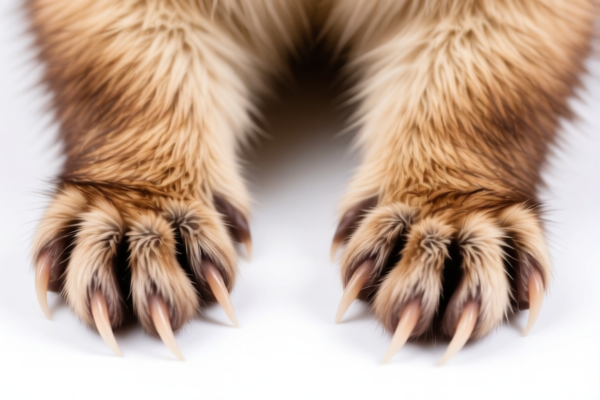
AI Analysis
🦊 Mink Fur (Mink Skins & Mink Fur Products)
🌐 HS Code Reference & Clearance Guide | 2026 Latest Tariff Analysis | Professional Clearance Strategy
📌 1. Product Definition and Classification: Do You Really Understand "Mink Fur"?
Mink fur is a high-value luxury material used primarily in the fashion industry. In international trade, it is strictly categorized based on its processing state and form. The classification determines not only the duty rate but also the regulatory requirements.
Raw Mink Skins (Whole or Pieces): Unprocessed or simply dried skins, including fragments or slices, suitable for further processing.
Processed Mink Skins: Skins that have undergone tanning, dyeing, or other treatment, typically in whole pelts or prepared for garment manufacturing.
Mink Fur Manufactures: Finished goods made primarily of mink fur, such as coats, stoles, hats, or collars.
⚠️ Key Distinction Point:
- If the product is a raw, dried, or salted skin (whole or cut) → Classified under 4301.10.00.20
- If the product is tanned or dyed (whole pelt) → Classified under 4302.11.00.10 or 4302.11.00.20
- If the product is a finished garment/accessory → Classified under 4303.10.00.30
📦 2. HS Code Classification Details (2026 Latest Tariff Authority Comparison)
| HS Code | Product Description | Applicable Scenario | Processing Level |
|---|---|---|---|
4301.10.00.20 |
Mink skins, whole or pieces/slices (raw) | Raw trade, initial processing stage | ❌ Raw/Simple Dry |
4302.11.00.10 |
Processed mink skins, in pelts or whole skins | Tanned, dyed, prepared for manufacturing | ✅ Processed |
4302.11.00.20 |
Mink skins, other processed forms (non-pelt) | Cut pelts, prepared leather scraps | ✅ Processed |
4303.10.00.30 |
Articles of mink fur (manufactures) | Finished coats, stoles, accessories | ✅ Finished Good |
🔍 Key Reminder:
- Raw skins (4301) attract lower base tariffs but face significant additional duties.
- Processed skins (4302) are considered further along the supply chain; base tariffs are slightly higher than raw skins but still subject to heavy additional taxes.
- Finished goods (4303) bear the highest base tariff among these categories, reflecting the value addition.
💰 3. 2026 Latest Tariff Rate Details (Including Additional Taxes & Policy Add-ons)
✅ Applicable Country: United States (US)
✅ Origin: China (CN)
✅ Effective Time: Current rates apply including Section 301 and Section 122 tariffs.
🎯 1. 4301.10.00.20 —— Mink Skins, Whole or Pieces/Slices (Raw)
| Item | Content |
|---|---|
| Base Duty Rate | 0.0% (ad valorem) |
| Section 301 Additional Duty | +7.5% (USITC Footnote related to Chinese origin fur) |
| Section 122 Duty | +10% (Executive Order on Imports from China) |
| Total Rate | 17.5% |
| Tax Calculation | CIF Value × 17.5% |
| De Minimis Exemption | ❌ Not Applicable (High risk of audit due to luxury nature) |
| Legal Basis Path | HTSUS:4301.10.00.20 → Section 301: 7.5% → Section 122: 10% |
📌 Explanation:
- Although the base tariff is 0%, the Section 122 duty (10%) and Section 301 duty (7.5%) make this category relatively affordable compared to processed goods.
- Caution: Customs may scrutinize "raw" claims to ensure they are not disguised finished goods to avoid higher taxes.
🎯 2. 4302.11.00.10 —— Processed Mink Skins, in Pelts or Whole Skins
| Item | Content |
|---|---|
| Base Duty Rate | 2.1% (ad valorem) |
| Section 301 Additional Duty | +25.0% |
| Section 122 Duty | +10% |
| Total Rate | 37.1% |
| Tax Calculation | CIF Value × 37.1% |
| De Minimis Exemption | ❌ Not Applicable |
| Legal Basis Path | HTSUS:4302.11.00.10 → Section 301: 25% → Section 122: 10% |
📌 Explanation:
- The base tariff jumps to 2.1% for processed goods.
- The Section 301 duty (25%) is the dominant cost driver.
- Note: "Processed" includes tanning, dyeing, or any treatment beyond simple drying/salting.
🎯 3. 4302.11.00.20 —— Mink Skins, Other Processed Forms
| Item | Content |
|---|---|
| Base Duty Rate | 2.1% (ad valorem) |
| Section 301 Additional Duty | +25.0% |
| Section 122 Duty | +10% |
| Total Rate | 37.1% |
| Tax Calculation | CIF Value × 37.1% |
| De Minimis Exemption | ❌ Not Applicable |
| Legal Basis Path | HTSUS:4302.11.00.20 → Section 301: 25% → Section 122: 10% |
📌 Explanation:
- Same tax burden as4302.11.00.10.
- Applies to skins that are processed but not in standard pelt form (e.g., cut pieces for manufacturing).
🎯 4. 4303.10.00.30 —— Articles of Mink Fur (Manufactures)
| Item | Content |
|---|---|
| Base Duty Rate | 4.0% (ad valorem) |
| Section 301 Additional Duty | +25.0% |
| Section 122 Duty | +10% |
| Total Rate | 39.0% |
| Tax Calculation | CIF Value × 39.0% |
| De Minimis Exemption | ❌ Not Applicable |
| Legal Basis Path | HTSUS:4303.10.00.30 → Section 301: 25% → Section 122: 10% |
📌 Explanation:
- Highest base tariff (4.0%) because it is a finished consumer good.
- Total tax of 39.0% significantly impacts profit margins for luxury goods.
- Includes coats, vests, stoles, and other apparel/accessories made primarily of mink fur.
🛠️ 4. Clearance Operational Advice (Practical Pitfall Avoidance Guide)
✅ 1. Preparation Checklist (Essential Documents)
| Document | Required | Description |
|---|---|---|
| ✅ Commercial Invoice | ✔️ | Must clearly state "Mink Fur" and specify "Raw" or "Processed" |
| ✅ Packing List | ✔️ | Detail quantity, weight, and package dimensions |
| ✅ Certificate of Origin | ✔️ | Crucial for verifying Chinese origin to apply correct Section 301/122 duties |
| ✅ Processing Statement | ✔️ | Declare if skins are tanned/dyed to distinguish between HS 4301 and 4302 |
| ✅ CITES Permit | ✔️ | If applicable (check endangered species regulations) |
| ✅ Product Photos | ✔️ | Clear images showing skin condition (raw vs. processed) and product type |
✅ 2. Declaration Tips (Key Mnemonic)
🔥 “Raw is 0% base, Processed is 2.1%, Finished is 4.0%! Don’t confuse the form!”
| Scenario | Correct Declaration | Wrong Practice |
|---|---|---|
| Dried, salted, un-dyed skins | 4301.10.00.20 (Raw) |
Declare as "Processed" → Higher tax |
| Tanned/Dyed whole pelts | 4302.11.00.10 (Processed) |
Declare as "Raw" → Misclassification Penalty |
| Finished Mink Coat | 4303.10.00.30 (Finished) |
Declare as "Skins" → Severe Penalty & Confiscation |
| Cut pieces for sewing | 4302.11.00.20 (Processed) |
Declare as "Raw" → Audit Risk |
✅ 3. Special Situation Handling
| Situation | Handling Advice |
|---|---|
| Mixed Shipments | Clearly separate raw skins, processed skins, and finished goods in different line items |
| Customs Valuation | Provide invoices from reputable fur auctions (e.g., Thorp, Stockholm) to justify CIF value |
| Labeling | Must comply with FTC Fur Products Labeling Act: “Artificial,” “Imitation,” or genuine fur name must be disclosed |
| Origin Fraud | Ensure origin marking is accurate; re-labeling in third countries to avoid Section 301/122 is illegal |
📌 5. Common Mistakes & Pitfall Guide (Lessons Learned from Tears)
❌ Mistake 1: Declaring "Processed Skins" as "Raw Skins"
👉 Consequence: Base tariff difference (0% vs 2.1%) is small, but Section 301/122 application might be questioned. If caught, back taxes + penalties apply.
👉 Result: Delayed clearance, fines.
❌ Mistake 2: Declaring "Finished Coats" as "Skins"
👉 Consequence: Illegal misdeclaration. Customs will reclassify to 4303.10.00.30 and impose penalties.
👉 Result: Seizure of goods, blacklisting of importer.
❌ Mistake 3: Ignoring "Section 122"
👉 Consequence: Assuming only Section 301 (25%) applies. Forgetting the extra 10%.
👉 Result: Underpayment of 10%, leading to post-audit bills.
❌ Mistake 4: Vague Description "Mink Products"
👉 Consequence: Customs cannot determine HS Code.
👉 Result: Release on hold until detailed documentation is provided.
✅ Correct Practice:
“Mink Skins, Tanned, Whole Pelts, Origin: China, Value: $XX, HS: 4302.11.00.10”
OR
“Mink Fur Coat, Fully Lined, Origin: China, Value: $XX, HS: 4303.10.00.30”
🎯 6. Conclusion: Precise Classification, Smooth Clearance!
🎯 Remember:
🔹 “Raw 0% Base, Processed 2.1%, Finished 4.0%!”
🔹 “Don’t hide processed as raw, don’t hide finished as skin!”
🔹 “Total Tax is 17.5% (Raw) vs 37.1%/39.0% (Processed/Finished)!”
📌 Pro Tip:
- Always provide detailed processing descriptions to avoid misclassification.
- Consider Advance Rulings from CBP if unsure about the status of semi-processed goods.
- Keep CITES documents ready if the mink is from certain regulated sources.
📣 Immediate Action:
📞 Consult with a licensed customs broker
📄 Prepare accurate commercial invoices with clear product descriptions
🚀 Ensure compliant clearance, avoid penalties, and protect your luxury supply chain!
✨ Professional Clearance Starts with Precise Classification!
💼 Every percent of tax matters in the luxury fur trade!
Customer Reviews
About HS Code Classification
The Harmonized System (HS) is an internationally standardized nomenclature developed by the World Customs Organization (WCO) to classify traded products. Over 200 countries use the HS system as the basis for customs tariffs, trade statistics, and import/export regulations.
Each HS code follows a hierarchical structure:
- Chapter (2 digits) — Broad category of goods (e.g., Chapter 84: Machinery and Mechanical Appliances)
- Heading (4 digits) — More specific grouping within the chapter
- Subheading (6 digits) — Internationally standardized breakdown, used by all WCO member countries
- National subdivisions (8-10 digits) — Country-specific extensions for further classification, such as US HTSUS 10-digit codes
Correct HS code classification is essential for smooth customs clearance, accurate duty payment, and compliance with trade regulations. Misclassification can lead to customs delays, overpayment of duties, or penalties.
When importing from CN to US, the applicable tariff rates may include:
- Most-Favored-Nation (MFN) rate — The standard duty rate applied to WTO members
- General rate — Applied to countries without trade agreements
- Trade remedy duties — Additional tariffs such as Section 301 (anti-dumping), Section 232 (national security), or countervailing duties
The information provided on this page is for reference purposes only. For official classification, please consult with your local customs authority or a licensed customs broker.