Mink skins
CN → US| HS Code | Tariff Rate | Origin | Destination | Doc |
|---|---|---|---|---|
| 4302110020 | 37.1% | CN | US | Official Doc |
| 4302110010 | 37.1% | CN | US | Official Doc |
| 4303100030 | 39.0% | CN | US | Official Doc |
| 4301100020 | 17.5% | CN | US | Official Doc |
Product Images
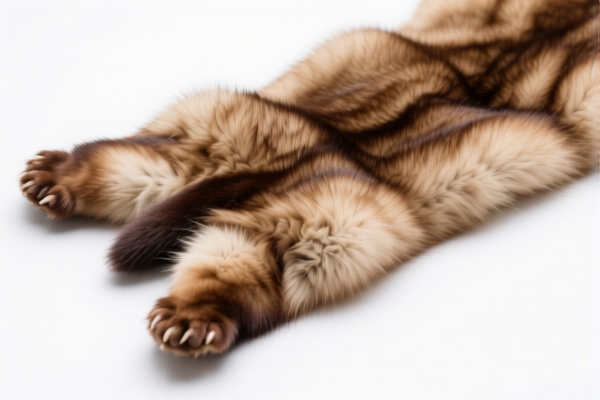
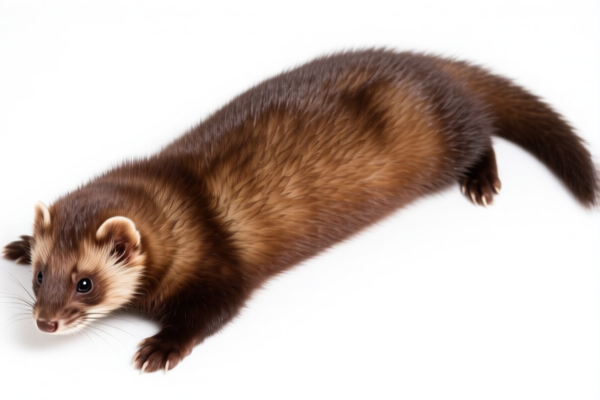
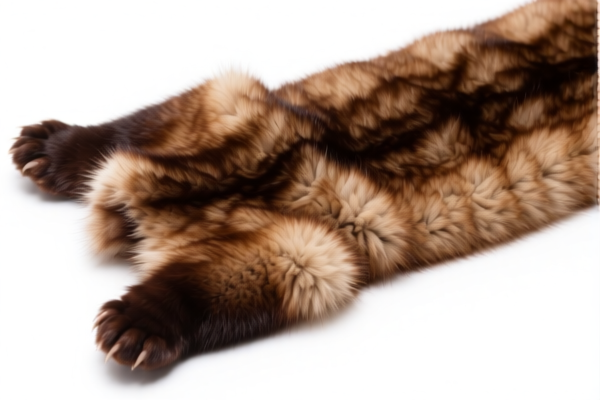
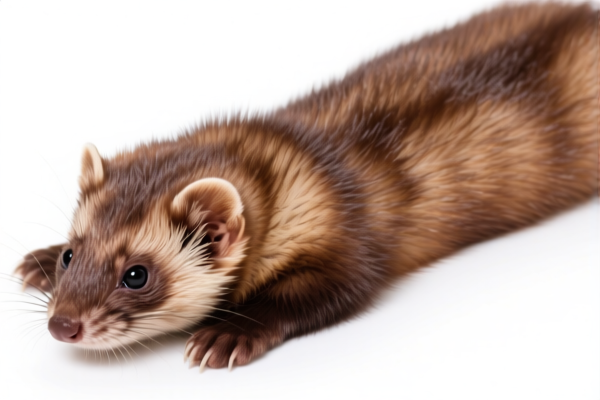
AI Analysis
🦊 Mink Skins: The Ultimate HS Code & Tariff Breakdown (2026 Edition)
🌐 HS Code Reference & Customs Clearance Guide | 2026 Latest Tariff Analysis | Professional Clearance Strategy
📌 I. Product Definition & Classification: Do You Really Know "Mink Skins"?
Mink skins are premium luxury materials used in high-end fashion, fur coats, and accessories. In international trade, they are strictly categorized based on their processing state, form, and material composition.
Raw vs. Processed:
Raw/Semi-Processed Skins (Chapter 4301): Unprocessed or merely dried, salted, or tanned but not yet converted into finished garments or large pieces.
Sewn-Into/Prepared Skins (Chapter 4302/4303): Skins that have been processed, cut, or sewn into specific shapes for further manufacturing.
⚠️ Key Distinction Point:
- If the skin is whole, cut into strips, or in raw/semi-finished form → Often falls under 4301 or 4302.
- If the skin is sewn into larger pieces or converted for specific use → Falls under 4303.
📦 II. HS Code Classification Details (2026 Latest Tariff Authority)
Based on the provided data, here is the precise breakdown for Mink Skins:
| HS Code | Product Description | Category & Logic | Key Characteristics |
|---|---|---|---|
4301.10.00.20 |
Mink Skins (Raw/Semi-Processed) | Chapter 4301: Raw/Hair-on skins | Belongs to the "original skin" category; form matches complete, fragmented, or sliced logic. |
4302.11.00.10 |
Mink Skins (Processed) | Chapter 4302: Sewn into or processed | Material and classification match; form is processed fur. |
4302.11.00.20 |
Mink Skins (Other Mink Fur) | Chapter 4302: Other mink furs | Belongs to the "other mink fur" category; matches fur morphology. |
4303.10.00.30 |
Mink Fur Products (Manufactured) | Chapter 4303: Articles of fur | Core material is mink; falls under the category of fur articles/制品. |
🔍 Important Reminder:
- 4301 vs. 4302/4303: The primary difference lies in the degree of processing. Raw or minimally processed skins (4301) generally have lower base tariffs but are subject to different trade restrictions. Processed or sewn skins (4302/4303) involve more value addition.
- Form Matters: Whether the skin is whole, cut into panels, or sewn into articles directly impacts the HS Code selection.
💰 III. 2026 Latest Tariff Rate Breakdown (Including Surcharge & Policy Add-ons)
✅ Applicable Country: United States (US)
✅ Origin: China (CN)
✅ Effective Date: 2025/2026 (Subject to current trade policy enforcement)
🎯 1. 4301.10.00.20 —— Mink Skins (Raw/Semi-Processed)
| Item | Details |
|---|---|
| Base Tariff | 0.0% |
| Section 301 Surcharge | +7.5% |
| Section 122 Surcharge | +10% |
| Total Tariff Rate | 17.5% |
| Tax Calculation | CIF Value × 17.5% |
| De Minimis Exemption? | ❌ Not Applicable (High-value luxury goods often excluded) |
| Legal Basis Path | Section 301: 7.5% → Section 122: 10% → USITC: 4301.10.00.20 |
📌 Explanation:
- While the base tariff is 0%, the Section 301 (7.5%) and Section 122 (10%) surcharges apply, bringing the total to 17.5%.
- This is the lowest tariff bracket among the provided mink skin codes, but only if the goods strictly qualify as "raw/semi-processed" under 4301.
🎯 2. 4302.11.00.10 & 4302.11.00.20 —— Mink Skins (Processed)
| Item | Details |
|---|---|
| Base Tariff | 2.1% |
| Section 301 Surcharge | +25.0% |
| Section 122 Surcharge | +10% |
| Total Tariff Rate | 37.1% |
| Tax Calculation | CIF Value × 37.1% |
| De Minimis Exemption? | ❌ Not Applicable |
| Legal Basis Path | Base: 2.1% → Section 301: 25% → Section 122: 10% → USITC: 4302.11.00.xx |
📌 Explanation:
- Both codes under 4302 share the same tax structure.
- The 25% Section 301 surcharge significantly increases the cost compared to raw skins.
- This rate applies to skins that are processed, sewn, or prepared for further manufacture.
🎯 3. 4303.10.00.30 —— Mink Fur Products (Articles)
| Item | Details |
|---|---|
| Base Tariff | 4.0% |
| Section 301 Surcharge | +25.0% |
| Section 122 Surcharge | +10% |
| Total Tariff Rate | 39.0% |
| Tax Calculation | CIF Value × 39.0% |
| De Minimis Exemption? | ❌ Not Applicable |
| Legal Basis Path | Base: 4.0% → Section 301: 25% → Section 122: 10% → USITC: 4303.10.00.30 |
📌 Explanation:
- This is the highest tariff bracket (39.0%).
- It applies to finished fur articles or skins that are classified as "fur articles" rather than just raw materials.
- Misclassifying a finished garment as a raw skin here could lead to severe penalties.
🛠️ IV. Customs Clearance Practical Advice (Battle-Tested Pitfall Avoidance)
✅ 1. Essential Documentation Checklist (Non-Negotiable)
| Document | Required? | Notes |
|---|---|---|
| ✅ Product Specification Sheet | ✔️ | Must detail: Species (Mink), Processing Stage (Raw/Processed), Form (Whole/Cut/Sewn). |
| ✅ Photos of Goods | ✔️ | Clear images showing label, texture, and whether it’s raw or sewn. |
| ✅ Commercial Invoice | ✔️ | Must explicitly state "Mink Skins" and the specific HS Code. Avoid vague terms like "Fur". |
| ✅ Packing List | ✔️ | Clearly describe items per box. |
| ✅ CITES Permits (if applicable) | ✔️ | Critical for Mink: Ensure compliance with wildlife trade regulations. Mink is often farmed, but permits may still be required for international trade. |
| ✅ Fur Labeling Compliance | ✔️ | US Fur Products Act requires clear labeling of country of origin and species. |
✅ 2. Declaration Strategy (Key Mnemonic)
🔥 "Raw is 17.5%, Processed is 37.1%, Articles are 39.0%! Classify by Processing Degree!"
| Scenario | Correct HS Code | Incorrect Code | Consequence |
|---|---|---|---|
| Raw/Dried Mink Skins | 4301.10.00.20 (17.5%) |
4302.11.00.10 |
Overpaying ~20% tariff. |
| Processed/Sewn Mink Skins | 4302.11.00.10/20 (37.1%) |
4301.10.00.20 |
Under-declaration! Risk of audit, penalties, and back-taxes. |
| Mink Fur Articles (Coats, etc.) | 4303.10.00.30 (39.0%) |
4302... |
Incorrect classification; may still face higher effective duty if not properly documented as articles. |
✅ 3. Special Handling Tips
| Situation | Recommendation |
|---|---|
| Mixed Shipments | Do NOT mix raw skins and processed skins in one container unless properly segregated and declared. |
| OEM Custom Skins | Provide design specs to prove they are "processed" rather than "raw". |
| Fur Act Compliance | Ensure the label says "Mink" and the country of origin. Mislabeling is a federal offense. |
| CITES Documentation | Even if farmed, check if specific CITES appendices apply. Some mink species may require permits. |
🌍 V. Global Market Comparison (2026 Overview)
| Country/Region | Recommended HS Code | Tariff (US Origin) | Key Requirements | Notes |
|---|---|---|---|---|
| 🇺🇸 USA | 4301.10.00.20 etc. |
17.5% - 39.0% | Fur Labeling Act, CITES | Highest surcharges due to Section 301/122. |
| 🇨🇳 China | 4301 / 4302 |
0% - 10% (varies) | CITES, Import License | Check latest China HS code updates. |
| 🇪🇺 EU | 4301 / 4302 |
0% - 6.5% | REACH, CITES | EU has stricter animal welfare and labeling laws. |
| 🇬🇧 UK | 4301 / 4302 |
0% - 6.5% | UKCA, CITES | Post-Brexit rules may differ slightly. |
| 🇯🇵 Japan | 4301 / 4302 |
0% - 5% | FSC, CITES | No major surcharges, but strict inspection. |
📌 Conclusion:
- USA has the highest effective tariffs for Chinese-origin mink skins due to Section 301 (25%) and Section 122 (10%) surcharges.
- Raw skins (4301) are significantly cheaper to import than processed skins (4302/4303).
- Compliance with Fur Labeling and CITES is non-negotiable in all major markets.
📌 VI. Common Mistakes & Pitfall Guide (Lessons from the Field)
❌ Mistake 1: Declaring "Processed Skins" as "Raw Skins" to save taxes.
👉 Consequence: Customs inspection reveals processing marks (sewing, cutting). Penalties, back-taxes, and possible seizure.
❌ Mistake 2: Using "Fur" as a generic description on the invoice.
👉 Consequence: Customs may classify under a higher duty rate or require additional documentation, causing delays.
❌ Mistake 3: Ignoring CITES requirements.
👉 Consequence: Shipment held or destroyed at border if permits are missing. Mink is heavily regulated.
❌ Mistake 4: Misclassifying "Articles" (coats) as "Skins".
👉 Consequence: While the rate difference might be small (39% vs 37.1%), the legal description is wrong, leading to audits and reputational damage.
✅ Correct Practice:
"Mink Skins, Processed, 4302.11.00.10, CITES Permit Attached, Labeled per Fur Products Act"
🎯 VII. Conclusion: Precision in Classification Saves Money!
🎯 Remember the Rule:
🔹 "Raw = 17.5%, Processed = 37.1%, Articles = 39.0%."
🔹 "Documentation is Key: CITES + Fur Labeling + Clear Description."
📌 Pro Tip:
- If you are importing raw skins for further processing in the US, consider Foreign Trade Zones (FTZ) or Bonded Warehouses to defer duty payments.
- Always request a Pre-Ruling from US Customs if the processing stage is ambiguous.
📣 Take Action Now:
📞 Consult a licensed customs broker.
📄 Verify CITES permits.
📝 Ensure your invoice matches the exact HS Code and product description.
✨ Professional Clearance Starts with Accurate Classification!
💼 Your Margin Depends on Getting the HS Code Right!
Customer Reviews
About HS Code Classification
The Harmonized System (HS) is an internationally standardized nomenclature developed by the World Customs Organization (WCO) to classify traded products. Over 200 countries use the HS system as the basis for customs tariffs, trade statistics, and import/export regulations.
Each HS code follows a hierarchical structure:
- Chapter (2 digits) — Broad category of goods (e.g., Chapter 84: Machinery and Mechanical Appliances)
- Heading (4 digits) — More specific grouping within the chapter
- Subheading (6 digits) — Internationally standardized breakdown, used by all WCO member countries
- National subdivisions (8-10 digits) — Country-specific extensions for further classification, such as US HTSUS 10-digit codes
Correct HS code classification is essential for smooth customs clearance, accurate duty payment, and compliance with trade regulations. Misclassification can lead to customs delays, overpayment of duties, or penalties.
When importing from CN to US, the applicable tariff rates may include:
- Most-Favored-Nation (MFN) rate — The standard duty rate applied to WTO members
- General rate — Applied to countries without trade agreements
- Trade remedy duties — Additional tariffs such as Section 301 (anti-dumping), Section 232 (national security), or countervailing duties
The information provided on this page is for reference purposes only. For official classification, please consult with your local customs authority or a licensed customs broker.