Miscellaneous Box Lid
CN → US| HS Code | Tariff Rate | Origin | Destination | Doc |
|---|---|---|---|---|
| 3924905650 | 20.9% | CN | US | Official Doc |
| 3923109000 | 38.0% | CN | US | Official Doc |
| 3923500000 | 40.3% | CN | US | Official Doc |
| 3924104000 | 13.4% | CN | US | Official Doc |
Product Images
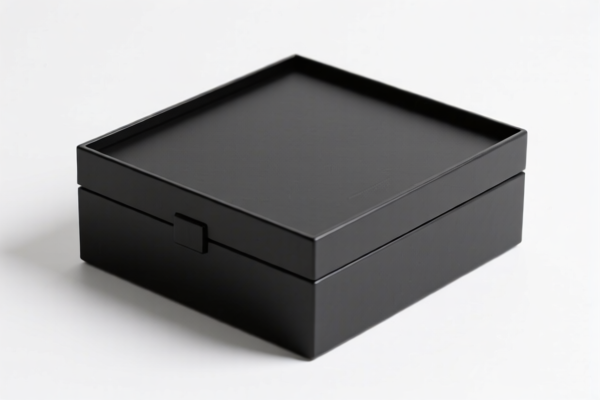
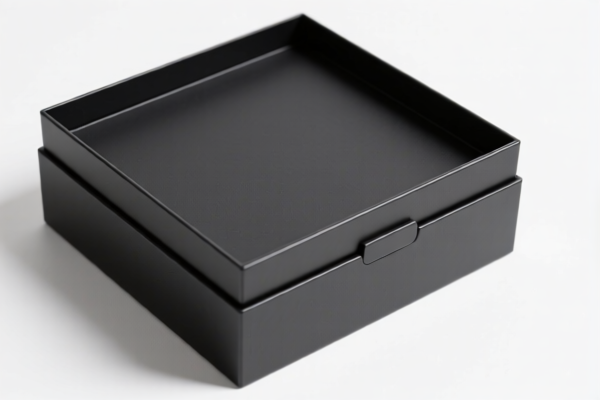
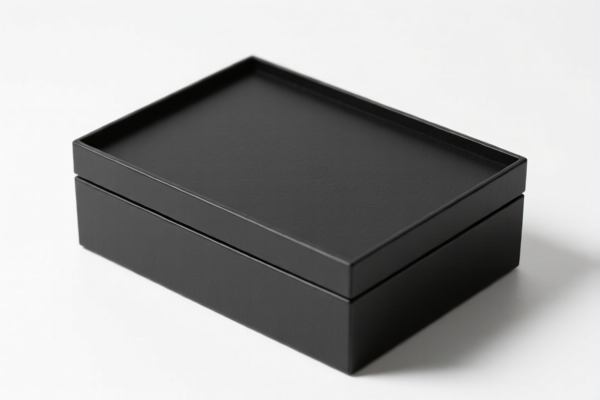
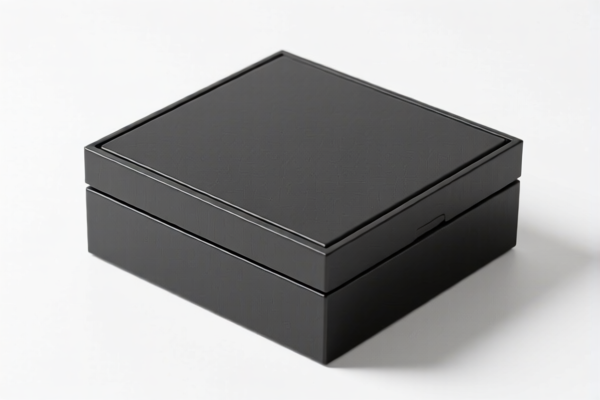
AI Analysis
📦 Miscellaneous Box Lid (Plastic)
🌐 HS Code Reference & Customs Clearance Guide | 2026 Latest Tariff Analysis | Professional Entry Strategy
📌 I. Product Definition & Classification: Do You Truly Understand the "Plastic Lid"?
A "Miscellaneous Box Lid" is a generic term often used in e-commerce or logistics, but in international trade, its HS Code classification depends entirely on its specific function, material, and intended use. For plastic lids, the two primary battlegrounds are Chapter 39 (Plastics) and specific sub-headings distinguishing between Household Goods and Packaging Materials.
⚠️ Critical Distinction:
- If the lid is primarily for household storage organization (e.g., plastic bins for toys, clothes, kitchenware) → It leans towards 9403/3924 (Household).
- If the lid is primarily for sealing, protecting, or packaging goods during transport or retail → It leans towards 3923 (Packaging).
- Misclassification Risk: Declaring a "Packaging Lid" as a "Household Accessory" (or vice versa) can result in significant tariff differences due to US Section 301 and Section 122 tariffs.
📦 II. HS Code Classification Details (2026 Latest Tariff Authority)
Based on the provided data, here are the four most relevant HS Codes for "Plastic Miscellaneous Box Lids" from China to the US:
| HS Code | Product Description | Application Scenario | Tax Rate (Total) | Key Characteristics |
|---|---|---|---|---|
3924.90.56.50 |
Plastic Miscellaneous Box Lid, Material: Plastic, Use: Household Accessory | Storage bins, organizer boxes, home organization | 20.9% | Base: 3.4% + Sec 301: 7.5% + Sec 122: 10% |
3923.10.90.00 |
Plastic Miscellaneous Box Lid, Material: Plastic, Form: Lid, Use: Packaging | Sealing containers, transport packaging, retail packs | 38.0% | Base: 3.0% + Sec 301: 25.0% + Sec 122: 10% |
3923.50.00.00 |
Plastic Miscellaneous Box Lid, Material: Plastic, Form: Lid, Use: Packaging/Sealing | Tight-sealing lids, airtight containers, food packaging | 40.3% | Base: 5.3% + Sec 301: 25.0% + Sec 122: 10% |
3924.10.40.00 |
Plastic Miscellaneous Box Lid, Material: Plastic, Use: Household, Other Category | Generic household plastic parts, non-specific home use | 13.4% | Base: 3.4% + Sec 301: 0.0% + Sec 122: 10% |
🔍 Key Insight:
- Cheapest Option:3924.10.40.00(13.4%) – Only if you can prove it’s a general "Household" item with no specific packaging function.
- Most Common/Standard Packaging:3923.10.90.00(38.0%) – High Section 301 duty.
- Highest Duty:3923.50.00.00(40.3%) – Often applies to specific sealing/preserving lids.
💰 III. 2026 Latest Tariff Rate Breakdown (Detailed Policy Analysis)
✅ Applicable Country: United States (US)
✅ Origin: China (CN)
✅ Effective Date: Post-2025 (Current Enforcement)
🎯 1. 3924.90.56.50 – Plastic Household Accessory Lid
| Item | Content |
|---|---|
| Base Duty | 3.4% (Ad Valorem) |
| Section 301 Duty | +7.5% (List 4B / Specific Subheading Relief) |
| Section 122 Duty | +10% (De Minimis/Specific Category) |
| Total Duty | 20.9% |
| Calculation | CIF Value × 20.9% |
| De Minimis Exemption | ❌ Not Eligible (Must file formal entry if value > $800, but duty still applies if not de minimis) |
| Legal Path | USITC:3924.90.56.50 → FOOTNOTE:Section 301 → Section 122 |
📌 Explanation:
- This code benefits from a reduced Section 301 rate (7.5%) compared to the standard 25%, likely due to specific exclusion or subheading relief for certain household plastic goods.
- Total 20.9% is significantly lower than packaging counterparts.
🎯 2. 3923.10.90.00 – Plastic Packaging Lid
| Item | Content |
|---|---|
| Base Duty | 3.0% |
| Section 301 Duty | +25.0% (Standard List 3/4 Penalty) |
| Section 122 Duty | +10% |
| Total Duty | 38.0% |
| Calculation | CIF Value × 38.0% |
| De Minimis Exemption | ❌ Not Eligible |
| Legal Path | USITC:3923.10.90.00 → FOOTNOTE:Section 301 → Section 122 |
📌 Explanation:
- Lids classified as "Packaging" fall under the standard 25% Section 301 tariff.
- This is a high-cost category. Many importers avoid this unless the product is exclusively for packaging (not consumer household use).
🎯 3. 3923.50.00.00 – Plastic Sealing/Packaging Lid
| Item | Content |
|---|---|
| Base Duty | 5.3% |
| Section 301 Duty | +25.0% |
| Section 122 Duty | +10% |
| Total Duty | 40.3% |
| Calculation | CIF Value × 40.3% |
| De Minimis Exemption | ❌ Not Eligible |
| Legal Path | USITC:3923.50.00.00 → FOOTNOTE:Section 301 → Section 122 |
📌 Explanation:
- Highest base duty (5.3%) + Standard 25% Sec 301.
- Typically used for food-grade, airtight, or preservation-focused lids.
🎯 4. 3924.10.40.00 – Plastic Household Lid (Other)
| Item | Content |
|---|---|
| Base Duty | 3.4% |
| Section 301 Duty | 0.0% (Exempt or Low-Rate List) |
| Section 122 Duty | +10% |
| Total Duty | 13.4% |
| Calculation | CIF Value × 13.4% |
| De Minimis Exemption | ❌ Not Eligible |
| Legal Path | USITC:3924.10.40.00 → FOOTNOTE:Section 122 |
📌 Explanation:
- Lowest Total Duty (13.4%) because Section 301 is 0%.
- High Risk: You must prove this is a Household Item and NOT a packaging component. If Customs determines it’s used for packaging, you’ll be reassigned to 38–40% duty.
🛠️ IV. Customs Clearance Practical Advice (Avoid Pitfalls)
✅ 1. Documentation Checklist (Non-Negotiable)
| Document | Required? | Notes |
|---|---|---|
| ✅ Product Specification Sheet | ✔️ | Must clearly state: "For Household Storage" vs. "For Packaging" |
| ✅ Product Photos | ✔️ | Show the lid in use with a household bin, NOT with shipping cartons |
| ✅ Commercial Invoice | ✔️ | Description must be precise: "Plastic Lid for Household Storage Box" |
| ✅ Labeling/Packaging Photos | ✔️ | Avoid terms like "Packaging Material" or "Shipping Container" |
| ✅ Usage Statement | ✔️ | Optional but helpful: "Used for organizing household items" |
✅ 2. Declaration Strategy (Key Mantra)
🔥 "Household Use, Low Duty; Packaging Use, High Duty. Describe Clearly, Avoid Penalty!"
| Scenario | Correct HS Code | Wrong Code | Consequence |
|---|---|---|---|
| Lid for toy box, laundry bin | 3924.90.56.50 or 3924.10.40.00 |
3923.10.90.00 |
Overpay 14–27% duty |
| Lid for food storage, transport packaging | 3923.10.90.00 or 3923.50.00.00 |
3924.10.40.00 |
Underpay 25% duty → Penalty + Back Taxes |
| Generic plastic lid | 3924.10.40.00 (if defensible) |
3923.10.90.00 |
Risk of audit if no household context |
✅ 3. Special Cases
| Situation | Handling Advice |
|---|---|
| OEM Custom Lids | Provide design specs showing intended household use. Avoid "packaging" language. |
| Food-Grade Lids | Even if for home use, if marketed as "food storage," Customs may lean toward 3923.50.00.00 (40.3%). Provide evidence of non-food retail packaging if possible. |
| Mixed Shipments | Separate household lids from packaging lids. Do not mix in one line item. |
| De Minimis (Section 321) | Note: While Section 301 duties often apply to de minimis entries, Section 122 may still apply. Always check current CBP guidance for de minimis exemptions. |
🌍 V. Global Market Comparison (2026)
| Country/Region | Recommended HS Code | Tariff (China Origin) | Notes |
|---|---|---|---|
| 🇺🇸 USA | 3924.90.56.50 or 3924.10.40.00 |
13.4% – 20.9% | Avoid 3923 codes if possible due to 25% Sec 301 |
| 🇨🇳 China | 3924.90.56.50 |
~5% | Low import duty, no Sec 301 |
| 🇪🇺 EU | 3924.90.00 |
6.5% | No Section 301/122 equivalents, but higher base duty |
| 🇬🇧 UK | 3924.90.00 |
6.5% | Post-Brexit tariff regime |
📌 Conclusion:
- The US is the most complex market due to Section 301 and Section 122 tariffs.
- Home Use > Packaging Use for duty savings.
- Documentation is Key: Prove household use to access 13.4–20.9% rates instead of 38–40.3%.
📌 VI. Common Mistakes & Pitfalls (Blood Lessons)
❌ Mistake 1: Declaring a "Packaging Lid" as 3924.10.40.00 (13.4%)
👉 Result: Customs audit → Reclassification to 3923.10.90.00 (38.0%) → Back taxes + penalties
❌ Mistake 2: Using "Plastic Lid" as the only description
👉 Result: Customs officer chooses the higher-duty code (3923) by default → Unnecessary cost
❌ Mistake 3: Mixing Household and Packaging lids in one shipment
👉 Result: Entire shipment may be flagged → Delay + Inspection
✅ Correct Practice:
"Plastic Lid for Household Storage Bin, Non-Packaging Use, Model XYZ, Material: PP"
🎯 VII. Conclusion: Precise Classification Saves Money!
🎯 Remember the Mantra:
🔹 "Household: 13–21% Duty; Packaging: 38–40% Duty. Prove Home Use!"
🔹 "HS Code Defines Cost, Description Defines Truth."
📌 Pro Tip:
If your plastic lid can be used for both household storage and packaging, declare it as Household (3924) and provide evidence (photos, marketing materials) of household use to mitigate Section 301 duties. However, if it is exclusively for packaging, declare it as Packaging (3923) to avoid fraud claims.
📣 Immediate Action:
📞 Consult with a licensed customs broker.
📤 Provide product images and intended use cases.
🚀 Optimize your supply chain for cost-effective, compliant clearance.
✨ Professional Clearance Starts with Accurate Classification!
💼 Every Percent of Duty Saved is Pure Profit!
Customer Reviews
About HS Code Classification
The Harmonized System (HS) is an internationally standardized nomenclature developed by the World Customs Organization (WCO) to classify traded products. Over 200 countries use the HS system as the basis for customs tariffs, trade statistics, and import/export regulations.
Each HS code follows a hierarchical structure:
- Chapter (2 digits) — Broad category of goods (e.g., Chapter 84: Machinery and Mechanical Appliances)
- Heading (4 digits) — More specific grouping within the chapter
- Subheading (6 digits) — Internationally standardized breakdown, used by all WCO member countries
- National subdivisions (8-10 digits) — Country-specific extensions for further classification, such as US HTSUS 10-digit codes
Correct HS code classification is essential for smooth customs clearance, accurate duty payment, and compliance with trade regulations. Misclassification can lead to customs delays, overpayment of duties, or penalties.
When importing from CN to US, the applicable tariff rates may include:
- Most-Favored-Nation (MFN) rate — The standard duty rate applied to WTO members
- General rate — Applied to countries without trade agreements
- Trade remedy duties — Additional tariffs such as Section 301 (anti-dumping), Section 232 (national security), or countervailing duties
The information provided on this page is for reference purposes only. For official classification, please consult with your local customs authority or a licensed customs broker.