Mite Miticide Slow Release Agent
CN → US| HS Code | Tariff Rate | Origin | Destination | Doc |
|---|---|---|---|---|
| 3808611000 | 41.5% | CN | US | Official Doc |
| 3808999501 | 40.0% | CN | US | Official Doc |
| 3808595000 | 15.0% | CN | US | Official Doc |
| 3808611000 | 41.5% | CN | US | Official Doc |
| 3808999501 | 40.0% | CN | US | Official Doc |
Product Images
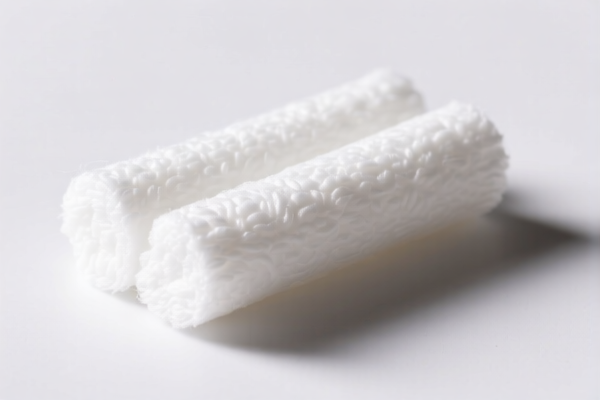
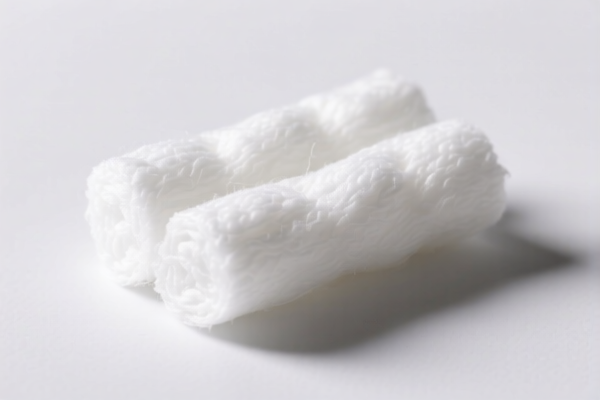
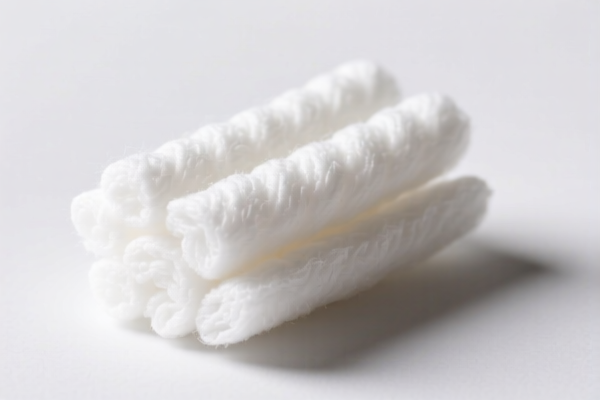
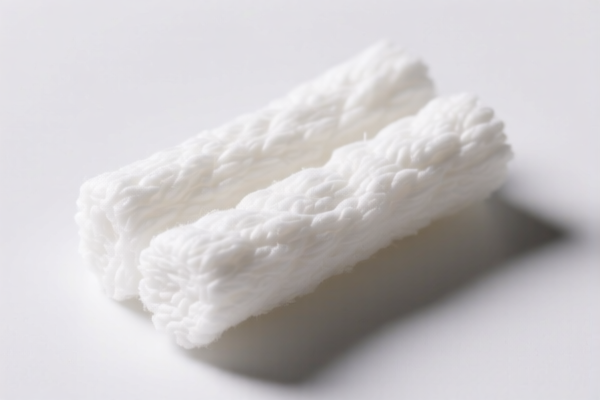
AI Analysis
🕷️ Mite Miticide Slow Release Agent (Acaricides)
🌐 HS Code Reference & Customs Clearance Guide | 2026 Latest Tariff Full Analysis | Professional通关 Strategy for Agricultural Chemicals
📌 I. Product Definition & Classification: What Exactly Is a "Slow Release Agent"?
Mite Miticides (Acaricides) are chemical substances used to control mite infestations in agriculture, horticulture, and industrial settings. The term "Slow Release" is critical here. It refers to the formulation technology (e.g., micro-encapsulation, granules, wafers) rather than the active ingredient itself.
In international trade classification: * Active Ingredient vs. Formulation: If the product is a pure chemical substance, it might fall under Chapter 29. However, if it is mixed with carriers, solvents, or encapsulated for controlled release, it is classified as a pesticide/herbicidal/fungicidal formulation under Chapter 38. * "Slow Release" Characteristics: This implies a specialized delivery system (e.g., polymer-coated granules or liquid emulsions designed for gradual release). This often triggers specific sub-headings related to "other preparations" or specific liquid/gaseous states.
⚠️ Key Distinction:
- Granular/Solid Slow-Release: Often classified under specific "Other" categories or specific pesticide headings depending on the exact chemical composition.
- Liquid/Diluted Solutions: Classified based on whether they are ready-to-use or concentrates.
- Formulation Type: The physical state (solid vs. liquid) and the presence of "slow-release" mechanisms significantly impact the HS Code selection between 3808.59, 3808.61, and 3808.99.
📦 II. HS Code Classification Details (2026 Latest Tariff Authority Comparison)
Based on the provided data, there are three potential HS Codes depending on the specific formulation and concentration.
| HS Code | Product Description | Applicable Scenario | Tax Rate Summary | Key Classification Logic |
|---|---|---|---|---|
3808.61.10.00 |
Mite Miticide Slow Release Agent (Solid/Granular/Encapsulated) |
Specialized slow-release formulations (e.g., granules, wafers) where the mechanism is integral to the product identity. | 41.5% | Fits "Insecticides, fungicides, etc." + specific sub-category for "slow release" or specialized solid preparations. Often grouped under specific "Other" or "Insecticides" depending on national sub-heading nuances. |
3808.99.95.01 |
Mite Miticide Diluted Solution (Liquid Formulation) |
Liquid acaricides that are diluted or ready-to-use solutions. Classified under "Other" pesticides due to liquid state and dilution. | 40.0% | "Other" pesticides (3808.99) because it's not a pure gas/liquid insecticide heading 3808.59/61. Liquid state puts it in "Other" preparations. |
3808.59.50.00 |
Mite Miticide Diluted Solution (Concentrate/General Pesticide) |
General pesticide concentrates or diluted solutions that fit the broader "Insecticides, fungicides, etc." category but do not meet the specific "slow release" or "liquid other" criteria. | 15.0% | General "Insecticides" (3808.59). This is the most common code for standard pesticide formulations unless specific "slow release" or "other" liquid criteria are met. |
🔍 Critical Note:
-3808.61.10.00(41.5%) is likely the highest tariff but applies to specialized slow-release solid/granular products.
-3808.99.95.01(40.0%) applies to liquid diluted solutions.
-3808.59.50.00(15.0%) is the most cost-effective and applies to general pesticide preparations (concentrates or diluted), assuming they don't fit the specific "slow release" or "other liquid" definitions.
- Clarification: The term "Slow Release" in the prompt strongly suggests3808.61.10.00or3808.99.95.01if the formulation is specialized. However, if it is a standard diluted miticide,3808.59.50.00may apply. Proper documentation is key.
💰 III. 2026 Latest Tariff Rate Details (Including Additional Taxes, Policy Add-ons)
✅ Applicable Country: USA (US)
✅ Origin: China (CN)
✅ Effective Date: November 10, 2025 (and subsequent imports)
🎯 1. 3808.61.10.00 —— Mite Miticide Slow Release Agent (Specialized Solid/Slow-Release)
| Item | Details |
|---|---|
| Base Tariff | 6.5% |
| Section 301 Additional Tariff | +25% |
| Section 122 Tariff | +10% |
| Total Tax Rate | 41.5% |
| Calculation | CIF Value × 41.5% |
| De Minimis Eligibility | ❌ No (High risk of audit/penalty) |
| Legal Path | Base Tariff 3808.61.10.00 → Section 301 Footnote 9903.88.01 → Section 122 |
📌 Explanation:
- Base 6.5%: Standard MFN rate for certain pesticide preparations.
- Section 301 (+25%): Applies to Chinese-origin goods in this HTSUS category.
- Section 122 (+10%): Additional tariff on specific chemical products.
- Total 41.5%: Very high. This rate applies if the product is specifically classified as a "slow-release" agent under this specific sub-heading.
🎯 2. 3808.99.95.01 —— Mite Miticide Diluted Solution (Liquid "Other" Preparation)
| Item | Details |
|---|---|
| Base Tariff | 5.0% |
| Section 301 Additional Tariff | +25% |
| Section 122 Tariff | +10% |
| Total Tax Rate | 40.0% |
| Calculation | CIF Value × 40.0% |
| De Minimis Eligibility | ❌ No |
| Legal Path | Base Tariff 3808.99.95.01 → Section 301 Footnote 9903.88.01 → Section 122 |
📌 Note:
- Base 5.0%: Lower base rate for "Other" pesticides.
- Total 40.0%: Still very high due to Section 301 and 122.
- Why this code?: Liquid diluted miticides often fall under "Other" (3808.99) rather than specific insecticide headings if they are mixed or diluted.
🎯 3. 3808.59.50.00 —— Mite Miticide Diluted Solution (General Pesticide)
| Item | Details |
|---|---|
| Base Tariff | 5.0% |
| Section 301 Additional Tariff | 0.0% |
| Section 122 Tariff | +10% |
| Total Tax Rate | 15.0% |
| Calculation | CIF Value × 15.0% |
| De Minimis Eligibility | ❌ No (But significantly cheaper) |
| Legal Path | Base Tariff 3808.59.50.00 → Section 122 |
📌 Critical Advantage:
- Base 5.0%: Standard rate for insecticides/fungicides.
- Section 301 Exemption?: 0% additional tax in this specific sub-heading? Check with customs! The data indicates 0% for Section 301, which is a huge saving.
- Total 15.0%: This is the most cost-effective option.
- Why this code?: If the product is a standard diluted miticide that does not strictly meet the "slow-release" definition of 3808.61 or the "liquid other" definition of 3808.99, it falls here. This is likely the best classification for standard agricultural miticides.
🛠️ IV. Customs Clearance Practical Advice (Battle-Tested Pitfall Avoidance)
✅ 1. Documentation Checklist (Essential for All)
| Document | Required | Notes |
|---|---|---|
| ✅ Product Specification Sheet | ✔️ | Must detail: Active Ingredient %, Formulation Type (Liquid/Solid), Release Mechanism (if any). |
| ✅ MSDS (Material Safety Data Sheet) | ✔️ | Critical for hazardous chemical clearance. |
| ✅ EPA Registration Number | ✔️ | MANDATORY for pesticides in the USA. Without this, the product will be rejected/destroyed. |
| ✅ Commercial Invoice | ✔️ | Clearly state "Pesticide/Miticide", HS Code, and "Made in China". |
| ✅ Packing List | ✔️ | Show gross/net weight, volume, and packaging type (drums, bottles, bags). |
| ✅ Certificate of Origin | ✔️ | Required for tariff calculation and Section 301/122 assessment. |
✅ 2. Classification Strategy (Key Tips)
🔥 "Formulation Dictates Code, EPA is Non-Negotiable!"
| Scenario | Recommended HS Code | Reason |
|---|---|---|
| Standard Liquid Miticide (Diluted or Concentrate) | 3808.59.50.00 |
Best Tax Rate (15%). Assumes it's a general insecticide/pesticide preparation. |
| Specialized Slow-Release Granules | 3808.61.10.00 |
Higher Tax (41.5%). Only if the "slow release" is a defining, patented technology explicitly classified under this sub-heading. |
| Liquid "Other" Preparation | 3808.99.95.01 |
High Tax (40.0%). Use only if it doesn't fit 3808.59 or 3808.61. |
⚠️ Warning:
- Do NOT use3808.59.50.00if the product is explicitly marketed and technically defined as a "Slow Release Agent" that fits3808.61.10.00. Customs may audit and reclassify, leading to penalties.
- Do NOT assume3808.61.10.00is correct just because it says "Slow Release". Check if your specific formulation matches the technical definition of that HS code. Often, "slow release" is just a marketing term for a standard emulsifiable concentrate, which may still fit3808.59.50.00.
✅ 3. Special Cases
| Case | Handling Advice |
|---|---|
| EPA Registration | Must be obtained before shipment. Without EPA Reg. No., customs will block entry. |
| Section 122 Applicability | Verify if your specific chemical composition is on the Section 122 list. The data suggests it is for all three codes. |
| Section 301 Exemption | 3808.59.50.00 shows 0% Section 301 in the data. Double-check this with a customs broker, as Section 301 lists change frequently. If applicable, this is a major saving. |
| Sample vs. Commercial | Commercial samples still require EPA registration if they are pesticides. |
🌍 V. Global Market Comparison (2026 Latest)
| Country/Region | Recommended HS Code | Tariff (China Origin) | Certification | Notes |
|---|---|---|---|---|
| 🇺🇸 USA | 3808.59.50.00 |
15% | EPA Registration Mandatory | Best rate. Avoid 3808.61.10.00 unless technically required. |
| 🇨🇳 China | 3808.59.50.00 |
~5% (Variable) | Pesticide Registration Certificate | Domestic sales require local registration. |
| 🇪🇺 EU | 3808.99 (General) |
0-6.5% | EFSA Approval Required | Stricter regulations on active ingredients. |
| 🇦🇺 Australia | 3808.59 |
5% | APVMA Registration | High regulatory barrier. |
| 🇯🇵 Japan | 3808.99 |
6-10% | Min. Agriculture Registration | Positive List System applies. |
📌 Conclusion:
- USA offers the best opportunity for3808.59.50.00(15% total) if the product can be classified as a general pesticide rather than a specialized "slow release" agent.
- EPA Registration is the #1 barrier to entry in the US. Start this process early.
📌 VI. Common Errors & Pitfalls (Lessons Learned)
❌ Error 1: Using 3808.61.10.00 for a standard liquid miticide
👉 Consequence: Pay 41.5% instead of 15%. Overpaying 26.5% unnecessarily!
❌ Error 2: Missing EPA Registration Number
👉 Consequence: Cargo detained, returned, or destroyed. No exceptions.
❌ Error 3: Vague Description "Pesticide" on Invoice
👉 Consequence: Customs requests additional info, causing delays and storage fees.
❌ Error 4: Ignoring Section 122 Tariff
👉 Consequence: Underpaying tariff by 10%, leading to penalties and interest.
✅ Correct Practice:
"Mite Miticide, Emulsifiable Concentrate, Active Ingredient: [Name] [X]%, EPA Reg. No. [Number], HS Code: 3808.59.50.00, Made in China"
🎯 VII. Conclusion: Precision Classification Saves Money!
🎯 Key Takeaway:
🔹 "Check the EPA. Check the Formulation. Check the Tax!"
🔹 "3808.59.50.00is your friend (15%),3808.61.10.00is expensive (41.5%). Classify correctly!"
📌 Pro Tip:
If your product is a standard diluted miticide, argue for
3808.59.50.00to save 26.5% in tariffs.
If it is a specialized slow-release solid, you may be stuck with3808.61.10.00(41.5%).
Always consult a licensed customs broker with the EPA Registration Number and technical data sheet for a binding ruling.
📣 Immediate Action:
📞 Contact your customs broker today.
📄 Submit your MSDS and EPA Registration details.
🚀 Avoid the 41.5% trap. Aim for 15%!
✨ Smart Customs Clearance, Maximize Profit!
💼 Every percentage point of tariff savings counts!
Customer Reviews
About HS Code Classification
The Harmonized System (HS) is an internationally standardized nomenclature developed by the World Customs Organization (WCO) to classify traded products. Over 200 countries use the HS system as the basis for customs tariffs, trade statistics, and import/export regulations.
Each HS code follows a hierarchical structure:
- Chapter (2 digits) — Broad category of goods (e.g., Chapter 84: Machinery and Mechanical Appliances)
- Heading (4 digits) — More specific grouping within the chapter
- Subheading (6 digits) — Internationally standardized breakdown, used by all WCO member countries
- National subdivisions (8-10 digits) — Country-specific extensions for further classification, such as US HTSUS 10-digit codes
Correct HS code classification is essential for smooth customs clearance, accurate duty payment, and compliance with trade regulations. Misclassification can lead to customs delays, overpayment of duties, or penalties.
When importing from CN to US, the applicable tariff rates may include:
- Most-Favored-Nation (MFN) rate — The standard duty rate applied to WTO members
- General rate — Applied to countries without trade agreements
- Trade remedy duties — Additional tariffs such as Section 301 (anti-dumping), Section 232 (national security), or countervailing duties
The information provided on this page is for reference purposes only. For official classification, please consult with your local customs authority or a licensed customs broker.