Mixed Color Cotton Fabric
CN → US| HS Code | Tariff Rate | Origin | Destination | Doc |
|---|---|---|---|---|
| 5513190090 | 49.9% | CN | US | Official Doc |
| 5513110060 | 49.9% | CN | US | Official Doc |
| 5514210020 | 49.9% | CN | US | Official Doc |
| 5514110020 | 49.9% | CN | US | Official Doc |
| 5211110035 | 42.7% | CN | US | Official Doc |
Product Images
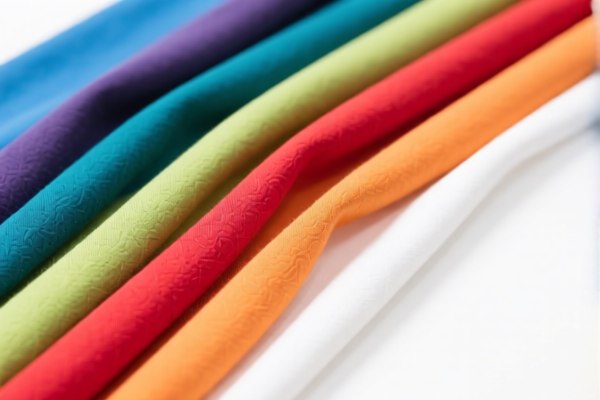
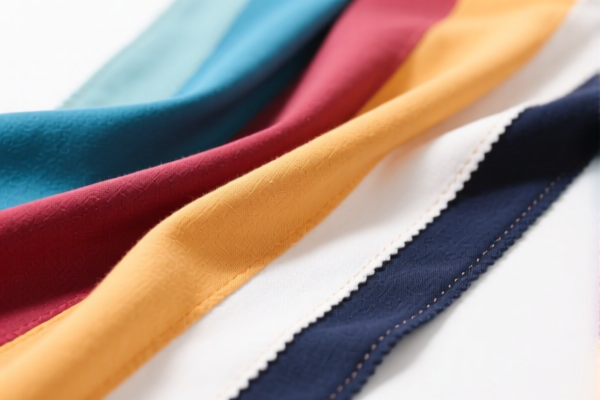
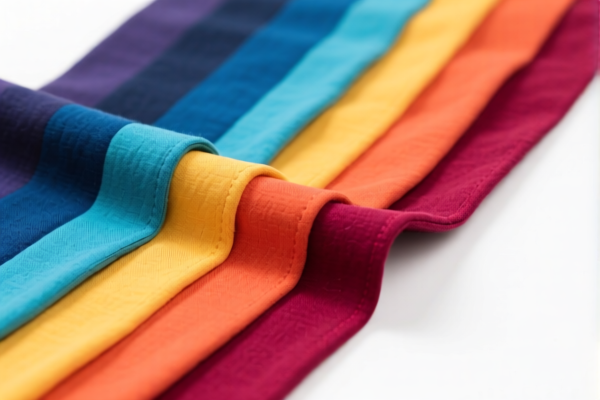
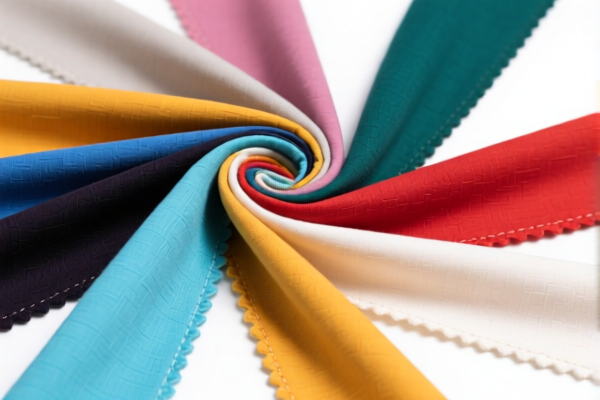
AI Analysis
🧵 Mixed Color Cotton Fabric (Cotton Blend Woven Fabrics)
🌐 HS Code Reference & Customs Clearance Guide | 2026 Latest Tariff Analysis | Professional Compliance Strategy
📌 I. Product Definition & Classification: What is "Mixed Color Cotton Fabric"?
"Mixed Color Cotton Fabric" in international trade typically refers to woven fabrics made from cotton mixed with synthetic staple fibers. The key classification criterion is the weight percentage of synthetic fibers relative to the total fabric weight.
There are two primary categories based on synthetic fiber content: 1. < 85% Synthetic Fibers: Classified under Chapter 52 (Cotton). 2. ≥ 85% Synthetic Fibers: Classified under Chapter 55 (Synthetic Staple Fibers).
⚠️ Critical Distinction:
- If synthetic fibers are below 85%, it is treated primarily as Cotton (Chapter 52).
- If synthetic fibers are 85% or more, it is treated primarily as Synthetic (Chapter 55).
- "Mixed Color" (Heather/Melange): Indicates the yarns are dyed before weaving, but this does not change the HS code classification; material composition dictates the code.
📦 II. HS Code Classification Details (2026 Latest Tariff Authority)
Based on the provided <DATA>, all listed items fall under Chapter 55 or Chapter 52, specifically focusing on Cotton-Synthetic Mixes.
| HS Code | Product Description | Synthetic Fiber Content | Primary Composition | Total Tax Rate |
|---|---|---|---|---|
5513.19.00.90 |
Woven fabric of synthetic staple fibers, mixed mainly or solely with cotton, containing < 85% synthetic fibers | < 85% | Cotton | 49.9% |
5513.11.00.60 |
Woven fabric of synthetic staple fibers, mixed mainly or solely with cotton, containing < 85% synthetic fibers | < 85% | Cotton | 49.9% |
5514.21.00.20 |
Woven fabric of synthetic staple fibers, mixed mainly or solely with cotton (Cotton blend material compliant) | N/A (General Blend) | Cotton | 49.9% |
5514.11.00.20 |
Woven fabric of synthetic staple fibers, mixed mainly or entirely with cotton | < 85% | Cotton | 49.9% |
5211.11.00.35 |
Woven fabric of cotton, mixed with synthetic staple fibers, containing < 85% cotton | < 85% Cotton | Cotton | 42.7% |
5211.19.00.90 |
Woven fabric of cotton, mixed with synthetic staple fibers, containing < 85% cotton | < 85% Cotton | Cotton | 42.7% |
🔍 Key Insight:
- Items under 5513/5514 are classified as Synthetic Fiber Fabrics (but mixed with cotton).
- Items under 5211 are classified as Cotton Fabrics (but mixed with synthetics).
- All listed items carry significant additional tariffs due to US-China trade policies.
💰 III. 2026 Latest Tariff Rate Breakdown (Including Additional Duties)
✅ Applicable Country: United States (US)
✅ Country of Origin: China (CN)
✅ Effective Time: Current (Post-2025 Policies)
🎯 1. General Rule for All Listed Codes (5513, 5514, 5211)
The tariff structure is consistent across all provided HS codes in the <DATA>:
| Item | Content |
|---|---|
| Base Tariff | 7.7% ~ 14.9% (varies by specific subheading) |
| Section 301 Additional Duty | +25.0% |
| Section 122 Duty | +10.0% |
| Total Effective Tax Rate | 42.7% ~ 49.9% |
| Calculation Basis | CIF Value × Total Rate |
| De Minimis Exemption | ❌ Not Eligible (deny_de_minimis) |
| Legal Basis | USITC Section 301 / IEEPA Section 122 |
📌 Detailed Breakdown by Group:
Group A: Total Tax 49.9%
- HS Codes:
5513.19.00.90,5513.11.00.60,5514.21.00.20,5514.11.00.20 - Base Tariff: 14.9%
- Add-ons: +25% (Section 301) + 10% (Section 122)
- Logic: These are classified as Synthetic Staple Fiber Fabrics (Ch 55) with cotton blends. The base duty is higher because synthetic fibers generally carry higher base duties than cotton.
Group B: Total Tax 42.7%
- HS Codes:
5211.11.00.35,5211.19.00.90 - Base Tariff: 7.7%
- Add-ons: +25% (Section 301) + 10% (Section 122)
- Logic: These are classified as Cotton Woven Fabrics (Ch 52) with synthetic blends. The base duty is lower because cotton is the predominant material (<85% synthetic), but the additional duties still result in a high total cost.
📌 Explanation of Additional Duties: - 25% Section 301 Duty: Imposed on Chinese goods under US Trade Act Section 301 for unfair trade practices. - 10% Section 122 Duty: An additional surcharge specifically targeted at Chinese imports under recent US legislation (IEEPA/Section 122). - Cumulative Effect: These duties are additive, not inclusive. They stack on top of the base MFN (Most Favored Nation) rate.
🛠️ IV. Customs Clearance Practical Advice (Avoid Pitfalls)
✅ 1. Documentation Checklist (Mandatory)
| Document | Required? | Notes |
|---|---|---|
| ✅ Commercial Invoice | ✔️ | Must clearly state "Woven Fabric of Cotton/Synthetic Blend". |
| ✅ Packing List | ✔️ | Detail weight, quantity, and fabric type. |
| ✅ Bill of Lading/Air Waybill | ✔️ | Standard shipping document. |
| ✅ Certificate of Origin (CO) | ✔️ | Crucial to prove origin as China (to apply correct duties) or other eligible countries for exemptions. |
| ✅ Fabric Composition Report | ✔️ | Critical: Must specify exact % of Cotton vs. Synthetic fibers. This determines if it goes to Ch 52 (42.7%) or Ch 55 (49.9%). |
| ✅ Color/Dyeing Declaration | ✔️ | Specify "Mixed Color/Heather" if required by buyer, but not for HS code. |
✅ 2. Declaration Tips
🔥 "Accurate Composition is Key! Wrong % = Wrong Code = Penalties!"
| Scenario | Correct Classification | Risk if Incorrect |
|---|---|---|
| Synthetic < 85% | 5513 or 5514 (Ch 55) |
If declared as pure Cotton (5211), you underpay base duty → Audit & Penalty. |
| Cotton < 85% | 5211 (Ch 52) |
If declared as Synthetic (5513), you overpay base duty → Unnecessary Cost. |
| Both Cases | Add 25% + 10% Additional Duties | Failing to declare additional duties → Seizure or Fine. |
✅ 3. Special Circumstances
| Situation | Recommendation |
|---|---|
| Mixed Color (Heather) | No special HS code. Ensure the label says "Dyed Yarn Fabric" or similar to avoid confusion with "Piece-Dyed". |
| Origin Diversification | If fabric is woven in Vietnam, Mexico, or India, Section 301 (25%) and Section 122 (10%) may not apply. Check for FTAs (e.g., USMCA for Mexico). |
| De Minimis (Section 321) | ❌ Not Allowed for these HS codes. Shipments under $800 cannot avoid these duties if classified here. |
| Sample Shipments | Still subject to duties. Do not mark as "Sample, No Value" to evade duties. |
🌍 V. Global Market Comparison (2026 Latest)
| Country/Region | Recommended HS Code | Tariff Rate (China Origin) | Notes |
|---|---|---|---|
| 🇺🇸 USA | 5513.19.00.90 / 5211.11.00.35 |
42.7% ~ 49.9% | Highest cost due to 301+122 duties. |
| 🇨🇳 China | 5513 / 5211 |
5% ~ 14% (Import Duty) | Base duty only. No US additional duties. |
| 🇪🇺 EU | 5513 / 5211 |
4% ~ 12% | No Section 301/122. Check for CBAM if applicable. |
| 🇬🇧 UK | 5513 / 5211 |
4% ~ 12% | Similar to EU post-Brexit. |
| 🇻🇳 Vietnam | 5513 / 5211 |
0% ~ 4% (if FTA applies) | Potential for lower duties if fabric is made in Vietnam. |
📌 Conclusion:
- USA is the most expensive market for Chinese-origin cotton-blend fabrics due to 42.7%-49.9% total duty.
- Supply Chain Strategy: Consider sourcing fabric or final product from non-China origins to mitigate 35% of the duty burden.
📌 VI. Common Errors & Pitfalls (Lessons Learned)
❌ Error 1: Declaring "100% Cotton" when it is "60% Cotton / 40% Polyester".
👉 Result: Misclassification → Penalty + Back Duties + Potential Fraud Charges.
❌ Error 2: Assuming "Mixed Color" means a different HS code.
👉 Result: Unnecessary confusion. HS code depends on fiber content, not dyeing method.
❌ Error 3: Ignoring Section 122 (10%) Duty.
👉 Result: Underpayment of total taxes → Customs Hold & Storage Fees.
❌ Error 4: Using "Textile" as a generic description.
👉 Result: Customs may reject the declaration. Must specify "Woven Fabric" and "Fiber Composition".
✅ Correct Practice:
"Woven Fabric, 65% Polyester / 35% Cotton, Mixed Color, 150 GSM, for Apparel Use, HS Code: 5513.11.00.60"
🎯 VII. Conclusion: Precise Classification Saves Money
🎯 Remember the Formula:
🔹 Total Duty = Base Rate (7.7%-14.9%) + 301 Duty (25%) + 122 Duty (10%)
🔹 Total = 42.7% to 49.9%
🔹 Check Composition First!
📌 Pro Tip:
If your supplier is in China, the 49.9% rate is almost certain for Ch 55 fabrics and 42.7% for Ch 52 fabrics.
Consider pre-classification rulings or exploring third-country manufacturing (e.g., Vietnam, Bangladesh) for significant cost savings.
📣 Immediate Action:
📞 Verify exact fiber percentage with your supplier.
📄 Ensure Certificate of Origin accurately reflects the country of origin.
🚀 Plan for high duty costs in your pricing strategy for US-bound shipments.
✨ Professional Customs Clearance Starts with Accurate Classification!
💼 Your Profit Margin Depends on Precision!
Customer Reviews
About HS Code Classification
The Harmonized System (HS) is an internationally standardized nomenclature developed by the World Customs Organization (WCO) to classify traded products. Over 200 countries use the HS system as the basis for customs tariffs, trade statistics, and import/export regulations.
Each HS code follows a hierarchical structure:
- Chapter (2 digits) — Broad category of goods (e.g., Chapter 84: Machinery and Mechanical Appliances)
- Heading (4 digits) — More specific grouping within the chapter
- Subheading (6 digits) — Internationally standardized breakdown, used by all WCO member countries
- National subdivisions (8-10 digits) — Country-specific extensions for further classification, such as US HTSUS 10-digit codes
Correct HS code classification is essential for smooth customs clearance, accurate duty payment, and compliance with trade regulations. Misclassification can lead to customs delays, overpayment of duties, or penalties.
When importing from CN to US, the applicable tariff rates may include:
- Most-Favored-Nation (MFN) rate — The standard duty rate applied to WTO members
- General rate — Applied to countries without trade agreements
- Trade remedy duties — Additional tariffs such as Section 301 (anti-dumping), Section 232 (national security), or countervailing duties
The information provided on this page is for reference purposes only. For official classification, please consult with your local customs authority or a licensed customs broker.