Mixer, Dough Kneader or Blender
CN → US| HS Code | Tariff Rate | Origin | Destination | Doc |
|---|---|---|---|---|
| 8438100010 | 17.5% | CN | US | Official Doc |
| 8509400015 | 14.2% | CN | US | Official Doc |
| 8479820040 | 35.0% | CN | US | Official Doc |
| 8479820080 | 35.0% | CN | US | Official Doc |
| 8509400025 | 14.2% | CN | US | Official Doc |
Product Images
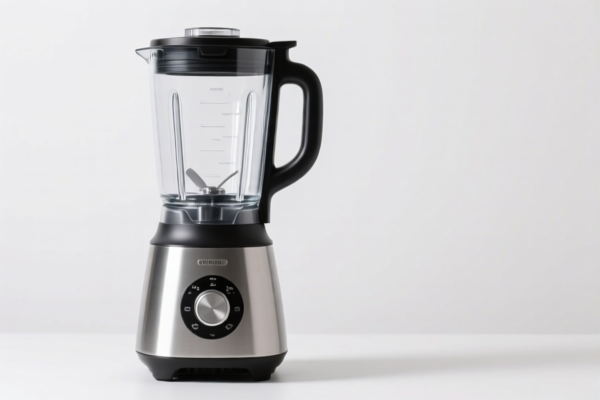
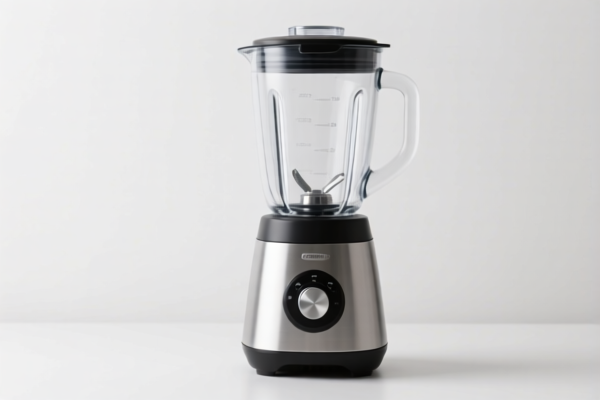
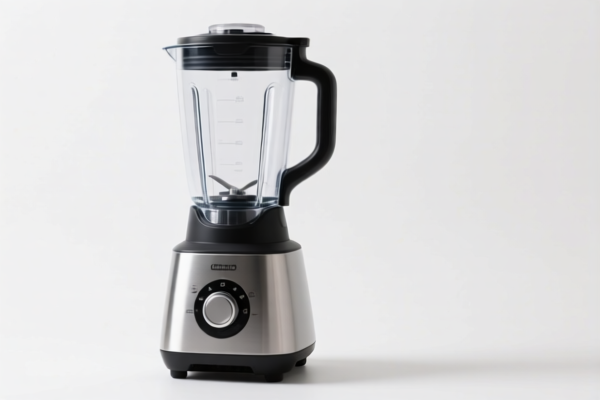

AI Analysis
🥣 Mixer, Dough Kneader or Blender
🌐 HS Code Reference & Customs Clearance Guide | 2026 Latest Tariff Analysis | Professional Clearance Strategy
📌 I. Product Definition & Classification: Do You Really Understand "Mixing Equipment"?
In international trade, "Mixer, Dough Kneader, or Blender" is a broad category that spans commercial baking machinery, household kitchen appliances, and general industrial mixing equipment. The HS Code classification depends entirely on the specific function, voltage, power source, and intended use.
Misclassification is the #1 cause of customs delays and unexpected tariff spikes (especially for US imports from China).
⚠️ Key Distinction Point:
- If it is a stand-alone household appliance (e.g., handheld mixer, countertop blender) → Likely 8509.
- If it is a mechanical process machine for industrial/commercial use (e.g., dough kneader, industrial mixer) → Likely 8479 or 8438.
- The presence of an electric motor is a common thread, but the function dictates the chapter (Chapter 84 vs. Chapter 85).
📦 II. HS Code Classification Details (2026 Latest Tariff Authority Comparison)
Based on the provided data, here are the precise classifications for mixing/kneading/blending functions:
| HS Code | Product Description | Application Scenario | Function Match |
|---|---|---|---|
8438.10.00.10 |
Bread Making Machinery (Commercial/Industrial) | Dough kneaders, bakery equipment | ✅ Matches Dough Kneader function |
8509.40.00.15 |
Household Blenders | Home blenders, small kitchen appliances | ✅ Matches Blender (Household) |
8479.82.00.40 |
Mixing Machines (Other Electrical Machinery) | Industrial mixers, general purpose | ✅ Matches Mixer (General/Industrial) |
8479.82.00.80 |
Mechanical Appliances (Other) | Mechanical mixers, non-specific machinery | ✅ Matches Mixer (Mechanical范畴) |
8509.40.00.25 |
Blenders of Subheading 8509.40 | Blenders with similar functions to 8509.40 | ✅ Matches Blender (Similar Function) |
🔍 Critical Note:
- 8509 covers hand-held or table-top electrical appliances (e.g., home blenders, hand mixers).
- 8479 and 8438 cover machines and mechanical appliances (e.g., industrial dough kneaders, large-scale mixers).
- Do not mix household and industrial classifications! A commercial dough kneader cannot be declared as a home blender.
💰 III. 2026 Latest Tariff Rate Breakdown (Including Additional Taxes & Policy Surcharges)
✅ Applicable Country: United States (US)
✅ Origin: China (CN)
✅ Effective Date: Post-2025 (Including Section 301 & 122 Tariffs)
🎯 1. 8438.10.00.10 —— Bread Making Machinery (Dough Kneaders)
| Item | Content |
|---|---|
| Base Tariff | 0.0% (ad valorem) |
| Section 301 Additional Tariff | +7.5% |
| Section 122 Tariff | +10.0% |
| Total Tariff Rate | 17.5% |
| Tax Calculation | CIF Value × 17.5% |
| De Minimis Exemption | ❌ Not Applicable (Section 301/122 goods excluded) |
| Legal Basis Path | USITC:8438.10.00.10 → Section 301: 7.5% → Section 122: 10% |
📌 Explanation:
- Bread making machinery is classified under Chapter 84.
- Subject to Section 301 tariffs (7.5%) and Section 122 tariffs (10%).
- Total duty burden is 17.5%, which is moderate compared to other industrial machines.
🎯 2. 8509.40.00.15 & 8509.40.00.25 —— Household Blenders
| Item | Content |
|---|---|
| Base Tariff | 4.2% (ad valorem) |
| Section 301 Additional Tariff | 0.0% |
| Section 122 Tariff | +10.0% |
| Total Tariff Rate | 14.2% |
| Tax Calculation | CIF Value × 14.2% |
| De Minimis Exemption | ❌ Not Applicable (Section 122 applies) |
| Legal Basis Path | USITC:8509.40.00.15 → Section 122: 10% |
📌 Explanation:
- Household blenders (Chapter 85) have a higher base tariff (4.2%) but no Section 301 tariff.
- Subject only to Section 122 tariffs (10%).
- Total duty burden is 14.2%, slightly lower than commercial dough kneaders.
🎯 3. 8479.82.00.40 & 8479.82.00.80 —— General Industrial Mixers/Machines
| Item | Content |
|---|---|
| Base Tariff | 0.0% (ad valorem) |
| Section 301 Additional Tariff | +25.0% |
| Section 122 Tariff | +10.0% |
| Total Tariff Rate | 35.0% |
| Tax Calculation | CIF Value × 35.0% |
| De Minimis Exemption | ❌ Not Applicable |
| Legal Basis Path | USITC:8479.82.00.40 → Section 301: 25% → Section 122: 10% |
📌 Explanation:
- "Other electrical machinery" (8479) is classified as a general industrial machine.
- Subject to the highest Section 301 tariff bracket (25%) due to broader mechanical classification.
- Plus Section 122 tariffs (10%).
- Total duty burden is 35.0%, which is significantly high. This is the most expensive category for importers.
🛠️ IV. Customs Clearance Practical Advice (Avoid Pitfalls)
✅ 1. Documentation Checklist (All Required)
| Document | Must Provide | Notes |
|---|---|---|
| ✅ Product Specification Sheet | ✔️ | Must clearly state: Function (Mixing/Kneading/Blending), Power Source (Electric), Capacity (Liters/Kg). |
| ✅ Photos of the Machine | ✔️ | Clear shots of nameplate, controls, and internal components (if possible). |
| ✅ Electrical Diagram | ✔️ | To confirm if it's a standalone appliance (8509) or industrial machine (8479/8438). |
| ✅ Commercial Invoice | ✔️ | Use precise English descriptions (see below). |
| ✅ Packing List | ✔️ | Detail contents to avoid "insufficient detail" flags. |
| ✅ Certificate of Origin (CO) | ✔️ | Essential for origin determination (US vs. China). |
✅ 2. Declaration Strategy (Key Tips)
🔥 “Function Determines Code, Code Determines Tax!”
| Scenario | Correct HS Code | Incorrect Code | Consequence of Error |
|---|---|---|---|
| Home Blender (e.g., Vitamix) | 8509.40.00.15 |
8479.82.00.40 |
Tax jumps from 14.2% to 35% → Overpayment + Audit Risk |
| Commercial Dough Kneader | 8438.10.00.10 |
8509.40.00.15 |
Customs may reclassify as machinery → Back taxes + Penalties |
| Industrial Mixer (General) | 8479.82.00.40 |
8438.10.00.10 |
Wrong category → Delays + Possible Retention |
| Handheld Electric Mixer | 8509.40.00.15 |
8479.82.00.80 |
Misclassification → High Duty (35%) |
✅ 3. Special Considerations
| Situation | Handling Advice |
|---|---|
| OEM Private Label Blenders | Ensure the invoice states "Household Blender" and not "Mixing Machine" to qualify for 8509 (lower tariff). |
| Commercial Bakery Equipment | Must declare as "Bread Making Machinery" (8438) to avoid being misclassified as general industrial machinery (8479), saving 17.5%. |
| Multi-Function Appliances | If it blends AND mixes, declare based on primary function. If ambiguous, consult a customs broker to avoid Section 301 (25%) classification. |
| Parts & Accessories | Declare separately. Don't bundle parts with the main machine unless they are "complete sets." |
🌍 V. Global Market Comparison (2026 Latest)
| Country/Region | Recommended HS Code | Tariff (China Origin) | Certifications | Notes |
|---|---|---|---|---|
| 🇺🇸 USA | 8509.40.00.15 (Blender) / 8438.10.00.10 (Kneader) |
14.2% (Blender) / 17.5% (Kneader) | UL, FDA, NSF | Avoid 8479 if possible (35% tax). |
| 🇪🇺 EU | 8438.80 / 8509.40 |
0% - 2.5% | CE, RoHS | Generally lower tariffs than US. |
| 🇨🇳 China | 8438.80 / 8509.40 |
5% - 8% | CCC | Domestic trade rules apply. |
| 🇬🇧 UK | 8438.80 / 8509.40 |
0% - 2.5% | UKCA, RoHS | Post-Brexit standards. |
📌 Conclusion:
- The US market is the most expensive due to Section 301 (25%) and Section 122 (10%) tariffs.
- Strategy: If your product is a home blender, declare as 8509 (14.2%) rather than generic machinery (35%).
- Strategy: If it's a commercial kneader, ensure it's declared as Bread Making Machinery (8438) (17.5%) rather than general industrial mixers (8479) (35%).
📌 VI. Common Errors & Pitfall Guide (Lessons Learned)
❌ Error 1: Declaring a Commercial Dough Kneader as a "Household Blender"
👉 Consequence: Customs will reclassify to 8438 or 8479. If misclassified as 8479, you face a 20.8% tariff increase (17.5% vs 35%) or audit for fraud.
❌ Error 2: Declaring an Industrial Mixer as a "Home Appliance"
👉 Consequence: Severe penalties. Industrial mixers are subject to Section 301 (25%). Trying to hide this under 8509 is considered misdeclaration.
❌ Error 3: Vague Description: "Kitchen Machine"
👉 Consequence: Customs cannot determine HS Code → Hold for Inspection → Storage Fees & Delays.
❌ Error 4: Ignoring Section 122 Tariffs
👉 Consequence: All Chinese-origin mixing/blending equipment now includes a 10% surcharge. Forgetting this leads to budget shortfalls.
✅ Correct Declaration Example:
"Electric Household Blender, 1.5L, for home use, Model XYZ, UL Certified" → 8509.40.00.15 (14.2%)
"Commercial Dough Kneader, 50kg capacity, for bakery use, Model ABC" → 8438.10.00.10 (17.5%)
🎯 VII. Conclusion: Precise Classification, Cost Control!
🎯 Remember the Golden Rule:
🔹 "Blender = Home = 8509 = 14.2%"
🔹 "Dough Kneader = Bakery = 8438 = 17.5%"
🔹 "General Mixer = Industrial = 8479 = 35%"
🔹 "Don't let a vague description cost you 20% in extra tariffs!"
📌 Pro Tip:
If your product falls under 8479 (35% tax), consult your supplier to see if it can be modified or marketed as specific bakery equipment (8438) or a household appliance (8509) to save 17.5% - 20.8% in duties. Always seek a Pre-Ruling from US Customs if the function is ambiguous.
📣 Immediate Action:
📞 Contact a licensed customs broker.
📄 Provide clear product photos and specifications.
📋 Ensure your Commercial Invoice uses specific functional terms (e.g., "Dough Kneader," not just "Mixer").
🚀 Save money, clear customs faster, and maximize your profit margin!
✨ Professional Clearance Starts with Accurate Classification!
💼 Your cost savings depend on the right HS Code!
Customer Reviews
About HS Code Classification
The Harmonized System (HS) is an internationally standardized nomenclature developed by the World Customs Organization (WCO) to classify traded products. Over 200 countries use the HS system as the basis for customs tariffs, trade statistics, and import/export regulations.
Each HS code follows a hierarchical structure:
- Chapter (2 digits) — Broad category of goods (e.g., Chapter 84: Machinery and Mechanical Appliances)
- Heading (4 digits) — More specific grouping within the chapter
- Subheading (6 digits) — Internationally standardized breakdown, used by all WCO member countries
- National subdivisions (8-10 digits) — Country-specific extensions for further classification, such as US HTSUS 10-digit codes
Correct HS code classification is essential for smooth customs clearance, accurate duty payment, and compliance with trade regulations. Misclassification can lead to customs delays, overpayment of duties, or penalties.
When importing from CN to US, the applicable tariff rates may include:
- Most-Favored-Nation (MFN) rate — The standard duty rate applied to WTO members
- General rate — Applied to countries without trade agreements
- Trade remedy duties — Additional tariffs such as Section 301 (anti-dumping), Section 232 (national security), or countervailing duties
The information provided on this page is for reference purposes only. For official classification, please consult with your local customs authority or a licensed customs broker.