Mixing and Processing Machinery
CN → US| HS Code | Tariff Rate | Origin | Destination | Doc |
|---|---|---|---|---|
| 8438100010 | 17.5% | CN | US | Official Doc |
| 8438909090 | 37.8% | CN | US | Official Doc |
| 8479820040 | 35.0% | CN | US | Official Doc |
| 8479820080 | 35.0% | CN | US | Official Doc |
| 8419909580 | 39.0% | CN | US | Official Doc |
| 8419903000 | 35.0% | CN | US | Official Doc |
Product Images
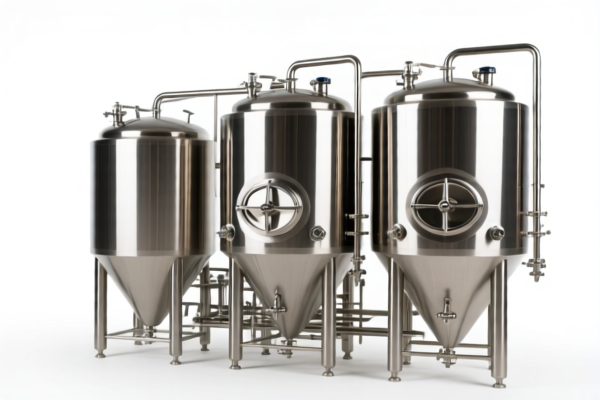
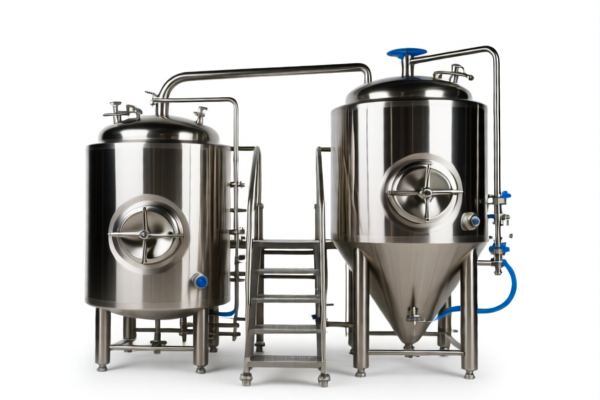
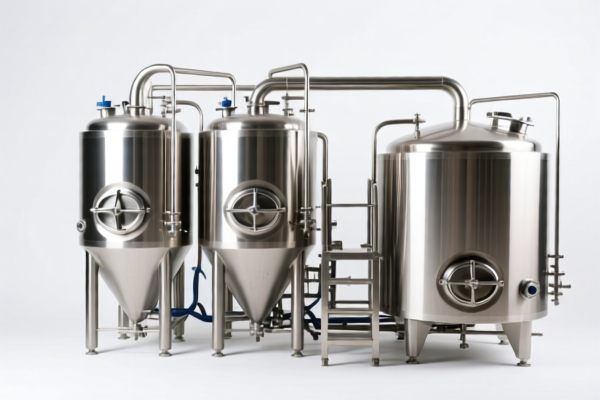
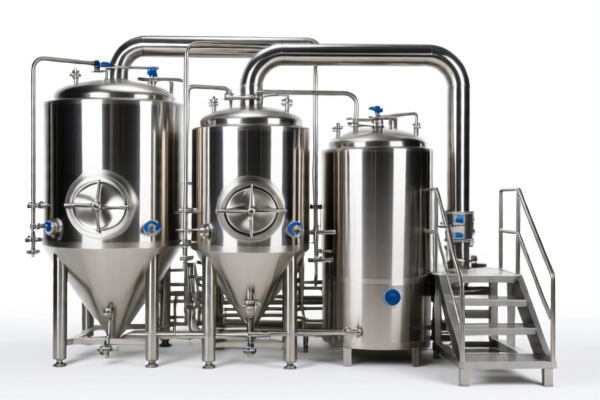
AI Analysis
🏭 Mixing & Food Processing Machinery (Industrial Grade)
🌐 HS Code Reference & Customs Clearance Guide | 2026 Latest Tariff Analysis | Professional Compliance Strategy
📌 I. Product Definition & Classification: What Exactly Are "Mixing and Processing Machinery"?
In international trade, "Mixing and Processing Machinery" is a broad category. The critical distinction lies in the purpose and the process involved. It is generally split into two main functional groups:
- Food & Beverage Industry Machinery: Equipment specifically designed for the industrial preparation of food (e.g., bakery, pasta, general food processing).
- General Industrial Mixing/Processing Machines: Equipment for mixing, kneading, stirring, grinding, or temperature treatment (heating/cooling) for non-food or general industrial materials, or food equipment that doesn't fit specific sub-headings.
⚠️ Key Distinction:
- If the machine is for bakery or pasta manufacturing → It falls under Heading 8438.
- If it is a general mixer/kneader/stirrer (not specifically for food extraction/fats) → It falls under Heading 8479.
- If it involves heat exchange, heating, drying, or sterilizing → It falls under Heading 8419.
- Parts are classified separately based on the main machine's heading.
📦 II. HS Code Classification Matrix (2026 Latest Tariff Reference)
Based on the provided data, here is the authoritative breakdown for "Mixing and Processing Machinery":
| HS Code | Product Description | Applicable Scenario | Key Characteristics |
|---|---|---|---|
| 8438.10.00.10 | Bakery Machinery & Machinery for Macaroni/Spaghetti | Industrial bread ovens, pasta extruders, dough mixers for food | Specific to Bakery and Pasta manufacturing. |
| 8438.90.90.90 | Parts of Food/Beverage Machinery (Other) | Replacement parts for bakery/pasta machines not specified elsewhere | Parts only. Must match the parent machinery (8438). |
| 8479.82.00.40 | Mixing, Kneading, or Stirring Machines (Specific Type) | Industrial mixers, dough kneaders, stirring tanks for general use | Specific sub-category for mixing/kneading/stirring functions under Heading 8479. |
| 8479.82.00.80 | Other Machines and Mechanical Appliances (Mixing/Kneading etc.) | General industrial mixers not specified in .40 | Catch-all for mixing/kneading/stirring machines under Heading 8479 that don't fit .40. |
| 8419.90.95.80 | Parts of Temperature Treatment Machinery (Other) | Parts for heaters, coolers, dryers, sterilizers (not heat exchangers) | Parts only. For machinery involving heat change (heating, cooking, drying, etc.). |
| 8419.90.30.00 | Parts of Heat Exchange Units | Plates, tubes, casings for heat exchangers used in processing | Parts only. Specifically for heat exchange components in temperature treatment machinery. |
🔍 Critical Note:
- 8438 is strictly for food/drink preparation (except fat/oil extraction).
- 8479 is for general industrial machines (mixing, stirring) that are not specifically named elsewhere.
- 8419 is for thermal processing (heating, cooling, sterilizing).
- Parts are never classified with the main machine. They have their own HS codes starting with the same first 4-6 digits but ending in distinct part-specific codes.
💰 III. 2026 Tariff Rate Breakdown (Detailed Tax Analysis)
✅ Scope: Based on the provided data (US Import Duties implied by structure).
✅ Origin: Assumed China (CN) due to "Add-on Tariff" mention.
✅ Status: Current effective rates as per provided data.
🎯 1. 8438.10.00.10 — Bakery & Pasta Machinery
| Item | Detail |
|---|---|
| Base Tariff | 0.0% (Ad Valorem) |
| Add-on Tariff | +7.5% |
| Total Effective Rate | 7.5% |
| Tax Detail | Base: 0% + Add-on: 7.5% |
| Legal Basis | Standard Chapter 84 duty for specific food machinery |
📌 Explanation:
- This is a low-risk, low-tariff item.
- Specifically covers bakery machinery and pasta/macaroni production lines.
- If your machine makes bread or noodles, this is likely your code.
🎯 2. 8438.90.90.90 — Parts of Food/Beverage Machinery
| Item | Detail |
|---|---|
| Base Tariff | 0.0% |
| Add-on Tariff | 0.0% |
| Total Effective Rate | 0.0% |
| Tax Detail | Base: 0% + Add-on: 0% |
| Legal Basis | Parts of machinery are often duty-free or low-duty |
📌 Explanation:
- Parts for food machinery are duty-free in this classification.
- Ensure you declare them as "Parts" and not as "Machinery."
- Misclassifying a part as a machine could lead to higher duties (e.g., if classified under 8479, it would be 25%!).
🎯 3. 8479.82.00.40 — Mixing, Kneading, or Stirring Machines (Specific)
| Item | Detail |
|---|---|
| Base Tariff | 0.0% |
| Add-on Tariff | +25.0% |
| Total Effective Rate | 25.0% |
| Tax Detail | Base: 0% + Add-on: 25.0% |
| Legal Basis | USITC Section 301 / Trade Act duties |
📌 Explanation:
- This is a high-tariff item.
- Applies to industrial mixers, kneaders, stirrers not specifically for food extraction.
- Commonly used for chemical, cosmetic, pharmaceutical, or non-extract food processing.
🎯 4. 8479.82.00.80 — Other Mixing/Kneading Machines
| Item | Detail |
|---|---|
| Base Tariff | 0.0% |
| Add-on Tariff | +25.0% |
| Total Effective Rate | 25.0% |
| Tax Detail | Base: 0% + Add-on: 25.0% |
| Legal Basis | USITC Section 301 / Trade Act duties |
📌 Explanation:
- Also 25% total tax.
- This is the "catch-all" for mixing machines under 8479 that don’t fit the specific.40sub-category.
- Do not confuse with 8438. If it’s a general mixer, it’s 25%. If it’s a bakery mixer, it’s 7.5%.
🎯 5. 8419.90.95.80 — Parts of Temperature Treatment Machinery (Other)
| Item | Detail |
|---|---|
| Base Tariff | 4.0% |
| Add-on Tariff | +25.0% |
| Total Effective Rate | 29.0% |
| Tax Detail | Base: 4% + Add-on: 25% |
| Legal Basis | Combined base duty + Section 301 |
📌 Explanation:
- Parts for thermal processing equipment (heaters, dryers, sterilizers).
- High tariff (29%) due to base duty + add-on.
- Only applies to parts not being heat exchange units (those are 25%).
🎯 6. 8419.90.30.00 — Parts of Heat Exchange Units
| Item | Detail |
|---|---|
| Base Tariff | 0.0% |
| Add-on Tariff | +25.0% |
| Total Effective Rate | 25.0% |
| Tax Detail | Base: 0% + Add-on: 25.0% |
| Legal Basis | USITC Section 301 |
📌 Explanation:
- Specific parts for heat exchangers (plates, tubes, etc.).
- 25% total tax.
- If your machine has a heat exchanger, the machine itself (if not specified) might fall under 8419.95 or similar, but the parts here are clear.
🛠️ IV. Customs Clearance Practical Advice
✅ 1. Documentation Checklist (Essential)
| Document | Required | Notes |
|---|---|---|
| Product Specification Sheet | ✔️ | Must detail function (mixing, heating, kneading) and application (food, industrial). |
| Commercial Invoice | ✔️ | Clearly state "Machinery" or "Parts of Machinery". Do not use vague terms like "Tool" or "Equipment." |
| Packing List | ✔️ | Separate main machine from parts. Parts must be declared separately. |
| Technical Drawings/Circuit Diagrams | ✔️ | Crucial for distinguishing between 8438 (Food) and 8479 (General) or 8419 (Thermal). |
| Photo of Machine & Nameplate | ✔️ | Show brand, model, and any food-grade certifications (if applicable). |
| Certificate of Origin (CO) | ✔️ | If claiming preferential rates, but note: Add-on tariffs often apply regardless of FTA (verify current rules). |
✅ 2. Classification Pitfalls (Avoid These!)
| Mistake | Consequence | Solution |
|---|---|---|
| Declaring a Bakery Mixer as 8479.82.00.80 | Pay 25% instead of 7.5% | Confirm if the machine is specifically for bakery/pasta. If yes, use 8438.10.00.10. |
| Declaring Parts as Main Machine | Pay 25% or 29% instead of 0% | Parts are always classified separately. Use the specific "Parts" HS codes (e.g., 8438.90.90.90). |
| Ignoring Thermal Function | Misclassification under 8479/8438 | If the machine heats/cools/dries, it likely belongs to 8419, not 8479/8438. |
| Vague Description "Industrial Mixer" | Customs Query/Delay | Specify: "Stainless Steel Industrial Dough Mixer for Bakery Use" or "Chemical Mixing Tank." |
✅ 3. Strategic Tariff Optimization
| Strategy | Action |
|---|---|
| Optimize for Parts | If shipping spare parts, ensure they are declared as parts with their specific HS codes (0%-29%). Misclassifying parts as machines can incur 25%+ duties. |
| Clarify Food vs. General | If the machine is for bakery/pasta, use 8438 (7.5% or 0% for parts). If it’s a general mixer, it’s 8479 (25%). The difference is huge (17.5% savings!). |
| Heat Treatment vs. Mixing | If the machine’s primary function is heating/cooling, use 8419. If it’s mixing/kneading, use 8479. Don’t misclassify a heater as a mixer. |
🌍 V. Global Market Comparison (2026 Context)
| Market | Key HS Code | Est. Tariff (China Origin) | Notes |
|---|---|---|---|
| 🇺🇸 USA | 8438.10.00.10 / 8479.82.00.80 | 7.5% (Bakery) / 25% (General) / 29% (Parts) | High add-on tariffs apply to most machinery from China. |
| 🇪🇺 EU | 8438.10 / 8479.82 | ~0% - 2.5% | No Section 301-style add-on tariffs. Lower overall cost. |
| 🇨🇳 China | 8438.10 / 8479.82 | ~0% - 5% | Low import duty for entering China. |
| 🇬🇧 UK | 8438.10 / 8479.82 | ~0% - 2.5% | Post-Brexit tariffs, generally lower than US add-ons. |
📌 Conclusion:
- USA: High tariff burden (25-29%) for general mixing/thermal machinery.
- EU/UK/China: Much more favorable for machinery imports.
- Strategy: If shipping to the US, ensure correct classification (Bakery vs. General) to save 17.5%. Declare parts separately to avoid 25% on components.
📌 VI. Common Errors & Blood-Curdling Lessons
❌ Error 1: Declaring a Bakery Mixer as "General Industrial Mixer" (8479)
👉 Result: Pay 25% instead of 7.5%. Loss: 17.5% of CIF value.
❌ Error 2: Packing Parts in the same box as the machine and declaring as one unit
👉 Result: Customs may assign the machine’s higher rate to the parts, or demand separate declaration + penalties. Risk: Delay + Seizure.
❌ Error 3: Calling a Heater/Dryer a "Mixer"
👉 Result: Misclassification. If it’s primarily for heat exchange, it’s 8419. If it’s for mixing, it’s 8479. Error leads to 29% tax on parts instead of 0-25%.
❌ Error 4: Using vague terms like "Food Processing Equipment"
👉 Result: Customs will reject the vague description and audit the shipment, causing 60+ day delays.
✅ Correct Declaration Example:
"Stainless Steel Spiral Dough Mixer for Bakery Use, Model XYZ, 2023, Voltage 380V, HS Code 8438.10.00.10"
OR
"Replacement Gear for Bakery Mixer, Model XYZ, HS Code 8438.90.90.90"
🎯 VII. Conclusion: Precision Saves Money!
🎯 Key Takeaways:
🔹 Bakery/Pasta Machinery = 7.5% Tax (8438.10.00.10)
🔹 General Mixers = 25% Tax (8479.82.00.80)
🔹 Parts for Food Machinery = 0% Tax (8438.90.90.90)
🔹 Parts for Thermal Machinery = 25-29% Tax (8419.90)
🔹 ALWAYS declare parts separately.
📌 Pro Tip:
If you are shipping parts, ensure the invoice clearly states "PARTS OF [MACHINE NAME]" and references the main machine’s HS code. This allows customs to quickly verify the 0% rate for food machinery parts.
📣 Immediate Action:
📞 Consult a Customs Broker to confirm the primary function of your machine (Mixing vs. Thermal vs. Bakery-specific).
📄 Prepare Technical Data Sheets highlighting the intended use.
🚀 Optimize Your HS Code to save up to 17.5% in tariffs!
✨ Precision in Classification = Profit in Your Pocket!
💼 Don’t Let Vague Descriptions Cost You Thousands!
Customer Reviews
About HS Code Classification
The Harmonized System (HS) is an internationally standardized nomenclature developed by the World Customs Organization (WCO) to classify traded products. Over 200 countries use the HS system as the basis for customs tariffs, trade statistics, and import/export regulations.
Each HS code follows a hierarchical structure:
- Chapter (2 digits) — Broad category of goods (e.g., Chapter 84: Machinery and Mechanical Appliances)
- Heading (4 digits) — More specific grouping within the chapter
- Subheading (6 digits) — Internationally standardized breakdown, used by all WCO member countries
- National subdivisions (8-10 digits) — Country-specific extensions for further classification, such as US HTSUS 10-digit codes
Correct HS code classification is essential for smooth customs clearance, accurate duty payment, and compliance with trade regulations. Misclassification can lead to customs delays, overpayment of duties, or penalties.
When importing from CN to US, the applicable tariff rates may include:
- Most-Favored-Nation (MFN) rate — The standard duty rate applied to WTO members
- General rate — Applied to countries without trade agreements
- Trade remedy duties — Additional tariffs such as Section 301 (anti-dumping), Section 232 (national security), or countervailing duties
The information provided on this page is for reference purposes only. For official classification, please consult with your local customs authority or a licensed customs broker.