Mobile Accessories
CN → US| HS Code | Tariff Rate | Origin | Destination | Doc |
|---|---|---|---|---|
| 3923290000 | 38.0% | CN | US | Official Doc |
| 4202322000 | 55.0% | CN | US | Official Doc |
| 6307909875 | 17.0% | CN | US | Official Doc |
| 3923210095 | 38.0% | CN | US | Official Doc |
| 6307909891 | 24.5% | CN | US | Official Doc |
Product Images

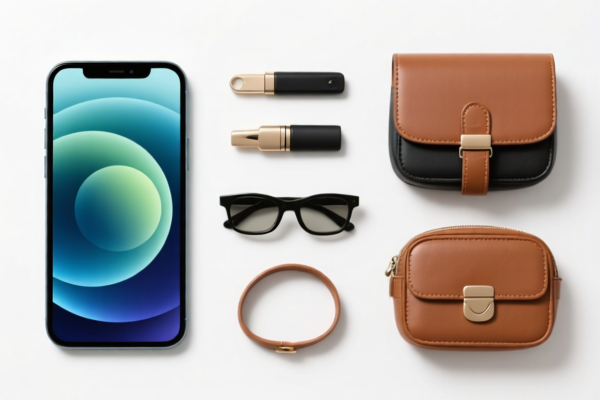
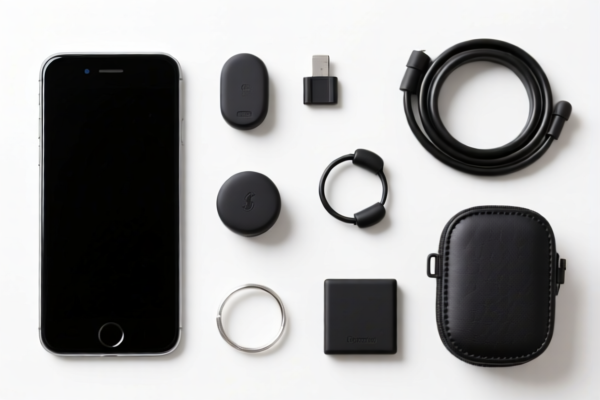
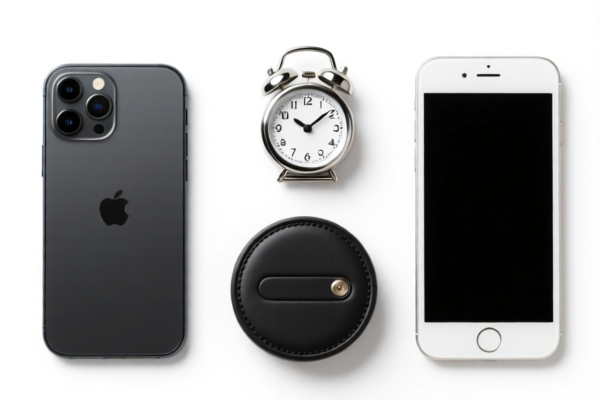
AI Analysis
📱 Mobile Accessories (Storage Bags & Pouches)
🌐 HS Code Reference & Customs Clearance Guide | 2026 Latest Tariff Analysis | Professional Clearance Strategy
📌 I. Product Definition & Classification: Do You Really Understand "Mobile Accessory Storage Bags"?
Mobile accessory storage bags are essential carrying cases designed to organize chargers, cables, earphones, power banks, and small electronics. In international trade, classification hinges on material composition and manufacturing process. They are generally categorized into:
Plastic/Chemical Material Bags: Made primarily from plastics (e.g., PVC, PE, PP) or synthetic fibers, often molded or heat-sealed. Textile/Leather-like Bags: Made from fabrics (nylon, polyester), leather, or composite materials where the outer surface determines the classification.
⚠️ Key Distinction Point:
- If the bag is primarily made of plastic sheets or foil (e.g., PVC pouches) → Classified under Chapter 39 (Plastics).
- If the bag is primarily made of textiles (woven/non-woven fabric) or has a textile outer surface → Classified under Chapter 42 (Articles of Leather) or Chapter 63 (Other Made-up Textile Articles).
- Crucial Note: The "Mobile Accessory" function is secondary; customs classify based on material, not function.
📦 II. HS Code Classification Details (2026 Latest Tariff Authority Cross-Reference)
Based on the provided data, here are the potential HS Codes for mobile accessory storage bags, along with their tax implications.
| HS Code | Product Description | Material Basis | Total Tax Rate* | Tax Breakdown |
|---|---|---|---|---|
3923.29.00.00 |
Plastic storage bags (other than goods of heading 39.21 or 39.22) | Plastic / Synthetic Fiber | 38.0% | Base: 3.0% Section 301: 25.0% Section 122: 10.0% |
4202.32.20.00 |
Articles of apparel accessories, of a kind used to carry things (outer surface of plastics or textile materials) | Plastic/Textile Composite | 55.0% | Base: 20.0% Section 301: 25.0% Section 122: 10.0% |
6307.90.98.75 |
Other made-up articles (excluding specific headings) | Textile or Plastic (Finished Consumer Good) | 17.0% | Base: 7.0% Section 301: 0.0% Section 122: 10.0% |
3923.21.00.95 |
Sacs and bags, of plastics (ethylene polymer) | Ethylene Polymer / Plastic | 38.0% | Base: 3.0% Section 301: 25.0% Section 122: 10.0% |
6307.90.98.91 |
Other made-up articles (textile/plastic based) | Textile or Plastic (Finished Product) | 24.5% | Base: 7.0% Section 301: 7.5% Section 122: 10.0% |
🔍 Important Reminder:
- HS Code4202.32.20.00carries the highest total tax (55%). This is typical for "luxury" or "leather-like" accessory cases where the outer surface is deemed to be of higher value material (e.g., genuine leather or high-grade synthetic leather with specific construction).
- HS Code6307.90.98.75offers the lowest total tax (17%). This applies to general textile or plastic made-up articles that do not fit specific "apparel accessory" definitions but are finished consumer goods.
- HS Codes3923.29.00.00and3923.21.00.95are for pure plastic bags (e.g., simple PVC pouches). They incur a 25% Section 301 tariff but have a low base duty (3%).
💰 III. 2026 Latest Tariff Rate Details (Including Surcharges, Policy Add-ons)
✅ Applicable Country: United States (US)
✅ Origin: China (CN)
✅ Effective Time: Current trade policy (Section 301 & Section 122)
🎯 1. 3923.29.00.00 & 3923.21.00.95 —— Plastic Storage Bags/Sacs
| Item | Content |
|---|---|
| Base Duty | 3.0% (ad valorem) |
| Section 301 Duty | +25.0% (Additional Tariff on Chinese Goods) |
| Section 122 Duty | +10.0% (Customs Surcharge on Certain Chinese Goods) |
| Total Tax Rate | 38.0% |
| Tax Calculation | CIF Value × 38% |
| De Minimis Exemption | ❌ Not Applicable (Section 301 goods are generally excluded from Section 321 de minimis if value exceeds thresholds, but specific rules apply; assume NO exemption for commercial imports) |
| Legal Basis Path | USITC:3923.29.00.00 → USITC Footnote 301:25% → USITC Footnote 122:10% |
📌 Explanation:
- The 25% Section 301 tariff applies to almost all Chinese plastic goods.
- The 10% Section 122 is an additional surcharge on specific Chinese-origin goods entering the US.
- Total 38% is a significant cost driver. Ensure the plastic material is clearly declared to avoid misclassification as "textile" which might have different duties.
🎯 2. 4202.32.20.00 —— Apparel Accessory Bags (Plastic/Textile Outer Surface)
| Item | Content |
|---|---|
| Base Duty | 20.0% (Higher base duty for apparel accessories) |
| Section 301 Duty | +25.0% |
| Section 122 Duty | +10.0% |
| Total Tax Rate | 55.0% |
| Tax Calculation | CIF Value × 55% |
| De Minimis Exemption | ❌ Not Applicable |
| Legal Basis Path | USITC:4202.32.20.00 → USITC Footnote 301:25% → USITC Footnote 122:10% |
📌 Warning:
- This is the most expensive classification.
- It applies if the bag is considered an "article of apparel accessories" (e.g., a premium case intended to be carried as part of personal attire/accessory kit).
- If your product is a simple storage pouch, do not classify it here unless it is explicitly marketed as an apparel accessory. Misclassification can lead to severe penalties.
🎯 3. 6307.90.98.75 —— Other Made-up Textile/Plastic Articles (Lowest Tax Option)
| Item | Content |
|---|---|
| Base Duty | 7.0% |
| Section 301 Duty | 0.0% (Exempt from 301 in this specific subheading) |
| Section 122 Duty | +10.0% |
| Total Tax Rate | 17.0% |
| Tax Calculation | CIF Value × 17% |
| De Minimis Exemption | ❌ Not Applicable (Commercial import) |
| Legal Basis Path | USITC:6307.90.98.75 → USITC Footnote 122:10% |
📌 Optimization Tip:
- This is the most cost-effective option.
- It applies to general "made-up articles" that are not strictly "apparel accessories" (Chapter 42) nor pure "plastic bags" (Chapter 39).
- Strategy: If your bag is made of non-woven fabric or simple textile, ensure it is not classified as "apparel accessory" to benefit from the 0% Section 301 rate.
🎯 4. 6307.90.98.91 —— Other Made-up Articles (Medium Tax)
| Item | Content |
|---|---|
| Base Duty | 7.0% |
| Section 301 Duty | +7.5% (Partial 301 application) |
| Section 122 Duty | +10.0% |
| Total Tax Rate | 24.5% |
| Tax Calculation | CIF Value × 24.5% |
| De Minimis Exemption | ❌ Not Applicable |
| Legal Basis Path | USITC:6307.90.98.91 → USITC Footnote 301:7.5% → USITC Footnote 122:10% |
📌 Note:
- This is a "catch-all" for textile/plastic articles where the specific material doesn't fit6307.90.98.75.
- It incurs a 7.5% Section 301 surcharge, which is lower than the 25% for pure plastics or apparel accessories.
🛠️ IV. Customs Clearance Practical Advice (Combat Pitfall Guide)
✅ 1. Document Checklist (Mandatory)
| Document | Required? | Explanation |
|---|---|---|
| ✅ Product Specification Sheet | ✔️ | Detail material composition (e.g., "100% Polyester" or "PVC Film"). |
| ✅ Product Photos | ✔️ | Show the bag from multiple angles, including interior lining and zipper/buttons. |
| ✅ Commercial Invoice | ✔️ | Clearly state "Mobile Accessory Storage Bag" and Material. |
| ✅ Packing List | ✔️ | List quantities and weights accurately. |
| ✅ Material Declaration | ✔️ | Explicitly declare if the outer surface is plastic, textile, or leather. |
✅ 2. Declaration Tactics (Key Mnemonic)
🔥 "Material First, Function Second! Avoid Chapter 42 if Possible!"
| Scenario | Correct Declaration | Wrong Practice |
|---|---|---|
| Simple PVC Zipper Pouch | 3923.29.00.00 (Plastic) |
Misdeclare as "Textile Bag" → Higher duty or penalty |
| Fabric Pouch (Non-Apparel) | 6307.90.98.75 (Best Rate: 17%) |
Misdeclare as "Apparel Accessory" (4202.32.20.00) → 55% Tax! |
| Leather-like Premium Case | 4202.32.20.00 (High Tax: 55%) |
Try to hide material → Customs audit will catch it |
| Mixed Material Bag | Determine Outer Surface Material | Ambiguous description → Delays and inspections |
✅ 3. Special Situations
| Situation | Handling Advice |
|---|---|
| OEM Custom Bags | Provide design files and material specs to prove classification. |
| Bag with Electronics Inside | Declare separately! The bag is 6307 or 3923, the electronics are 8517 or similar. Do not bundle them as one item to avoid complex duty calculations. |
| Gift Sets | If the bag is part of a gift set with headphones, the set's essential character determines the HS Code. Usually, the electronics dominate. |
| Samples | For low-value samples, check if Section 321 de minimis ($800) applies. However, Section 301 goods may still be subject to duties even under de minimis if not exempted by specific rulings. |
🌍 V. Global Market Clearance Comparison (2026 Latest)
| Country/Region | Recommended HS Code | Tariff Rate | Certification Requirements | Notes |
|---|---|---|---|---|
| 🇺🇸 USA | 6307.90.98.75 |
17% (Best) | No special certs for simple bags | Avoid 4202 (55%) |
| 🇨🇳 China | 6307.90.98.75 |
~5-10% | No special certs | Lower base duty |
| 🇪🇺 EU | 6307.90.98 |
0-12% | CE (if electronic parts included) | No Section 301 |
| 🇬🇧 UK | 6307.90.98 |
0-12% | UKCA (if electronic parts) | Post-Brexit rules |
| 🇯🇵 Japan | 6307.90.98 |
0-10% | No special certs | Low duty for textiles |
📌 Conclusion:
- USA is the most critical market due to Section 301 (25%) and Section 122 (10%) tariffs.
- Optimization Strategy: Aim for HS Code6307.90.98.75(17% total) by ensuring the bag is classified as a "made-up article" rather than an "apparel accessory" or "pure plastic bag".
- Avoid4202.32.20.00unless the product is genuinely a high-end leather/fashion accessory, as the 55% tax is prohibitive.
📌 VI. Common Errors & Pitfall Guide (Blood & Tears Lessons)
❌ Error 1: Classifying a simple fabric pouch as 4202.32.20.00 ("Apparel Accessory")
👉 Consequence: Tax jumps from 17% to 55%. Lose 38% profit margin!
❌ Error 2: Declaring "Plastic Bag" for a woven fabric pouch
👉 Consequence: Customs may reject the declaration or reclassify to 6307, causing delays and potential penalties for false declaration.
❌ Error 3: Ignoring "Section 122"
👉 Consequence: Forgetting the 10% surcharge on all Chinese-origin goods under this category leads to underpayment and future audits.
❌ Error 4: Mixing Electronics and Bags in One HS Code
👉 Consequence: Complex duty calculation. If the bag is declared together with headphones, the entire package may be taxed at the higher rate of the electronics.
✅ Correct Approach:
"Storage Pouch, Mobile Accessory Organizer, 100% Non-Woven Polypropylene, No Electronics Included, Model XYZ"
🎯 VII. Conclusion: Professional Declaration, Save Money, Speed Up Clearance!
🎯 Remember the Mnemonic:
🔹 "Material Dictates Code, Function is Secondary!"
🔹 "Fabric Bag = 6307 (17%), Plastic Bag = 3923 (38%), Fashion Case = 4202 (55%)!"
🔹 "Avoid Chapter 42, Embrace Chapter 63, Save 38% in Duty!"
📌 Pro Tip:
If your bags are made from recycled materials or have special environmental certifications, check if any preferential trade agreements (e.g., USMCA if assembled in Mexico/Canada) can reduce tariffs. However, for China-origin goods, the 10% Section 122 is usually unavoidable.
📞 Immediate Action:
📞 Contact a professional customs broker + Provide material specs + Apply for HS Code Pre-Ruling if volume is large.
🚀 Let your mobile accessories clear customs smoothly, reduce costs, and boost profits!
✨ Professional Clearance Starts with Accurate Classification!
💼 Every Dollar of Duty Saved is Pure Profit!
Customer Reviews
About HS Code Classification
The Harmonized System (HS) is an internationally standardized nomenclature developed by the World Customs Organization (WCO) to classify traded products. Over 200 countries use the HS system as the basis for customs tariffs, trade statistics, and import/export regulations.
Each HS code follows a hierarchical structure:
- Chapter (2 digits) — Broad category of goods (e.g., Chapter 84: Machinery and Mechanical Appliances)
- Heading (4 digits) — More specific grouping within the chapter
- Subheading (6 digits) — Internationally standardized breakdown, used by all WCO member countries
- National subdivisions (8-10 digits) — Country-specific extensions for further classification, such as US HTSUS 10-digit codes
Correct HS code classification is essential for smooth customs clearance, accurate duty payment, and compliance with trade regulations. Misclassification can lead to customs delays, overpayment of duties, or penalties.
When importing from CN to US, the applicable tariff rates may include:
- Most-Favored-Nation (MFN) rate — The standard duty rate applied to WTO members
- General rate — Applied to countries without trade agreements
- Trade remedy duties — Additional tariffs such as Section 301 (anti-dumping), Section 232 (national security), or countervailing duties
The information provided on this page is for reference purposes only. For official classification, please consult with your local customs authority or a licensed customs broker.