Mobile Phone Accessory Pouches
CN → US| HS Code | Tariff Rate | Origin | Destination | Doc |
|---|---|---|---|---|
| 6307909891 | 24.5% | CN | US | Official Doc |
| 6307909875 | 24.5% | CN | US | Official Doc |
| 4202329300 | 52.6% | CN | US | Official Doc |
| 3923210095 | 38.0% | CN | US | Official Doc |
| 4202322000 | 55.0% | CN | US | Official Doc |
Product Images
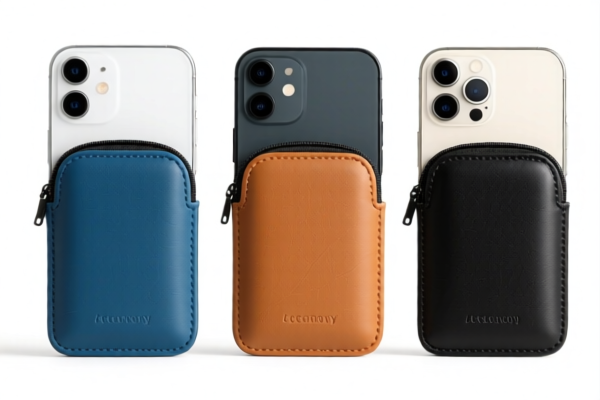
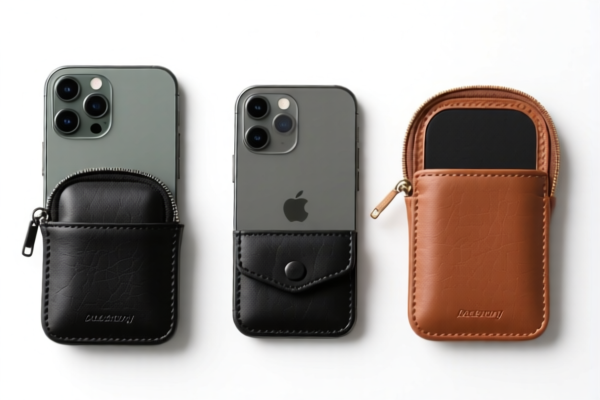
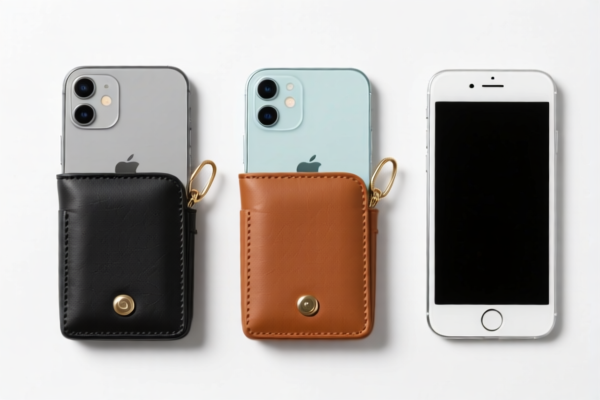
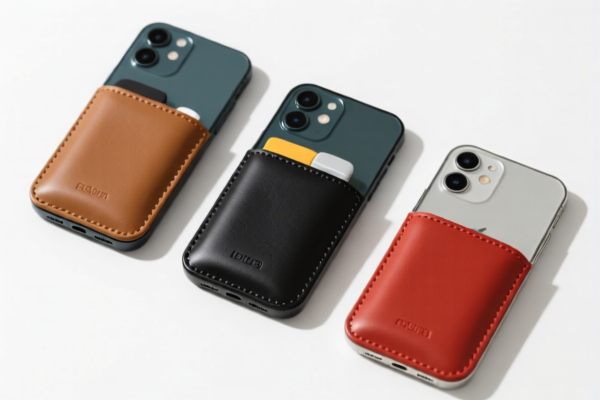
AI Analysis
📱 Mobile Phone Accessory Pouches (Cases & Storage Bags)
🌐 HS Code Classification & Customs Clearance Guide | 2026 Tariff Analysis | Strategic Entry Strategies
📌 Part 1: Product Definition & Classification Logic: What Exactly Are "Accessory Pouches"?
Mobile phone accessory pouches are small containers designed to store, protect, and organize items such as earphones, charging cables, power banks, and SIM cards. In international trade, the classification depends heavily on the material composition and structural form of the pouch. They are generally divided into three main categories:
1. Plastic/Polymer Bags (3923 Series):
Made primarily of plastics (e.g., PVC, PE, PP) or synthetic fibers, these are often flexible pouches or rigid plastic cases.
2. Textile/Fabric Bags (6307 / 4202 Series):
Made from woven fabrics, non-woven textiles, or leather/artificial leather. These include drawstring bags, zippered fabric cases, and leather cardholders.
⚠️ Key Distinction Point:
- If the primary material is plastic/polymer → Look at Chapter 39 (Plastics) or 38.23.
- If the primary material is textile/fabric → Look at Chapter 63 (Other Made-up Articles) or Chapter 42 (Leather/Artificial Leather Articles).
- Note: Even if the pouch holds electronic accessories, it is NOT classified with the electronics themselves. It is classified as a container/accessory based on its material.
📦 Part 2: HS Code Classification Details (2026 Latest Tariff Schedule)
Below are the specific HS Codes derived from the provided data, along with their logical classification explanations.
| HS Code | Product Description & Material Logic | Primary Material | Structural Form |
|---|---|---|---|
3923.29.00.00 |
Other plastic made-up articles for the conveyance or packing of goods; inferred as a general plastic pouch. | Plastic / Synthetic Fiber | Flexible Bag/Pouch |
6307.90.98.91 |
Other made-up articles; classified under general textile/consumer goods. | Fabric / Plastic (Mixed) | Other Finished Article |
6307.90.98.75 |
Other masks/accessories; classified as a finished consumer good in this specific subheading. | Textile / Plastic | Accessory Case |
4202.32.93.00 |
Articles of a kind normally carried in pocket or handbag; classified as a container made of textile materials. | Textile Material / Man-made Fiber | Container/Case |
3923.21.00.95 |
Sacks and bags, including cones, made of plastics; specifically vinyl polymers. | Vinyl Polymer (PVC) / Plastic | Pouch/Bag |
🔍 Important Note:
-4202.32.93.00carries the highest tariff burden (52.6%) due to its classification under leather/leather-like goods (Chapter 42), even if made of synthetic textiles.
-3923.21.00.95and3923.29.00.00are plastic-based, offering a slightly lower base tax but still subject to significant附加税 (Additional Duties).
-6307codes represent general made-up textile/plastic goods, often used for non-specific fabric pouches.
💰 Part 3: 2026 Latest Tariff Rate Breakdown (Including Additional Duties & Policies)
✅ Applicable Country: United States (US)
✅ Country of Origin: China (CN)
✅ Effective Date: Rates reflect current trade war tariffs (Section 301 + IEEPA).
🎯 1. 3923.29.00.00 – Other Plastic Pouches
| Item | Detail |
|---|---|
| Base Duty Rate | 3.0% |
| Section 301 Additional Duty | +25.0% |
| IEEPA Additional Duty (122 Clause) | +10.0% |
| Total Effective Duty Rate | 38.0% |
| Calculation Basis | CIF Value × 38.0% |
| De Minimis Exemption Eligible? | ❌ NO (Subject to strict scrutiny) |
| Legal Authority Path | USITC:3923.29.00.00 → USITC Footnote 9903.88.01 → IEEPA:9903.01.24 |
📌 Explanation:
- This code falls under "Plastics." While the base rate is low (3%), the 35% additional duty (25% + 10%) makes it expensive.
- The 122 Clause (10%) is a recent addition targeting specific Chinese consumer goods.
🎯 2. 6307.90.98.91 & 6307.90.98.75 – Other Made-up Textile/Plastic Articles
| Item | Detail |
|---|---|
| Base Duty Rate | 7.0% |
| Section 301 Additional Duty | +7.5% |
| IEEPA Additional Duty (122 Clause) | +10.0% |
| Total Effective Duty Rate | 24.5% |
| Calculation Basis | CIF Value × 24.5% |
| De Minimis Exemption Eligible? | ❌ NO |
| Legal Authority Path | USITC:6307.90.98.91 → USITC Footnote 9903.88.01 → IEEPA:9903.01.24 |
📌 Explanation:
- These codes are often used for fabric pouches or mixed-material bags.
- The 24.5% rate is significantly lower than the plastic (38%) or leather/textile container (52.6%) options.
- Strategic Advantage: If your pouch is primarily fabric (e.g., polyester drawstring bag), this is often the most cost-effective classification.
🎯 3. 4202.32.93.00 – Textile/Artificial Leather Containers
| Item | Detail |
|---|---|
| Base Duty Rate | 17.6% |
| Section 301 Additional Duty | +25.0% |
| IEEPA Additional Duty (122 Clause) | +10.0% |
| Total Effective Duty Rate | 52.6% |
| Calculation Basis | CIF Value × 52.6% |
| De Minimis Exemption Eligible? | ❌ NO |
| Legal Authority Path | USITC:4202.32.93.00 → USITC Footnote 9903.88.01 → IEEPA:9903.01.24 |
📌 Explanation:
- Highest Risk Code. Chapter 42 (Leather/Artificial Leather) attracts higher base duties.
- Even if made of synthetic textile, if it resembles a wallet, cardholder, or fashion accessory, US Customs may classify it here.
- Warning: A 52.6% tariff can wipe out profit margins. Avoid this code unless the product is genuinely premium leather or legally required to be classified here.
🎯 4. 3923.21.00.95 – Vinyl Polymer Pouches/Sacks
| Item | Detail |
|---|---|
| Base Duty Rate | 3.0% |
| Section 301 Additional Duty | +25.0% |
| IEEPA Additional Duty (122 Clause) | +10.0% |
| Total Effective Duty Rate | 38.0% |
| Calculation Basis | CIF Value × 38.0% |
| De Minimis Exemption Eligible? | ❌ NO |
| Legal Authority Path | USITC:3923.21.00.95 → USITC Footnote 9903.88.01 → IEEPA:9903.01.24 |
📌 Explanation:
- Specific to vinyl polymers (common in clear phone cases and PVC pouches).
- Same total rate as3923.29.00.00(38%), but more specific. Use only if the material is clearly PVC/Vinyl.
🛠️ Part 4: Customs Clearance Practical Advice (Pitfall Avoidance Guide)
✅ 1. Documentation Checklist (Non-negotiable)
| Document | Required? | Details |
|---|---|---|
| ✅ Product Specification Sheet | ✔️ | Must clearly state primary material (e.g., "100% Polyester" vs. "PVC"). |
| ✅ Material Composition Breakdown | ✔️ | Critical for HS Code selection. % of plastic vs. fabric. |
| ✅ Product Photos (Open & Closed) | ✔️ | Show interior, exterior, zipper/drawstring, and any logos. |
| ✅ Commercial Invoice | ✔️ | Description must match HS Code logic (e.g., "Plastic Pouch" vs. "Fabric Bag"). |
| ✅ Packing List | ✔️ | Confirm no other goods are mixed in. |
| ✅ Origin Certificate (if applicable) | ✔️ | To verify CN origin for tariff calculation. |
✅ 2. Classification Strategy (Key Mnemonic)
🔥 “Material Defines Code, Tax Rate Defines Cost, Misclassification Means Penalty!”
| Scenario | Recommended HS Code | Total Duty | Reason |
|---|---|---|---|
| Fabric/Drawstring Bag | 6307.90.98.91 / 6307.90.98.75 |
24.5% | Lowest tax among options; correct for textiles. |
| Clear PVC Plastic Bag | 3923.21.00.95 |
38.0% | Specific to vinyl/polymer bags. |
| Generic Plastic Pouch | 3923.29.00.00 |
38.0% | Fallback for other plastic packaging. |
| Leather/Synthetic Leather Case | 4202.32.93.00 |
52.6% | AVOID IF POSSIBLE due to high tax. |
✅ 3. Special Handling Cases
| Case | Handling Advice |
|---|---|
| Mixed Material (e.g., Fabric + Plastic Zipper) | Classify based on essential character (usually the fabric body). Aim for 6307 series (24.5%). |
| Set with Phone (Pouch + Phone) | Do NOT combine. The pouch is a separate good. The phone is 8517.12 (high tax too). Declare separately. |
| Sample/Small Quantity | Still subject to full tariffs. No de minimis exemption for China-origin goods under current IEEPA. |
| OEM Custom Design | Provide design specs to prove it’s a "pouch" and not a "case" for the phone itself. |
🌍 Part 5: Global Market Comparison (2026)
| Market | Recommended HS Code | Est. Duty (China Origin) | Key Certification |
|---|---|---|---|
| 🇺🇸 USA | 6307.90.98.91 |
24.5% | None specific, but accurate material declaration is key. |
| 🇪🇺 EU | 4202.32 / 6307 |
0% - 12% | CE (if electronic accessory included), REACH (chemicals in plastic). |
| 🇨🇳 China | 6307 / 3923 |
0% - 5% | CCC (if electronic), but pouches usually exempt. |
| 🇯🇵 Japan | 4202 / 6307 |
0% - 7% | None specific. |
📌 Conclusion:
- The US market is the most expensive due to Section 301 and IEEPA tariffs.
- Fabric pouches (6307) offer the best cost efficiency (24.5%) compared to plastic (38%) or leather-like (52.6%).
- EU/Japan have much lower duties, but compliance with chemical regulations (REACH) is critical for plastic products.
📌 Part 6: Common Mistakes & Pitfalls (Lessons Learned)
❌ Mistake 1: Classifying a fabric pouch as 4202 (Leather/Textile Container).
👉 Consequence: 52.6% Tax.
👉 Fix: Prove it’s not "fashion accessory" grade; use 6307 (24.5%).
❌ Mistake 2: Classifying a plastic pouch as 6307 (Textile) to save tax.
👉 Consequence: Customs audit, penalties, and back-tariff + interest.
👉 Fix: Declare true material. If it’s PVC, use 3923.
❌ Mistake 3: Ignoring the IEEPA 10% Clause.
👉 Consequence: Underpayment by 10% on all entries.
👉 Fix: Always add 10% to Section 301 + Base Duty for China-origin goods entering the US.
✅ Correct Practice:
"Drawstring Pouch, 100% Polyester, for Storage of Electronic Accessories, Model XYZ" →
6307.90.98.91
🎯 Part 7: Conclusion: Optimize Classification, Maximize Margin!
🎯 Remember the Golden Rule:
🔹 "Fabric is Cheaper (24.5%), Plastic is Mid (38%), Leather/Container is Expensive (52.6%)."
🔹 "Material Truthfulness is Key to Avoiding Audits!"
📌 Pro Tip:
If you are importing large volumes, consider Advance Ruling (Pre-classification) with US CBP. This provides legal certainty and protects you from future tariff changes.
📣 Immediate Action:
📞 Audit your current BOM (Bill of Materials).
📉 Switch to Fabric (6307) if possible to save 13.5% vs. Plastic and 28% vs. Leather-like.
🚀 Clear customs smoothly, control costs, and boost profitability!
✨ Professional Customs Clearance Starts with Accurate Classification!
💼 Every percentage point of duty is a direct impact on your net profit!
Customer Reviews
About HS Code Classification
The Harmonized System (HS) is an internationally standardized nomenclature developed by the World Customs Organization (WCO) to classify traded products. Over 200 countries use the HS system as the basis for customs tariffs, trade statistics, and import/export regulations.
Each HS code follows a hierarchical structure:
- Chapter (2 digits) — Broad category of goods (e.g., Chapter 84: Machinery and Mechanical Appliances)
- Heading (4 digits) — More specific grouping within the chapter
- Subheading (6 digits) — Internationally standardized breakdown, used by all WCO member countries
- National subdivisions (8-10 digits) — Country-specific extensions for further classification, such as US HTSUS 10-digit codes
Correct HS code classification is essential for smooth customs clearance, accurate duty payment, and compliance with trade regulations. Misclassification can lead to customs delays, overpayment of duties, or penalties.
When importing from CN to US, the applicable tariff rates may include:
- Most-Favored-Nation (MFN) rate — The standard duty rate applied to WTO members
- General rate — Applied to countries without trade agreements
- Trade remedy duties — Additional tariffs such as Section 301 (anti-dumping), Section 232 (national security), or countervailing duties
The information provided on this page is for reference purposes only. For official classification, please consult with your local customs authority or a licensed customs broker.