Mobile Phone Car Mount
CN → US| HS Code | Tariff Rate | Origin | Destination | Doc |
|---|---|---|---|---|
| 3926902500 | 24.0% | CN | US | Official Doc |
| 3926909989 | 22.8% | CN | US | Official Doc |
| 7326908688 | 87.9% | CN | US | Official Doc |
| 7326200090 | 88.9% | CN | US | Official Doc |
| 8529909800 | 35.0% | CN | US | Official Doc |
Product Images
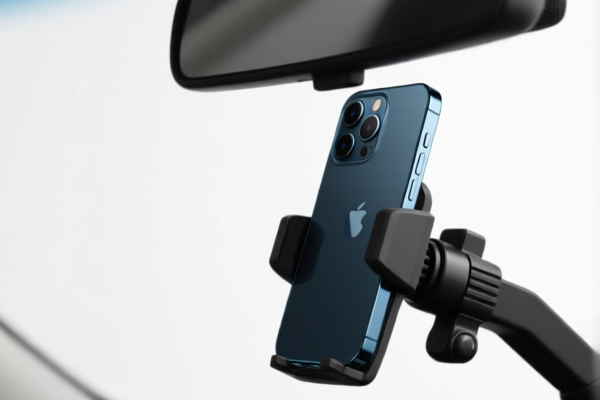
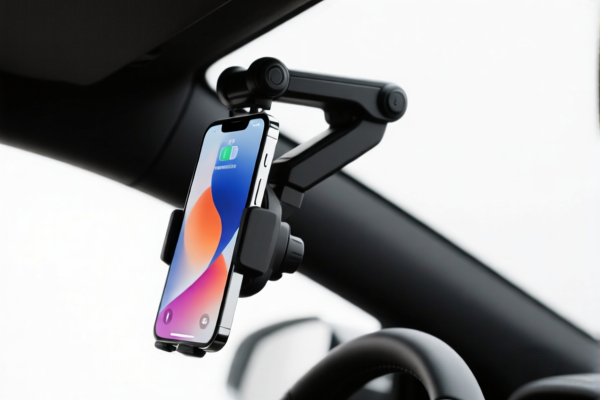
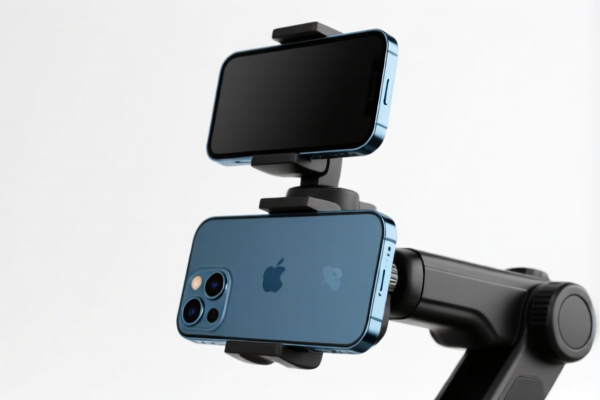
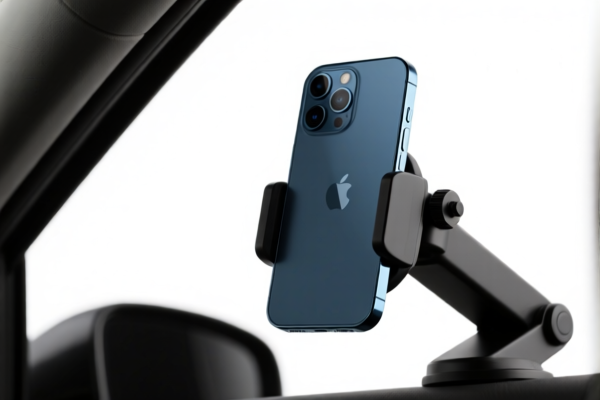
AI Analysis
🚗 Mobile Phone Car Mount (Mobile Phone Holder)
🌐 HS Code Reference & Customs Clearance Guide | 2026 Latest Tariff Analysis | Professional Customs Strategy
📌 I. Product Definition & Classification: Do You Really Understand "Car Mounts"?
A Mobile Phone Car Mount is a peripheral device used to secure smartphones in vehicles. In international trade, its classification depends strictly on its material composition and functional relationship to the electronic device. It is generally categorized into three main types:
- Plastic Mounts: Made primarily of synthetic polymers (ABS, PP, silicone grips).
- Metal Mounts: Made of steel, iron, or aluminum alloys (often with plastic components).
- Electronic Component Parts: Classified as accessories/parts for mobile phones or vehicles if integrated with electronics (though most passive mounts fall under materials).
⚠️ Key Distinction Point:
- If the product is primarily plastic → It falls under Chapter 39 (Plastics).
- If the product is primarily metal (Steel/Iron) → It falls under Chapter 73 (Iron/Steel).
- If declared as a part of a phone or vehicle system → It may fall under Chapter 85 (Electrical Machinery).
📦 II. HS Code Classification Details (2026 Latest Tariff Authority对照)
| HS Code | Product Description | Applicable Scenario | Material Primary |
|---|---|---|---|
3926.90.25.00 |
Other plastic articles, specifically cited as "other plastic articles" (catch-all for specific plastic goods) | Pure plastic mounts, silicone grips, basic plastic brackets | ✅ Plastic |
3926.90.99.89 |
Other plastic articles, not specified elsewhere (catch-all) | Mixed material mounts where plastic is dominant or undefined; generic plastic holders | ✅ Plastic/Mixed |
7326.90.86.88 |
Other articles of iron or steel | Sturdy metal clamps, steel brackets, aluminum-steel hybrid mounts | ✅ Steel/Iron |
7326.20.00.90 |
Other articles of iron or steel (catch-all for steel articles) | Steel wire mounts, steel frame holders, generic steel hardware mounts | ✅ Steel |
8529.90.98.00 |
Parts of apparatus for radio-telephony or radio-telegraphy | Phone mounts declared as "parts" of mobile phones or car audio systems | ✅ Electronic Part |
🔍 Key Reminder:
- Plastic vs. Metal: The material determines the chapter. Plastic goes to 39, Metal goes to 73.
- Part vs. Article: Declaring a simple plastic holder as an "electrical part" (8529) is risky and often rejected unless it contains circuitry. Passive mounts are usually articles of material.
- Metal Penalty: Steel/iron products from China face significantly higher additional tariffs compared to plastics or electronic parts.
💰 III. 2026 Latest Tariff Rate Details (Including Surcharges & Policy Add-ons)
✅ Applicable Country: United States (US)
✅ Origin: China (CN)
✅ Effective Time: 2025/2026 (Current IEEPA & Section 301 regimes)
🎯 1. 3926.90.25.00 —— Plastic Car Mounts (Specific Plastic Article)
| Item | Content |
|---|---|
| Base Tariff | 6.5% (ad valorem) |
| Section 301 Surcharge | +7.5% (Standard Section 301 rate for Chapter 39 items) |
| IEEPA Surcharge (122 Clause) | +10% (Specific additional duty for Chinese plastics/articles) |
| Total Rate | 24.0% |
| Tax Calculation | CIF Value × 24% |
| De Minimis Exemption? | ❌ No (High tariff rates typically exclude de minimis benefits) |
| Legal Basis Path | USITC:3926.90.25.00 → Section 301 → IEEPA:122 |
📌 Explanation:
- This is the lowest tax option among the listed codes.
- Suitable for standard ABS/plastic mounts.
- Advantage: Lower total duty burden compared to metal alternatives.
🎯 2. 3926.90.99.89 —— Plastic/Mixed Car Mounts (General Plastic Catch-all)
| Item | Content |
|---|---|
| Base Tariff | 5.3% |
| Section 301 Surcharge | +7.5% |
| IEEPA Surcharge (122 Clause) | +10% |
| Total Rate | 22.8% |
| Tax Calculation | CIF Value × 22.8% |
| De Minimis Exemption? | ❌ No |
| Legal Basis Path | USITC:3926.90.99.89 → Section 301 → IEEPA:122 |
📌 Note:
- Slightly lower base rate than3926.90.25.00, resulting in a lower total rate (22.8% vs 24.0%).
- Use this when the plastic article doesn't fit the specific description of.25.00or is a mixed-material item where plastic is dominant.
🎯 3. 8529.90.98.00 —— Electronic Parts (Phone/Vehicle Accessories)
| Item | Content |
|---|---|
| Base Tariff | 0.0% |
| Section 301 Surcharge | +25.0% |
| IEEPA Surcharge (122 Clause) | +10% |
| Total Rate | 35.0% |
| Tax Calculation | CIF Value × 35.0% |
| De Minimis Exemption? | ❌ No (High surcharge prevents exemption) |
| Legal Basis Path | USITC:8529.90.98.00 → Section 301 → IEEPA:122 |
📌 Explanation:
- Base duty is 0%, which looks attractive, but the 25% Section 301 surcharge makes it more expensive than plastic mounts.
- Only applicable if the mount is explicitly classified as a "part" of a radio-telephony apparatus.
- Risk: Customs may reclassify it as a plastic/metal article if it lacks electronic components, leading to disputes.
🎯 4. 7326.90.86.88 —— Steel/Iron Car Mounts
| Item | Content |
|---|---|
| Base Tariff | 2.9% |
| Section 301 Surcharge | +25.0% |
| IEEPA Surcharge (122 Clause) | +10% |
| Steel/Aluminum/Copper Surtax | +50% (Specific additional duty for steel products under recent trade actions) |
| Total Rate | 87.9% |
| Tax Calculation | CIF Value × 87.9% |
| De Minimis Exemption? | ❌ No (Prohibitively high) |
| Legal Basis Path | USITC:7326.90.86.88 → Section 301 → IEEPA:122 → Steel Surtax |
📌 Warning:
- Extremely High Tax! The 50% steel surtax is the primary driver.
- Steel mounts from China are heavily penalized.
- Avoid this classification unless absolutely necessary for product durability requirements.
🎯 5. 7326.20.00.90 —— Steel Articles (Catch-all)
| Item | Content |
|---|---|
| Base Tariff | 3.9% |
| Section 301 Surcharge | +25.0% |
| IEEPA Surcharge (122 Clause) | +10% |
| Steel/Aluminum/Copper Surtax | +50% |
| Total Rate | 88.9% |
| Tax Calculation | CIF Value × 88.9% |
| De Minimis Exemption? | ❌ No |
| Legal Basis Path | USITC:7326.20.00.90 → Section 301 → IEEPA:122 → Steel Surtax |
📌 Note:
- Similar to.86.88, but with a slightly higher base rate (3.9% vs 2.9%).
- Total tax is the highest at 88.9%.
- Strongly recommend avoiding steel classifications for car mounts if plastic alternatives exist.
🛠️ IV. Customs Clearance Practical Advice (Real-World Pitfall Guide)
✅ 1. Material Declaration Strategy
| Scenario | Recommended HS Code | Total Tax | Reason |
|---|---|---|---|
| Pure Plastic Mount | 3926.90.99.89 |
22.8% | Lowest effective rate for plastic items. |
| Plastic with Silicone Grip | 3926.90.99.89 |
22.8% | Silicone is often considered a plastic/rubber variant in this context. |
| Metal Clamp + Plastic Body | 3926.90.99.89 |
22.8% | If plastic is the primary material/volume, argue for plastic classification. |
| All-Metal Mount | 7326.90.86.88 |
87.9% | Avoid if possible. Consider redesigning with plastic components. |
📌 Critical Tip:
- Do not declare a steel mount as8529.90.98.00(35%) unless it is strictly an electronic part. If it is a passive metal holder, Customs will likely reclassify it to7326(87.9%), resulting in back taxes and penalties.
- Plastic is King:3926codes offer the most favorable tax structure (~23-24%) compared to steel (~88%).
✅ 2. Documentation Requirements
| Document | Required | Notes |
|---|---|---|
| Product Specifications | ✔️ | Clearly state materials (e.g., "ABS Plastic, Silicone Pad"). |
| Material Composition Sheet | ✔️ | Breakdown by weight/percentage. Crucial for Chapter 39 vs 73 determination. |
| Commercial Invoice | ✔️ | Describe as "Plastic Mobile Phone Holder for Vehicle Use". Avoid vague terms like "Metal Accessory". |
| Photos | ✔️ | Show the product clearly, highlighting plastic parts vs. any metal clips. |
✅ 3. Special Case Handling
| Scenario | Handling Advice |
|---|---|
| Mixed Material (Steel Clip + Plastic Body) | Argue for Chapter 39 if plastic is the principal material (by weight or essential character). Provide weight breakdown. |
| Electronics Integrated (Bluetooth Tracker Mount) | May qualify for 8529.90.98.00 (35%). Provide circuit diagrams to prove it is an electronic part. |
| OEM Custom Mounts | Ensure the design图纸 shows material composition. If it's mostly plastic, stick to 3926. |
🌍 V. Global Market Comparison (2026 Latest)
| Country/Region | Recommended HS Code | Estimated Tax (China Origin) | Key Certifications | Remarks |
|---|---|---|---|---|
| 🇺🇸 USA | 3926.90.99.89 |
22.8% | None specific | Steel mounts face ~88% tax. |
| 🇨🇳 China | 3926.90.99.89 |
5-6% | None | Low import duty for domestic production/import. |
| 🇪🇺 EU | 3926.90.99.00 |
0-4% | CE (if electronic) | No major anti-dumping duties on phone mounts. |
| 🇬🇧 UK | 3926.90.99.00 |
0-4% | UKCA | Post-Brexit rates similar to EU for plastics. |
📌 Conclusion:
- USA is the most challenging market due to Section 301 and IEEPA surcharges.
- Plastic classification (3926) is the optimal strategy for US imports to minimize costs (~23% vs ~88% for steel).
- Steel mounts are financially unviable for US imports from China unless the value add is extremely high.
📌 VI. Common Mistakes & Pitfalls (Lessons Learned)
❌ Mistake 1: Declaring a Steel Mount as 8529.90.98.00 (35%)
👉 Consequence: Customs reclassifies to 7326.90.86.88 (87.9%). Back taxes + 10% penalty.
❌ Mistake 2: Not declaring Material Composition
👉 Consequence: Customs assigns a default rate (often highest) or delays shipment for inspection.
❌ Mistake 3: Using "Phone Accessory" as the description for Steel Items
👉 Consequence: Misclassification. Accessories are only 8529 if they are parts of the apparatus. Passive holders are articles of material.
✅ Correct Declaration Example:
"Mobile Phone Car Mount, made of ABS Plastic and Silicone, for use in vehicles. HS Code: 3926.90.99.89."
🎯 VII. Conclusion: Smart Classification Saves Money!
🎯 Remember the Golden Rule:
🔹 "Plastic is Low, Steel is High. Choose Chapter 39 if possible!"
🔹 22.8% (Plastic) vs. 88.9% (Steel) = Huge Savings!
📌 Pro Tip:
- If your product has any metal parts, ensure the plastic component is predominant (by weight or function) to justify
3926classification.- Always request a Pre-Ruling from US Customs and Border Protection (CBP) if your product is borderline.
📣 Action Item:
📞 Verify material composition with your supplier.
📄 Prepare a Material Breakdown Sheet.
🚀 Optimize for3926.90.99.89to save ~65% in duties!
✨ Professional Customs, Precise Classification, Maximum Profit!
💼 Every percentage point saved in duty is pure profit!
Customer Reviews
About HS Code Classification
The Harmonized System (HS) is an internationally standardized nomenclature developed by the World Customs Organization (WCO) to classify traded products. Over 200 countries use the HS system as the basis for customs tariffs, trade statistics, and import/export regulations.
Each HS code follows a hierarchical structure:
- Chapter (2 digits) — Broad category of goods (e.g., Chapter 84: Machinery and Mechanical Appliances)
- Heading (4 digits) — More specific grouping within the chapter
- Subheading (6 digits) — Internationally standardized breakdown, used by all WCO member countries
- National subdivisions (8-10 digits) — Country-specific extensions for further classification, such as US HTSUS 10-digit codes
Correct HS code classification is essential for smooth customs clearance, accurate duty payment, and compliance with trade regulations. Misclassification can lead to customs delays, overpayment of duties, or penalties.
When importing from CN to US, the applicable tariff rates may include:
- Most-Favored-Nation (MFN) rate — The standard duty rate applied to WTO members
- General rate — Applied to countries without trade agreements
- Trade remedy duties — Additional tariffs such as Section 301 (anti-dumping), Section 232 (national security), or countervailing duties
The information provided on this page is for reference purposes only. For official classification, please consult with your local customs authority or a licensed customs broker.