Mobile Phone Handle
CN → US| HS Code | Tariff Rate | Origin | Destination | Doc |
|---|---|---|---|---|
| 3926902500 | 24.0% | CN | US | Official Doc |
| 3926909989 | 22.8% | CN | US | Official Doc |
| 7326908688 | 87.9% | CN | US | Official Doc |
| 7326200090 | 88.9% | CN | US | Official Doc |
| 8529909800 | 35.0% | CN | US | Official Doc |
Product Images
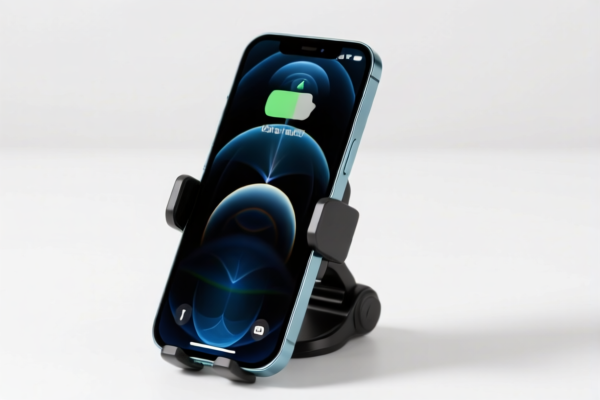
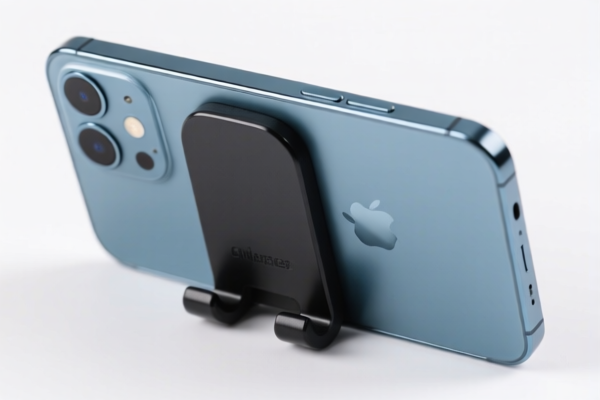
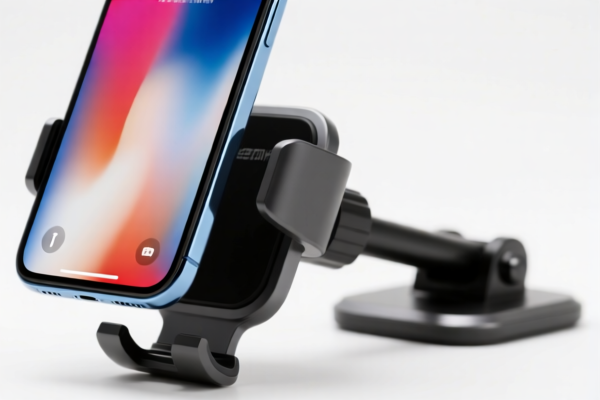
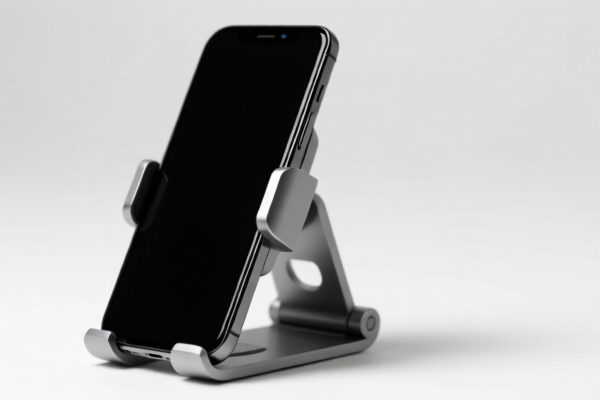
AI Analysis
📱 Mobile Phone Handle / Phone Holder (手机支架)
🌐 HS Code Reference & Customs Clearance Guide | 2026 Latest Tariff Analysis for US Imports | Strategic Compliance Strategy
📌 Part 1: Product Definition & Classification: What Exactly is a "Mobile Phone Handle"?
A "Mobile Phone Handle" (commonly referred to as a Phone Holder, Mount, or Stand) is a peripheral accessory designed to secure and position a smartphone. In international trade, its classification is strictly determined by its material composition and functional integration. It is not a single unified commodity; rather, it falls into three distinct HS Code categories based on whether it is made of plastic, metal, or classified as an electronic component.
⚠️ Critical Distinction Point:
- Plastic Holder: Classified under Chapter 39 (Plastics). Lowest duty burden among the three.
- Metal Holder: Classified under Chapter 73 (Iron/Steel). Highest duty burden due to steel/aluminum tariffs.
- Electronic Component/Part: Classified under Chapter 85 (Electrical Machinery). Moderate duty burden, often used if the holder has active electronic features (e.g., wireless charging integration, though basic stands usually fall here as "parts" if specific criteria are met).
📦 Part 2: HS Code Classification Details (2026 Latest Tariff Matrix)
Based on the provided <DATA>, here are the exact HS Codes, their descriptions, and the logic for classification:
| HS Code | Product Description | Material / Category | Key Classification Logic |
|---|---|---|---|
3926.90.25.00 |
Mobile Phone Holder (Plastic) | Plastic Material | Classified as "Other articles of plastics" (Bottom-category fallback for plastics). Specifically targeted for plastic-only holders. |
3926.90.99.89 |
Mobile Phone Holder (Plastic/Metal Mix) | Plastic or Metal | Classified as "Other articles of plastics" (Fallback). Used when the holder contains minor metal parts but is primarily categorized under the plastic chapter for fallback purposes. |
7326.90.86.88 |
Mobile Phone Holder (Metal) | Metal (Iron/Steel) | Classified as "Other articles of iron or steel". Specifically for holders where metal is the primary structural material. |
7326.20.00.90 |
Mobile Phone Holder (Iron/Steel Fallback) | Iron/Steel | Classified as "Other articles of iron or steel" (Fallback category). Used for generic steel holders not fitting specific sub-headings. |
8529.90.98.00 |
Mobile Phone Holder (Part of Device) | Metal or Plastic | Classified as "Parts of apparatus" (Electronic Parts). Applied when the holder is considered a component of a larger electronic system or lacks a specific "holder" classification in Chapters 39/73. |
🔍 重点提醒 (Key Reminder):
- Material Determines Duty: The single biggest factor affecting your cost is the material. Plastic (3926) is significantly cheaper than Steel (7326) due to lower base tariffs and different Section 301/122 calculations.
- Mixed Materials: If a holder is 90% plastic with 10% metal, declaring it under3926.90.99.89may still trigger plastic tariffs, but you must prove plastic is the essential character. If it is mostly metal, you risk being reclassified to7326, doubling your taxes.
- "Part" Classification: Using8529.90.98.00is a strategic middle ground. It avoids the high steel tariffs of Chapter 73 but may be scrutinized by customs to ensure it's not a "device" in itself.
💰 Part 3: 2026 Latest Tariff Rate Breakdown (Including Additional Taxes)
✅ Applicable Country: United States (US)
✅ Origin: China (CN)
✅ Effective Time: Current rates include Base Duty + Section 301 + Section 122 (if applicable)
🎯 1. 3926.90.25.00 —— Plastic Phone Holder (Most Cost-Effective)
| Item | Detail |
|---|---|
| Base Duty | 6.5% (Ad Valorem) |
| Section 301 Tariff | 7.5% (Additional Tariff on Chinese Goods) |
| Section 122 Tariff | 10% (Specific additional tariff for certain plastics/articles) |
| Total Tax Rate | 24.0% |
| Tax Calculation | CIF Value × 24% |
| De Minimis Applicability | ❌ No (Subject to high duties, not eligible for $800 de minimis exemption if aggregated) |
| Legal Reference Path | Base: 6.5% → Sec301: 7.5% → Sec122: 10% |
📌 Explanation:
- This is the cheapest option for plastic holders.
- The 24% total is manageable compared to metal alternatives.
- Warning: Ensure the product is 100% plastic. If it has metal screws, springs, or grips, customs may challenge this classification.
🎯 2. 3926.90.99.89 —— Plastic/Metal Mixed Holder (Fallback Plastic)
| Item | Detail |
|---|---|
| Base Duty | 5.3% (Ad Valorem) |
| Section 301 Tariff | 7.5% |
| Section 122 Tariff | 10% |
| Total Tax Rate | 22.8% |
| Tax Calculation | CIF Value × 22.8% |
| De Minimis Applicability | ❌ No |
| Legal Reference Path | Base: 5.3% → Sec301: 7.5% → Sec122: 10% |
📌 Note:
- Slightly lower base duty (5.3% vs 6.5%) than3926.90.25.00, but similar total.
- Use this only if the product is a complex mix where plastic is still the essential character.
- Risk: Higher scrutiny on "essential character" determination.
🎯 3. 7326.90.86.88 —— Metal Phone Holder (High Risk / High Cost)
| Item | Detail |
|---|---|
| Base Duty | 2.9% (Ad Valorem) |
| Section 301 Tariff | 25.0% |
| Section 122 Tariff | 10% |
| Steel/Aluminum Additional Tariff | +50% (Specific duty for steel/aluminum products) |
| Total Tax Rate | 87.9% |
| Tax Calculation | CIF Value × 87.9% |
| De Minimis Applicability | ❌ No |
| Legal Reference Path | Base: 2.9% → Sec301: 25% → Sec122: 10% → Steel/Al: 50% |
📌 Warning:
- This is the most expensive category. The 50% steel/aluminum tariff is punitive.
- Total Tax: 87.9%. This can destroy profit margins.
- Avoid if possible: If your holder is metal, consider redesigning it with plastic components to shift classification to Chapter 39.
🎯 4. 7326.20.00.90 —— Iron/Steel Fallback Holder (Highest Cost)
| Item | Detail |
|---|---|
| Base Duty | 3.9% (Ad Valorem) |
| Section 301 Tariff | 25.0% |
| Section 122 Tariff | 10% |
| Steel/Aluminum Additional Tariff | +50% |
| Total Tax Rate | 88.9% |
| Tax Calculation | CIF Value × 88.9% |
| De Minimis Applicability | ❌ No |
| Legal Reference Path | Base: 3.9% → Sec301: 25% → Sec122: 10% → Steel/Al: 50% |
📌 Note:
- Almost identical to7326.90.86.88but with a slightly higher base duty.
- Both metal classifications are financially unsustainable for high-volume, low-margin goods.
🎯 5. 8529.90.98.00 —— Phone Holder as Electronic Part
| Item | Detail |
|---|---|
| Base Duty | 0.0% (Ad Valorem) |
| Section 301 Tariff | 25.0% |
| Section 122 Tariff | 10% |
| Total Tax Rate | 35.0% |
| Tax Calculation | CIF Value × 35.0% |
| De Minimis Applicability | ❌ No |
| Legal Reference Path | Base: 0.0% → Sec301: 25% → Sec122: 10% |
📌 Explanation:
- Strategic Middle Ground: 35% is higher than plastic (24%) but much lower than metal (88%).
- Use this if the holder is metal but not purely structural (e.g., has electronic chips, magnetic mounts with circuits, or is considered a "part" of a larger device).
- Risk: Customs may argue it's a "household article" and reclassify to Chapter 73. Requires strong justification that it is a "part" of electronic equipment.
🛠️ Part 4: Customs Clearance Practical Advice (Best Practices)
✅ 1. Documentation Checklist (Must-Have)
| Document | Required? | Description |
|---|---|---|
| ✅ Product Specification Sheet | ✔️ | Detail materials (e.g., "ABS Plastic," "Stainless Steel 304"). |
| ✅ Bill of Materials (BOM) | ✔️ | Breakdown of material composition by weight/volume. |
| ✅ Product Photos (Clear) | ✔️ | Show all angles, especially joints and materials. |
| ✅ Commercial Invoice | ✔️ | Clearly state "Mobile Phone Holder" and material (e.g., "Plastic Holder"). |
| ✅ Packing List | ✔️ | Include item weights and dimensions. |
| ✅ Third-Party Test Report | ✔️ | RoHS/REACH compliance (especially for plastics). |
✅ 2. Classification Strategy & Optimization
🔥 Golden Rule: "Plastic is Cheap, Steel is Expensive, Parts are Middle"
| Scenario | Recommended HS Code | Total Duty | Strategy |
|---|---|---|---|
| 100% Plastic Holder | 3926.90.25.00 |
24.0% | ✅ Best Option. Declare as plastic. Ensure no metal parts >5% by value. |
| Mixed Material (Plastic Dominant) | 3926.90.99.89 |
22.8% | ✅ Good Option. Use if metal parts are minimal (e.g., rubber grips, small screws). |
| 100% Metal Holder | 7326.90.86.88 |
87.9% | ❌ Avoid. Consider redesigning with plastic casing. |
| Metal Holder with Electronics | 8529.90.98.00 |
35.0% | ⚠️ Strategic Option. If redesigning to plastic is impossible, justify as "electronic part." |
✅ 3. Special Considerations & Pitfalls
| Situation | Advice |
|---|---|
| OEM Customization | Provide design drawings showing material breakdown. If the client insists on metal, warn them of the 88% tax impact. |
| Magnetic Mounts | If the holder uses strong magnets, ensure magnets are encapsulated in plastic to avoid being classified as "permanent magnets" (which may have different duties). |
| Wireless Charging Holders | If it has charging coils, declare as 8529.90.98.00 (Part of apparatus) or 8504 (Charger). Do not declare as simple holder to avoid misclassification penalties. |
| Packaging | Do not split the shipment into "holder" and "phone" to avoid de minimis abuse. Declare as a single unit if sold together. |
🌍 Part 5: Global Market Comparison (2026)
| Country/Region | Recommended HS Code (Plastic) | Duty Rate | Notes |
|---|---|---|---|
| 🇺🇸 USA | 3926.90.25.00 |
24.0% | High due to Sec 301 & 122. Metal is ~88%. |
| 🇨🇳 China | 3926.90.90.00 |
5-10% | Lower duty. No Section 301/122. |
| 🇪🇺 EU | 3926.90.97 |
0-4% | Low duty. No additional tariffs for most plastics. |
| 🇬🇧 UK | 3926.90.90 |
4.5% | Post-Brexit standard rate. |
| 🇯🇵 Japan | 3926.90.90 |
6.0% | Moderate duty. |
📌 Conclusion:
- The US market is the most challenging for Chinese-made phone holders due to layered tariffs.
- Plastic holders are the only viable option for profit margins under 24% tax.
- Metal holders are financially unviable unless sold at a premium price point (Luxury segment).
📌 Part 6: Common Errors & Pitfalls (Lessons Learned)
❌ Error 1: Declaring a Metal Holder as 3926.90.25.00 (Plastic)
👉 Consequence: Customs audit → Reclassification to 7326 → Back taxes of ~64% + penalties.
❌ Error 2: Splitting a Plastic Holder into "Plastic Body" and "Metal Screws"
👉 Consequence: If metal screws >5% by value, customs may reclassify to 7326. Better to declare as mixed under 3926.90.99.89 if plastic is dominant.
❌ Error 3: Using "Phone Case" as a Declaration Name for a Holder
👉 Consequence: Mismatch in HS Code → Delayed clearance. "Case" (4202/3926) is for protection; "Holder" (3926/7326/8529) is for support.
❌ Error 4: Ignoring Section 122 Tariff
👉 Consequence: Underestimating duty by 10%. Always include Sec 122 in cost calculations for plastics.
✅ Correct Declaration Example:
"Plastic Mobile Phone Holder, ABS Material, For Desk Use, Model XYZ"
🎯 Part 7: Conclusion: Optimize, Declare, Profit!
🎯 Remember the Rule:
🔹 "Plastic 24%, Metal 88%, Part 35% — Choose Plastic to Save Money!"
🔹 "HS Code Determines Profit, 64% Difference is Huge!"
📌 Tips:
- If you must use metal, consider redesigning with plastic外壳 (shell) to shift classification.
- Always request Advance Ruling from US Customs if the product is a unique mix of materials.
- For high-volume shipments, calculate landed cost with 24% duty (plastic) vs 88% duty (metal) before sourcing.
📣 Immediate Action:
📞 Contact your freight forwarder with material breakdown.
🚀 Declare accurately, pay correctly, and maximize your profit!
✨ Professional clearance starts with precise classification!
💼 Every percentage point counts in cross-border trade!
Customer Reviews
About HS Code Classification
The Harmonized System (HS) is an internationally standardized nomenclature developed by the World Customs Organization (WCO) to classify traded products. Over 200 countries use the HS system as the basis for customs tariffs, trade statistics, and import/export regulations.
Each HS code follows a hierarchical structure:
- Chapter (2 digits) — Broad category of goods (e.g., Chapter 84: Machinery and Mechanical Appliances)
- Heading (4 digits) — More specific grouping within the chapter
- Subheading (6 digits) — Internationally standardized breakdown, used by all WCO member countries
- National subdivisions (8-10 digits) — Country-specific extensions for further classification, such as US HTSUS 10-digit codes
Correct HS code classification is essential for smooth customs clearance, accurate duty payment, and compliance with trade regulations. Misclassification can lead to customs delays, overpayment of duties, or penalties.
When importing from CN to US, the applicable tariff rates may include:
- Most-Favored-Nation (MFN) rate — The standard duty rate applied to WTO members
- General rate — Applied to countries without trade agreements
- Trade remedy duties — Additional tariffs such as Section 301 (anti-dumping), Section 232 (national security), or countervailing duties
The information provided on this page is for reference purposes only. For official classification, please consult with your local customs authority or a licensed customs broker.