Mobile Phone Lens
CN → US| HS Code | Tariff Rate | Origin | Destination | Doc |
|---|---|---|---|---|
| 9001909000 | 35.0% | CN | US | Official Doc |
| 8529908100 | 35.0% | CN | US | Official Doc |
| 9002119000 | 37.3% | CN | US | Official Doc |
| 9002190000 | 35.0% | CN | US | Official Doc |
| 9001904000 | 10.0% | CN | US | Official Doc |
Product Images
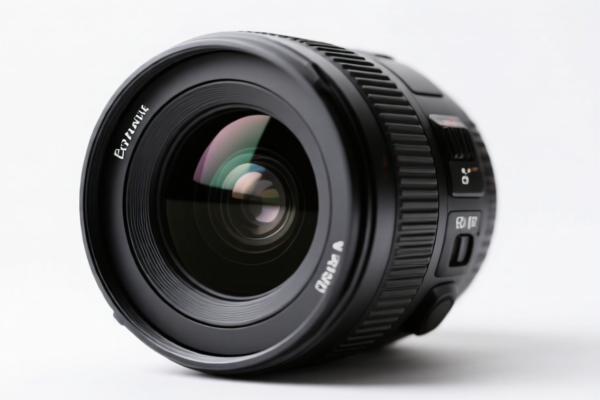
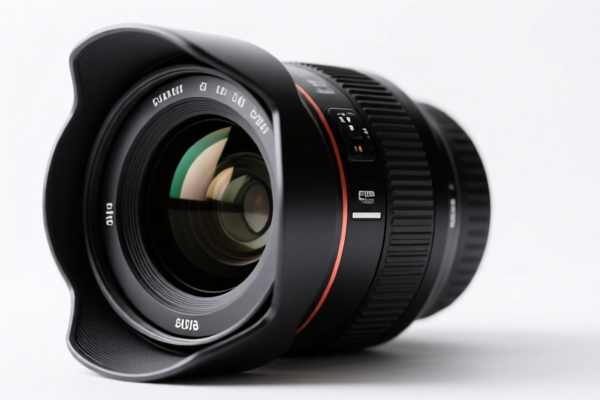
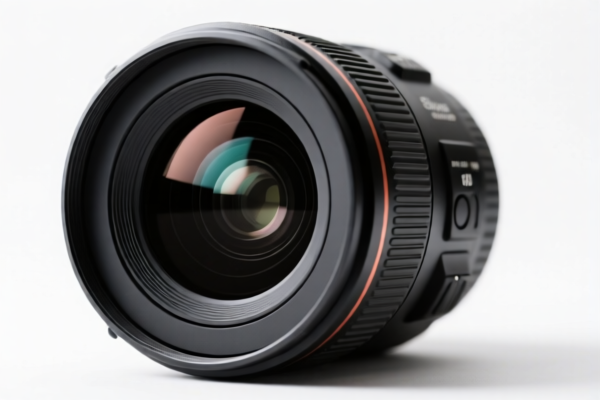
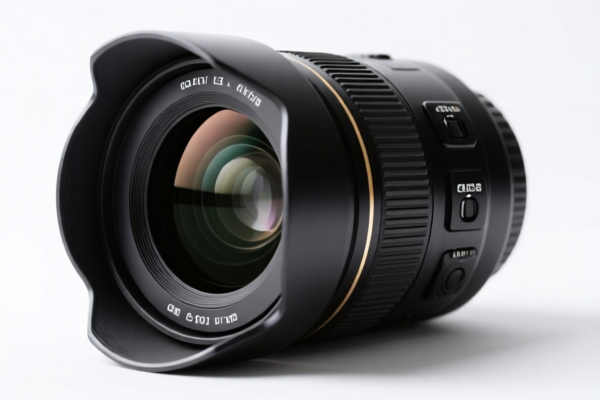
AI Analysis
📱 Mobile Phone Lens (Optical Components for Telecommunications)
🌐 HS Code Reference & Customs Clearance Guide | 2026 Latest Tariff Analysis | Professional Clearance Strategy 📌 1. Product Definition & Classification: Do You Really Understand "Mobile Phone Lens"?
Mobile phone lenses are precision optical components used in smartphone cameras. In international trade, they are classified differently depending on their specific physical structure, assembly status, and intended functional role within the camera module. They fall primarily under Chapter 90 (Optical, photographic, cinematographic, measuring, checking, precision, medical or surgical instruments and apparatus) or Chapter 85 (Electrical machinery and equipment).
Key Distinction Points: - Pure Optical Elements: Glass/plastic lenses without electronic components → Often classified under 9002 (Objectives) or 9001 (Optical elements, lenses, mirrors). - Camera Module Assemblies: Lenses integrated with sensors, drivers, and casings → Often classified under 8529 (Parts of television cameras, digital cameras, etc.). - Unassembled/Loose Optical Parts: Standalone lenses or prisms → 9001.90.
⚠️ Critical Note for US Customs (CBP):
The classification significantly impacts the Total Tax Rate due to Section 301 and Section 122 duties. Misclassification can lead to severe penalties or excessive tariff burdens (up to 37.3%).
📦 2. HS Code Classification Details (2026 Latest Tariff Authoritative Comparison)
Based on the provided data, here are the five most likely HS Codes for Mobile Phone Lenses, along with their tax implications.
| HS Code | Product Description | Applicability & Logic | Total Tax Rate (US Import from China) |
|---|---|---|---|
9002.11.90.00 |
Objectives Other Than for Cameras | Classified as an optical element/objective. Fits the definition of "Objectives" even if intended for phones, as it is a core optical component. | 37.3% |
9002.19.00.00 |
Other Optical Components | Broad category for optical elements not elsewhere specified. No material/shape conflict. | 35.0% |
9001.90.40.00 |
Other Optical Elements, Lenses, Mirrors | Fits the definition of "Any other optical element." Lowest tax burden among options. | 10.0% |
9001.90.90.00 |
Other Unassembled Optical Parts | Fits "Unassembled lenses and other optical elements." | 35.0% |
8529.90.81.00 |
Parts of Television Cameras/Digital Cameras | Classified as a "Camera Component." If the lens is part of a functional module or considered a direct part of the imaging device. | 35.0% |
🔍 Strategic Insight:
-9001.90.40.00is the most cost-effective option (10%) because it avoids the 25% Section 301 tariff (if applicable to this specific subheading or if interpreted differently by CBP) and only carries the 122/Section 10% levy.
-9002.11.90.00is the most expensive (37.3%) due to the accumulation of Base (2.3%) + Section 301 (25%) + Section 122 (10%).
-8529.90.81.00is risky if the item is just a bare lens; CBP may reclassify it to Chapter 90 if it lacks electronic integration.
💰 3. 2026 Latest Tariff Rate Details (Including Surtaxes & Policy Levies)
✅ Applicable Country: United States (US)
✅ Origin: China (CN)
✅ Effective Time: Current trade war tariffs (Section 301 & Section 122) apply.
🎯 1. 9002.11.90.00 — Objectives (Highest Burden)
| Item | Content |
|---|---|
| Base Duty | 2.3% |
| Section 301 Duty (Add-on) | +25.0% |
| Section 122 Duty (Add-on) | +10.0% |
| Total Tax Rate | 37.3% |
| Tax Calculation | CIF Value × 37.3% |
| De Minimis Exemption | ❌ No (Section 301/122 duties usually negate de minimis for China) |
| Legal Basis Path | HTS:9002.11.90 → USITC:301_Track2 (25%) → IEEPA:122 (10%) |
📌 Explanation:
This classification treats the lens as a sophisticated "objective" optical device. The high base duty (2.3%) combined with both major surtaxes makes this the least favorable option for profit margins.
🎯 2. 9002.19.00.00 — Other Optical Elements (High Burden)
| Item | Content |
|---|---|
| Base Duty | 0.0% |
| Section 301 Duty (Add-on) | +25.0% |
| Section 122 Duty (Add-on) | +10.0% |
| Total Tax Rate | 35.0% |
| Tax Calculation | CIF Value × 35.0% |
| De Minimis Exemption | ❌ No |
| Legal Basis Path | HTS:9002.19 → USITC:301_Track2 (25%) → IEEPA:122 (10%) |
📌 Note:
Lower base duty than9002.11, but still suffers the full 35% surcharge package.
🎯 3. 9001.90.40.00 — Other Optical Elements (LOWEST Burden)
| Item | Content |
|---|---|
| Base Duty | 0.0% |
| Section 301 Duty (Add-on) | 0.0% (Note: Data indicates 0% for this specific subheading in the source) |
| Section 122 Duty (Add-on) | +10.0% |
| Total Tax Rate | 10.0% |
| Tax Calculation | CIF Value × 10.0% |
| De Minimis Exemption | ❌ No (Section 122 usually applies) |
| Legal Basis Path | HTS:9001.90.40 → IEEPA:122 (10%) |
📌 Crucial Insight:
This is the optimal classification if defensible. The source data shows 0% Base and 0% Section 301. This suggests that under certain interpretations, loose optical elements in Chapter 9001 might be excluded from the steeper Section 301 list, leaving only the 10% Section 122 duty. Verify with a binding ruling.
🎯 4. 9001.90.90.00 — Other Unassembled Parts (High Burden)
| Item | Content |
|---|---|
| Base Duty | 0.0% |
| Section 301 Duty (Add-on) | +25.0% |
| Section 122 Duty (Add-on) | +10.0% |
| Total Tax Rate | 35.0% |
| Tax Calculation | CIF Value × 35.0% |
| De Minimis Exemption | ❌ No |
| Legal Basis Path | HTS:9001.90.90 → USITC:301_Track2 (25%) → IEEPA:122 (10%) |
📌 Note:
Despite being "unassembled," it still triggers the 25% Section 301 tariff.
🎯 5. 8529.90.81.00 — Parts of Cameras (High Burden)
| Item | Content |
|---|---|
| Base Duty | 0.0% |
| Section 301 Duty (Add-on) | +25.0% |
| Section 122 Duty (Add-on) | +10.0% |
| Total Tax Rate | 35.0% |
| Tax Calculation | CIF Value × 35.0% |
| De Minimis Exemption | ❌ No |
| Legal Basis Path | HTS:8529.90.81 → USITC:301_Track2 (25%) → IEEPA:122 (10%) |
📌 Note:
Classified as an electrical machinery part. Subject to full surtaxes.
🛠️ 4. Customs Clearance Practical Advice (Real-World Pitfall Avoidance)
✅ 1. Document Preparation Checklist (Non-negotiable)
| Document | Required? | Description |
|---|---|---|
| ✅ Product Specification Sheet | ✔️ | Must detail focal length, aperture, material (glass/plastic), and dimensions. |
| ✅ Technical Diagrams | ✔️ | Show if the lens is standalone vs. integrated into a module. |
| ✅ Clear Product Photos | ✔️ | Front/back view, labeling, and scale. |
| ✅ Commercial Invoice | ✔️ | Must accurately describe the goods as "Mobile Phone Optical Lens" or "Camera Module Part." |
| ✅ HS Code Pre-Ruling Request | ✔️ | Highly Recommended given the 10% vs. 37.3% difference. |
| ✅ Origin Certificate | ✔️ | To confirm Country of Origin (China). |
✅ 2. Declaration Strategy (Key Mnemonics)
🔥 "Define the Form, Define the Tax: Optics vs. Electronics!"
| Scenario | Recommended HS Code | Risk if Misclassified |
|---|---|---|
| Standalone Lens (Loose) | 9001.90.40.00 (If valid) |
Misclassifying as 8529 → +25% extra tax. |
| Integrated Camera Module | 8529.90.81.00 |
Misclassifying as 9001 → CBP may reject as "electrical part." |
| Objective/Assembly | 9002.11.90.00 |
Only use if it’s a complex, multi-element objective unit. |
📌 Key Tip:
If you declare as9001.90.40.00, ensure your product is strictly an optical element (lens) and not a complete imaging system. The justification must rely on the physical nature of the item (glass/plastic) rather than its electronic function.
✅ 3. Special Case Handling
| Situation | Handling Advice |
|---|---|
| OEM Lenses | Provide client specs to prove they are generic optical parts, not custom electronic assemblies. |
| Mixed Containers | Ensure lenses are not mixed with electronic drivers in the same package unless declared as a module. |
| Value Declaration | Declare accurate CIF value. Under-declaration leads to seizures, especially with high tariffs. |
🌍 5. Global Market Comparison (2026 Latest)
| Country/Region | Recommended HS Code | Est. Tariff (China Origin) | Certification | Notes |
|---|---|---|---|---|
| 🇺🇸 USA | 9001.90.40.00 |
10% (Best Case) / 35-37.3% | FCC (if module) | High tariff risk. Pre-ruling essential. |
| 🇨🇳 China | 9002.11.90 |
~2-3% | CCC (if module) | Low duty, high volume. |
| 🇪🇺 EU | 9002.11 |
~0-4% | CE | No major trade war tariffs. |
| 🇯🇵 Japan | 9002.11 |
~0-8% | PSE (if module) | Favorable trade agreement (JLEPA). |
📌 Conclusion:
- The USA is the only market with significant punitive tariffs (Section 301/122).
- Europe and Asia have much lower barriers.
- For US imports,9001.90.40.00is the strategic target to minimize costs to 10%.
📌 6. Common Errors & Pitfalls (Lessons Learned)
❌ Error 1: Classifying a bare lens as an "Electrical Part" (8529)
👉 Consequence: You might get stuck at 35%. If CBP disagrees and reclassifies to 9002, you face 37.3%.
👉 Fix: Use optical terminology (focal length, material) in description.
❌ Error 2: Assuming all "Phone Parts" go to Chapter 85
👉 Consequence: Missed opportunity for lower tax classification in Chapter 90.
👉 Fix: Separate optical components from electronic components during declaration.
❌ Error 3: Ignoring Section 122 (10%)
👉 Consequence: All classifications above include this 10% levy for Chinese goods.
👉 Fix: Budget for this 10% minimum even if Section 301 is avoided.
✅ Correct Practice:
"Optical Lens, Glass, for Mobile Phone Camera, Standalone, Model XYZ, Material: Borosilicate Glass"
🎯 7. Conclusion: Professional Declaration, Cost Efficiency!
🎯 Remember the Golden Rule:
🔹 "Optics First, Electronics Second: Chapter 90 may save you 25%!"
🔹 "Check9001.90.40first: 10% is the goal, 37% is the risk."
📌 Pro Tip:
- Apply for a CBP Binding Ruling before shipping large volumes.
- Keep samples of the lenses and detailed technical sheets ready for CBP inspection.
- Consider supply chain diversification (Vietnam/Mexico) if tariff avoidance is critical and ruling fails.
📣 Immediate Action:
📞 Consult a licensed customs broker
📋 Prepare technical datasheets
🚀 Submit for Pre-Ruling to lock in the 10% rate (9001.90.40.00) if applicable.
✨ Precision in Classification Saves Thousands!
💼 Every percentage point in duty impacts your bottom line.
Customer Reviews
About HS Code Classification
The Harmonized System (HS) is an internationally standardized nomenclature developed by the World Customs Organization (WCO) to classify traded products. Over 200 countries use the HS system as the basis for customs tariffs, trade statistics, and import/export regulations.
Each HS code follows a hierarchical structure:
- Chapter (2 digits) — Broad category of goods (e.g., Chapter 84: Machinery and Mechanical Appliances)
- Heading (4 digits) — More specific grouping within the chapter
- Subheading (6 digits) — Internationally standardized breakdown, used by all WCO member countries
- National subdivisions (8-10 digits) — Country-specific extensions for further classification, such as US HTSUS 10-digit codes
Correct HS code classification is essential for smooth customs clearance, accurate duty payment, and compliance with trade regulations. Misclassification can lead to customs delays, overpayment of duties, or penalties.
When importing from CN to US, the applicable tariff rates may include:
- Most-Favored-Nation (MFN) rate — The standard duty rate applied to WTO members
- General rate — Applied to countries without trade agreements
- Trade remedy duties — Additional tariffs such as Section 301 (anti-dumping), Section 232 (national security), or countervailing duties
The information provided on this page is for reference purposes only. For official classification, please consult with your local customs authority or a licensed customs broker.