Mobile Phone Screen Protector
CN → US| HS Code | Tariff Rate | Origin | Destination | Doc |
|---|---|---|---|---|
| 3919905060 | 40.8% | CN | US | Official Doc |
| 3919905040 | 40.8% | CN | US | Official Doc |
| 3920991000 | 41.0% | CN | US | Official Doc |
| 3920992000 | 39.2% | CN | US | Official Doc |
| 3919102055 | 40.8% | CN | US | Official Doc |
Product Images

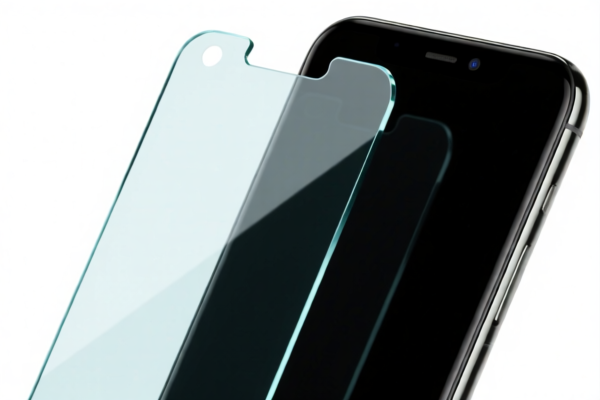

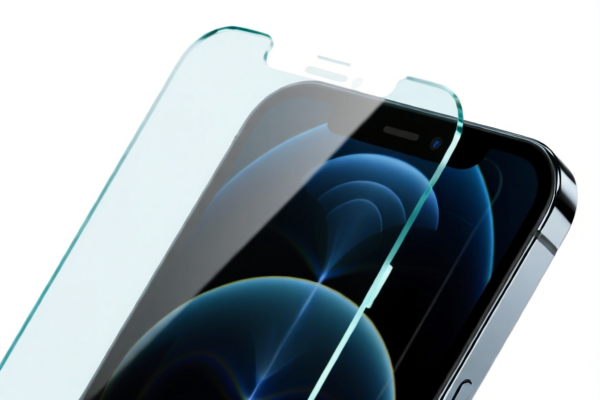
AI Analysis
📱 Mobile Phone Screen Protector (Screen Film)
🌐 HS Code Reference & Customs Clearance Guide | 2024/2025 Latest Tariff Analysis | Professional Entry Strategy
📌 I. Product Definition & Classification: What Exactly Are You Shipping?
A Mobile Phone Screen Protector is a thin protective layer applied to electronic displays. In international trade, its classification hinges primarily on physical form (is it self-adhesive?) and material composition (usually Plastic/PET/TPU).
Key Distinction:
- Self-Adhesive Films: Most consumer screen protectors are pre-glued. These fall under Chapter 3919 (Self-adhesive plates, sheets, film, foil, tape, strip and other flat shapes).
- Non-Adhesive/General Films: If not self-adhesive or if classified strictly by material structure without the adhesive element, they may fall under Chapter 3920 (Other plates, sheets, film, foil and strip, of plastics).
⚠️ Critical Note for US Imports:
Despite being "small accessories," screen protectors made from Chinese materials are heavily impacted by Section 301 (25%) and Section 122 (10%) tariffs. The base duty is low, but the add-on tariffs drive the total cost to ~40-41%. Misclassification can lead to severe penalties or delays.
📦 II. HS Code Classification Details (Authoritative Mapping)
Based on the provided data, here are the valid HS codes for Mobile Phone Screen Protectors:
| HS Code | Summary Description | Classification Logic | Total Tax Rate |
|---|---|---|---|
| 3919.90.50.60 | Screen protector; form: film; inferred material: plastic; fits "other self-adhesive flat shapes." | Self-Adhesive: Classified as a self-adhesive plastic film not elsewhere specified. | 40.8% |
| 3919.90.50.40 | Screen protector; form: film; material: Plastic/PET; consistent with self-adhesive plastic sheets/films. | Self-Adhesive: Explicitly linked to self-adhesive plastic materials (PET/TPU). | 40.8% |
| 3920.99.10.00 | Screen protector; form: film; material: Plastic (PET/TPU); fits "other plastic plates/sheets/films." | Non-Self-Adhesive/General: Classified as a general plastic film, not explicitly self-adhesive in this heading. | 41.0% |
| 3920.99.20.00 | Screen protector; form: film/sheet; material: Plastic (PET/TPU); consistent with other plastic materials. | Non-Self-Adhesive/General: Alternative classification for plastic films/sheets. | 39.2% |
| 3919.10.20.55 | Phone film; plastic film/strip; non-reinforced fiber, non-electrical tape; fits "other" category. | Self-Adhesive Tape: Treated as a specialized tape product for mobile devices. | 40.8% |
💰 III. Detailed Tariff Structure (Breakdown & Legal Basis)
✅ Applicable Market: United States (US)
✅ Origin: China (CN)
✅ Effective Time: Current ongoing trade measures (Section 301 & 122)
🎯 1. The "Self-Adhesive" Cluster (HS Codes: 3919.90.50.60, 3919.90.50.40, 3919.10.20.55)
These codes share the same total tariff rate of 40.8%. This is because the tariff structure is additive.
| Tariff Component | Rate | Legal Basis / Description |
|---|---|---|
| Base Duty | 5.8% | Standard Most Favored Nation (MFN) duty for plastics/films. |
| Section 301 Duty | 25.0% | Additional tariff imposed on Chinese goods under US Trade Act Section 301. |
| Section 122 Duty | 10.0% | Additional tariff imposed under Section 122 of the Trade Expansion Act. |
| TOTAL EFFECTIVE RATE | 40.8% | 5.8% + 25.0% + 10.0% |
📌 Explanation:
- The 25% is the major cost driver for Chinese-origin electronics accessories.
- The 10% (Section 122) applies specifically to certain industrial and consumer goods, including plastic films.
- No De Minimis Exemption: These goods do not qualify for the $800 de minimis exemption (Section 321) for duties, as these specific tariff lines are explicitly excluded or high-value enough to warrant scrutiny. Note: While some low-value shipments try to bypass duties, customs increasingly scrutinizes "screen protectors" for duty evasion.
🎯 2. The "General Plastic Film" Cluster (HS Code: 3920.99.10.00)
| Tariff Component | Rate | Legal Basis / Description |
|---|---|---|
| Base Duty | 6.0% | Standard MFN duty for other plastic plates/sheets. |
| Section 301 Duty | 25.0% | Same Section 301 penalty. |
| Section 122 Duty | 10.0% | Same Section 122 penalty. |
| TOTAL EFFECTIVE RATE | 41.0% | 6.0% + 25.0% + 10.0% |
📌 Note: This is slightly more expensive (41.0% vs 40.8%) due to a higher base duty (6.0% vs 5.8%).
🎯 3. The "Alternative Plastic Sheet" (HS Code: 3920.99.20.00)
| Tariff Component | Rate | Legal Basis / Description |
|---|---|---|
| Base Duty | 4.2% | Lower base duty for specific plastic sheet subcategories. |
| Section 301 Duty | 25.0% | Same Section 301 penalty. |
| Section 122 Duty | 10.0% | Same Section 122 penalty. |
| TOTAL EFFECTIVE RATE | 39.2% | 4.2% + 25.0% + 10.0% |
📌 Note: This is the most cost-effective option among the choices provided (39.2%), but only applicable if the product strictly fits the description of "other plastic plates, sheets, film, foil and strip" under this specific subheading and is not deemed self-adhesive.
🛠️ IV. Customs Clearance Practical Advice (Risk Mitigation)
✅ 1. Documentation Checklist (Non-Negotiable)
| Document | Requirement | Why? |
|---|---|---|
| Commercial Invoice | Must state: "Plastic Screen Protector for Mobile Phones" | Vague descriptions like "Gift" or "Accessory" trigger audits. |
| Product Composition | Explicitly state Material: PET/TPU/Plastic | Determines Chapter 39 classification. |
| Adhesive Status | State: Self-Adhesive OR Non-Adhesive | Critical for distinguishing between 3919 and 3920. |
| Country of Origin | China (CN) | Triggers the 35% (25+10) add-on duties. |
| HS Code Declaration | Match one of the codes above | Misdeclaration leads to fines and delays. |
✅ 2. Classification Strategy & Cost Optimization
🔥 Golden Rule: "Adhesive = 3919; Non-Adhesive = 3920. Check Base Duty!"
| Strategy | Action | Outcome |
|---|---|---|
| Best Cost Option | Use 3920.99.20.00 if your product is non-adhesive or fits this specific plastic sheet description. | Saves 1.6% compared to standard 3919 codes. |
| Standard Option | Use 3919.90.50.60/40 for typical pre-glued phone films. | Industry standard, but highest volume of scrutiny. |
| Avoid | Misclassifying as "Textile" or "Rubber" | High Risk of Fraud Detection. Plastic is clear. |
| Avoid | Omitting "China Origin" on invoice | Leads to automatic re-classification + penalties. |
✅ 3. Common Pitfalls & How to Avoid Them
| Pitfall | Consequence | Solution |
|---|---|---|
| Under-Declaration of Value | CBP audits, seizure, forfeiture. | Declare actual transaction value. Duties are % of value. |
| Claiming De Minimis ($800) | Illegal for this HS Code. Screen protectors are often flagged. | For shipments >$800, declare properly. For <$800, consult broker on current enforcement trends (high risk). |
| Wrong Material Description | Misclassification penalty. | Always specify "Plastic (PET/TPU)". Do not say "Film" alone. |
| Ignoring Section 122 | Paying only 25% instead of 35% add-on. | Ensure the invoice reflects the 10% Section 122 liability. |
🌍 V. Global Market Comparison (2024/2025)
| Market | HS Code Trend | Total Duty Rate (China Origin) | Key Requirement |
|---|---|---|---|
| 🇺🇸 USA | 3919 / 3920 | 39.2% - 41.0% | Strict origin marking, Section 301/122 compliance. |
| 🇨🇳 China (Import) | 3920 / 3919 | ~5% - 10% | Standard import duties, no trade war penalties. |
| 🇪🇺 EU | 3919 / 3920 | ~0% - 3% + VAT | CE marking (if electronic accessory), low duty. |
| 🇬🇧 UK | 3919 / 3920 | ~0% - 3% + VAT | Post-Brexit import rules, standard duties. |
📌 Conclusion for US Exporters:
The ~40% duty burden is significant. Many US importers absorb this cost, or negotiate FOB/CIF terms carefully.
Tip: If you are a US buyer, ensure your supplier does not undervalue the goods to bypass duties on small shipments, as CBP is aggressively cracking down on this for plastic films.
📌 VI. Final Clearance Checklist
- Identify Material: Is it Plastic (PET/TPU)? → Chapter 39.
- Identify Form: Is it self-adhesive?
- Yes → Likely 3919.90.50.60 or 3919.10.20.55 (40.8% Total).
- No → Consider 3920.99.20.00 (39.2% Total) if applicable.
- Calculate Landed Cost:
Landed Cost = CIF Value × (1 + Base Duty) + Add-on Duties (35%)
Example: $100 CIF → ~$140.8 duty. - Document Accuracy: Ensure "Made in China" is clearly marked on packaging and invoice.
🎯 Pro Tip:
"Don't guess the HS Code. Plastic screen protectors are high-volume, low-margin goods. A 1.8% difference (41.0% vs 39.2%) matters. Use 3920.99.20.00 if your product qualifies, otherwise stick to 3919.90.50.60."
📣 Immediate Action:
📞 Contact a licensed US Customs Broker to verify if your specific screen protector product qualifies for the lower 39.2% rate under 3920.99.20.00.
📝 Prepare a detailed product description highlighting material (PET/TPU) and adhesive properties to support your classification.
✨ Precision Classification = Predictable Landed Costs
💼 Stay Compliant, Stay Profitable.
Customer Reviews
About HS Code Classification
The Harmonized System (HS) is an internationally standardized nomenclature developed by the World Customs Organization (WCO) to classify traded products. Over 200 countries use the HS system as the basis for customs tariffs, trade statistics, and import/export regulations.
Each HS code follows a hierarchical structure:
- Chapter (2 digits) — Broad category of goods (e.g., Chapter 84: Machinery and Mechanical Appliances)
- Heading (4 digits) — More specific grouping within the chapter
- Subheading (6 digits) — Internationally standardized breakdown, used by all WCO member countries
- National subdivisions (8-10 digits) — Country-specific extensions for further classification, such as US HTSUS 10-digit codes
Correct HS code classification is essential for smooth customs clearance, accurate duty payment, and compliance with trade regulations. Misclassification can lead to customs delays, overpayment of duties, or penalties.
When importing from CN to US, the applicable tariff rates may include:
- Most-Favored-Nation (MFN) rate — The standard duty rate applied to WTO members
- General rate — Applied to countries without trade agreements
- Trade remedy duties — Additional tariffs such as Section 301 (anti-dumping), Section 232 (national security), or countervailing duties
The information provided on this page is for reference purposes only. For official classification, please consult with your local customs authority or a licensed customs broker.