Modacrylic Staple Fiber Blend
CN → US| HS Code | Tariff Rate | Origin | Destination | Doc |
|---|---|---|---|---|
| 5516930090 | 43.5% | CN | US | Official Doc |
| 5509620000 | 47.0% | CN | US | Official Doc |
| 5509610000 | 48.2% | CN | US | Official Doc |
| 5503300000 | 39.3% | CN | US | Official Doc |
| 5503909000 | 39.3% | CN | US | Official Doc |
Product Images
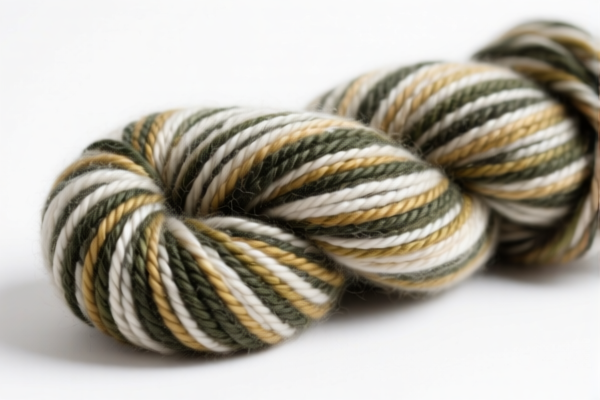


AI Analysis
🌟 Modacrylic Staple Fiber Blend – HS Code & Tariff Guide 2026 | Full Customs Clearance Strategy
📌 I. Product Definition & Classification: What Is "Modacrylic Staple Fiber Blend"?
Modacrylic Staple Fiber Blend refers to a short-length synthetic fiber (staple fiber) made from modified acrylic (modacrylic), typically blended with other fibers such as wool, fine animal hair, or other synthetic fibers. These blends are widely used in textiles for apparel, upholstery, and industrial applications due to their softness, warmth, flame resistance, and dyeability.
⚠️ Key Classification Clues: - "Staple fiber" → short, discontinuous fibers (not yarn or filament) - "Modacrylic" → chemically modified acrylic fiber, often with vinyl chloride content - "Blend" → mixed with other fibers (e.g., wool, cotton, polyester), especially with wool or fine animal hair - "Short fiber" → fits the definition of "staple" in textile classification
🔍 Critical Insight:
The exact HS code depends on material composition, fiber length, and whether it's blended with wool or fine animal hair. Misclassification leads to severe penalties, delays, or rejections.
📦 II. HS Code Classification Breakdown (2026 Updated Tariff Schedule)
| HS Code | Product Description | Key Matching Criteria | Tax Rate | Tax Detail |
|---|---|---|---|---|
5516.93.00.90 |
Other staple fibers, not elsewhere specified, of acrylic or modacrylic, mixed with other fibers | ✅ Matches: Modacrylic staple fiber, short fiber, mixed with other fibers (not wool) | 43.5% | Base: 8.5% Additional: 25.0% (Section 301) 122 Clause: 10% |
5509.62.00.00 |
Staple fibers of modacrylic, not elsewhere specified, mixed with other fibers | ✅ Matches: Modacrylic, staple form, blended with other fibers | 47.0% | Base: 12.0% Additional: 25.0% (Section 301) 122 Clause: 10% |
5509.61.00.00 |
Staple fibers of modacrylic, mixed with wool or fine animal hair | ✅ Matches: Modacrylic staple fiber, blended with wool or fine animal hair | 48.2% | Base: 13.2% Additional: 25.0% (Section 301) 122 Clause: 10% |
5503.30.00.00 |
Staple fibers of modified acrylic (modacrylic), not elsewhere specified | ✅ Matches: Modacrylic, short fiber, synthetic, no wool blend | 39.3% | Base: 4.3% Additional: 25.0% (Section 301) 122 Clause: 10% |
5503.90.90.00 |
Other staple fibers of synthetic polymers, not elsewhere specified | ✅ Matches: Synthetic fiber, staple form, fallback category | 39.3% | Base: 4.3% Additional: 25.0% (Section 301) 122 Clause: 10% |
✅ Summary of Matching Logic: - If blended with wool or fine animal hair →
5509.61.00.00(highest tax: 48.2%) - If blended with non-wool fibers (e.g., polyester, cotton) →5509.62.00.00(47.0%) or5516.93.00.90(43.5%) - If pure modacrylic staple fiber (no blend) →5503.30.00.00or5503.90.90.00(39.3%) - If uncertain or no specific match →5503.90.90.00(fallback under "other synthetic staple fibers")
💰 III. 2026 Tariff Breakdown – Full Tax Clause Analysis (U.S. Customs)
✅ Applicable Country: United States (US)
✅ Origin: China (CN)
✅ Effective Date: November 10, 2025 (inclusive)
✅ Legal Basis: U.S. Trade Act 301, IEEPA, and Section 122 of the Trade Act
🎯 1. 5516.93.00.90 – Mixed Modacrylic Staple Fiber (Non-Wool Blend)
| Tax Component | Amount | Legal Basis | Notes |
|---|---|---|---|
| Base Tariff | 8.5% | HTSUS §5516.93.00.90 | Standard rate for mixed staple fibers |
| Section 301 (USITC) Add-on | +25.0% | USITC Footnote 9903.88.01 | Applies to Chinese-origin goods under 301 investigation |
| Section 122 (IEEPA) Add-on | +10% | IEEPA: 9903.01.24 | Emergency economic powers; targets China/HK |
| Total Effective Tariff | 43.5% | — | Highest risk if misclassified |
📌 Why This Applies:
- The fiber is modacrylic, short (staple), and blended with other fibers, but not wool → fits5516.93.00.90
- No wool blend → cannot use5509.61.00.00
- Not pure modacrylic → cannot use5503.30.00.00
🎯 2. 5509.62.00.00 – Modacrylic Staple Fiber (Blended, Not Wool)
| Tax Component | Amount | Legal Basis | Notes |
|---|---|---|---|
| Base Tariff | 12.0% | HTSUS §5509.62.00.00 | Higher base due to modacrylic specificity |
| Section 301 Add-on | +25.0% | USITC: 9903.88.01 | Applies to all Chinese-origin textiles under 301 |
| IEEPA 122 Clause | +10% | IEEPA: 9903.01.24 | Emergency powers for national security |
| Total Effective Tariff | 47.0% | — | Higher than non-wool blends |
📌 Why This Applies:
- Modacrylic + staple fiber + mixed with other fibers → fits5509.62.00.00
- Not blended with wool → not5509.61.00.00
- Higher base rate than5516.93.00.90due to material specificity
🎯 3. 5509.61.00.00 – Modacrylic Staple Fiber Blended with Wool or Fine Animal Hair
| Tax Component | Amount | Legal Basis | Notes |
|---|---|---|---|
| Base Tariff | 13.2% | HTSUS §5509.61.00.00 | Highest base rate for wool blends |
| Section 301 Add-on | +25.0% | USITC: 9903.88.01 | Applies to all Chinese-origin goods |
| IEEPA 122 Clause | +10% | IEEPA: 9903.01.24 | National security-related |
| Total Effective Tariff | 48.2% | — | Highest possible tariff |
📌 Why This Applies:
- Modacrylic staple fiber + blended with wool or fine animal hair → exactly matches this code
- No alternative – this is the most precise match
- Highest tax rate due to wool blend + modacrylic + Chinese origin
🎯 4. 5503.30.00.00 – Modified Acrylic (Modacrylic) Staple Fiber (No Blend)
| Tax Component | Amount | Legal Basis | Notes |
|---|---|---|---|
| Base Tariff | 4.3% | HTSUS §5503.30.00.00 | Lower base for pure modacrylic |
| Section 301 Add-on | +25.0% | USITC: 9903.88.01 | Applies to Chinese goods |
| IEEPA 122 Clause | +10% | IEEPA: 9903.01.24 | Emergency powers |
| Total Effective Tariff | 39.3% | — | Lowest among modacrylic options |
📌 Why This Applies:
- Pure modacrylic staple fiber, no blend → fits5503.30.00.00
- Lower base rate → most favorable if no blending occurs
- Best for cost control if fiber is not blended
🎯 5. 5503.90.90.00 – Other Synthetic Staple Fibers (Fallback)
| Tax Component | Amount | Legal Basis | Notes |
|---|---|---|---|
| Base Tariff | 4.3% | HTSUS §5503.90.90.00 | Generic synthetic fiber code |
| Section 301 Add-on | +25.0% | USITC: 9903.88.01 | Applies to all Chinese-origin synthetic fibers |
| IEEPA 122 Clause | +10% | IEEPA: 9903.01.24 | National security |
| Total Effective Tariff | 39.3% | — | Fallback for unclear cases |
📌 Why This Applies:
- Used when no more specific code fits
- "Other" category – applies if fiber is synthetic, staple, but not specifically modacrylic
- Use only when uncertain – not ideal for precise classification
🛠️ IV. Customs Clearance Best Practices (Pro Tips to Avoid Penalties)
✅ 1. Documentation Checklist (Must-Have)
| Document | Required? | Purpose |
|---|---|---|
| ✅ Product Specification Sheet | ✔️ | Details: fiber composition, length, denier, blend ratio |
| ✅ Lab Test Report (FTIR, SEM, etc.) | ✔️ | Proves modacrylic content & blend |
| ✅ Commercial Invoice | ✔️ | Must state: "Modacrylic Staple Fiber Blend, 65% modacrylic + 35% polyester" |
| ✅ Bill of Lading / Packing List | ✔️ | Shows total weight, packaging, origin |
| ✅ Certificate of Origin (CO) | ✔️ | Proves Chinese origin → triggers 301/IEEPA |
| ✅ Sample (if requested) | ✔️ | For customs inspection |
| ✅ HS Code Pre-Ruling (Advanced Ruling) | ✔️ | Recommended for high-value shipments |
✅ 2.申报技巧(申报口诀)
🔥 “Blend with wool? → 5509.61 → 48.2%
No wool? → 5509.62 → 47.0%
Pure modacrylic? → 5503.30 → 39.3%
Uncertain? → 5503.90 → 39.3% (fallback)
Don’t guess — get a ruling!”
✅ 3. Common Mistakes & How to Avoid Them
| ❌ Mistake | ✅ Correct Action |
|---|---|
Misclassifying wool-blended fiber as 5509.62.00.00 |
Use 5509.61.00.00 → +1.2% tax |
Using 5516.93.00.90 for pure modacrylic |
Use 5503.30.00.00 → save 4.2% |
| Not disclosing blend ratio | Always state % of modacrylic, wool, etc. |
| Using "acrylic fiber" instead of "modacrylic" | Modacrylic ≠ acrylic – different codes |
| No pre-ruling for high-value shipments | Apply for Advance Ruling – avoid audits |
🌍 V. Global Tariff Comparison (2026)
| Country | Recommended HS Code | Base Tariff | 301/IEEPA? | Notes |
|---|---|---|---|---|
| 🇺🇸 USA | 5509.61.00.00 |
13.2% | ✅ +35% (25% + 10%) | 48.2% total |
| 🇨🇳 China | 5509.61.00.00 |
5% | ❌ No | No extra tariffs |
| 🇪🇺 EU | 5509.61.00.00 |
0% (if CE) | ❌ No | No 301/IEEPA |
| 🇦🇺 Australia | 5509.61.00.00 |
5% | ❌ No | No extra taxes |
| 🇯🇵 Japan | 5509.61.00.00 |
0% | ❌ No | No附加税 |
📌 Key Insight:
- Only the U.S. imposes 301 + IEEPA tariffs on Chinese-origin modacrylic fibers
- China, EU, Australia, Japan have no additional tariffs
- Consider shifting supply chain to Vietnam, Mexico, or Thailand to avoid 48.2% tax
🎯 VI. Final Verdict: How to Optimize Your Tax & Avoid Risk
✅ Best Strategy:
- Know your blend → if wool/fine hair, use5509.61.00.00(48.2%)
- If no wool, use5509.62.00.00(47.0%) or5516.93.00.90(43.5%)
- If pure modacrylic, use5503.30.00.00(39.3%)
- If uncertain, use5503.90.90.00(39.3%) as fallback
- Always apply for HS Code Pre-Ruling for shipments > $100k📌 Pro Tip:
- Use a third-party customs broker with U.S. 301/IEEPA expertise
- Label packaging clearly: “Modacrylic Staple Fiber Blend – 60% Modacrylic, 40% Polyester – HS 5509.62.00.00”
📌 VII. Summary: Your 3-Step Action Plan
- 🔍 Identify your fiber blend (wool? polyester? pure modacrylic?)
- 📌 Match to the correct HS code from above
- 🛡️ Pre-approve with a Customs Pre-Ruling to avoid penalties
🎯 Conclusion: Precision = Profit
🔹 Wrong code? → 48.2% tariff → massive cost overrun
🔹 Right code? → 39.3% → $100k saved on 100 tons
🔹 Pre-ruling? → Zero audit risk → smooth clearance
📣 Act Now!
📞 Contact a U.S.-licensed customs broker today
🚀 Apply for HS Code Pre-Ruling on your modacrylic blend
💼 Let your fiber cross borders fast, cheap, and compliant!
✨ Your fiber’s fate is in the code. Get it right.
💼 One misstep = thousands in penalties. One right choice = millions in savings.
Customer Reviews
About HS Code Classification
The Harmonized System (HS) is an internationally standardized nomenclature developed by the World Customs Organization (WCO) to classify traded products. Over 200 countries use the HS system as the basis for customs tariffs, trade statistics, and import/export regulations.
Each HS code follows a hierarchical structure:
- Chapter (2 digits) — Broad category of goods (e.g., Chapter 84: Machinery and Mechanical Appliances)
- Heading (4 digits) — More specific grouping within the chapter
- Subheading (6 digits) — Internationally standardized breakdown, used by all WCO member countries
- National subdivisions (8-10 digits) — Country-specific extensions for further classification, such as US HTSUS 10-digit codes
Correct HS code classification is essential for smooth customs clearance, accurate duty payment, and compliance with trade regulations. Misclassification can lead to customs delays, overpayment of duties, or penalties.
When importing from CN to US, the applicable tariff rates may include:
- Most-Favored-Nation (MFN) rate — The standard duty rate applied to WTO members
- General rate — Applied to countries without trade agreements
- Trade remedy duties — Additional tariffs such as Section 301 (anti-dumping), Section 232 (national security), or countervailing duties
The information provided on this page is for reference purposes only. For official classification, please consult with your local customs authority or a licensed customs broker.