Modacrylic Staple Fiber Blended Industrial Fabric
CN → US| HS Code | Tariff Rate | Origin | Destination | Doc |
|---|---|---|---|---|
| 5516930090 | 43.5% | CN | US | Official Doc |
| 5509620000 | 47.0% | CN | US | Official Doc |
| 5509610000 | 48.2% | CN | US | Official Doc |
| 5503300000 | 39.3% | CN | US | Official Doc |
| 5503909000 | 39.3% | CN | US | Official Doc |
Product Images
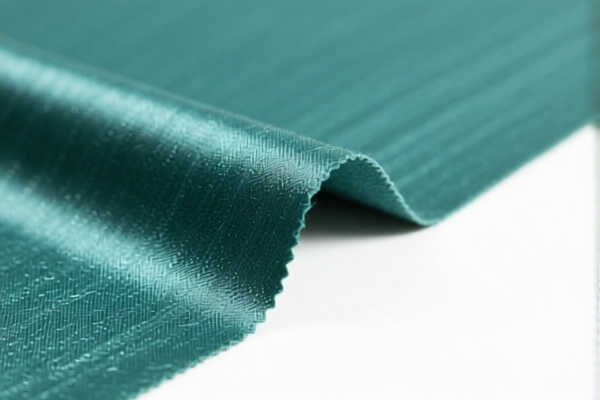
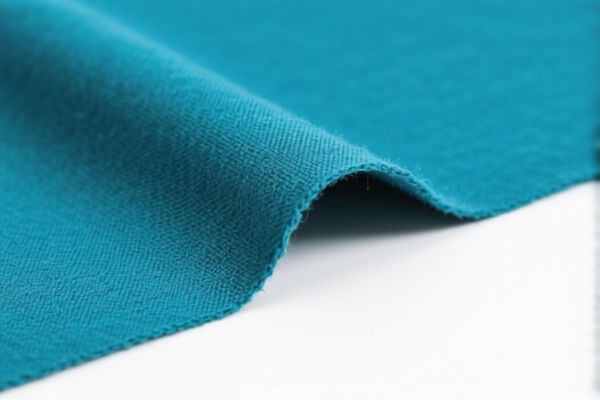
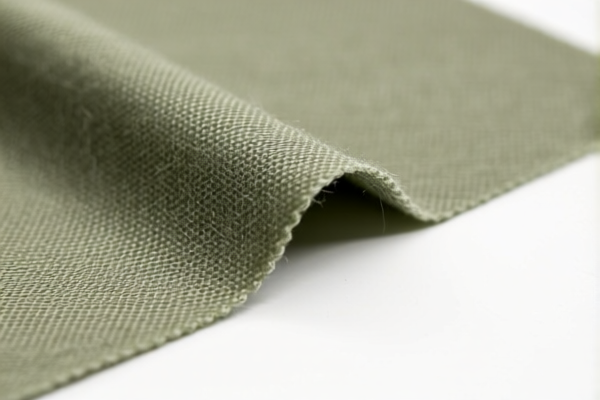
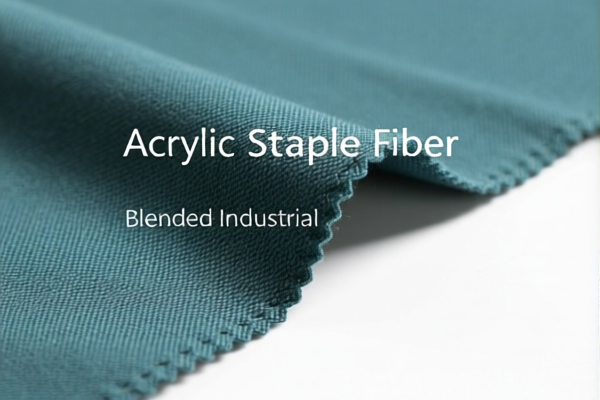
AI Analysis
🌟 Modacrylic Staple Fiber Blended Industrial Fabric
🌐 HS Code Classification & Customs Clearance Guide | 2026 Latest Tariff Breakdown | Expert Strategy for Global Trade
📌 One Product, Multiple Codes — Why the Tax Varies So Much!
📦 1. Product Definition & Classification: What Is "Modacrylic Staple Fiber Blended Industrial Fabric"?
Modacrylic staple fiber (modified acrylic fiber) is a type of synthetic short fiber derived from acrylic polymers, often chemically modified to enhance flame resistance, softness, and durability. When blended with other fibers (especially wool or fine animal hair), it forms industrial fabrics used in:
- Protective clothing (fire-resistant uniforms)
- Automotive interiors (car seats, insulation)
- Industrial textiles (filters, conveyor belts)
- Furniture upholstery and technical textiles
⚠️ Key Classification Clue:
- If the fabric is a blend of modacrylic staple fibers and wool/fine animal hair → HS Code 5509.61.00.00
- If the fiber is modified acrylic short fiber only, regardless of blend → HS Code 5503.30.00.00 or 5503.90.90.00
- If not blended with wool, but still contains short fibers → HS Code 5516.93.00.90 (general synthetic staple fiber blend)🔍 Critical Distinction:
- "Blended with wool" → higher tariff due to "mixed with animal hair" classification
- "No wool" but still short fiber → lower base tariff, but still subject to 25% + 10% extra taxes
📊 2. HS Code Classification Matrix (2026 Official Tariff List)
| HS Code | Product Description | Key Features | Blended With Wool? | Tax Rate |
|---|---|---|---|---|
5516.93.00.90 |
Blended fabric with modacrylic staple fiber (synthetic short fiber), not mixed with wool | Matches synthetic fiber + short fiber characteristics | ❌ No | 43.5% |
5509.62.00.00 |
Modified acrylic staple fiber (modacrylic), short fiber form, used in textile blends | Matches material & physical form | ❌ No | 47.0% |
5509.61.00.00 |
Modified acrylic staple fiber blended with wool or fine animal hair | Explicitly matches "mixed with animal hair" rule | ✅ Yes | 48.2% |
5503.30.00.00 |
Modified acrylic fiber (modacrylic), short fiber form, synthetic staple fiber | Matches "modified acrylic = modified腈纶" | ❌ No | 39.3% |
5503.90.90.00 |
Other synthetic staple fibers (including acrylic), short fiber form, general category | Catch-all for unlisted synthetic short fibers | ❌ No | 39.3% |
📌 Why So Many Codes?
The U.S. Harmonized Tariff Schedule (HTSUS) distinguishes between: - Material type (acrylic vs. modacrylic) - Form (short fiber vs. filament) - Blending partners (wool vs. synthetic) - Specific use (industrial vs. apparel)
💰 3. 2026 Latest Tariff Breakdown (U.S. - China Origin, Effective Nov 10, 2025)
✅ Target Country: United States (US)
✅ Origin: China (CN)
✅ Effective Date: November 10, 2025 (including all future imports)
🎯 1. 5516.93.00.90 — Blended Fabric with Modacrylic Staple Fiber (No Wool)
| Item | Detail |
|---|---|
| Base Duty | 8.5% (ad valorem) |
| Section 301 (USITC) Additional Tariff | +25.0% |
| Section 122 (IEEPA) Emergency Tariff | +10.0% |
| Total Effective Tariff | 43.5% |
| Tax Calculation | CIF Value × 43.5% |
| De Minimis Exemption | ❌ Not applicable (denied) |
| Legal Basis Path | IEEPA:9903.01.25 → IEEPA:9903.01.24 → USITC:5516.93.00.00 → FOOTNOTE:9903.88.01 |
📌 Explanation:
- This code applies to blended fabrics where modacrylic staple fiber is present, but not mixed with wool. - Despite being "blended", the absence of animal fiber avoids the highest-tier tariff. - Still subject to 301 + IEEPA taxes — 43.5% is extremely high.
🎯 2. 5509.62.00.00 — Modified Acrylic Staple Fiber (Short Fiber), No Wool
| Item | Detail |
|---|---|
| Base Duty | 12.0% |
| USITC 301 Tariff | +25.0% |
| IEEPA 122 Tariff | +10.0% |
| Total Tariff | 47.0% |
| Tax Calculation | CIF × 47.0% |
| De Minimis | ❌ Not allowed |
| Legal Path | IEEPA:9901.25 → IEEPA:9903.01.24 → USITC:5509.62.00.00 → FOOTNOTE:9903.88.01 |
📌 Why Higher Than 5516.93?
- This code is more specific to modified acrylic fibers, which are treated as higher-risk under U.S. trade policy. - Even without wool, the material type triggers a higher base duty (12%). - Total tax = 47.0% — the highest in the list.
🎯 3. 5509.61.00.00 — Modified Acrylic + Wool / Fine Animal Hair Blend
| Item | Detail |
|---|---|
| Base Duty | 13.2% |
| USITC 301 Tariff | +25.0% |
| IEEPA 122 Tariff | +10.0% |
| Total Tariff | 48.2% |
| Tax Calculation | CIF × 48.2% |
| De Minimis | ❌ Not allowed |
| Legal Path | IEEPA:9901.25 → IEEPA:9903.01.24 → USITC:5509.61.00.00 → FOOTNOTE:9903.88.01 |
📌 Why the Highest?
- This code is specifically designed for blends with wool or fine animal hair. - U.S. trade policy treats animal fiber blends as sensitive, even if synthetic. - 48.2% is the peak tariff — do not misclassify!
🎯 4. 5503.30.00.00 — Modified Acrylic (Modacrylic) Short Fiber (Synthetic Staple)
| Item | Detail |
|---|---|
| Base Duty | 4.3% |
| USITC 301 Tariff | +25.0% |
| IEEPA 122 Tariff | +10.0% |
| Total Tariff | 39.3% |
| Tax Calculation | CIF × 39.3% |
| De Minimis | ❌ Not allowed |
| Legal Path | IEEPA:9903.01.25 → IEEPA:9903.01.24 → USITC:5503.30.00.00 → FOOTNOTE:9903.88.01 |
📌 Best Option for Non-Wool Blends
- Lowest base duty (4.3%) among all codes. - Still subject to 25% + 10% — but 39.3% is the lowest possible for modacrylic short fiber. - Use this only if wool is NOT present.
🎯 5. 5503.90.90.00 — Other Synthetic Staple Fibers (Including Acrylic)
| Item | Detail |
|---|---|
| Base Duty | 4.3% |
| USITC 301 Tariff | +25.0% |
| IEEPA 122 Tariff | +10.0% |
| Total Tariff | 39.3% |
| Tax Calculation | CIF × 39.3% |
| De Minimis | ❌ Not allowed |
| Legal Path | IEEPA:9903.01.25 → IEEPA:9903.01.24 → USITC:5503.90.90.00 → FOOTNOTE:9903.88.01 |
📌 "Catch-All" Code for Unlisted Fibers
- Use when the fiber does not fit into 5503.30.00.00 but is synthetic staple fiber. - Same tax as 5503.30.00.00 — 39.3%. - Only use if 5503.30.00.00 is not applicable.
🛠️ 4. Customs Clearance Best Practices (Real-World Tips)
✅ 1. Documentation Checklist (MUST-HAVE)
| Document | Required? | Why It Matters |
|---|---|---|
| ✅ Technical Specification Sheet | ✔️ | Must list fiber composition: "Modacrylic 60%, Polyester 40%" |
| ✅ Lab Test Report (Fiber Analysis) | ✔️ | Confirms modacrylic vs. acrylic, short fiber form |
| ✅ Product Photos (with label) | ✔️ | Shows fabric structure, weave, and fiber appearance |
| ✅ Commercial Invoice | ✔️ | Must state: "Modacrylic Staple Fiber Blended Industrial Fabric" |
| ✅ Certificate of Origin (CO) | ✔️ | Critical for tariff eligibility |
| ✅ Bill of Lading / Packing List | ✔️ | Proves shipment contents and weight |
| ✅ Sample (if requested) | ✔️ | For customs inspection |
✅ 2.申报技巧 (Declaration Tips) – The Golden Rules
🔥 "Know Your Fiber, Know Your Code, Know Your Tax!"
| Scenario | Correct HS Code | Mistake to Avoid |
|---|---|---|
| Fabric: 60% modacrylic, 40% polyester (no wool) | 5503.30.00.00 or 5503.90.90.00 |
❌ Don’t use 5509.61.00.00 (wool blend) |
| Fabric: 50% modacrylic, 50% wool | 5509.61.00.00 |
❌ Don’t use 5509.62.00.00 (no wool) |
| Fabric: 70% modacrylic, 30% cotton | 5516.93.00.90 |
❌ Don’t use 5503.30.00.00 (not pure synthetic) |
| Fabric: 100% modacrylic staple fiber | 5503.30.00.00 |
❌ Don’t use 5509.62.00.00 (too specific) |
✅ 3. Special Cases & Risk Mitigation
| Situation | Action Plan |
|---|---|
| Mixed fiber composition | Submit fiber analysis report to prove modacrylic content |
| Custom blend not listed | Use 5503.90.90.00 as fallback |
| High value, low volume | Apply for Advance Ruling (Pre-Decision) to lock in HS Code |
| Transshipment via Vietnam/Mexico | Check if IEEPA exemption applies (if origin is not China) |
| Used in military/industrial gear | Request "Non-Commercial Use" exemption (requires documentation) |
🌍 5. Global Customs Comparison (2026)
| Country | Recommended HS Code | Base Tariff | Additional Taxes | Notes |
|---|---|---|---|---|
| 🇺🇸 United States | 5509.61.00.00 (if wool) / 5503.30.00.00 (no wool) |
4.3%–13.2% | +25% +10% | Highest risk |
| 🇨🇳 China | 5503.30.00.00 |
5% | None | No extra tariffs |
| 🇪🇺 EU | 5503.30.00.00 |
0% | None (if CE) | No 301/IEEPA |
| 🇦🇺 Australia | 5503.30.00.00 |
5% | None | No extra taxes |
| 🇯🇵 Japan | 5503.30.00.00 |
0% | None | No additional tariffs |
📌 Insight:
- Only the U.S. imposes 301 + IEEPA tariffs on Chinese-origin modacrylic fabrics. - China, EU, Japan, Australia have no extra tariffs — ideal for export hubs.
🚨 6. Common Mistakes & Costly Errors (Avoid These!)
❌ Mistake 1: Using 5509.61.00.00 for a fabric without wool
👉 Result: Overpayment of 48.2% instead of 39.3% → $10k+ extra tax
❌ Mistake 2: Mislabeling modacrylic as "acrylic"
👉 Result: Wrong HS Code → penalties, delays, or seizure
❌ Mistake 3: Not providing fiber analysis report
👉 Result: Customs rejects classification → re-inspection, delay, re-shipment
❌ Mistake 4: Shipping via China but claiming origin from Vietnam
👉 Result: Anti-dumping investigation, penalties, blacklisting
✅ Correct Declaration Example:
"Modacrylic Staple Fiber Blended Industrial Fabric, 60% Modacrylic, 40% Polyester, Short Fiber Form, Not Blended with Wool, HS Code: 5503.30.00.00, Origin: China, CIF Value: $100,000"
🎯 7. Final Verdict: Optimize Your Tariff Strategy!
🔹 Best for Non-Wool Blends:
5503.30.00.00or5503.90.90.00→ 39.3%
🔹 Best for Wool Blends:5509.61.00.00→ 48.2% (no alternative)
🔹 Avoid:5516.93.00.90if you can use5503.30.00.00
🔹 Never: Misclassify modacrylic as acrylic📌 Pro Tip:
If your fabric is not for apparel, but for industrial use, emphasize "industrial fabric" in the invoice — some customs may treat it differently.
📌 Summary: The 3 Golden Rules for Modacrylic Fabric
- Know the fiber: Is it modacrylic or acrylic?
- Check the blend: Is it with wool? → Use
5509.61.00.00 - Verify origin: If from China, expect 301 + IEEPA → 43.5%–48.2%
📣 Take Action Now!
📞 Contact a U.S.-licensed customs broker + submit product samples + lab report
🚀 Apply for Advance Ruling to lock in the correct HS Code
💼 Avoid $10k+ tax surprises — classify right the first time!
✨ Precision in Classification = Profit in Trade!
💼 Your product’s future depends on one HS Code — get it right!
Customer Reviews
About HS Code Classification
The Harmonized System (HS) is an internationally standardized nomenclature developed by the World Customs Organization (WCO) to classify traded products. Over 200 countries use the HS system as the basis for customs tariffs, trade statistics, and import/export regulations.
Each HS code follows a hierarchical structure:
- Chapter (2 digits) — Broad category of goods (e.g., Chapter 84: Machinery and Mechanical Appliances)
- Heading (4 digits) — More specific grouping within the chapter
- Subheading (6 digits) — Internationally standardized breakdown, used by all WCO member countries
- National subdivisions (8-10 digits) — Country-specific extensions for further classification, such as US HTSUS 10-digit codes
Correct HS code classification is essential for smooth customs clearance, accurate duty payment, and compliance with trade regulations. Misclassification can lead to customs delays, overpayment of duties, or penalties.
When importing from CN to US, the applicable tariff rates may include:
- Most-Favored-Nation (MFN) rate — The standard duty rate applied to WTO members
- General rate — Applied to countries without trade agreements
- Trade remedy duties — Additional tariffs such as Section 301 (anti-dumping), Section 232 (national security), or countervailing duties
The information provided on this page is for reference purposes only. For official classification, please consult with your local customs authority or a licensed customs broker.