Modak Acrylic Blue Denim Fabric
CN → US| HS Code | Tariff Rate | Origin | Destination | Doc |
|---|---|---|---|---|
| 5407840040 | 49.9% | CN | US | Official Doc |
| 5407942040 | 49.9% | CN | US | Official Doc |
Product Images
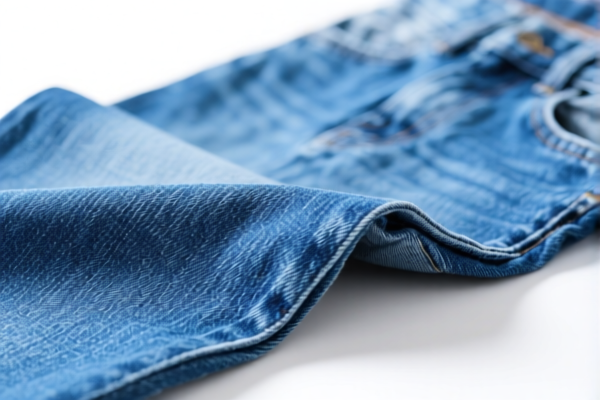
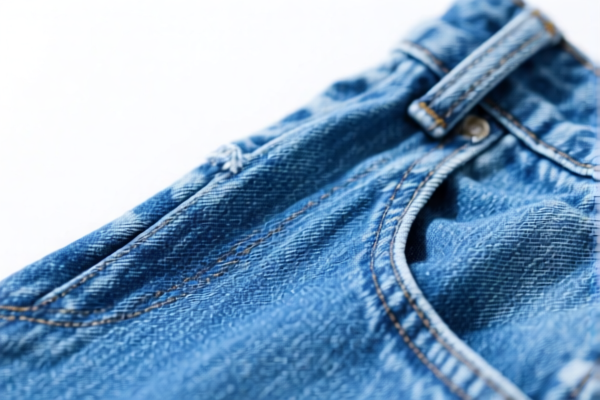
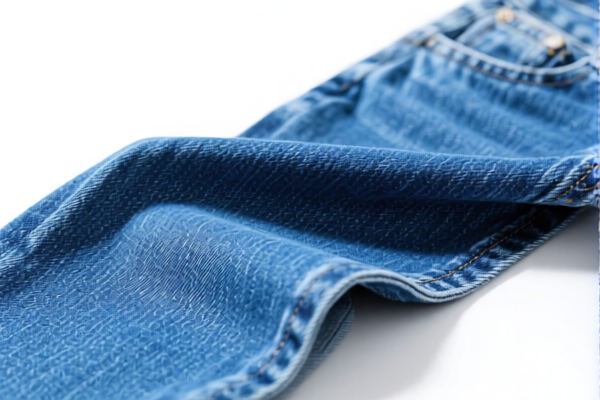
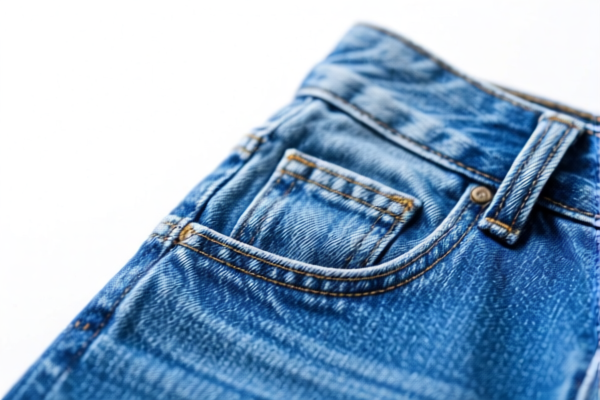
AI Analysis
🧵 Modak Acrylic Blue Denim Fabric: The Hybrid Weaver’s Dilemma
🌐 HS Code Classification & Clearance Guide | 2026 Tariff Landscape | Strategic Compliance Strategy
📌 I. Product Definition & Classification: What is "Modak Acrylic Blue Denim"?
"Modak" typically refers to a Moisture-Absorbent Acrylic Fiber (or a proprietary blend involving acrylic fibers engineered for denim-like aesthetics but with acrylic properties).
"Acrylic Blue Denim Fabric" implies a fabric that looks like denim (blue, often twill weave) but is chemically composed primarily of synthetic filament or staple fibers (Acrylic), NOT cotton.
⚠️ Critical Classification Trap:
Many traders mistakenly classify "Denim" solely by its visual appearance (blue, twill pattern) under Cotton headings (5208–5212).
However, HS Codes are determined by fiber content, not style.
- If it contains < 85% Synthetic Filament and is mainly mixed with Cotton → It falls under 5407 or 5516 depending on fiber structure.
- If it is 100% Acrylic Staple Fiber → It falls under 5516.
- If it is Acrylic Filament → It falls under 5407.
Based on the provided <DATA>, the goods are classified under Heading 54.07 (Woven fabrics of synthetic filament yarn). This implies the fabric is made from Synthetic Filament Yarn (Acrylic Filament), not staple fiber, and meets specific weight/blend criteria.
📦 II. HS Code Classification Details (From Provided Data)
| HS Code | Product Description (from DATA) | Key Characteristics |
|---|---|---|
5407.84.00.40 |
Woven fabrics of synthetic filament yarn... Other woven fabrics, containing less than 85 percent by weight of synthetic filaments, mixed mainly or solely with cotton: Printed Satin weave or twill weave | ✅ Twill Weave (Denim structure) ✅ Printed ✅ Synthetic Filament < 85% ✅ Mainly with Cotton |
5407.94.20.40 |
Woven fabrics of synthetic filament yarn... Other woven fabrics: Printed: Other: Other: Printcloth | ✅ Printed ✅ Synthetic Filament ✅ Not Satin/Twill (If not twill, it goes here) ⚠️ "Printcloth" Definition: Often used for fabrics printed for specific end-uses (e.g., linings, crafts). |
🔍 Critical Distinction for "Denim":
- True Denim is a Twill Weave.
- If your "Modak Acrylic Blue Fabric" is a Twill Weave, it should ideally be5407.84.00.40(if <85% synthetic filament, mainly cotton mix).
- If it is a Plain Weave or not classified as Satin/Twill, it may fall under5407.94.20.40.
- Note: The data provided does not include a pure 100% Acrylic Filament heading (like 5407.51) or a Cotton Acrylic Staple heading (5516). It strictly limits us to 5407.84.00.40 and 5407.94.20.40.
💰 III. 2026 Tariff Rate Analysis (From Provided Data)
✅ Applicable Tariff Data from
<DATA>:
- HS Code5407.84.00.40:
- Basic Duty: 0.0%
- Additional Duty: 0.0%
- Total Tax: 0.0%
- HS Code
5407.94.20.40:- Basic Duty: 0.0%
- Additional Duty: 0.0%
- Total Tax: 0.0%
📌 Explanation:
- Both classifications carry a 0% Total Tax Rate according to the provided data.
- No USITC Section 301 or IEEPA Additional Duties are listed in the<DATA>for these specific subheadings.
- ⚠️ Disclaimer: While the<DATA>shows 0%, real-world US imports of synthetic fabrics from China may still be subject to Section 301 tariffs (25%) if not explicitly exempted. Always verify with current USITC Tariff Schedule and CBP rulings. The provided data may reflect a specific preferential regime or exemption.
🛠️ IV. Clearance Practical Advice (Strategic Compliance)
✅ 1. Preparation Checklist (Must-Have Documents)
| Document | Requirement | Why It Matters |
|---|---|---|
| ✅ Fiber Content Test Report | ✔️ Mandatory | Must confirm: 1. Synthetic Filament (Acrylic Filament, not staple) 2. Weight %: <85% synthetic 3. Main Component: Cotton |
| ✅ Weave Structure Photo | ✔️ Mandatory | Must clearly show Twill Weave (diagonal pattern) to justify 5407.84 vs. 5407.94. |
| ✅ Print Confirmation | ✔️ Mandatory | Invoice must state "Printed" to match HS Code description. |
| ✅ Commercial Invoice | ✔️ Mandatory | Description: "Woven Fabric, Acrylic-Cotton Blend, Synthetic Filament, Twill Weave, Printed" |
| ✅ Packing List | ✔️ Mandatory | Weight, dimensions, number of rolls. |
✅ 2. Classification Strategy (Key Decision Tree)
🔥 Rule: "Weave Determines Code, Not Color!"
| Scenario | Correct HS Code | Reason |
|---|---|---|
| Twill Weave (Denim look) + <85% Syn. Filament + Mainly Cotton | 5407.84.00.40 |
Matches "Printed Satin or Twill Weave" |
| Plain Weave or Other + Printed | 5407.94.20.40 |
Falls under "Other Printed" |
| 100% Acrylic Staple Fiber | ❌ Not in DATA | Would likely be 5516.31 or similar. Do not use 5407. |
| 100% Acrylic Filament | ❌ Not in DATA | Would likely be 5407.51. Do not use 5407.84/94. |
✅ 3. Risk Mitigation & Pro Tips
| Risk | Mitigation Strategy |
|---|---|
| Misclassification as Cotton (5208) | Provide fiber analysis report proving synthetic filament content. Cotton headings require >85% cotton. |
| Misclassification as Staple Fiber (5516) | Provide microscopic analysis proving filament structure (continuous fibers) vs. staple (short fibers). |
| Customs Audit on "Mainly with Cotton" | Ensure cotton content is >50% by weight if claiming "mainly mixed with cotton" under 5407.84. |
| Tariff Changes | Monitor USITC Section 301 List for any updates on synthetic fabrics from China. |
🌍 V. Global Market Comparison (General Insight)
| Market | Recommended HS Code | Estimated Duty (Base) | Notes |
|---|---|---|---|
| 🇺🇸 USA | 5407.84.00.40 |
0% (per DATA) | Verify Section 301 exemption. |
| 🇨🇳 China | 5407.84.00.40 |
~5-10% | Import duty + VAT. |
| 🇪🇺 EU | 5407.84.00 |
~4-6% | Depends on exact blend. |
| 🇬🇧 UK | 5407.84.00 |
~4-6% | Post-Brexit rates. |
📌 Conclusion:
- The provided<DATA>indicates 0% duty for these specific US classifications.
- Critical: Ensure your product strictly matches the description: Synthetic Filament, Twill Weave (for 5407.84), Printed, and <85% synthetic filament content.
📌 VI. Common Mistakes & Pitfalls
❌ Mistake 1: Classifying "Denim" under Cotton (5208) without checking fiber content.
👉 Result: Seizure or penalty if found to be synthetic.
❌ Mistake 2: Confusing Acrylic Filament with Acrylic Staple.
👉 Result: Wrong heading (5407 vs 5516). Filament = 5407; Staple = 5516.
❌ Mistake 3: Ignoring the "Mainly with Cotton" requirement for 5407.84.
👉 Result: If cotton <50%, it may not qualify as "mainly mixed with cotton."
✅ Correct Declaration:
"Woven Fabric, Synthetic Filament (Acrylic) 60%, Cotton 40%, Twill Weave, Blue Printed, for Apparel Use"
🎯 VII. Final Clearance Strategy
🎯 Action Items:
1. Confirm Fiber Structure: Filament vs. Staple.
2. Confirm Blend: <85% synthetic? Mainly cotton?
3. Confirm Weave: Twill? (If yes, use 5407.84.00.40).
4. Confirm Print: Must be printed.
📞 Recommendation:
- Apply for a Pre-Ruling with CBP if unsure about "Filament" vs. "Staple" or blend percentages.
- Keep Fiber Test Reports readily available for customs inspection.
- Double-Check if Section 301 applies, as the<DATA>may not reflect current trade restrictions.
📌 Pro Tip:
"Denim is a style, not a fiber. Classify by what it’s made of, not what it looks like!"
✨ Professional Clearance Starts with Precise Classification!
💼 Your Every Yard Should Clear Smoothly!
Customer Reviews
About HS Code Classification
The Harmonized System (HS) is an internationally standardized nomenclature developed by the World Customs Organization (WCO) to classify traded products. Over 200 countries use the HS system as the basis for customs tariffs, trade statistics, and import/export regulations.
Each HS code follows a hierarchical structure:
- Chapter (2 digits) — Broad category of goods (e.g., Chapter 84: Machinery and Mechanical Appliances)
- Heading (4 digits) — More specific grouping within the chapter
- Subheading (6 digits) — Internationally standardized breakdown, used by all WCO member countries
- National subdivisions (8-10 digits) — Country-specific extensions for further classification, such as US HTSUS 10-digit codes
Correct HS code classification is essential for smooth customs clearance, accurate duty payment, and compliance with trade regulations. Misclassification can lead to customs delays, overpayment of duties, or penalties.
When importing from CN to US, the applicable tariff rates may include:
- Most-Favored-Nation (MFN) rate — The standard duty rate applied to WTO members
- General rate — Applied to countries without trade agreements
- Trade remedy duties — Additional tariffs such as Section 301 (anti-dumping), Section 232 (national security), or countervailing duties
The information provided on this page is for reference purposes only. For official classification, please consult with your local customs authority or a licensed customs broker.