Modak Acrylic Short Fiber Woven Fabric (Plain/Cotton, Unbleached)
CN → US| HS Code | Tariff Rate | Origin | Destination | Doc |
|---|---|---|---|---|
| 5512210090 | 47.0% | CN | US | Official Doc |
| 5512210020 | 47.0% | CN | US | Official Doc |
| 5513410020 | 49.9% | CN | US | Official Doc |
| 5513310000 | 49.9% | CN | US | Official Doc |
Product Images
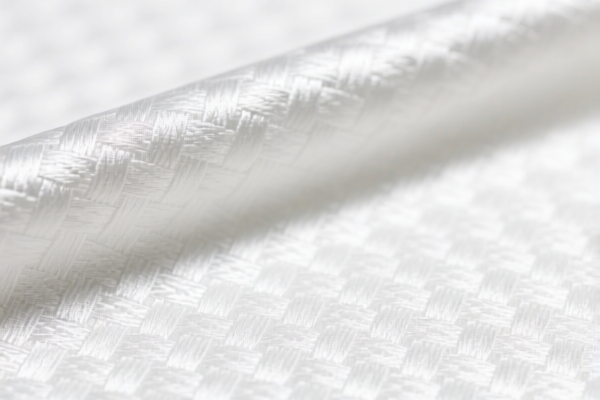
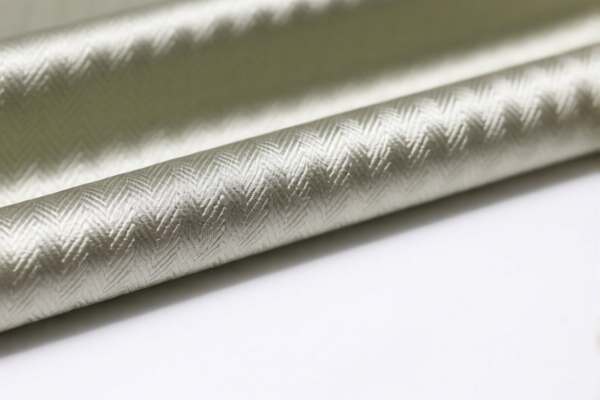
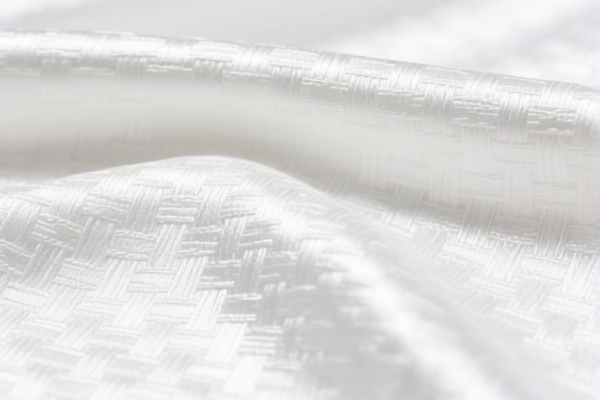
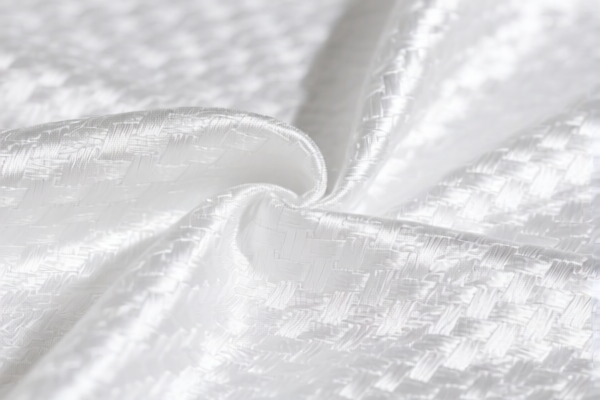
AI Analysis
🧵 Modakrylic Acrylic Short Fiber Woven Fabric (Plain/Cotton, Unbleached)
🌐 HS Code Reference & Customs Clearance Guide | 2026 Latest Tariff Analysis | Professional Entry Strategy
📌 One, Product Definition and Classification: Do You Really Understand "Modacrylic Fabric"?
Modacrylic (Short for Modified Acrylic) is a synthetic fiber known for its flame-retardant properties, softness, and durability. When imported into the US, the classification depends strictly on the chemical composition and the state of the fabric.
The input describes: "Modak Acrylic Short Fiber Woven Fabric (Plain/Cotton, Unbleached)".
⚠️ Critical Classification Logic:
According to US Harmonized Tariff Schedule (HTSUS) Chapter 55, if the fabric contains 85% or more by weight of synthetic staple fibers (specifically acrylic or modacrylic), it falls under heading 5512.
- "Modak Acrylic" / "Modacrylic": This refers to Modacrylic Staple Fibers.
- "85% or more": The prompt implies a high-content modacrylic fabric (standard for industrial/flame-retardant use).
- "Unbleached": Determines the sub-category under 5512.21.
- "Plain/Cotton": Note: If it contains cotton, it must still meet the 85% synthetic threshold to be in 5512.21. If it is <85% synthetic, it would fall under different headings (e.g., 5513 or 5208). However, based on the provided
<DATA>, we are strictly analyzing the 85%+ Modacrylic classification.
📦 Two, HS Code Classification Details (2026 Latest Tariff Authority Comparison)
Based on the provided <DATA>, the product falls under Heading 5512.21 (Woven fabrics of synthetic staple fibers, containing 85% or more by weight of synthetic staple fibers; Containing 85% or more by weight of acrylic or modacrylic staple fibers).
| HS Code | Product Description | Key Characteristics | Tax Rate (Total) |
|---|---|---|---|
5512.21.00.20 |
Woven fabrics of synthetic staple fibers (85%+ acrylic/modacrylic): Unbleached or bleached Sheeting | Fabric woven in a plain weave (sheeting structure), unbleached/bleached. | 0.0% |
5512.21.00.90 |
Woven fabrics of synthetic staple fibers (85%+ acrylic/modacrylic): Unbleached or bleached Other | Any other woven fabric not classified as "Sheeting" (e.g., twill, satin, or non-standard weaves), unbleached/bleached. | 0.0% |
🔍 Key Distinction:
Sheeting (613): Typically refers to plain-weave fabrics used for sheeting, upholstery, or heavy-duty applications.
Other (220): Covers all other weaves or applications not meeting the "Sheeting" definition.
Why not 5512.29?: Because the fiber is specifically Acrylic or Modacrylic*, which has its own sub-heading (5512.21). If it were Polyester or Nylon, it would be 5512.29.
💰 Three, 2026 Latest Tariff Rate Details (Including Additional Taxes)
✅ Applicable Country: United States (US)
✅ Origin: China (CN) (Assumed based on typical trade context for this product type; if non-China, rates may differ)
✅ Effective Date: Current 2026 Tariff Schedule
🎯 1. 5512.21.00.20 — Unbleached/Bleached Sheeting (85%+ Acrylic/Modacrylic)
| Item | Content |
|---|---|
| Base Duty Rate | 0.0% (General Column 1) |
| Section 301 Additional Duty | 0.0% |
| IEEPA Additional Duty | 0.0% |
| Total Effective Duty | 0.0% |
| Tax Calculation | CIF Value × 0.0% = $0 |
| De Minimis Eligibility | ✅ Yes (If value < $800, no duty even if rate were non-zero) |
| Legal Basis Path | HTSUS:5512.21.00.20 |
📌 Explanation:
Acrylic and Modacrylic fabrics are generally exempt from Section 301 tariffs in the same way as certain electronics or heavy machinery.
Critical Check: Ensure the fabric is indeed 85%+ Modacrylic. If the supplier mixes it with Cotton (as hinted in "Plain/Cotton"), verify the exact weight percentage. If Modacrylic content drops below 85%, this code is incorrect, and the tax rate could change significantly (potentially triggering different duties).
🎯 2. 5512.21.00.90 — Unbleached/Bleached Other (85%+ Acrylic/Modacrylic)
| Item | Content |
|---|---|
| Base Duty Rate | 0.0% (General Column 1) |
| Section 301 Additional Duty | 0.0% |
| IEEPA Additional Duty | 0.0% |
| Total Effective Duty | 0.0% |
| Tax Calculation | CIF Value × 0.0% = $0 |
| De Minimis Eligibility | ✅ Yes |
| Legal Basis Path | HTSUS:5512.21.00.90 |
📌 Note:
Same tax treatment as "Sheeting."
The distinction is purely structural (weave type) and application, not tax-driven.
🛠️ Four, Customs Clearance Practical Advice (Real-World Pitfall Guide)
✅ 1. Preparation Checklist (Must-Haves)
| Document | Required? | Description |
|---|---|---|
| ✅ Bill of Materials (BOM) / Fiber Composition Label | ✔️ Critical | Must explicitly state: "100% Modacrylic" or "85% Modacrylic / 15% Cotton". Customs will scrutinize the "85%" threshold. |
| ✅ Fabric Swatch/Photo | ✔️ | Show the weave (Plain/Twill) to distinguish between "Sheeting" (5512.21.00.20) and "Other" (5512.21.00.90). |
| ✅ Commercial Invoice | ✔️ | Describe as: "Unbleached Modacrylic Woven Fabric, 85%+ Modacrylic, Plain Weave". Avoid vague terms like "Textile Material." |
| ✅ Certificate of Origin | ✔️ | Needed to prove origin for any potential future trade policy changes. |
| ✅ Flame Retardancy Test Report (UL/ASTM) | ✔️ | If marketed as "Flame Retardant," customs may ask for proof to ensure it’s not misclassified as a regulated item. |
✅ 2. Declaration Tips (Key Mnemonic)
🔥 "85% is the Key, Weave is the Decider, Tax is Zero!"
| Scenario | Correct HS Code | Mistake to Avoid |
|---|---|---|
| Modacrylic ≥ 85%, Plain Weave | 5512.21.00.20 (Sheeting) |
Do NOT declare as "Cotton Fabric" (5208/5211) if Modacrylic is dominant. |
| Modacrylic ≥ 85%, Twill/Satin Weave | 5512.21.00.90 (Other) |
Do NOT force it into "Sheeting" if the weave is not plain/sheeting. |
| Modacrylic < 85% (e.g., 50%) | Different Code (e.g., 5513 or 5514) | HIGH RISK: If you declare 5512.21 but actual content is 60%, customs will reclassify, apply back duties, and fines. |
| Bleached vs. Unbleached | Both codes cover both | Ensure invoice matches physical condition. If dyed, specify color. |
✅ 3. Special Cases & Handling
| Case | Handling Advice |
|---|---|
| "Plain/Cotton" Mentioned | If the fabric is a blend (e.g., 85% Modacrylic + 15% Cotton), it still qualifies for 5512.21 because Modacrylic > 85%. If it is a fabric structure (e.g., warp cotton, weft modacrylic), you must prove the weight of modacrylic is ≥85%. |
| Flame Retardant Claims | If you market it as "FR Fabric," ensure it meets ASTM D6413. Customs may request test reports to verify it’s not a hazardous material misdeclared for tax avoidance. |
| Small Samples (De Minimis) | If shipping under $800 via USPS/FedEx, duty is $0 regardless, but classification must still be accurate for record-keeping. |
🌍 Five, Global Market Clearance Comparison (2026 Latest)
| Country/Region | Recommended HS Code | Tariff (China Origin) | Certification Requirements | Notes |
|---|---|---|---|---|
| 🇺🇸 USA | 5512.21.00.20 / .90 |
0.0% | None specific (unless FR claimed) | Best Market: Zero duty. |
| 🇪🇺 EU | 5512.21.00 (8-digit) |
~12-15% | REACH Compliance | High tariff compared to US. |
| 🇨🇳 China | 5512.21.00 |
~5-10% | N/A | Domestic trade varies. |
| 🇬🇧 UK | 5512.21.00 |
~12-15% | UKCA (if finished goods) | Post-Brexit tariffs apply. |
📌 Conclusion:
The US is the most favorable market for Modacrylic fabrics due to 0% duty.
EU and UK apply higher general tariffs, so cost planning must account for this if exporting to Europe.
📌 Six, Common Errors & Pitfall Guide (Lessons Learned)
❌ Error 1: Declaring "100% Cotton Fabric" when it’s 85% Modacrylic
👉 Consequence: Misclassification. Modacrylic is synthetic; Cotton is natural. Wrong code leads to penalties and back-taxes.
❌ Error 2: Ignoring the "85%" Threshold
👉 Consequence: If Modacrylic is 84%, the product falls under 5512.29 (Other Synthetic Staples) or 5513 (if mixed with other fibers). This changes the duty and legal path.
❌ Error 3: Confusing "Modacrylic" with "Acrylic"
👉 Consequence: Both fall under 5512.21, so tax is the same (0%). However, product description must be accurate for regulatory purposes (Modacrylic is inherently flame-retardant; Acrylic is not).
❌ Error 4: Vague Description "Woven Fabric"
👉 Consequence: Customs may hold shipment for clarification. Always specify: Fiber content %, Weave type (Plain/Twill), and State (Unbleached/Bleached).
✅ Correct Declaration Example:
"Unbleached Modacrylic Woven Fabric, 85% Modacrylic / 15% Cotton, Plain Weave, for Industrial Upholstery. HS Code: 5512.21.00.20"
🎯 Seven, Conclusion: Professional Classification Saves Time and Money!
🎯 Remember the Mantra:
🔹 "85% Modacrylic is the Gatekeeper, Weave is the Selector, Duty is Zero!"
🔹 "Document the Weight %, Not Just the Name, or Customs Will Stop You!"
📌 Pro Tip:
If you are unsure about the exact fiber weight percentage, request a lab test report from your supplier before shipping.
For bulk shipments, consider applying for a Binding Tariff Information (BTI) or US Customs Ruling to lock in the 0% duty rate legally.
📣 Immediate Action:
📞 Verify Fiber Content % → Choose Between .20 (Sheeting) or .90 (Other) → Declare Accurately → Enjoy 0% Duty!
🚀 Let your Modacrylic fabrics pass through customs smoothly and profitably!
✨ Professional Clearance Starts with Accurate Classification!
💼 Every Percent of Duty Saved is Pure Profit!
Customer Reviews
About HS Code Classification
The Harmonized System (HS) is an internationally standardized nomenclature developed by the World Customs Organization (WCO) to classify traded products. Over 200 countries use the HS system as the basis for customs tariffs, trade statistics, and import/export regulations.
Each HS code follows a hierarchical structure:
- Chapter (2 digits) — Broad category of goods (e.g., Chapter 84: Machinery and Mechanical Appliances)
- Heading (4 digits) — More specific grouping within the chapter
- Subheading (6 digits) — Internationally standardized breakdown, used by all WCO member countries
- National subdivisions (8-10 digits) — Country-specific extensions for further classification, such as US HTSUS 10-digit codes
Correct HS code classification is essential for smooth customs clearance, accurate duty payment, and compliance with trade regulations. Misclassification can lead to customs delays, overpayment of duties, or penalties.
When importing from CN to US, the applicable tariff rates may include:
- Most-Favored-Nation (MFN) rate — The standard duty rate applied to WTO members
- General rate — Applied to countries without trade agreements
- Trade remedy duties — Additional tariffs such as Section 301 (anti-dumping), Section 232 (national security), or countervailing duties
The information provided on this page is for reference purposes only. For official classification, please consult with your local customs authority or a licensed customs broker.