Modak Acrylic Short Fiber Woven Fabric Plain/Cotton Unbleached
CN → US| HS Code | Tariff Rate | Origin | Destination | Doc |
|---|---|---|---|---|
| 5512210020 | 47.0% | CN | US | Official Doc |
| 5512210090 | 47.0% | CN | US | Official Doc |
| 5513410020 | 49.9% | CN | US | Official Doc |
| 5513310000 | 49.9% | CN | US | Official Doc |
Product Images
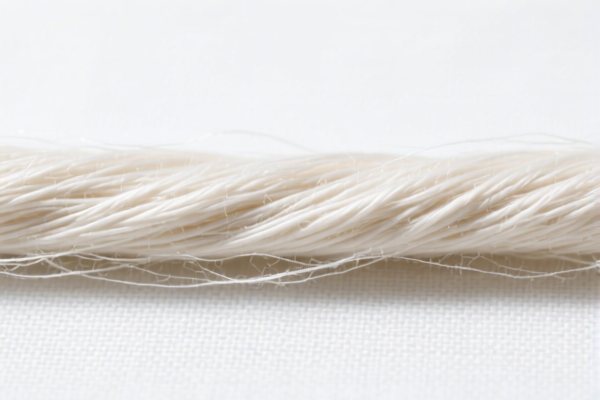
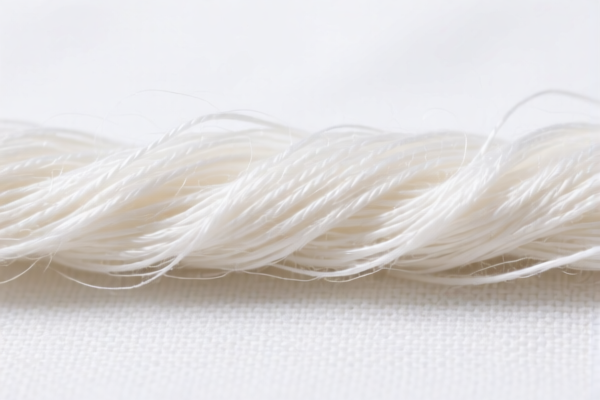
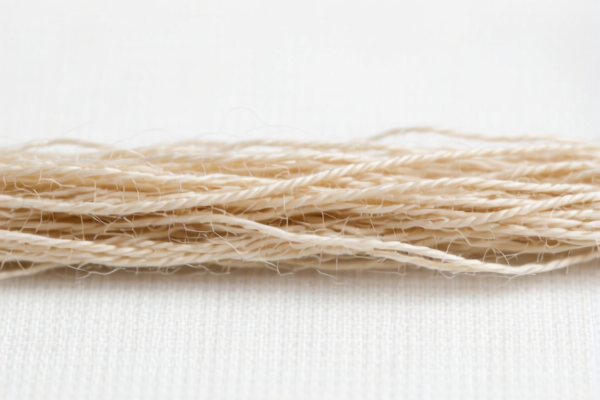
AI Analysis
🧵 Modakrylic Acrylic Short Fiber Woven Fabric (Plain/Cotton Unbleached)
🌐 HS Code Reference & Customs Clearance Guide | 2026 Latest Tariff Analysis | Professional Clearance Strategy
📌 Part 1: Product Definition & Classification: Do You Really Understand "Modacrylic Fabric"?
Modacrylic Fiber (改性腈纶/改性聚丙烯腈纤维) is a synthetic fiber modified to enhance flame retardancy, chemical resistance, or specific tactile properties. In international trade, these fabrics are classified based on fiber composition, weave structure, and state (bleached/unbleached).
The input product contains two key scenarios: 1. Modacrylic + Cotton Blend: Fabric made of modacrylic short fibers mixed with cotton. 2. Pure/Acrylic Modified Short Fiber: Fabric primarily made of modacrylic or modified acrylic short fibers.
⚠️ Key Distinction Point:
- If the fabric contains Cotton (棉) mixed with modacrylic/acrylic short fibers → It falls under Mixed Textiles (Chapter 55, Heading 5513).
- If the fabric is 100% Modacrylic/Acrylic Short Fibers (no cotton) → It falls under Pure Man-Made Fiber Textiles (Chapter 55, Heading 5512).
- State: "Unbleached" (未漂白) is a critical attribute that must be explicitly stated to avoid misclassification into bleached/dyed categories.
📦 Part 2: HS Code Classification Details (2026 Latest Tariff Authority Comparison)
| HS Code | Product Description | Applicable Scenario | Fiber Composition | Bleached Status |
|---|---|---|---|---|
5512.21.00.20 |
Woven fabrics of acrylic or modacrylic short fibers, unbleached or bleached, containing Cotton (specific variant) | Modacrylic short fiber fabric with cotton content | Modacrylic/Acrylic Short Fiber + Cotton | ✅ Unbleached |
5512.21.00.90 |
Other woven fabrics of acrylic or modacrylic short fibers, unbleached or bleached | Pure modacrylic/acrylic short fiber fabric | Modacrylic/Acrylic Short Fiber Only | ✅ Unbleached |
5513.41.00.20 |
Woven fabrics of synthetic fiber filaments, containing < 85% synthetic fibers, mixed mainly or solely with cotton, in plain weave, unbleached | Plain weave fabric of Modacrylic + Cotton | Modacrylic (Modified Acrylic) + Cotton | ✅ Unbleached |
5513.31.00.00 |
Woven fabrics of synthetic fiber filaments, containing < 85% synthetic fibers, mixed mainly or solely with cotton, in plain weave, unbleached | Plain weave fabric of Modified Polyacrylonitrile + Cotton | Modified Polyacrylonitrile (Modacrylic) + Cotton | ✅ Unbleached |
🔍 Critical Note:
-5512Series: For fabrics where modacrylic/acrylic short fibers are the primary fiber, regardless of cotton presence in some sub-codes, or pure modacrylic.
-5513Series: Specifically for Plain Weave (平纹) fabrics where modacrylic/acrylic is mixed with cotton, but the classification might shift based on the specific definition of "Modacrylic" in local tariff schedules (sometimes classified under synthetic filaments if modified).
- "Unbleached": Must be declared. If bleached, taxes may differ.
💰 Part 3: 2026 Latest Tariff Rate Breakdown (Including Additional Taxes & Policy Surcharges)
✅ Applicable Country: United States (US)
✅ Origin: China (CN)
✅ Effective Time: Ongoing (Section 301 & IEEPA)
🎯 1. 5512.21.00.20 & 5512.21.00.90 —— Acrylic/Modacrylic Woven Fabrics (Unbleached)
| Item | Content |
|---|---|
| Base Duty Rate | 12.0% (Ad Valorem) |
| Section 301 Additional Duty | +25.0% (Trade Remedy Tariffs) |
| Section 122 Tariff (IEEPA) | +10.0% (Targeted Chinese Textiles/Apparel) |
| Total Tariff Rate | 47.0% |
| Tax Calculation | CIF Value × 47.0% |
| De Minimis Exemption | ❌ Not Eligible (Deny_de_minimis) |
| Legal Basis Path | USITC:5512.21.00 → FOOTNOTE:301 (25%) → IEEPA:122 (10%) |
📌 Explanation:
- Base 12%: Standard MFN rate for acrylic/modacrylic woven fabrics.
- +25% Section 301: Trade war tariffs applicable to most Chinese textiles.
- +10% Section 122: Specific surcharge on Chinese textile imports.
- Total 47%: Extremely high cost. Must be factored into pricing.
🎯 2. 5513.41.00.20 & 5513.31.00.00 —— Modacrylic/Cotton Plain Weave Fabrics (Unbleached)
| Item | Content |
|---|---|
| Base Duty Rate | 14.9% (Ad Valorem) |
| Section 301 Additional Duty | +25.0% (Trade Remedy Tariffs) |
| Section 122 Tariff (IEEPA) | +10.0% (Targeted Chinese Textiles/Apparel) |
| Total Tariff Rate | 49.9% |
| Tax Calculation | CIF Value × 49.9% |
| De Minimis Exemption | ❌ Not Eligible (Deny_de_minimis) |
| Legal Basis Path | USITC:5513.41.00 / 5513.31.00 → FOOTNOTE:301 (25%) → IEEPA:122 (10%) |
📌 Explanation:
- Base 14.9%: Slightly higher base rate for mixed cotton-synthetic plain weave fabrics.
- +25% Section 301: Same as above.
- +10% Section 122: Same as above.
- Total 49.9%: The highest tax bracket among the provided codes. Bleaching status must be strictly "Unbleached" to avoid further penalties or misclassification.
🛠️ Part 4: Customs Clearance Practical Advice (Battle-Proven Pitfall Avoidance Guide)
✅ 1. Required Documentation Checklist (Non-Negotiable)
| Document | Required? | Description |
|---|---|---|
| ✅ Product Specification Sheet | ✔️ | Must specify: Fiber content (e.g., 60% Modacrylic, 40% Cotton), Weight (GSM), Weave Type (Plain/Plain Weave), State (Unbleached). |
| ✅ Fiber Composition Declaration | ✔️ | Exact percentage of Modacrylic/Acrylic vs. Cotton. Critical for HS Code selection (5512 vs. 5513). |
| ✅ Product Photos (Clear Label) | ✔️ | Show fabric texture, label with "Unbleached," model number, and fiber content. |
| ✅ Commercial Invoice | ✔️ | Clearly state: "Modacrylic Acrylic Short Fiber Woven Fabric, Plain/Cotton, Unbleached." |
| ✅ Packing List | ✔️ | Consistent with invoice. No mixed items. |
| ✅ Certification (if applicable) | ✔️ | Fire Retardancy Test Reports (if claimed), as Modacrylic is often FR-treated. |
✅ 2. Declaration Tips (Key Mantra)
🔥 "Fiber Dictates Code, Weave Matters, Unbleached Stated, Tax Saves!"
| Scenario | Correct Declaration | Wrong Practice |
|---|---|---|
| Modacrylic + Cotton, Plain Weave | 5513.41.00.20 or 5513.31.00.00 |
Misdeclare as 5512 → Higher Base Rate + Risk of Rejection |
| Pure Modacrylic Short Fiber, Unbleached | 5512.21.00.20 or 5512.21.00.90 |
Declare as "Cotton Fabric" → 100% Error |
| Unbleached Fabric | Explicitly state "Unbleached" in description | Omit state → Customs may assume Bleached/Dyed → Higher Inspection |
| Mixed Fiber Content | Provide exact percentages | Vague "Synthetic Blend" → Customs Assignment → Higher Duty |
✅ 3. Special Case Handling
| Situation | Handling Advice |
|---|---|
| OEM Custom Fabric | Provide customer design specs + fiber test reports. Avoid "generic" descriptions. |
| FR-Treated Modacrylic | If the fabric is treated for flame retardancy, ensure the "Unbleached" status refers to the base fabric, not the finish. |
| High Tariff Mitigation | With ~47-50% duty, consider Supply Chain Diversification: Source from Vietnam, Bangladesh, or India (if MFN applies) to avoid Section 301/122. |
| Pre-Ruling Application | Highly recommended for large shipments. Apply for an Advance Ruling from CBP to lock in the HS Code and duty rate. |
🌍 Part 5: Global Market Clearance Comparison (2026 Latest)
| Country/Region | Recommended HS Code | Estimated Duty (China Origin) | Certification Requirements | Notes |
|---|---|---|---|---|
| 🇺🇸 USA | 5512.21.00 / 5513.41.00 |
47.0% - 49.9% | No special certs required for basic clearance | High Tariff: Section 301 + 122 apply. |
| 🇨🇳 China | 5512.21.00 / 5513.41.00 |
~5-7% (Import Duty) + VAT | None for import | Low cost, but domestic use. |
| 🇪🇺 EU | 5512.21 / 5513.41 |
0-4% (General Tariff) | CE (if functional textile) | No Section 301/122. Favorable. |
| 🇬🇧 UK | 5512.21 / 5513.41 |
0-4% | UKCA (if applicable) | Post-Brexit tariff structure. |
| 🇯🇵 Japan | 5512.21 / 5513.41 |
0-5% | None | JIS standards if for safety use. |
📌 Conclusion:
- USA is the most expensive market due to 47-50% total duties.
- EU/UK/Japan offer significantly lower tariffs.
- Strategic Recommendation: If exporting to the US, consider substantial transformation in a third country (e.g., Vietnam) to change the country of origin, thereby avoiding US additional tariffs.
📌 Part 6: Common Mistakes & Pitfalls (Lessons Learned the Hard Way)
❌ Mistake 1: Forgetting to declare "Unbleached"
👉 Consequence: Customs may classify as "Bleached/Dyed," leading to misclassification fines or higher inspection rates.
❌ Mistake 2: Confusing Modacrylic (Modified Acrylic) with Standard Acrylic
👉 Consequence: While both may fall under similar headings, Modacrylic often has specific FR properties. If misdeclared, regulatory compliance issues arise.
❌ Mistake 3: Using generic terms like "Synthetic Fabric"
👉 Consequence: CBP will assign a penalty HS code with higher duty rates or additional scrutiny.
❌ Mistake 4: Ignoring Section 122 Tariff
👉 Consequence: Many importers forget the additional 10% on top of Section 301. Underpayment leads to back-taxes + penalties.
✅ Correct Practice:
"Modacrylic Acrylic Short Fiber Woven Fabric, Plain Weave, Mixed with Cotton, Unbleached, 100% Modacrylic/Acrylic Short Fiber Content, GSM: XXX, Width: XXX"
🎯 Part 7: Conclusion: Professional Declaration, Cost Efficiency, Risk Reduction
🎯 Remember the Mantra:
🔹 "Fiber Blend Dictates HS, Unbleached Must Be Stated, 301+122 Add 35%, Total Tax Near 50%!"
🔹 "Accurate HS Code Saves Dollars, Misclassification Costs Thousands!"
📌 Pro Tip:
If your Modacrylic fabric is not primarily for clothing but for industrial/FR applications, check if any special tariff exceptions apply. However, for general woven fabric, the 47-50% rate is standard.
Pre-Ruling is highly advised for large-volume shipments to the US.
📣 Immediate Action:
📞 Contact a licensed customs broker + Provide Fiber Composition Test Report + Apply for HS Code Pre-Ruling
🚀 Ensure your Modacrylic Fabric clears customs smoothly, legally, and profitably!
✨ Professional Customs Clearance Starts with Precise Classification!
💼 Every Percent of Duty Counts!
Customer Reviews
About HS Code Classification
The Harmonized System (HS) is an internationally standardized nomenclature developed by the World Customs Organization (WCO) to classify traded products. Over 200 countries use the HS system as the basis for customs tariffs, trade statistics, and import/export regulations.
Each HS code follows a hierarchical structure:
- Chapter (2 digits) — Broad category of goods (e.g., Chapter 84: Machinery and Mechanical Appliances)
- Heading (4 digits) — More specific grouping within the chapter
- Subheading (6 digits) — Internationally standardized breakdown, used by all WCO member countries
- National subdivisions (8-10 digits) — Country-specific extensions for further classification, such as US HTSUS 10-digit codes
Correct HS code classification is essential for smooth customs clearance, accurate duty payment, and compliance with trade regulations. Misclassification can lead to customs delays, overpayment of duties, or penalties.
When importing from CN to US, the applicable tariff rates may include:
- Most-Favored-Nation (MFN) rate — The standard duty rate applied to WTO members
- General rate — Applied to countries without trade agreements
- Trade remedy duties — Additional tariffs such as Section 301 (anti-dumping), Section 232 (national security), or countervailing duties
The information provided on this page is for reference purposes only. For official classification, please consult with your local customs authority or a licensed customs broker.