Modal Blended Short Fiber Yarn
CN → US| HS Code | Tariff Rate | Origin | Destination | Doc |
|---|---|---|---|---|
| 5509992000 | 44.0% | CN | US | Official Doc |
| 5509994000 | 45.6% | CN | US | Official Doc |
| 5505200000 | 35.0% | CN | US | Official Doc |
| 5402690100 | 42.5% | CN | US | Official Doc |
| 5505100040 | 35.0% | CN | US | Official Doc |
Product Images

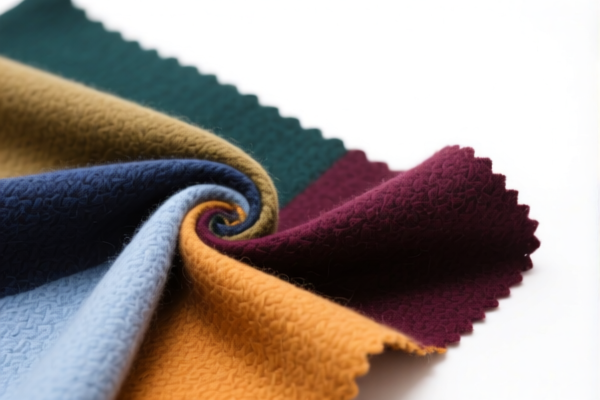
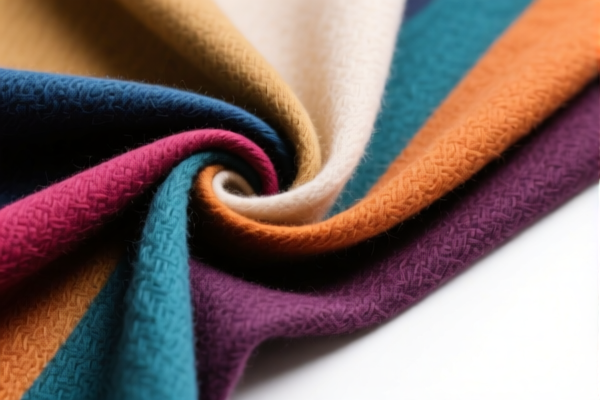
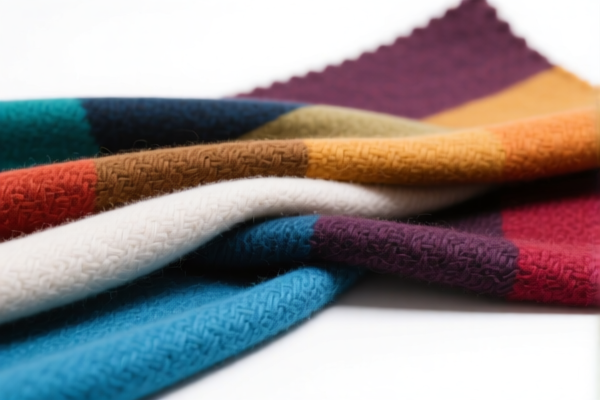
AI Analysis
🧶 Modal Blended Short Fiber Yarn: HS Code Classification & Customs Clearance Guide 2026
🌐 HS Code Reference & Clearance Guide | 2026 Latest Tariff Analysis | Professional Customs Strategy
📌 I. Product Definition & Classification: Do You Really Understand "Modal Yarn"?
Modal blended yarn, a staple in the textile industry, refers to yarns where Modal (a type of regenerated cellulose fiber classified as a synthetic/man-made short fiber in trade contexts) is blended with other fibers. In international trade, the classification depends heavily on the structure (single vs. multi-ply) and the nature of the blend (short fiber vs. long filament).
Key Distinctions: - Short Fiber Yarn (Single): Made from staple fibers, twisted into a single thread. Typically falls under 5509 or 5505. - Long Filament/Multi-Ply Yarn: Made from continuous filaments or twisted multiple strands together. Typically falls under 5402 or specific subheadings of 5509.
⚠️ Critical Note:
- Modal is Regenerated Cellulose: It is often treated similarly to synthetic fibers in certain trade regimes (like the US Section 301 tariffs mentioned below).
- Structure Matters: Single vs. Multi-ply changes the HS Code significantly.
- Blend Ratio: The description "Mainly or solely" indicates the dominant fiber content drives the classification.
📦 II. HS Code Classification Details (2026 Latest Tariff Authority Comparison)
Based on the provided data, here are the four specific HS Codes for Modal Blended Yarn, categorized by structure and blend type:
| HS Code | Product Description | Key Characteristics | Tax Rate (Total) |
|---|---|---|---|
5509.99.20.00 |
Modal Blended Yarn (Short Fiber) | Single yarn; Mainly/solely blended with man-made short fibers. | 44.0% |
5509.99.40.00 |
Modal Blended Yarn (Long Filament) | Single yarn; Mainly/solely blended with man-made long filaments (cellulose fiber). | 45.6% |
5505.20.00.00 |
Modal Blended Cable/Yarn | Single yarn; Regenerated cellulose fiber; General man-made fiber category. | 35.0% |
5402.69.01.00 |
Modal Blended Cable Yarn (Multi-Ply) | Multi-ply/plied structure; Synthetic fiber category; Multi-strand twisted. | 42.5% |
5505.10.00.40 |
Modal Blended Cable Yarn | Single yarn; Regenerated cellulose; Consistent with synthetic fiber category attributes. | 35.0% |
🔍 Focus Reminder:
- Short Fiber (5509.99.20.00): Single strand, staple fiber blend → 44.0%
- Long Filament (5509.99.40.00): Single strand, continuous filament blend → 45.6%
- Cable/Yarn (5505.20.00.00 / 5505.10.00.40): General modal yarn descriptions → 35.0%
- Multi-Ply (5402.69.01.00): Twisted/multi-strand structure → 42.5%
💰 III. 2026 Latest Tariff Rate Breakdown (Including Surtaxes & Policy Add-ons)
✅ Applicable Country: United States (US)
✅ Origin: China (CN)
✅ Effective Date: 2025-11-10 onwards (for subsequent imports)
🎯 1. 5509.99.20.00 – Modal Blended Short Fiber Yarn (Single)
| Item | Detail |
|---|---|
| Base Tariff | 9.0% |
| Surtax (Section 301) | +25.0% |
| Section 122 Surtax | +10.0% |
| Total Tax Rate | 44.0% |
| Calculation | CIF Value × 44.0% |
| De Minimis Exemption | ❌ Not Eligible (High risk of audit) |
| Legal Basis Path | USITC:5509.99.20.00 → Section 301: +25% → Section 122: +10% |
📌 Explanation:
- Base 9%: Standard MFN rate for man-made staple fiber yarns.
- 25% Surtax: Applies to Chinese-origin textiles under Section 301.
- 10% Section 122: Specific additional tariff on certain textile/apparel items from China.
- Total 44%: A very high cost factor. Must be factored into pricing strategy.
🎯 2. 5509.99.40.00 – Modal Blended Long Filament Yarn (Single)
| Item | Detail |
|---|---|
| Base Tariff | 10.6% |
| Surtax (Section 301) | +25.0% |
| Section 122 Surtax | +10.0% |
| Total Tax Rate | 45.6% |
| Calculation | CIF Value × 45.6% |
| De Minimis Exemption | ❌ Not Eligible |
| Legal Basis Path | USITC:5509.99.40.00 → Section 301: +25% → Section 122: +10% |
📌 Note:
- This is the highest tax bracket among the listed options.
- Even though Modal is a cellulose fiber, it is classified under "man-made long filaments" in this context, leading to a higher base rate (10.6% vs. 9.0%).
🎯 3. 5505.20.00.00 & 5505.10.00.40 – Modal Blended Yarn (General/Cable)
| Item | Detail |
|---|---|
| Base Tariff | 0.0% |
| Surtax (Section 301) | +25.0% |
| Section 122 Surtax | +10.0% |
| Total Tax Rate | 35.0% |
| Calculation | CIF Value × 35.0% |
| De Minimis Exemption | ❌ Not Eligible |
| Legal Basis Path | USITC:5505.20.00.00 / 5505.10.00.40 → Section 301: +25% → Section 122: +10% |
📌 Strategy Alert:
- Lowest Total Tax (35%): These codes offer the most favorable duty rate.
- Base Rate 0%: Reflects specific trade concessions or classifications for certain regenerated fiber yarns.
- Use Case: If your product can be reasonably described under these codes (e.g., "cable yarn" or general "man-made fiber yarn"), it saves 9-10.6% in duties compared to the 5509.99 codes.
🎯 4. 5402.69.01.00 – Modal Blended Cable Yarn (Multi-Ply)
| Item | Detail |
|---|---|
| Base Tariff | 7.5% |
| Surtax (Section 301) | +25.0% |
| Section 122 Surtax | +10.0% |
| Total Tax Rate | 42.5% |
| Calculation | CIF Value × 42.5% |
| De Minimis Exemption | ❌ Not Eligible |
| Legal Basis Path | USITC:5402.69.01.00 → Section 301: +25% → Section 122: +10% |
📌 Note:
- Multi-Ply Structure: Classified under Chapter 54 (Man-made filaments) rather than Chapter 55 (Staple fibers).
- Intermediate Tax: 42.5% is lower than the 44-45.6% range but higher than the 35% option.
- Key Distinction: Must be a twisted/multi-strand structure.
🛠️ IV. Customs Clearance Practical Advice (Real-World Pitfall Avoidance)
✅ 1. Preparation Checklist (Non-negotiable)
| Document | Required | Explanation |
|---|---|---|
| ✅ Product Specification Sheet | ✔️ | Must specify: Fiber content (% Modal), Yarn count (Nm/Ne), Twist direction, Single vs. Multi-ply. |
| ✅ Technical Drawing/Photo | ✔️ | Show cross-section to prove Single vs. Multi-ply structure. Crucial for HS Code selection. |
| ✅ Commercial Invoice | ✔️ | Must clearly state "Modal Blended Yarn" and specify the structure (e.g., "Single Ply, Staple Fiber"). |
| ✅ Proof of Origin | ✔️ | Certificate of Origin (CO) for China. Note: No preferential tariff available for China-US trade in textiles. |
| ✅ Third-Party Lab Report | ✔️ | Fiber composition analysis to confirm Modal content and blend ratio. |
✅ 2. Declaration Tips (Key Mnemonics)
🔥 "Structure First, Fiber Second, Tax Drops Half!"
| Scenario | Correct Declaration | Wrong Approach |
|---|---|---|
| Single Ply, Staple Fiber | 5509.99.20.00 (44.0%) |
Calling it "Cable Yarn" → Risk of misclassification |
| Multi-Ply/Twisted | 5402.69.01.00 (42.5%) |
Calling it "Single Yarn" → Risk of audit |
| General Regenerated Fiber | 5505.20.00.00 (35.0%) |
Forcing it into 5509.99 if generic description fits |
| High Blend Modal | Ensure "Mainly/Solely" claim is accurate | Understating Modal content → Fraud risk |
✅ 3. Special Case Handling
| Situation | Recommendation |
|---|---|
| OEM Custom Yarn | Provide customer spec sheet. If structure is ambiguous, lean towards 35.0% if generic "cable yarn" description fits. |
| Mixed Modal/Polyester | If Polyester is dominant, might shift to Chapter 55/54 differently. Check blend % strictly. |
| Sample Imports | Even samples for testing are subject to 44.0% tax. Do not use De Minimis for yarn. |
| Urgent Shipment | Pre-clearance with CBP is advised. Tariff changes are frequent. |
🌍 V. Global Market Clearance Comparison (2026 Latest)
| Country/Region | Recommended HS Code | Tariff | Certification | Note |
|---|---|---|---|---|
| 🇺🇸 USA | 5509.99.20.00 |
44.0% | None specific | Highest tax due to 301 + 122 surtaxes. |
| 🇨🇳 China | 5509.99.20.00 |
~6-9% | N/A | Lower base tariff, no surtaxes. |
| 🇪🇺 EU | 5509.99.20.00 |
~5-9% | CE (if applicable) | No Section 301/122 equivalents. |
| 🇬🇧 UK | 5509.99.20.00 |
~5-9% | N/A | Post-Brexit tariffs similar to EU. |
| 🇦🇺 Australia | 5509.99.20.00 |
~5-10% | N/A | FTA benefits if origin qualifies (not China). |
📌 Conclusion:
- USA is the most expensive market for Modal yarn due to layered surtaxes (25% + 10%).
- Diversify supply chain: Consider sourcing from Vietnam or Bangladesh to avoid US surtaxes (though origin rules are strict).
- Optimize HS Code: If product allows, use5505.20.00.00to save 9-10.6% in duties.
📌 VI. Common Errors & Pitfall Guide (Lessons Learned)
❌ Error 1: Misdeclaring "Multi-ply" as "Single Yarn"
👉 Consequence: Incorrect HS Code (5509.99.20.00 vs 5402.69.01.00) → Potential audit and penalties.
❌ Error 2: Using "De Minimis" for Yarn Shipments
👉 Consequence: Rejected. Textiles are high-risk. All shipments >$800 are scrutinized.
❌ Error 3: Ignoring Section 122 Tariff
👉 Consequence: Underestimating landed cost by 10%. Budgeting errors lead to margin loss.
❌ Error 4: Vague Description "Modal Yarn"
👉 Consequence: CBP may apply highest rate or require additional documentation → Delayed clearance.
✅ Correct Practice:
"Modal Blended Short Fiber Yarn, Single Ply, 30Nm, 70% Modal/30% Polyester, Chinese Origin, For Knitting"
🎯 VII. Conclusion: Precision Classification Saves Money!
🎯 Remember the Mnemonic:
🔹 "Single vs. Multi, Check the Twist.
Modal in China, Tax is High.
35% if Generic, 44% if Specific.
Plan Ahead, Avoid Penalty Stress!"
🔹 "HS Code Determines Duty. A 10% Difference is Huge.
Declare Structure Accurately, Save Thousands!"
📌 Pro Tip:
If your Modal yarn can be classified under
5505.20.00.00or5505.10.00.40, you save 9-10.6% in duties compared to5509.99.20.00.
Action: Consult a customs broker to see if your product's description fits the lower-tariff codes.
Pre-clearance: Request a Binding Tariff Information (BTI) or Advance Ruling from CBP if shipment volume is high.
📣 Immediate Action:
📞 Contact a licensed customs broker.
📄 Provide product photos and specs.
🚀 Optimize your HS Code, Reduce Landed Cost, Maximize Profit!
✨ Professional Clearance Starts with Accurate Classification!
💼 Every Dollar Saved on Duty is Pure Profit!
Customer Reviews
About HS Code Classification
The Harmonized System (HS) is an internationally standardized nomenclature developed by the World Customs Organization (WCO) to classify traded products. Over 200 countries use the HS system as the basis for customs tariffs, trade statistics, and import/export regulations.
Each HS code follows a hierarchical structure:
- Chapter (2 digits) — Broad category of goods (e.g., Chapter 84: Machinery and Mechanical Appliances)
- Heading (4 digits) — More specific grouping within the chapter
- Subheading (6 digits) — Internationally standardized breakdown, used by all WCO member countries
- National subdivisions (8-10 digits) — Country-specific extensions for further classification, such as US HTSUS 10-digit codes
Correct HS code classification is essential for smooth customs clearance, accurate duty payment, and compliance with trade regulations. Misclassification can lead to customs delays, overpayment of duties, or penalties.
When importing from CN to US, the applicable tariff rates may include:
- Most-Favored-Nation (MFN) rate — The standard duty rate applied to WTO members
- General rate — Applied to countries without trade agreements
- Trade remedy duties — Additional tariffs such as Section 301 (anti-dumping), Section 232 (national security), or countervailing duties
The information provided on this page is for reference purposes only. For official classification, please consult with your local customs authority or a licensed customs broker.