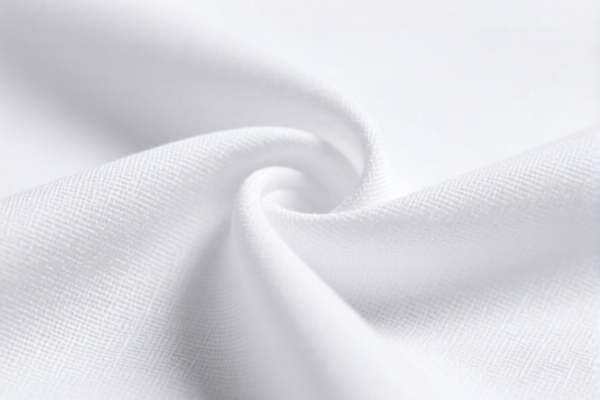
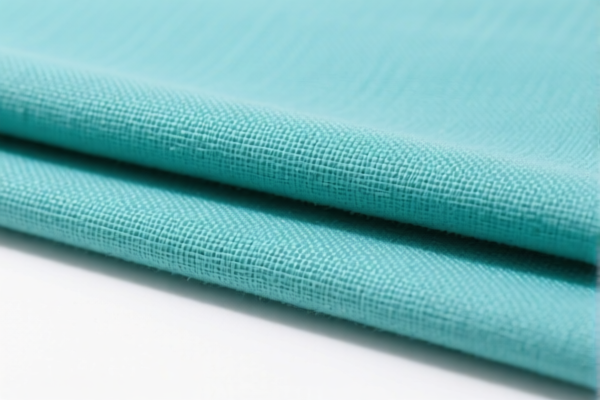
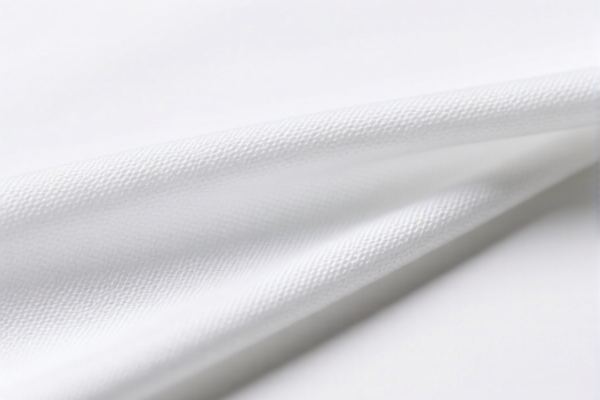
Modal Blended Woven Fabric (Medical)
CN → USProduct Images

AI Analysis
🏥 Modal Blended Woven Fabric (Medical Grade)
🌐 HS Code Reference & Customs Clearance Guide | 2026 Latest Tariff Analysis | Professional Strategy
📌 I. Product Definition & Classification: What is "Medical Modal Fabric"?
Modal Blended Woven Fabric is a high-performance textile material primarily composed of Modal (a regenerated cellulose fiber derived from beech wood pulp) often blended with other fibers such as Cotton, Polyester, or Spandex to enhance durability, elasticity, or cost-efficiency.
In the context of Medical Applications, this fabric is strictly regulated due to its contact with human skin or bodily fluids. It is typically used for: 1. Medical Textiles: Surgical gowns, isolation gowns, bed linens, and pillowcases. 2. Hygiene Products: Adult diapers, sanitary napkins (as top sheets/leg cuffs). 3. Wound Care: Non-adherent dressings or bandages (if treated).
⚠️ Critical Distinction:
- If the fabric is unfinished (raw weave, not treated for medical use) → Typically falls under 5208/5407/5516 (General Woven Fabrics).
- If the fabric is finished/impregnated for medical use (antibacterial, fluid-repellent, sterile) → May require specific medical device classification or still fall under textiles depending on the primary function.
- Key Factor: The fiber composition (percentage of Modal vs. others) determines the exact HS Code. Modal is classified under "Other man-made staple fibers" (similar to Viscose/Rayon).
📦 II. HS Code Classification Details (2026 Latest Tariff Authority)
Since Modal is a Regenerated Cellulose Fiber (like Viscose), it is generally classified under Chapter 55 (Man-made Staple Fibers) or Chapter 60/52/54 depending on the blend and structure. For Woven fabrics containing Modal:
| HS Code | Product Description | Application Scenario | Fiber Composition |
|---|---|---|---|
5516.04.00.00 |
Woven fabrics of synthetic staple fibers, containing ≥85% synthetic staple fibers | If Modal is treated as synthetic (rare) or blended with high synthetic content | ⚠️ Check Local Rules |
5516.32.00.00 |
Woven fabrics of viscose rayon, dyed, containing ≥85% viscose rayon | Most Common for Pure Modal (Modal is a type of viscose) | ✅ >85% Modal |
5516.33.00.00 |
Woven fabrics of viscose rayon, dyed, containing 85% or less viscose rayon | Modal blended with Cotton/Polyester | ✅ Blend |
6005.24.00.00 |
Woven fabrics of synthetic fibers, dyed (if knitted, not woven) | ❌ Incorrect for Woven | ❌ Knitted |
6307.90.99.00 |
Other made-up articles (if converted into finished gowns/sheets) | Finished Medical Gowns/Sheets | ✅ Finished Product |
🔍 Key Clarification:
- Modal = Viscose Rayon: In most international tariff systems, Modal is classified as a type of Viscose Rayon. Therefore, Chapter 55 (Man-made Staple Fibers) is the primary chapter for woven modal fabric.
- Woven vs. Knitted: This guide focuses on Woven fabric. If your fabric is Knitted (e.g., for T-shirt-like gowns), it falls under Chapter 60.
- Finished Goods: If you are exporting finished medical gowns, do NOT use the fabric HS code. Use Chapter 62 (Articles of Apparel) or Chapter 90 (Medical devices) if classified as such.
💰 III. 2026 Latest Tariff Rate Breakdown (US Import Example)
✅ Applicable Country: United States (US)
✅ Country of Origin: China (CN)
✅ Effective Date: November 10, 2025 (and subsequent imports)
🎯 1. 5516.32.00.00 – Woven Fabrics of Viscose Rayon (≥85% Modal), Dyed
| Item | Details |
|---|---|
| Base Tariff Rate | 0% (ad valorem) |
| USITC Additional Duty | +25% (Under USITC Footnote 9903.88.01 for Textiles) |
| IEEPA Additional Duty | +10% (Section 301/IEEPA for China-origin goods) |
| Total Tariff Rate | 35% |
| Tax Calculation | CIF Value × 35% |
| De Minimis Eligibility | ❌ Not Eligible (Textiles usually exceed de minimis thresholds or are excluded) |
| Legal Pathway | IEEPA:9903.01.25 → USITC:5516.32.00.00 → FOOTNOTE:9903.88.01 |
📌 Explanation:
- Modal fabric is considered a textile product under US law.
- The 25% USITC duty applies to most textile apparel and fabric imports from China.
- The 10% IEEPA duty is an additional layer for Chinese-origin goods.
- Total Burden: 35% on the CIF value. This is a significant cost factor.
🎯 2. 5516.33.00.00 – Woven Fabrics of Viscose Rayon (<85% Modal), Dyed
| Item | Details |
|---|---|
| Base Tariff Rate | 0% |
| USITC Additional Duty | +25% |
| IEEPA Additional Duty | +10% |
| Total Tariff Rate | 35% |
| Tax Calculation | CIF Value × 35% |
| De Minimis Eligibility | ❌ Not Eligible |
| Legal Pathway | Same as above |
📌 Note:
- Blending Modal with Cotton or Polyester does not reduce the tariff rate. It remains in the same duty bracket.
- Ensure the fiber composition is accurately declared. Misdeclaration (e.g., claiming 100% Cotton when it’s Modal) can lead to fraud penalties.
🛠️ IV. Customs Clearance Practical Advice (Best Practices)
✅ 1. Required Documentation Checklist
| Document | Required? | Notes |
|---|---|---|
| ✅ Commercial Invoice | ✔️ | Must specify "Woven Fabric, Modal Blend, Medical Grade" |
| ✅ Packing List | ✔️ | Detail gross/net weight, dimensions |
| ✅ Fiber Composition Certificate | ✔️ | Critical! Must state % Modal, % Cotton, % Polyester, etc. |
| ✅ Test Report | ✔️ | ISO 10993 (Biocompatibility), Azo-free, Antibacterial efficacy (if claimed) |
| ✅ Certificate of Origin | ✔️ | If sourcing from non-China countries, may reduce tariffs |
| ✅ Import License (FDA) | ✔️ | If classified as a medical device (e.g., sterile surgical gowns) |
✅ 2. Declaration Tips (Key Mantras)
🔥 "Fiber % is King, Medical Claim Needs Proof, Woven vs Knitted Must Be Clear!"
| Scenario | Correct Declaration | Wrong Practice |
|---|---|---|
| Raw Modal Woven Fabric | 5516.32.00.00 – "Woven Viscose Fabric, Dyed" |
Calling it "Cotton Fabric" |
| Finished Sterile Gowns | 6213.20.00.00 (Apparel) or 9020.00.00 (Medical Device) |
Using fabric HS code for finished goods |
| Knitted Modal Fabric | 6006.32.00.00 (Knitted Viscose) |
Using Woven HS code → Customs Rejection |
✅ 3. Special Cases
| Case | Handling Advice |
|---|---|
| Antibacterial Treatment | Declare as "Treated Fabric." May require additional FDA notification if claimed as medical. |
| Fluid-Repellent (Isolation Gowns) | Ensure fabric is classified correctly. If it’s a "specialty fabric," provide technical data sheets. |
| Small Sample Shipment | If < $800, de minimis may apply, but textiles are often excluded from de minimis in the US. Check current US CBP rules. |
| Origin Non-China | If Modal is produced in Viscose-rich countries (e.g., Vietnam, Bangladesh), check for FTA benefits (e.g., RCEP, ASEAN). |
🌍 V. Global Market Comparison (2026)
| Country/Region | Recommended HS Code | Tariff (China Origin) | Certification Required | Notes |
|---|---|---|---|---|
| 🇺🇸 USA | 5516.32.00.00 |
35% (25% + 10%) | FDA (if device), OEKO-TEX | High barrier due to textie duties |
| 🇨🇳 China | 5516.32.00.00 |
5% | GB Standard (GB/T) | Low tariff, strong domestic supply |
| 🇪🇺 EU | 5516.32.00.00 |
0% | CE, REACH, OEKO-TEX | No additional duties; strict chemical regulations |
| 🇯🇵 Japan | 5516.32.00.00 |
0% | JIS Standard | Free trade benefits under JETIA |
| 🇦🇺 Australia | 5516.32.00.00 |
5% | AS/NZS Standards | Moderate tariff |
📌 Conclusion:
- USA has the highest tariff burden (35%) for modal fabric from China.
- EU and Japan offer 0% tariff but have strict chemical safety (REACH, Azo-free) and biocompatibility requirements.
- China has low tariffs but high competition.
📌 VI. Common Errors & Pitfalls (Lessons Learned)
❌ Error 1: Declaring Modal as "Cotton"
👉 Consequence: Tariff evasion suspicion, fines, seizure. Modal is a man-made staple fiber, not natural cotton.
❌ Error 2: Using Woven HS Code for Knitted Fabric
👉 Consequence: Customs delay, reclassification, and potential penalties. Woven (Chapter 55) vs. Knitted (Chapter 60) is a fundamental distinction.
❌ Error 3: Ignoring "Medical Device" Classification for Finished Goods
👉 Consequence: If exporting sterile surgical gowns, they may be classified as medical devices (Chapter 90) rather than textiles (Chapter 62). This requires FDA pre-market notification (510k).
✅ Correct Approach:
"Woven Fabric, 70% Modal / 30% Cotton, Dyed, Medical Grade, Non-Sterile, OEKO-TEX Certified"
🎯 VII. Conclusion: Precision in Textile Classification
🎯 Remember the Mantra:
🔹 "Modal = Viscose, Check the Blend, Woven vs Knitted is Critical!"
🔹 "USA Tariff is 35%, EU is 0% but Strict on Chemicals!"
📌 Pro Tip:
If your modal fabric is produced in Vietnam or Bangladesh, leverage FTA agreements to reduce or eliminate US/EU tariffs. Always request Origin Certificates.
📣 Action Required:
📞 Consult a Customs Broker for Advance Rulings on medical-grade classifications.
🚀 Ensure OEKO-TEX or ISO 10993 certification is ready for medical imports.
✨ Professional Clearing Starts with Accurate Classification!
💼 Your fabric’s value depends on its correct HS Code!
Customer Reviews
About HS Code Classification
The Harmonized System (HS) is an internationally standardized nomenclature developed by the World Customs Organization (WCO) to classify traded products. Over 200 countries use the HS system as the basis for customs tariffs, trade statistics, and import/export regulations.
Each HS code follows a hierarchical structure:
- Chapter (2 digits) — Broad category of goods (e.g., Chapter 84: Machinery and Mechanical Appliances)
- Heading (4 digits) — More specific grouping within the chapter
- Subheading (6 digits) — Internationally standardized breakdown, used by all WCO member countries
- National subdivisions (8-10 digits) — Country-specific extensions for further classification, such as US HTSUS 10-digit codes
Correct HS code classification is essential for smooth customs clearance, accurate duty payment, and compliance with trade regulations. Misclassification can lead to customs delays, overpayment of duties, or penalties.
When importing from CN to US, the applicable tariff rates may include:
- Most-Favored-Nation (MFN) rate — The standard duty rate applied to WTO members
- General rate — Applied to countries without trade agreements
- Trade remedy duties — Additional tariffs such as Section 301 (anti-dumping), Section 232 (national security), or countervailing duties
The information provided on this page is for reference purposes only. For official classification, please consult with your local customs authority or a licensed customs broker.