Modal Short Fiber Blend Outdoor Furniture Fabric
CN → US| HS Code | Tariff Rate | Origin | Destination | Doc |
|---|---|---|---|---|
| 5407820090 | 49.9% | CN | US | Official Doc |
| 5903902500 | 42.5% | CN | US | Official Doc |
| 5515190090 | 47.0% | CN | US | Official Doc |
| 5515110090 | 49.9% | CN | US | Official Doc |
| 5407810090 | 49.9% | CN | US | Official Doc |
Product Images
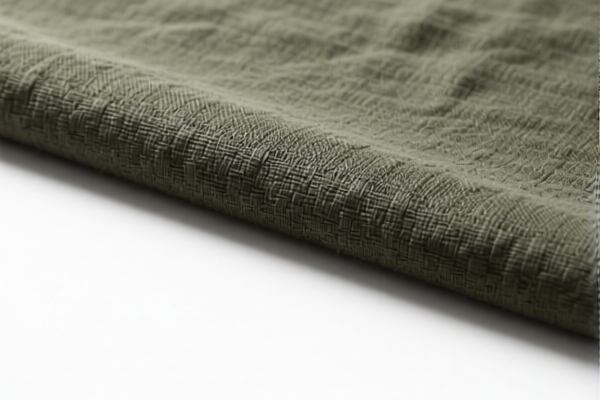
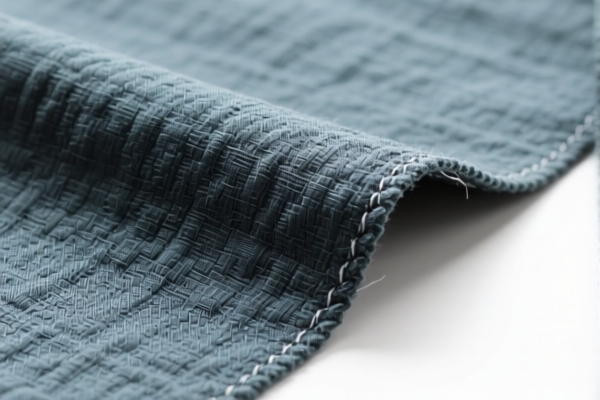
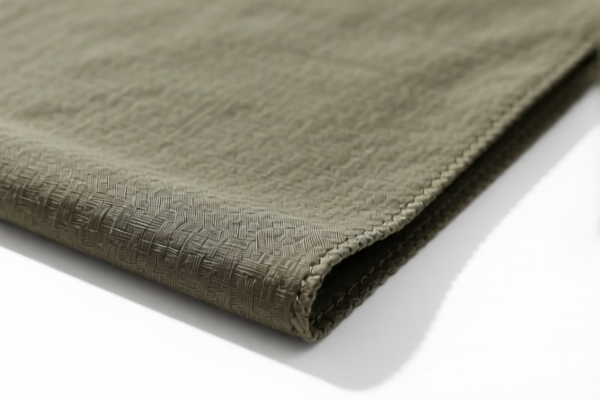
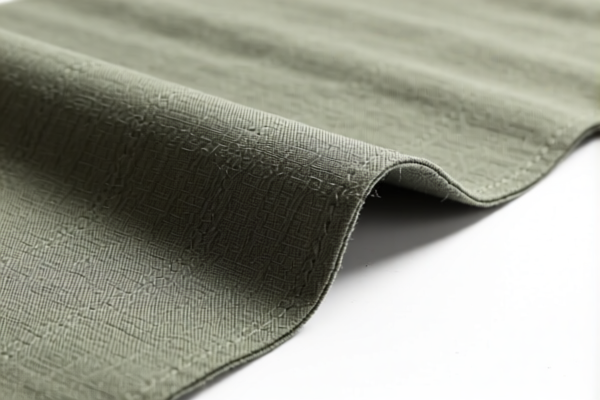
AI Analysis
🪑 Modal Short Fiber Blend Outdoor Furniture Fabric
🌐 HS Code Reference & Customs Clearance Guide | 2026 Latest Tariff Analysis | Professional Entry Strategy
📌 I. Product Definition & Classification: Do You Really Understand "Modal Blend Fabric"?
Modal Short Fiber Blend Outdoor Furniture Fabric is a specialized textile material designed for high-end outdoor furniture. It combines the softness of modal (a type of rayon made from beech tree pulp) with the durability required for outdoor use. In international trade, it is classified based on its material composition and form (woven fabric).
Key Classification Logic: * Material: The prompt specifies "Modal Short Fiber Blend." Modal is a man-made fiber (specifically regenerated cellulosic). However, in customs classification (HS Code), the primary determinant for Chapter 54/55 vs. Chapter 60/59 is often the dominant fiber content and construction. * Form: It is a Fabric (woven or knitted). * Usage: Outdoor Furniture.
⚠️ Critical Distinction:
- If the fabric is primarily Polyester (Synthetic) blended with Modal/Cotton → It falls under Chapter 54 or 55 (Synthetic Fibers).
- If the fabric is primarily Cotton blended with Modal → It falls under Chapter 52 or 55 depending on the blend ratio.
- If the fabric is coated or impregnated for weather resistance → It may fall under Chapter 59.Note: The provided DATA suggests a strong focus on Polyester-Dominant blends, as most HS codes listed are for Synthetic Fibers (5407, 5515) or Coated Fabrics (5903). This implies the "Modal" is a secondary blend component, or the "Polyester" is the defining synthetic fiber for customs purposes.
📦 II. HS Code Classification Details (2026 Latest Tariff Authority Comparison)
The following HS Codes are derived directly from the provided data. Note that the total tax rates are high due to US-China trade tensions (Section 301 & Section 122).
| HS Code | Product Description | Material/Composition | Tax Rate | Key Characteristics |
|---|---|---|---|---|
5407.82.00.90 |
Polyblend Outdoor Furniture Fabric | Synthetic Fiber + Cotton/Non-Synthetic Blend | 49.9% | Base: 14.9%, Sec 301: 25%, Sec 122: 10% |
5903.90.25.00 |
Polyblend Outdoor Furniture Fabric | Polyester (Man-Made Fiber) Fabric | 42.5% | Base: 7.5%, Sec 301: 25%, Sec 122: 10% |
5515.19.00.90 |
Polyblend Outdoor Furniture Fabric | Polyester (Polyester) Woven Fabric | 47.0% | Base: 12.0%, Sec 301: 25%, Sec 122: 10% |
5515.11.00.90 |
Polyblend Outdoor Furniture Fabric | Polyester Filament + Other Fibers | 49.9% | Base: 14.9%, Sec 301: 25%, Sec 122: 10% |
5407.81.00.90 |
Polyblend Outdoor Furniture Fabric | Synthetic Fiber Fabric | 49.9% | Base: 14.9%, Sec 301: 25%, Sec 122: 10% |
🔍 重点提醒 (Key Reminder):
- Section 301 Tariff (25%): Applies to almost all Chinese-origin textiles under these codes.
- Section 122 Tariff (10%): A specific additional tariff for certain textiles/apparel from China.
- Base Tariff Varies: Ranges from 7.5% to 14.9% depending on the precise synthetic fiber composition.
- Total Tax Range: 42.5% – 49.9%. This is a HIGH-TARIFF category.
💰 III. 2026 Latest Tariff Rate Breakdown (Including Surcharges)
✅ Applicable Country: United States (US)
✅ Origin: China (CN)
✅ Effective Date: From November 10, 2025 (including subsequent imports)
🎯 1. 5407.82.00.90 & 5515.11.00.90 & 5407.81.00.90 —— High Base Tariff Categories
| Item | Content |
|---|---|
| Base Tariff | 14.9% (Ad Valorem) |
| USITC Surcharge (Sec 301) | +25% (From USITC Footnote related to Section 301) |
| Section 122 Surcharge | +10% (Specific to Chinese textile imports) |
| Total Tax Rate | 49.9% |
| Tax Calculation | CIF Value × 49.9% |
| De Minimis Exemption | ❌ NOT Eligible (Denied under current trade policies) |
| Legal Basis Path | IEEPA:9903.01.25 → USITC:5407.82.00.90 → FOOTNOTE:301 |
📌 Explanation:
- The 14.9% base tariff reflects the duty on mixed synthetic/natural fiber fabrics.
- The 25% Section 301 tariff is the standard punitive tariff on Chinese textiles.
- The 10% Section 122 tariff is an additional penalty for specific textile categories from China.
- Total 49.9% is extremely high. Misclassification can lead to severe penalties.
🎯 2. 5903.90.25.00 —— Coated/Impregnated Fabric (Lower Base Rate)
| Item | Content |
|---|---|
| Base Tariff | 7.5% |
| USITC Surcharge (Sec 301) | +25% |
| Section 122 Surcharge | +10% |
| Total Tax Rate | 42.5% |
| Tax Calculation | CIF Value × 42.5% |
| De Minimis Exemption | ❌ NOT Eligible |
| Legal Basis Path | IEEPA:9903.01.24 → USITC:5903.90.25.00 → FOOTNOTE:301 |
📌 Note:
- This code is for Polyester (Man-Made Fiber) Fabric that may be coated or impregnated (common for outdoor furniture to be water-resistant).
- The base rate is lower (7.5%), making the total tax 7.4% lower than other options.
- Strategy: If the fabric has a PVC/PU coating or is specifically for outdoor weather resistance, this is the most cost-effective classification.
🎯 3. 5515.19.00.90 —— Other Synthetic Woven Fabrics
| Item | Content |
|---|---|
| Base Tariff | 12.0% |
| USITC Surcharge (Sec 301) | +25% |
| Section 122 Surcharge | +10% |
| Total Tax Rate | 47.0% |
| Tax Calculation | CIF Value × 47.0% |
| De Minimis Exemption | ❌ NOT Eligible |
| Legal Basis Path | IEEPA:9903.01.25 → USITC:5515.19.00.90 → FOOTNOTE:301 |
📌 Note:
- This is a "catch-all" for Polyester (Polyester) Woven Fabrics not specified elsewhere.
- If the fabric is a simple blend without coating, this is a common classification.
- Total 47.0% is slightly better than 49.9% but worse than 42.5%.
🛠️ IV. Customs Clearance Practical Advice (Real-World Pitfall Guide)
✅ 1. Preparation Checklist (All Required)
| Document | Must Provide | Explanation |
|---|---|---|
| ✅ Product Specification Sheet | ✔️ | Include material composition (e.g., "60% Polyester, 40% Modal"), weave type, weight (gsm). |
| ✅ Material Composition Certificate | ✔️ | Lab test report confirming the percentage of synthetic vs. natural fibers. Crucial for distinguishing between 5407, 5515, and 5903. |
| ✅ Product Photos (Clear) | ✔️ | Show texture, coating (if any), and labeling. |
| ✅ Commercial Invoice | ✔️ | Must state "Polyester Blend Outdoor Furniture Fabric" and origin. |
| ✅ Packing List | ✔️ | Detail net/gross weight and dimensions. |
| ✅ Bill of Lading | ✔️ | Consistent with invoice. |
✅ 2. Declaration Tips (Key Mnemonics)
🔥 “Coat for 42.5%, Blend for 47-49.9%, Misclassify for Penalty!”
| Scenario | Correct Classification | Wrong Classification | Consequence |
|---|---|---|---|
| Fabric has PVC/PU coating (Waterproof) | 5903.90.25.00 (42.5%) |
5407.82.00.90 (49.9%) |
Overpay 7.4% |
| Pure Polyester Blend (No coating) | 5515.19.00.90 (47.0%) |
5903.90.25.00 (42.5%) |
Underpay → Penalty & Back Taxes |
| Polyester + Cotton Blend | 5407.82.00.90 (49.9%) |
5515.19.00.90 (47.0%) |
Slight Overpayment |
| Knitted vs. Woven | Must specify! | Wrong chapter | Seizure |
📌 Crucial Point:
- "Modal" is a regenerated cellulose fiber. If the blend is mostly Modal (not Polyester), it might fall under a different chapter. However, the provided data assumes Polyester-dominant blends.
- If the fabric is NOT coated, do NOT use5903.90.25.00. Use5515or5407.
- If the fabric IS coated for outdoor use,5903.90.25.00is your best tax rate.
✅ 3. Special Cases
| Scenario | Handling Advice |
|---|---|
| OEM Custom Fabric | Provide design specs and material blend report. |
| Sample Shipment | Still subject to duties. No de minimis exemption. |
| Mixed Containers | Ensure accurate breakdown per HS Code. |
| Dispute on "Coating" | Provide lab test results showing polymer content if claiming 5903. |
🌍 V. Global Market Comparison (2026)
| Country/Region | Recommended HS Code | Tariff (China Origin) | Certification | Notes |
|---|---|---|---|---|
| 🇺🇸 USA | 5903.90.25.00 |
42.5% (Best) | FCC (if electronics involved), but mainly customs duty | High tariffs due to Sec 301 & 122 |
| 🇨🇳 China | 5903.90.25.00 |
~5-10% | CCC (if applicable) | Lower base rates |
| 🇪🇺 EU | 5903.90.90 |
~0-10% | CE, REACH | No Section 301 |
| 🇬🇧 UK | 5903.90.90 |
~0-10% | UKCA | Post-Brexit rules apply |
📌 Conclusion:
- The US market is the most expensive for Chinese textile imports due to Section 301 and Section 122.
- Optimization Strategy: If your fabric can be classified as coated/impregnated (5903), you save 7.4% - 7.4% in taxes compared to uncoated blends.
📌 VI. Common Errors & Pitfalls (Blood Lessons)
❌ Error 1: Declaring coated fabric as uncoated (5515 instead of 5903)
👉 Consequence: Overpaying 7.4% on every shipment.
❌ Error 2: Declaring uncoated fabric as coated (5903 instead of 5515)
👉 Consequence: Customs Audit, Penalties, and Back Taxes + Interest.
❌ Error 3: Ignoring "Section 122" tariff
👉 Consequence: Under-declaration leads to 10% penalty on the undervalued amount.
❌ Error 4: Not specifying "Modal" content correctly
👉 Consequence: Misclassification of fiber type. If Modal is >50%, it may not be a "Synthetic Fiber" blend.
✅ Correct Approach:
"Outdoor Furniture Fabric, Polyester/Modal Blend, 60/40, Woven, PVC-Coated for Water Resistance, Made in China."
🎯 VII. Conclusion: Professional Declaration, Save Money, Reduce Risk
🎯 Remember the Mnemonic:
🔹 "Coat for 42.5%, Blend for 47-49.9%, Misclassify for Penalty!"
🔹 "Section 301 + 122 = 35% Surcharge. Base Tariff Adds the Rest."
📌 Tip:
- If your fabric is NOT coated, try to negotiate with your supplier for a slightly different composition (e.g., higher polyester content) to fit 5515.19 (47.0%) if possible.
- If it IS coated, ensure the coating percentage meets the definition for 5903.90.25.00.
- Always apply for a Binding Tariff Ruling (BTR) from US Customs if the classification is ambiguous.
📣 Immediate Action:
📞 Contact a Licensed Customs Broker
📄 Provide Material Composition Report
🚀 Optimize for5903.90.25.00if Coated to Save 7.4% Tax
✨ Professional Clearance Starts with Accurate Classification!
💼 Every Percent Counts in High-Tariff Markets!
Customer Reviews
About HS Code Classification
The Harmonized System (HS) is an internationally standardized nomenclature developed by the World Customs Organization (WCO) to classify traded products. Over 200 countries use the HS system as the basis for customs tariffs, trade statistics, and import/export regulations.
Each HS code follows a hierarchical structure:
- Chapter (2 digits) — Broad category of goods (e.g., Chapter 84: Machinery and Mechanical Appliances)
- Heading (4 digits) — More specific grouping within the chapter
- Subheading (6 digits) — Internationally standardized breakdown, used by all WCO member countries
- National subdivisions (8-10 digits) — Country-specific extensions for further classification, such as US HTSUS 10-digit codes
Correct HS code classification is essential for smooth customs clearance, accurate duty payment, and compliance with trade regulations. Misclassification can lead to customs delays, overpayment of duties, or penalties.
When importing from CN to US, the applicable tariff rates may include:
- Most-Favored-Nation (MFN) rate — The standard duty rate applied to WTO members
- General rate — Applied to countries without trade agreements
- Trade remedy duties — Additional tariffs such as Section 301 (anti-dumping), Section 232 (national security), or countervailing duties
The information provided on this page is for reference purposes only. For official classification, please consult with your local customs authority or a licensed customs broker.