Modal Short Fiber Blended Outdoor Furniture Fabric
CN → US| HS Code | Tariff Rate | Origin | Destination | Doc |
|---|---|---|---|---|
| 5407820090 | 49.9% | CN | US | Official Doc |
| 5903902500 | 42.5% | CN | US | Official Doc |
| 5515190090 | 47.0% | CN | US | Official Doc |
| 5515110090 | 49.9% | CN | US | Official Doc |
| 5407810090 | 49.9% | CN | US | Official Doc |
Product Images
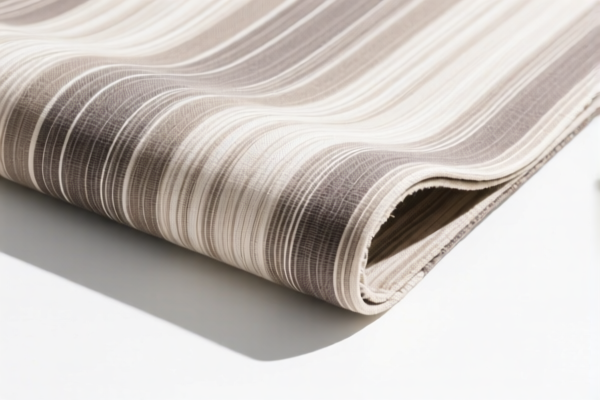
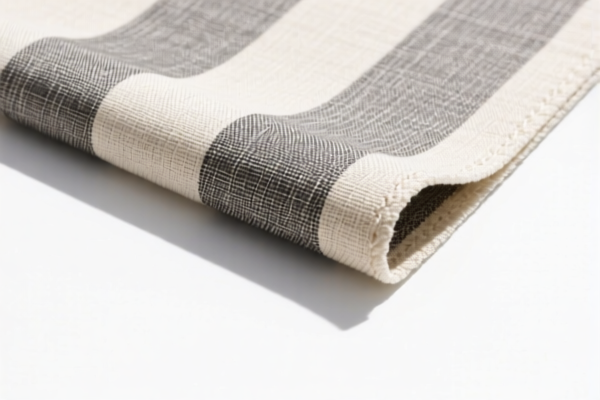
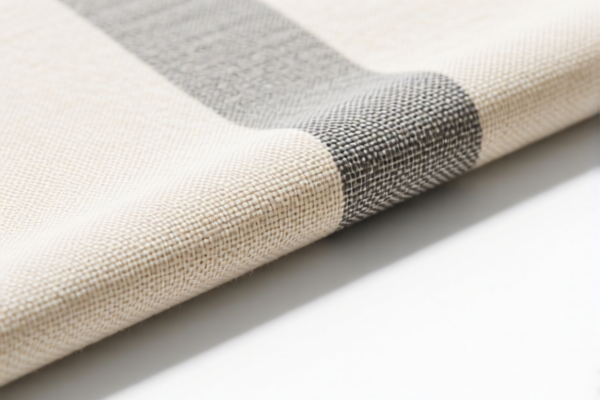
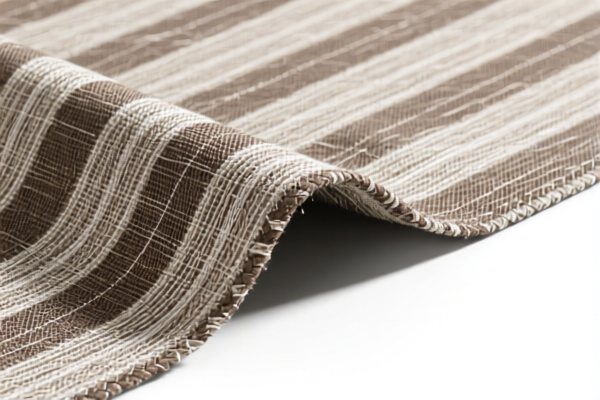
AI Analysis
🪑 Modal Short Fiber Blended Outdoor Furniture Fabric
🌐 HS Code Reference & Clearance Guide | 2026 Latest Tariff Analysis | Professional Customs Strategy
📌 I. Product Definition: What Exactly is "Modal Short Fiber Blended Outdoor Furniture Fabric"?
This product is a specialized textile used primarily for outdoor furniture covers, cushions, and upholstery. Its key characteristics are: 1. Material: A blend involving Modal (a semi-synthetic fiber made from cellulose, often derived from beech trees) mixed with other fibers (such as polyester, cotton, or acrylic) to enhance durability, weather resistance, and comfort. 2. Form: It is in the form of fabric (woven or knitted), not a finished furniture item. 3. Application: Specifically designed for outdoor use, implying treatments for UV resistance, mildew resistance, or water repellency, but classified based on its fabric nature, not its end-use furniture function.
⚠️ Critical Classification Logic:
- The classification depends heavily on the primary fiber content and the manufacturing process (woven vs. non-woven, coated vs. uncoated). - Modal is considered a viscose/rayon type (cellulosic), but legally it often falls under synthetic or artificial filament yarns depending on whether it is short-staple or filament. - If it is a blended fabric, we look at the ** predominant fiber by weight. If Modal/Polyester mix, it often falls under Chapter 54 (Filament) or Chapter 55** (Staple/Fiber).
📦 II. HS Code Classification Details (2026 Latest Tariff Authority Comparison)
Based on the provided data, here are the five most likely HS Codes for this specific blended fabric, along with the reasoning for each.
| HS Code | Product Description & Reasoning | Total Tax Rate | Tax Breakdown |
|---|---|---|---|
| 5407.82.00.90 | Blended Fabric (Synthetic + Cotton/Non-Synthetic) • Material: Synthetic fibers (Modal is often treated here if filament) mixed with Cotton or other non-synthetic fibers. • Form: Fabric. • Reasoning: Best fit if the blend includes natural fibers like cotton or linen alongside the synthetic modal/polyester component. |
49.9% | Base: 14.9% Trade War: 25.0% Section 122: 10% |
| 5903.90.25.00 | Coated/Impregnated Artificial Fiber Fabric • Material: Polyester (Artificial/Synthetic fiber). • Form: Fabric with surface covering or impregnation. • Reasoning: Crucial for Outdoor Use. If the fabric is coated with PVC, PU, or acrylic to make it waterproof/UV resistant, it falls under Chapter 59. This is very common for outdoor furniture fabrics. |
42.5% | Base: 7.5% Trade War: 25.0% Section 122: 10% |
| 5515.19.00.90 | Other Synthetic Staple Fiber Fabrics • Material: Polyester (Synthetic). • Form: Woven fabric of synthetic staple fibers. • Reasoning: If the Modal/Polyester is in short-staple form (not continuous filament) and woven, this is the general "other synthetic fabric" code. |
47.0% | Base: 12.0% Trade War: 25.0% Section 122: 10% |
| 5515.11.00.90 | Polyester Staple Fiber Blends • Material: Polyester fibers (Primary). • Form: Woven fabric of synthetic staple fibers. • Reasoning: Specifically for blends where Polyester is the dominant fiber mixed with other materials (including Modal/Viscose staples). |
49.9% | Base: 14.9% Trade War: 25.0% Section 122: 10% |
| 5407.81.00.90 | Other Woven Fabrics of Synthetic Filament Yarns • Material: Synthetic fibers. • Form: Woven fabric. • Reasoning: If Modal is in filament form (continuous) and blended with other synthetics, this is a broad category for "other" synthetic woven fabrics. |
49.9% | Base: 14.9% Trade War: 25.0% Section 122: 10% |
🔍 Key Distinction:
- Coated vs. Uncoated: If the fabric has a plastic/rubber coating for weather resistance, 5903.90.25.00 is the most accurate and often has a lower base tariff (7.5%). - Staple vs. Filament: If the fibers are cut short (like cotton), it’s Chapter 55. If they are long continuous strands, it’s Chapter 54.
💰 III. 2026 Latest Tariff Rate Detail (Including Surcharges & Policies)
✅ Applicable Country: United States (US)
✅ Origin: China (CN)
✅ Effective Date: 2025/2026 Import Cycle
🎯 1. 5903.90.25.00 – Coated Artificial Fiber Fabric (⭐ Recommended for Outdoor Fabrics)
| Item | Detail |
|---|---|
| Base Tariff | 7.5% (Ad Valorem) |
| Section 301 Tariff | +25% (USITC Footnote) |
| Section 122 Tariff | +10% (USITC Footnote) |
| Total Effective Rate | 42.5% |
| Calculation | CIF Value × 42.5% |
| De Minimis Exemption | ❌ NOT Eligible (Deny De Minimis for Chinese textiles) |
| Legal Path | USITC:5903.90.25.00 → SECTION301:9903.88.01 → SECTION122:9903.03.02 |
📌 Explanation:
- This code is often preferred for outdoor furniture fabrics because the base rate (7.5%) is significantly lower than the 14.9% in other codes. - Requirement: The fabric must have a surface covering of plastic or rubber (e.g., PVC, PU, Acrylic) that gives it weather resistance.
🎯 2. 5407.82.00.90 & 5407.81.00.90 – Synthetic Blended Filament Fabric
| Item | Detail |
|---|---|
| Base Tariff | 14.9% (Ad Valorem) |
| Section 301 Tariff | +25% (USITC Footnote) |
| Section 122 Tariff | +10% (USITC Footnote) |
| Total Effective Rate | 49.9% |
| Calculation | CIF Value × 49.9% |
| De Minimis Exemption | ❌ NOT Eligible |
| Legal Path | USITC:5407.82.00.90 → SECTION301:9903.88.01 → SECTION122:9903.03.02 |
📌 Note:
- Higher base rate (14.9%) makes this more expensive if the fabric is uncoated. - Use only if the fabric is a pure fabric weave without significant coating.
🎯 3. 5515.19.00.90 & 5515.11.00.90 – Synthetic Staple Fiber Fabric
| Item | Detail |
|---|---|
| Base Tariff | 12.0% (19.0) or 14.9% (11.0) |
| Section 301 Tariff | +25% (USITC Footnote) |
| Section 122 Tariff | +10% (USITC Footnote) |
| Total Effective Rate | 47.0% (19) or 49.9% (11) |
| Calculation | CIF Value × Rate |
| De Minimis Exemption | ❌ NOT Eligible |
| Legal Path | USITC:5515.19.00.90 → SECTION301:9903.88.01 → SECTION122:9903.03.02 |
📌 Note:
- If the fabric is made of short fibers (not filament) and is uncoated, this is the correct category. - 15.19 (47.0%) is better than 15.11 (49.9%) if it’s a "other" blend.
🛠️ IV. Clearance Practical Advice (Battle-Tested Pitfall Guide)
✅ 1. Required Documentation Checklist
| Document | Mandatory? | Purpose |
|---|---|---|
| ✅ Product Specification Sheet | ✔️ | Must detail fiber composition (e.g., 50% Modal, 50% Polyester) and weight (GSM). |
| ✅ Technical Data Sheet (TDS) | ✔️ | Must confirm if the fabric is coated (for HS 5903) or uncoated (for HS 54/55). |
| ✅ Commercial Invoice | ✔️ | Clearly state "Woven/Crocheted/Knitted Fabric" and "For Outdoor Furniture Use". |
| ✅ Packing List | ✔️ | Show dimensions and roll lengths. |
| ✅ Certification of Origin | ✔️ | Required for Section 301 & 122 duty assessment. |
| ✅ Photo of Fabric Surface | ✔️ | Proof of coating (glossy/plastic look) vs. raw weave. |
✅ 2. Classification Strategy (Key Mnemonic)
🔥 "Coated is 5903, Uncoated is 54/55; Blends raise the rate, Coating lowers it!"
| Scenario | Correct HS Code | Why? | Risk of Misclassification |
|---|---|---|---|
| Outdoor Fabric with PVC/PU Coating | 5903.90.25.00 |
Coated artificial fiber fabric. Lowest base rate (7.5%). | Misclassifying as uncoated fabric leads to higher tax (42.5% vs 49.9%). |
| Uncoated, Filament Blend (Modal+Poly) | 5407.82.00.90 |
Synthetic filament woven fabric. | If it’s actually coated, customs may reclassify and penalize. |
| Uncoated, Staple Fiber Blend | 5515.19.00.90 |
Synthetic staple fiber woven fabric. | If it’s filament, it falls under Chapter 54 (different base rate). |
| High-End Soft Touch (No Coating) | 5407.81.00.90 |
Other synthetic filament fabric. | Often used for premium "soft" outdoor fabrics without heavy plastic coating. |
✅ 3. Special Handling Tips
| Situation | Action |
|---|---|
| Modal vs. Polyester Dominance | If Modal > Polyester, check if Modal is treated as "Viscose" (Chapter 55) or "Synthetic" (Chapter 54). Usually, Modal is grouped with Viscose/Artificial filaments. |
| Water Repellent Treatment | If only chemical water repellent (no coating), it is NOT HS 5903. It remains HS 54 or 55. Only physical coating (PVC/PU) qualifies for 5903. |
| Customs Audit Risk | Customs often audits HS 5903 because it has a lower base rate. Ensure you have lab test results proving the presence of a plastic/rubber coating. |
| Section 122 Duty | All these codes are subject to the 10% Section 122 duty on Chinese textiles. This is non-negotiable for China-origin goods. |
🌍 V. Global Market Comparison (2026 Update)
| Country/Region | Recommended HS Code | Base Tariff | Surcharges | Total Impact |
|---|---|---|---|---|
| 🇺🇸 USA | 5903.90.25.00 |
7.5% | +25% (301) +10% (122) | 42.5% |
| 🇺🇸 USA | 5407.82.00.90 |
14.9% | +25% (301) +10% (122) | 49.9% |
| 🇪🇺 EU | 5903.90.25.00 |
6.5% | No Section 301 | 6.5% |
| 🇨🇳 China | 5903.90.25.00 |
5.0% | No Surcharges | 5.0% |
| 🇬🇧 UK | 5903.90.25.00 |
6.5% | No Section 301 | 6.5% |
📌 Conclusion:
- USA is the most expensive market due to Section 301 and Section 122 tariffs. - HS 5903 offers the lowest total duty (42.5%) in the US compared to other options (47-49.9%). - Strategy: If your fabric has any form of plastic/rubber coating, always classify under HS 5903 to save 7.4% in duty compared to uncoated alternatives.
📌 VI. Common Errors & Pitfalls (Lessons Learned)
❌ Error 1: Classifying uncoated fabric as 5903 to save tax.
👉 Consequence: Customs will reject the classification, demand higher duty (49.9%), and impose penalties.
❌ Error 2: Misidentifying Modal as "Natural Fiber" (Cotton/Linen).
👉 Consequence: Modal is artificial/semi-synthetic. Misclassifying it as natural fiber (Chapter 52/54/55 errors) leads to incorrect base rates and potential audits.
❌ Error 3: Ignoring Section 122.
👉 Consequence: Forgetting the 10% Section 122 duty leads to underpayment. This duty applies to all textile imports from China, regardless of HS code.
✅ Correct Declaration Example:
"Woven Fabric, 50% Modal / 50% Polyester, Coated with Polyurethane for Outdoor Furniture Use, 300 GSM, Roll Form, China Origin"
🎯 VII. Conclusion: Optimize Your Duty Structure
🎯 Key Takeaway:
🔹 "Coated = 5903 = Lower Base Rate (7.5%)"
🔹 "Uncoated = 54/55 = Higher Base Rate (12-15%)"
🔹 "China Origin = Always add 25% (301) + 10% (122)"
📌 Pro Tip:
- If your outdoor fabric is uncoated, consider applying a light PU coating to qualify for HS 5903. The additional manufacturing cost of coating is often offset by the 7.4% duty savings and simplified classification.
- Always request a Pre-Import Ruling from CBP if the coating is ambiguous.
📣 Immediate Action:
📞 Verify Coating: Ask your supplier for the TDS. Is there a plastic/rubber layer?
📄 Document: Ensure your invoice explicitly states "Coated Artificial Fiber Fabric" if using HS 5903.
🚀 Optimize: Use HS 5903.90.25.00 to minimize your 42.5% total duty burden.
✨ Smart Classification, Smarter Savings!
💼 Every percentage point counts in global trade!
Customer Reviews
About HS Code Classification
The Harmonized System (HS) is an internationally standardized nomenclature developed by the World Customs Organization (WCO) to classify traded products. Over 200 countries use the HS system as the basis for customs tariffs, trade statistics, and import/export regulations.
Each HS code follows a hierarchical structure:
- Chapter (2 digits) — Broad category of goods (e.g., Chapter 84: Machinery and Mechanical Appliances)
- Heading (4 digits) — More specific grouping within the chapter
- Subheading (6 digits) — Internationally standardized breakdown, used by all WCO member countries
- National subdivisions (8-10 digits) — Country-specific extensions for further classification, such as US HTSUS 10-digit codes
Correct HS code classification is essential for smooth customs clearance, accurate duty payment, and compliance with trade regulations. Misclassification can lead to customs delays, overpayment of duties, or penalties.
When importing from CN to US, the applicable tariff rates may include:
- Most-Favored-Nation (MFN) rate — The standard duty rate applied to WTO members
- General rate — Applied to countries without trade agreements
- Trade remedy duties — Additional tariffs such as Section 301 (anti-dumping), Section 232 (national security), or countervailing duties
The information provided on this page is for reference purposes only. For official classification, please consult with your local customs authority or a licensed customs broker.