Modal Short Fiber Yarn
CN → US| HS Code | Tariff Rate | Origin | Destination | Doc |
|---|---|---|---|---|
| 5505200000 | 35.0% | CN | US | Official Doc |
| 5408312020 | 49.9% | CN | US | Official Doc |
| 5407922010 | 49.9% | CN | US | Official Doc |
| 5407912010 | 49.9% | CN | US | Official Doc |
Product Images
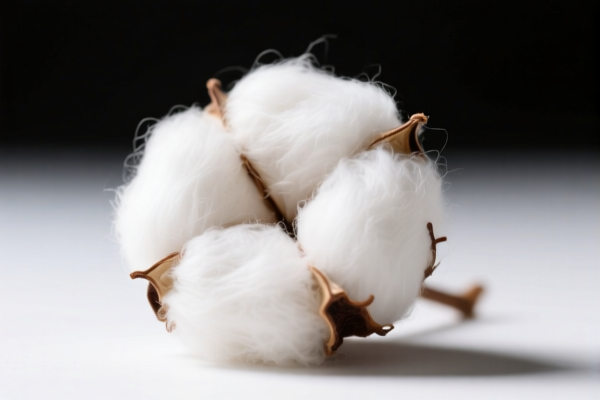
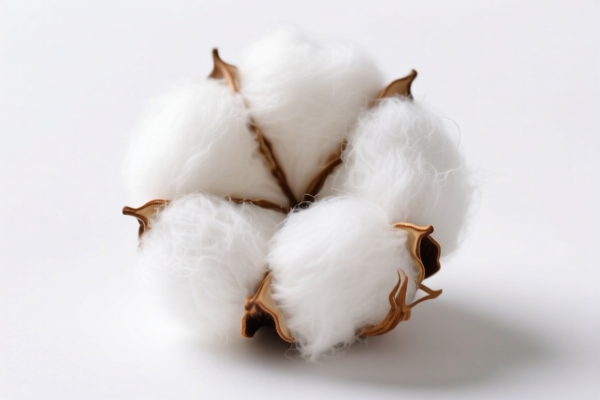
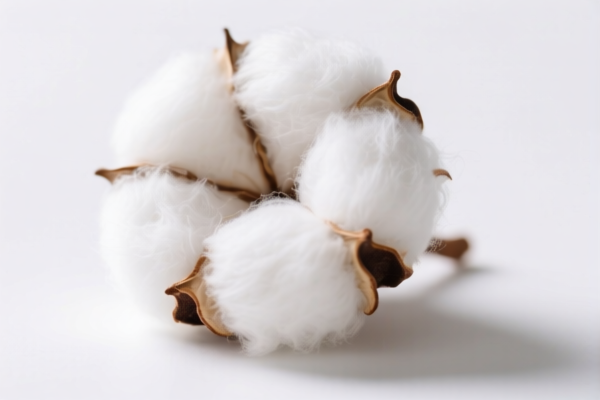
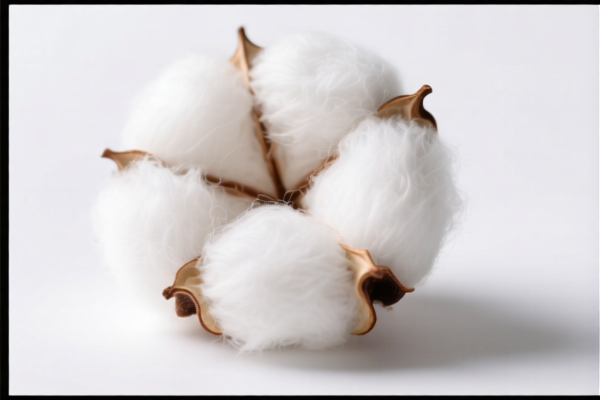
AI Analysis
🧵 Modal Short Fiber Yarn (Modal Blended Cable Yarn)
🌐 HS Code Reference & Customs Clearance Guide | 2026 Latest Tariff Analysis | Professional Entry Strategy for US Imports
📌 I. Product Definition & Classification: What Exactly is "Modal Short Fiber Yarn"?
Modal is a type of rayon, classified as a man-made fiber. In international trade, "Modal Short Fiber Yarn" (often referred to as Modal Blended Cable Yarn in specific contexts) refers to yarn spun from staple fibers (short fibers) of modal material, potentially blended with other fibers (e.g., cotton, polyester, or other synthetic fibers).
Key Distinction: * Staple Fiber Yarn (Short Fiber): Made from cut fibers (like cotton or wool), spun into continuous threads. This falls under Chapter 55. * Filament Yarn: Made from continuous long strands (like traditional rayon filament). This falls under Chapter 54.
⚠️ Critical Classification Point:
- If the product is yarn made from short fibers (staples) of modal → It belongs to Chapter 55 (Man-made Staple Fibers).
- If it were continuous filaments, it would be Chapter 54.
- Since the input explicitly states "Short Fiber", we strictly look at Chapter 55.
📦 II. HS Code Classification Details (2026 Latest Tariff Alignment)
Based on the provided <DATA>, there is one specific HS Code entry for the yarn itself, and three entries for fabrics (which are downstream products). For "Modal Short Fiber Yarn", only the first entry applies directly. The other three are for woven fabrics, which are processed goods, not raw yarn.
| HS Code | Product Description | Category | Relevant? For Yarn? |
|---|---|---|---|
5505.20.00.00 |
Modal Blended Cable Yarn, classified as man-made fiber yarn | Man-made Staple Fiber Yarn | ✅ YES (Direct Match) |
5408.31.20.20 |
Modal Staple Fiber Woven Fabric | Man-made Fiber Fabric | ❌ No (This is fabric, not yarn) |
5407.92.20.10 |
Modal Staple Fiber Woven Fabric or Blended Woven Fabric | Man-made Fiber Fabric | ❌ No (This is fabric, not yarn) |
5407.91.20.10 |
Modal Staple Fiber Blended Woven Fabric | Man-made Blended Fabric | ❌ No (This is fabric, not yarn) |
🔍 Key Reminder:
- HS Code5505.20.00.00is the only correct classification for Modal Short Fiber Yarn.
- The other three HS codes (5408...,5407...) refer to woven fabrics. Importing yarn under these codes would be a misclassification error, leading to severe penalties, delays, or seizure.
- Do not confuse Yarn (Chapter 55) with Fabric (Chapter 54/55 finished goods).
💰 III. 2026 Latest Tariff Rate Breakdown (Including Surtaxes & Policy Add-ons)
✅ Applicable Country: United States (US)
✅ Origin: China (CN)
✅ Effective Time: 2025/2026 (Current Trade Environment)
🎯 1. 5505.20.00.00 —— Modal Blended Cable Yarn (Man-made Staple Fiber Yarn)
| Item | Content |
|---|---|
| Base Tariff Rate | 0.0% (ad valorem) |
| Section 301 Surtax | +25.0% (From USITC Footnote 9903.88.01 / Trade Act) |
| Section 122 Tariff | +10.0% (Specific US Policy Add-on) |
| Total Tax Rate | 35.0% |
| Tax Calculation | CIF Value × 35% |
| De Minimis Eligibility | ❌ No (denied_de_minimis) |
| Legal Basis Path | USITC:5505.20.00.00 → FOOTNOTE:301 → POLICY:122 |
📌 Explanation:
- "Base Tariff 0%": The standard USMFN (Most Favored Nation) rate for many man-made staple fiber yarns is low or zero.
- "Section 301 Surtax 25%": This is the significant tariff imposed on Chinese goods under the Trump-era Trade Act, largely maintained by subsequent administrations. It applies broadly to textile fibers and yarns from China.
- "Section 122 Tariff 10%": A specific additional tariff based on US domestic policy (often related to national security or specific trade remedies).
- Total 35%: This is a high effective tariff rate. Importers must factor this into their landed cost calculations immediately.🚨 Important Note:
- The other HS codes in the data (5408.31.20.20, etc.) have a 49.9% total tax rate (14.9% base + 25% + 10%).
- Do not use these rates for yarn. Using them would overestimate your costs if you are importing yarn, or worse, misdeclare the product if you are importing fabric.
- For Yarn: Stick strictly to 35%.
🛠️ IV. Customs Clearance Practical Advice (Real-World Pitfall Avoidance)
✅ 1. Required Documentation Checklist (Non-Negotiable)
| Document | Must Provide | Description |
|---|---|---|
| ✅ Product Specification Sheet | ✔️ | Detailed composition: % Modal, % Cotton, % Polyester, etc. |
| ✅ Fiber Type Declaration | ✔️ | Explicitly state "Staple Fiber" (Short Fiber) vs. "Filament". This is critical for HS Code 55xx vs 54xx. |
| ✅ Commercial Invoice | ✔️ | Must clearly describe "Modal Blended Cable Yarn", HS Code 5505.20.00.00. |
| ✅ Packing List | ✔️ | Include net/gross weight, bundle counts, dimensions. |
| ✅ Origin Certificate (CO) | ✔️ | Required for Section 301 determination. If not Chinese origin, rates may differ. |
| ✅ Test Report (Optional but Recommended) | ✔️ | Proof of fiber composition from a third-party lab (e.g., SGS, BV). |
✅ 2. Declaration Tips (Key Mnemonics)
🔥 “Short Fiber goes to 55, Filament goes to 54. Name it right, or pay the price!”
| Scenario | Correct Declaration | Wrong Practice |
|---|---|---|
| Yarn made from cut modal fibers | 5505.20.00.00 (35% tax) |
Misdeclare as fabric 5407... → 49.9% tax + Misclassification penalty |
| Yarn made from continuous filament modal | 5406... (Different HS Code, different tax) |
Misdeclare as Staple Fiber 5505... → Under-declaration risk |
| Fabric made from modal yarn | 5408... or 5407... (49.9% tax) |
Misdeclare as Yarn 5505... → Severe underpayment penalty |
| Cotton-Modal Blend Yarn | 5505.20.00.00 (if modal is primary) |
Split declaration → Complex scrutiny |
✅ 3. Special Circumstances Handling
| Situation | Handling Advice |
|---|---|
| Blended Yarn (e.g., 50% Modal, 50% Cotton) | Ensure the description states "Modal Blended". HS Code 5505 covers "other man-made staple fiber yarn". Check specific subheadings for blend ratios if stricter rules apply. |
| Color vs. Unbleached | Coloration does not change the HS Code for yarn (5505), but ensure invoice reflects accurate value. |
| OEM/Private Label | Provide customer POs. Avoid generic names like "Textile Yarn". Use "Modal Staple Fiber Yarn". |
| Re-imports or Returns | If goods were previously exported and returned, apply for duty drawbacks if eligible. |
🌍 V. Global Market Clearance Comparison (2026 Latest)
| Country/Region | Recommended HS Code | Tariff (China Origin) | Certification Requirements | Notes |
|---|---|---|---|---|
| 🇺🇸 USA | 5505.20.00.00 |
35% (0% Base + 25% + 10%) | No specific tech cert, but strict origin docs | High tariff burden. De Minimis ($800) NOT applicable. |
| 🇨🇳 China | 5505.20.00.00 |
~5-8% (Import Duty) | None | Low tariff for imported yarn into China. |
| 🇪🇺 EU | 5509.53 or similar |
~4-8% | None | No Section 301 equivalent. Lower total cost than US. |
| 🇬🇧 UK | 5509.53 |
~4-8% | None | Post-Brexit, similar to EU. |
| 🇯🇵 Japan | 5509.53 |
~0-6% | None | FTA benefits may apply if origin is Japan/ASEAN. |
📌 Conclusion:
- The US market is significantly more expensive for Chinese-origin modal yarn due to the 35% total tariff.
- EU, UK, and Japan offer much more competitive tariff structures (~4-8%).
- Strategy: If targeting the US, consider supply chain diversification (sourcing yarn from Vietnam, India, or Turkey) to avoid Section 301 and Section 122 tariffs.
📌 VI. Common Errors & Pitfall Guide (Blood & Tears Lessons)
❌ Error 1: Misclassifying Staple Fiber Yarn as Filament Yarn or Fabric
👉 Consequence: If you import yarn but declare it as fabric (5407...), you pay 49.9% instead of 35%. If you declare it as filament (54...), you risk penalties for misdescription because staple and filament are chemically different in manufacturing.
❌ Error 2: Ignoring the "Short Fiber" (Staple) distinction
👉 Consequence: Modal filament yarn falls under Chapter 54 (e.g., 5402...). Modal staple yarn falls under Chapter 55 (5505...). Mixing these up leads to incorrect HS Code selection and potential audit flags.
❌ Error 3: Assuming De Minimis ($800) applies
👉 Consequence: Section 301 goods are excluded from De Minimis. Even small shipments of modal yarn from China are subject to the 35% tax. Do not ship via postal小包 (small packages) to evade; CBP is cracking down on this.
❌ Error 4: Vague Description on Invoice
👉 Consequence: "Textile Yarn" is too vague. Customs will request more info, causing delays. Always use: "Modal Staple Fiber Blended Yarn, HS 5505.20.00.00".
✅ Correct Practice:
"Modal-Cotton Blended Staple Fiber Yarn, 40s, Knitting Yarn, Made in China, HS Code: 5505.20.00.00"
🎯 VII. Conclusion: Professional Declaration Saves Money
🎯 Remember the Mantra:
🔹 “Short Fiber = Chapter 55, Filament = Chapter 54.”
🔹 “China + Textile Yarn = 35% Tax in US.”
🔹 “Never use Fabric HS Codes for Yarn Imports!”
📌 Pro Tip:
If your Modal Yarn originates from Vietnam, India, or Turkey, you may be eligible for 0%~4% tariffs in the US (depending on FTAs or general MFN rates without Section 301).
👉 Action: Verify the Country of Origin carefully. Even if the brand is global, the manufacturing location determines the tax rate.
📣 Immediate Action:
📞 Contact a licensed customs broker.
📝 Provide Fiber Composition Report (Modal % vs. Other %).
🚀 Verify Origin: Is it China? If yes, budget for 35%. If not, apply for preferential treatment.
✨ Professional clearance starts with accurate classification!
💼 Your profit margin depends on precise tariff calculation!
Customer Reviews
About HS Code Classification
The Harmonized System (HS) is an internationally standardized nomenclature developed by the World Customs Organization (WCO) to classify traded products. Over 200 countries use the HS system as the basis for customs tariffs, trade statistics, and import/export regulations.
Each HS code follows a hierarchical structure:
- Chapter (2 digits) — Broad category of goods (e.g., Chapter 84: Machinery and Mechanical Appliances)
- Heading (4 digits) — More specific grouping within the chapter
- Subheading (6 digits) — Internationally standardized breakdown, used by all WCO member countries
- National subdivisions (8-10 digits) — Country-specific extensions for further classification, such as US HTSUS 10-digit codes
Correct HS code classification is essential for smooth customs clearance, accurate duty payment, and compliance with trade regulations. Misclassification can lead to customs delays, overpayment of duties, or penalties.
When importing from CN to US, the applicable tariff rates may include:
- Most-Favored-Nation (MFN) rate — The standard duty rate applied to WTO members
- General rate — Applied to countries without trade agreements
- Trade remedy duties — Additional tariffs such as Section 301 (anti-dumping), Section 232 (national security), or countervailing duties
The information provided on this page is for reference purposes only. For official classification, please consult with your local customs authority or a licensed customs broker.