Modal Short Staple Yarn
CN → US| HS Code | Tariff Rate | Origin | Destination | Doc |
|---|---|---|---|---|
| 5408312020 | 49.9% | CN | US | Official Doc |
| 5407922010 | 49.9% | CN | US | Official Doc |
| 5407922010 | 49.9% | CN | US | Official Doc |
| 5407912010 | 49.9% | CN | US | Official Doc |
| 5505200000 | 35.0% | CN | US | Official Doc |
Product Images

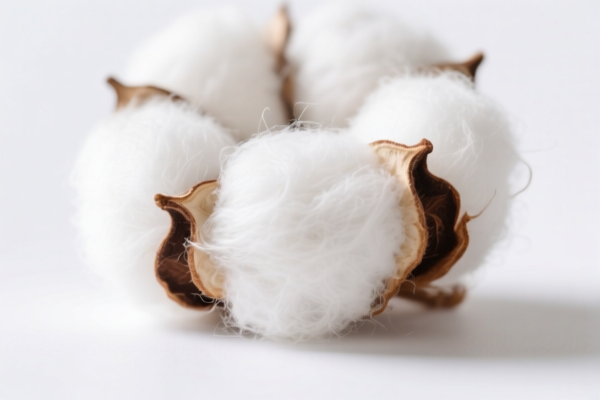
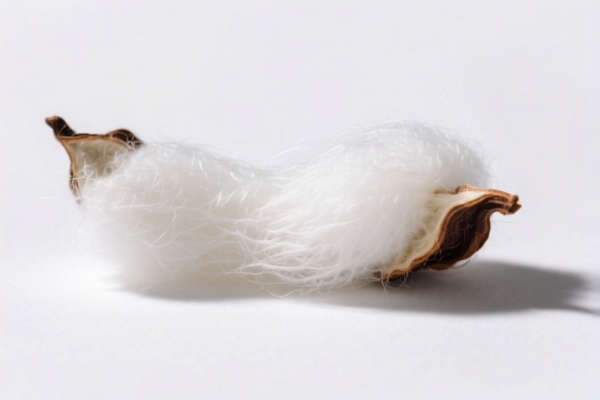
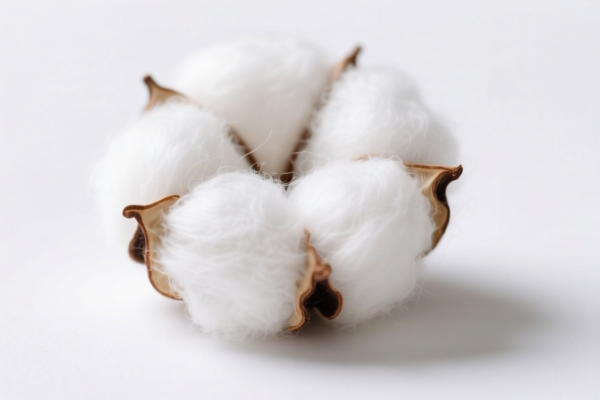
AI Analysis
🧵 Modal Short Staple Yarn & Fabrics: The "Bamboo Alternative" Tax Trap
🌐 HS Code Reference & Customs Clearance Guide | 2026 Latest Tariff Analysis | High-Risk Commodity Alert
📌 I. Product Definition & Classification: What is "Modal Short Staple"?
Modal is a type of rayon made from beech tree pulp, known for its extreme softness, high moisture absorption, and draping qualities. In international trade, classification depends strictly on the form of the product:
Yarn (Yarn): Thread-like products used for knitting or weaving.
Fabric (Fabric): Woven or knitted textiles ready for garment manufacturing.
⚠️ Critical Distinction:
- Short Staple (短纤): Indicates the fibers are cut to specific lengths (like cotton or wool processing) rather than filament. This triggers specific HS chapters (54 or 55) depending on the blend.
- Modal vs. Viscose: Although both are rayon, Modal is often classified under specific subheadings within viscose rayon categories due to its specific production process, but legally it falls under Section XI (Textiles).
📦 II. HS Code Classification Matrix (2026 Data Analysis)
Based on the provided dataset, here are the exact HS codes and their corresponding tax structures for Modal Short Staple products. Note that all entries are subject to high punitive tariffs due to Section 301 and Section 122 measures.
| HS Code | Product Description (Summary) | Form Factor | Key Characteristic |
|---|---|---|---|
5408.31.20.20 |
Modal Short Staple Woven Fabric (Garments) | Woven Fabric | Ready for apparel cutting |
5407.92.20.10 |
Modal Short Staple Woven Fabric (Garments) | Woven Fabric | Specific blend subset |
5407.92.20.10 |
Modal Short Staple Blended Woven Fabric | Woven Fabric | Mixed fiber content |
5407.91.20.10 |
Modal Short Staple Blended Woven Fabric | Woven Fabric | Different blend ratio |
5505.20.00.00 |
Modal Blended Cordage Yarn | Yarn/Thread | Used for ropes, cords, or specific textile threads |
🔍 重点提醒 (Key Reminder):
- The dataset lists two different HS codes for similar descriptions (5407.92.20.10and5407.91.20.10). This usually reflects differences in fiber composition percentages (e.g., % Modal vs. % Polyester/Cotton) or weave density.
-5505.20.00.00is the only entry for Yarn/Cordage. All others are Fabrics. Misclassifying yarn as fabric (or vice versa) can lead to customs holds.
💰 III. 2026 Tariff Rate Breakdown (The "High Tax" Reality)
✅ Jurisdiction: United States (US) Import
✅ Origin: China (CN)
✅ Status: High-Risk Category for Additional Duties
For ALL HS Codes listed above, the tax structure is identical. Do not assume lower rates based on the HS code prefix; the punitive tariffs apply uniformly.
🎯 1. Universal Tax Structure for Modal Short Staple Products
| Tax Component | Rate | Legal Basis |
|---|---|---|
| Base Duty (MFN) | 14.9% | Standard Most Favored Nation rate for textiles |
| Section 301 Surcharge | 25.0% | "Trade Act of 1974" Section 301 – Retaliatory tariffs |
| Section 122 Tariff | 10.0% | Specific trade remedy measures (often associated with recent executive orders) |
| TOTAL EFFECTIVE RATE | 49.9% | Additive Calculation |
📌 Detailed Explanation:
- 14.9% Base: This is the standard WTO-consistent duty for man-made fiber fabrics/yarns.
- 25% Section 301: This is the major cost driver. Almost all Chinese textile inputs are subject to this.
- 10% Section 122: This is an additional layer on top of Section 301. It is not a replacement but an addition.
- Total 49.9%: This is an extremely high effective tariff rate. It significantly impacts profit margins and competitive pricing.
📊 Tax Calculation Example
| Item | CIF Value (Cost, Insurance, Freight) | Tariff Calculation | Total Duty Payable |
|---|---|---|---|
| Modal Fabric (HS 5407.92.20.10) | $10,000 | $10,000 × 49.9% | $4,990 |
| Modal Yarn (HS 5505.20.00.00) | $10,000 | $10,000 × 35.0%* | $3,500 |
Note: The dataset shows
5505.20.00.00has a Base Rate of 0.0%, resulting in a total of 35.0% (25% + 10%). All other entries have a 14.9% base, resulting in 49.9%.
🛠️ IV. Customs Clearance Practical Advice
✅ 1. Documentation Checklist (Must-Haves)
| Document | Requirement | Why It Matters |
|---|---|---|
| Commercial Invoice | Must clearly state "Modal Short Staple Woven Fabric" or "Modal Blended Yarn" | Prevents misclassification as generic "Cotton" or "Polyester" |
| Composition Statement | Detailed % of Modal, Polyester, Cotton, Spandex, etc. | Determines if you fall under 5407.91 vs 5407.92 |
| Mill Test Report | Fiber composition analysis from the factory | Proves the fiber content for HS code accuracy |
| Bill of Lading | Consistent description with invoice | Mismatches trigger audits |
| Section 301 Exclusion Proof | If applicable, provide exclusion list number | Crucial: Most textile exclusions have expired; verify current status |
✅ 2. Classification Strategy (Avoiding the "Yarn vs. Fabric" Trap)
| Scenario | Correct HS Code | Risk if Wrong |
|---|---|---|
| Rolls of woven textile for cutting into shirts/pants | 5407.92.20.10 or 5408.31.20.20 |
If declared as yarn, customs may reject; if declared as fabric but is yarn, delayed clearance |
| Spools of thread for knitting or industrial use | 5505.20.00.00 |
Lower tax (35%) vs Fabric (49.9%). Ensure it is truly yarn, not fabric cut into strips |
| Blended Fabrics | 5407.91.20.10 or 5407.92.20.10 |
Depends on the principal fiber. If Modal > 50%, it’s rayon-based. If < 50%, check blending rules |
✅ 3. Cost Optimization & Risk Mitigation
- Verify "Section 122" Status: This 10% surcharge is relatively new or specific to certain trade actions. Confirm with your broker if it applies to your specific entry date.
- Don’t Ignore the 0% Base Case: For
5505.20.00.00(Yarn), the base duty is 0%. This makes it 14.9% cheaper than fabrics (49.9% vs 35.0%). If your end-use allows, consider if the product can be imported as yarn first and woven domestically (subject to "further processing" rules). - Origin Marking: Ensure products are clearly marked "Made in China" to avoid penalties for country-of-origin fraud, which can double your fines.
🌍 V. Global Market Comparison (2026)
| Market | HS Code Focus | Tariff Impact on Chinese Modal | Key Requirement |
|---|---|---|---|
| 🇺🇸 USA | 5407 / 5408 / 5505 |
Very High (35% - 49.9%) | Section 301 + 122 Compliance |
| 🇨🇳 China | 5407 / 5408 |
Low (~5-14.9%) | Import Duties |
| 🇪🇺 EU | 5407 / 5408 |
Moderate (0-12%) | REACH, OEKO-TEX certification |
| 🇬🇧 UK | 5407 / 5408 |
Moderate (0-12%) | Post-Brexit Trade Rules |
📌 Conclusion for US Importers:
The US market is currently prohibitive for Modal Short Staple imports from China due to the 49.9% total tax.
- Recommendation: Explore sourcing from Vietnam, Bangladesh, or India if possible, to avoid Section 301/122 tariffs.
- Alternative: If sourcing from China, factor in the ~50% cost increase into your pricing model.
📌 VI. Common Mistakes & Pitfalls (Lessons Learned)
❌ Mistake 1: Assuming "Modal" is treated as "Cotton"
👉 Result: Cotton has different HS codes and lower tariffs. Misclassification leads to penalties + back duties.
❌ Mistake 2: Confusing "Filament" with "Short Staple"
👉 Result: Filament fabrics (long continuous threads) have different HS codes (e.g., 5407.61). Short staple (cut fibers) are more expensive to classify and often taxed higher due to specific trade remedies.
❌ Mistake 3: Ignoring the "Section 122" 10%
👉 Result: Many brokers only calculate Section 301 (25%) + Base (14.9%) = 39.9%. Missing the extra 10% leads to budget shortfalls.
✅ Correct Action:
Always declare: "Modal Rayon Short Staple Woven Fabric, Blend: 55% Modal / 45% Polyester, For Garment Use, Origin: China"
This specificity helps customs classify correctly under5407.92.20.10and assess the 49.9% tax accurately.
🎯 VII. Final Verdict: Is It Worth Importing?
🎯 Financial Reality:
- Fabric (HS 5407/5408): 49.9% Total Tax.
- Yarn (HS 5505): 35.0% Total Tax.
Strategic Advice:
If you are importing finished garments, consider buying fabrics and adding the cost.
If you are a knitter, importing yarn (5505.20.00.00) saves you 14.9% in duties compared to importing woven fabric.
However, both are significantly more expensive than pre-2018 rates.
📣 Immediate Action:
- Confirm if your supplier can provide Section 301 Exclusion (rare for textiles now).
- Calculate landed cost using 49.9% for fabric and 35.0% for yarn.
- Consider Nearshoring (Vietnam/Mexico) to bypass US tariffs.
✨ Professional Customs Clearance Starts with Accurate HS Codes!
💼 Don’t let a 0.1% classification error cost you 50% in taxes.
Customer Reviews
About HS Code Classification
The Harmonized System (HS) is an internationally standardized nomenclature developed by the World Customs Organization (WCO) to classify traded products. Over 200 countries use the HS system as the basis for customs tariffs, trade statistics, and import/export regulations.
Each HS code follows a hierarchical structure:
- Chapter (2 digits) — Broad category of goods (e.g., Chapter 84: Machinery and Mechanical Appliances)
- Heading (4 digits) — More specific grouping within the chapter
- Subheading (6 digits) — Internationally standardized breakdown, used by all WCO member countries
- National subdivisions (8-10 digits) — Country-specific extensions for further classification, such as US HTSUS 10-digit codes
Correct HS code classification is essential for smooth customs clearance, accurate duty payment, and compliance with trade regulations. Misclassification can lead to customs delays, overpayment of duties, or penalties.
When importing from CN to US, the applicable tariff rates may include:
- Most-Favored-Nation (MFN) rate — The standard duty rate applied to WTO members
- General rate — Applied to countries without trade agreements
- Trade remedy duties — Additional tariffs such as Section 301 (anti-dumping), Section 232 (national security), or countervailing duties
The information provided on this page is for reference purposes only. For official classification, please consult with your local customs authority or a licensed customs broker.