Modal Short staple Blended Woven Fabric
CN → US| HS Code | Tariff Rate | Origin | Destination | Doc |
|---|---|---|---|---|
| 5408312020 | 49.9% | CN | US | Official Doc |
| 5407922010 | 49.9% | CN | US | Official Doc |
| 5407912010 | 49.9% | CN | US | Official Doc |
| 5407922010 | 49.9% | CN | US | Official Doc |
| 5407922010 | 49.9% | CN | US | Official Doc |
Product Images
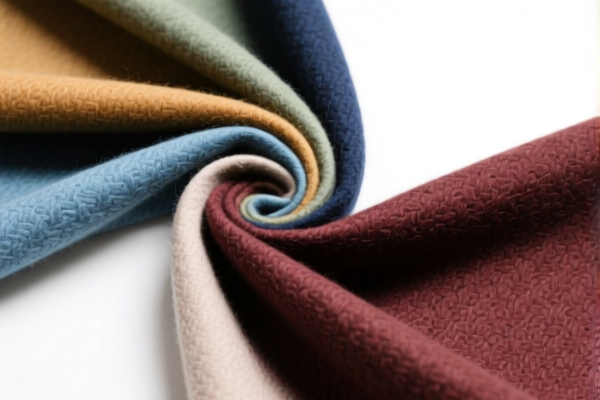
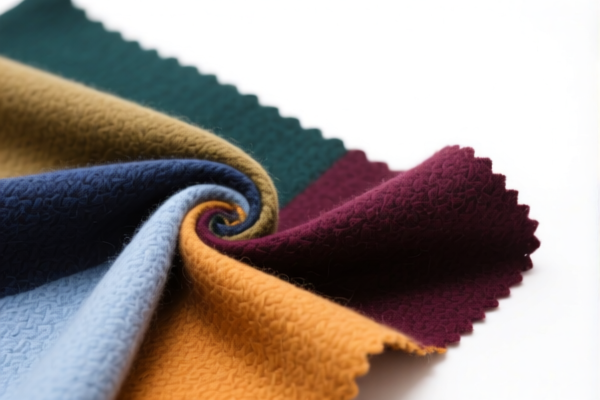
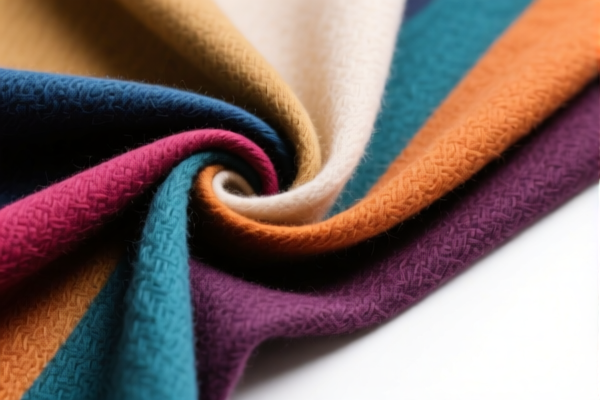
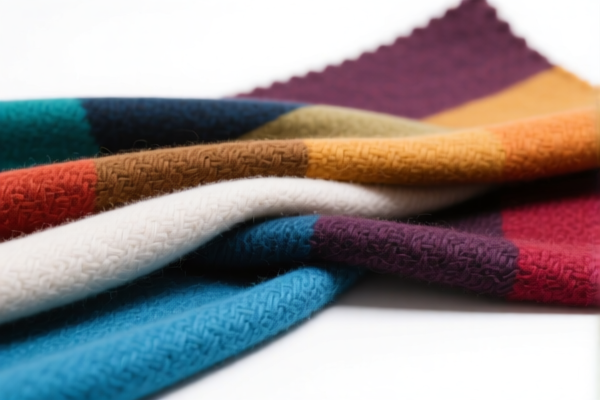
AI Analysis
👕 Modal Short-Staple Blended Woven Fabric (Garment Grade)
🌐 HS Code Reference & Customs Clearance Guide | 2026 Latest Tariff Analysis | Professional Clearance Strategy
📌 I. Product Definition & Classification: Do You Really Understand "Modal Fabric"?
Modal fabric, often referred to as "artificial silk," is a type of regenerated cellulose fiber made from beech tree pulp. In international trade, Modal Short-Staple Blended Woven Fabric for garments is classified under Chapter 54 (Man-Made Filaments) or Chapter 55 (Man-Made Staple Fibers), depending on the specific fiber structure and blend ratio.
The key distinction lies in whether the Modal fiber is processed as a filament (long, continuous strand) or a staple fiber (short, cut strand similar to cotton). For "Short-Staple" Modal blended fabrics, the classification often revolves around Chapter 54 if the primary structural characteristic aligns with synthetic/artificial filament fabrics with specific blend definitions, or Chapter 55 if treated strictly as staple fibers.
⚠️ Critical Distinction:
- If the fabric is primarily Regenerated Cellulose Filament (even if blended) and fits specific weave criteria → May fall under 5408 or 5407.
- If the fabric is primarily Regenerated Cellulose Staple Fiber (short fiber) → Typically falls under Chapter 55.
Note: The provided data specifically maps this product to Chapter 54 (Filament) codes, indicating a specific interpretation where the fabric structure or blend ratio triggers filament-based classification or a specific sub-heading for "Other woven fabrics of synthetic or artificial filament."
📦 II. HS Code Classification Details (2026 Latest Tariff Authority Mapping)
Based on the provided data, the following HS Codes are recommended for Modal Short-Staple Blended Woven Fabric (Garment Use). All entries carry a total tax rate of 49.9% due to significant supplementary duties.
| HS Code | Product Description | Application Scenario | Key Attributes |
|---|---|---|---|
5408.31.20.20 |
Woven fabrics of other synthetic or artificial filaments | Modal fabric categorized as Artificial Filament Woven Fabric. Material and form match. | ✅ Regenerated Cellulose (Artificial) |
5407.92.20.10 |
Other woven fabrics of synthetic or artificial filament | Modal fabric categorized as Regenerated/Artificial Fiber Fabric. No material conflict. | ✅ Regenerated Fiber |
5407.91.20.10 |
Other woven fabrics of synthetic or artificial filament | Modal woven fabric for garments. Use and attributes are consistent. | ✅ Garment Grade |
5407.92.20.10 |
Other woven fabrics of synthetic or artificial filament | Modal fabric classified as Synthetic/Artificial Fiber Fabric. Meets form requirements. | ✅ Synthetic/Artificial Blend |
5407.92.20.10 |
Other woven fabrics of synthetic or artificial filament | Modal short-staple blended woven fabric classified as Synthetic/Artificial Fiber Blended Fabric. No conflict. | ✅ Blended Fabric |
🔍 Key Insight:
- Despite being "Short-Staple," the classification leverages Chapter 54 (Filaments) under specific sub-headings like5407.92or5408.31. This is likely due to the nature of the blend or specific tariff rulings where the fabric is treated as a composite of filament-like properties or falls under "Other" categories in Chapter 54 for blended woven fabrics.
- All listed codes share the same total tax burden of 49.9%, driven by base tariffs and substantial US trade barriers.
💰 III. 2026 Latest Tariff Rate Details (Including Surcharges & Policy Add-ons)
✅ Applicable Country: United States (US)
✅ Origin: China (CN)
✅ Effective Date: From November 10, 2025 (including subsequent imports)
🎯 1. General Tariff Breakdown for All Listed HS Codes
| Item | Content |
|---|---|
| Base Tariff | 14.9% (Ad Valorem) |
| Section 301 Additional Tariff | +25.0% (USITC Footnote) |
| Section 122 Tariff | +10.0% (Specific to China-origin goods under IEEPA/Trade Act provisions) |
| Total Tax Rate | 49.9% |
| Tax Calculation | CIF Value × 49.9% |
| De Minimis Exemption Eligibility | ❌ Not Applicable (High tariff burden negates de minimis benefits for commercial shipments) |
| Legal Basis Path | HTSUS:5407/5408 → USITC:301 Footnote → IEEPA:122 Clause |
📌 Explanation:
- "Base Tariff 14.9%": The standard Most-Favored-Nation (MFN) rate for this category of woven man-made fiber fabrics.
- "Section 301 Additional Tariff 25%": The largest component, imposed under the US Trade Representative’s Section 301 investigation into China’s trade practices. This is a punitive tariff specifically targeting Chinese-origin textiles and apparel components.
- "Section 122 Tariff 10%": Imposed under Section 122 of the Trade Act of 1974, allowing the President to adjust duties to protect national security or balance of payments. This adds a fixed percentage on top of existing duties.
- Total 49.9%: This is a very high effective duty rate. Importers must strictly account for this in landed cost calculations. Failure to declare correctly can lead to severe penalties and back-taxes.
🛠️ IV. Customs Clearance Practical Advice (Battle-Tested Pitfall Avoidance Guide)
✅ 1. Required Documentation Checklist (All are Mandatory)
| Document | Must Provide | Description |
|---|---|---|
| ✅ Product Specification Sheet | ✔️ | Must detail fiber composition (e.g., 50% Modal, 50% Polyester), fabric weight (GSM), weave type, and end-use (Garment). |
| ✅ Fabric Composition Certificate | ✔️ | Third-party lab report (e.g., SGS, Intertek) proving the blend ratio. Critical for Chapter 54 vs. 55 classification. |
| ✅ Product Photos (Clear & Detailed) | ✔️ | Show fabric texture, edge, and any labels. Must demonstrate it is a "woven" fabric, not knitted. |
| ✅ Commercial Invoice | ✔️ | Clearly state "Modal Woven Fabric for Garments" and avoid vague terms like "Textile Material." |
| ✅ Packing List | ✔️ | Detail roll dimensions, weight, and HS Code references. |
| ✅ Country of Origin Certificate | ✔️ | If applicable, to confirm CN origin and trigger the correct supplementary duties. |
✅ 2. Declaration Strategy (Key Mantra)
🔥 “Be Specific on Blend, Define Use Clearly, Avoid ‘Miscellaneous’ Tags!”
| Scenario | Correct Declaration Method | Wrong Practice |
|---|---|---|
| Modal/Polyester Blend Woven | Specify exact % (e.g., "60% Modal, 40% Polyester Woven Fabric") | Vague term "Textile Fabric" → Risk of Misclassification |
| Garment Use | State "For Garment Manufacturing" | Omitting end-use → May trigger different duty rates or restrictions |
| Short-Staple Nature | If classifying under Ch 54, justify via filament blend or specific sub-heading | Claiming "Cotton-like" without proof → May be reclassified to Ch 55 (different duties) |
| High Tariff Awareness | Pre-calculate 49.9% in cost model | Surprising cost at border → Cash flow disruption |
✅ 3. Special Situation Handling
| Situation | Handling Advice |
|---|---|
| Hybrid Fabric (Staple & Filament) | Provide lab report showing dominant character. If classified under Ch 54, ensure the "filament" aspect is technically justified (e.g., continuous filament yarn used in weave). |
| Sample Shipments | Even samples are subject to duties. Do not mark as "No Value" to avoid penalties. |
| Transshipment | If goods pass through a third country (e.g., Vietnam), ensure substantial transformation occurs to avoid "China Origin" marking. Otherwise, 49.9% still applies. |
| Dispute on Classification | If Ch 55 (Staple Fiber) is more accurate, the duty rate might differ. However, the provided data insists on Ch 54 codes. Action: File an Advance Ruling with US CBP to lock in the HS Code and duty rate before shipment. |
🌍 V. Global Market Clearance Comparison (2026 Latest)
| Country/Region | Recommended HS Code | Estimated Tariff (CN Origin) | Certification Requirements | Notes |
|---|---|---|---|---|
| 🇺🇸 USA | 5407.92.20.10 / 5408.31.20.20 |
49.9% (14.9% Base + 25% + 10%) | None specific for fabric, but strict origin rules | Highest barrier due to Section 301 & 122 |
| 🇨🇳 China | 5407.92.20.10 |
~8-10% (Import Duty) | None | No supplementary tariffs |
| 🇪🇺 EU | 5407.92.00.00 (Typical) |
4-6% (If no trade barriers) | REACH Compliance (Chemical Safety) | No Section 301 equivalent |
| 🇬🇧 UK | 5407.92.00.00 |
4-6% | UKCA/CE (if finished goods) | Post-Brexit rules apply |
| 🇻🇳 Vietnam | 5407.92.20.10 |
0-5% (if origin certified) | None | Potential for lower duty if rules of origin met |
📌 Conclusion:
- The US market is exceptionally expensive for Chinese-origin Modal fabrics due to the 49.9% total duty rate.
- EU and UK have significantly lower rates but enforce strict chemical safety (REACH/UKCA) regulations.
- Supply Chain Diversification: Consider sourcing or finishing in non-China origins (e.g., Vietnam, Bangladesh) to mitigate Section 301 duties, provided Rules of Origin are strictly complied with.
📌 VI. Common Errors & Pitfall Avoidance (Lessons Learned)
❌ Mistake 1: Classifying as "Cotton Fabric" (Ch 52)
👉 Consequence: Incorrect HS Code leads to immediate customs hold, fines, and potential seizure. Modal is not cotton.
❌ Mistake 2: Ignoring Section 122 Tariff
👉 Consequence: Under-declaring value by omitting the 10% surcharge → Back taxes + Interest + Penalties.
❌ Mistake 3: Vague Description "Fabric"
👉 Consequence: CBP may apply highest duty rate under "Not Elsewhere Specified" → Could exceed 49.9%.
❌ Mistake 4: Failure to Prove Blend Ratio
👉 Consequence: If the blend is unclear, CBP may reclassify to a different sub-heading with higher or lower duties (but more importantly, leads to delays).
✅ Correct Approach:
"Woven Fabric, 60% Modal (Regenerated Cellulose), 40% Polyester, Garment Grade, Weight: 120 GSM, HS Code 5407.92.20.10"
🎯 VII. Conclusion: Professional Declaration, Cost Optimization, Risk Mitigation
🎯 Remember the Mantra:
🔹 "Modal is Regenerated, Not Cotton; Chapter 54/5407 is Key."
🔹 "49.9% is the US Reality; Plan for 14.9% Base + 35% Surcharges."
🔹 "Specify Blend, Justify Use, Avoid Delays."
📌 Pro Tip:
If your Modal fabric is destined for the US, consider Advance Rulings to confirm the HS Code. If the cost of 49.9% is prohibitive, explore supply chain shifts to third-party countries (like Vietnam or Cambodia) where the Section 301 tariffs do not apply, ensuring substantial transformation occurs.
📣 Immediate Action:
📞 Contact a licensed Customs Broker + Provide Detailed Composition Lab Report + Request CBP Advance Ruling
🚀 Ensure your fabric, compliantly declared, clears customs efficiently, and protects your profit margins!
✨ Professional Clearance Starts with Accurate Classification!
💼 Every Percentage Point of Tariff Affects Your Bottom Line!
Customer Reviews
About HS Code Classification
The Harmonized System (HS) is an internationally standardized nomenclature developed by the World Customs Organization (WCO) to classify traded products. Over 200 countries use the HS system as the basis for customs tariffs, trade statistics, and import/export regulations.
Each HS code follows a hierarchical structure:
- Chapter (2 digits) — Broad category of goods (e.g., Chapter 84: Machinery and Mechanical Appliances)
- Heading (4 digits) — More specific grouping within the chapter
- Subheading (6 digits) — Internationally standardized breakdown, used by all WCO member countries
- National subdivisions (8-10 digits) — Country-specific extensions for further classification, such as US HTSUS 10-digit codes
Correct HS code classification is essential for smooth customs clearance, accurate duty payment, and compliance with trade regulations. Misclassification can lead to customs delays, overpayment of duties, or penalties.
When importing from CN to US, the applicable tariff rates may include:
- Most-Favored-Nation (MFN) rate — The standard duty rate applied to WTO members
- General rate — Applied to countries without trade agreements
- Trade remedy duties — Additional tariffs such as Section 301 (anti-dumping), Section 232 (national security), or countervailing duties
The information provided on this page is for reference purposes only. For official classification, please consult with your local customs authority or a licensed customs broker.