Modal Woven Fabric (For Clothing)
CN → USProduct Images
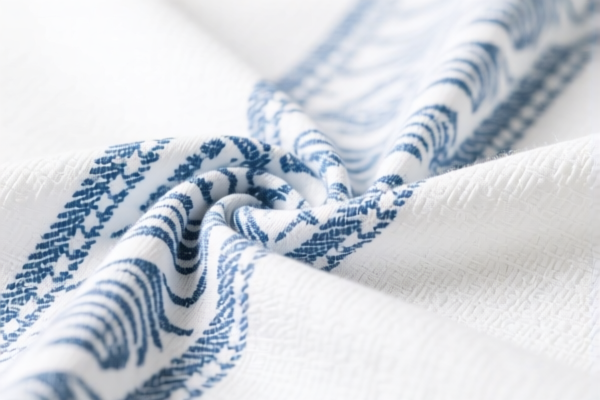
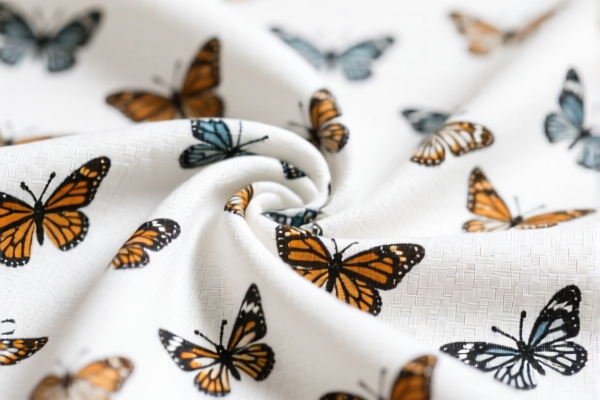
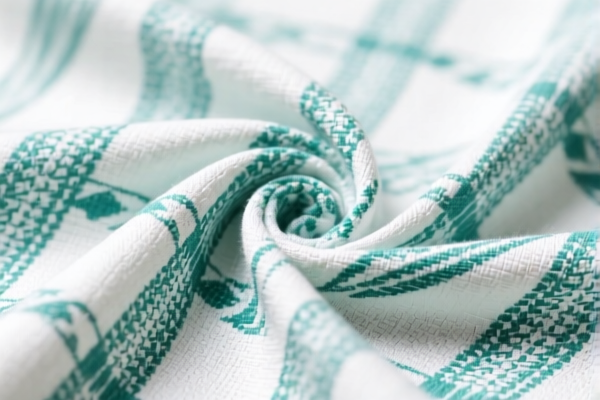
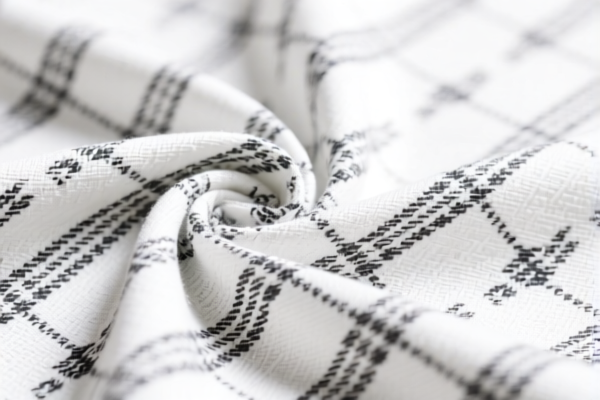
AI Analysis
👗 Modal Woven Fabric (For Clothing)
🌐 HS Code Reference & Customs Clearance Guide | 2026 Latest Tariff Analysis | Professional Customs Strategy
📌 I. Product Definition & Classification: Do You Really Understand "Modal Woven Fabric"?
Modal, a type of regenerated cellulose fiber (often marketed as "bamboo fiber" or "wood pulp fiber" in trade), is highly valued for its softness, breathability, and drape. In international trade, the classification of Modal fabric depends strictly on its structure (Woven vs. Knitted) and its final use (Generic Fabric vs. Specific Textile Article).
⚠️ Critical Distinction for YOUR Query:
Although your query mentions "For Clothing," if the goods are imported as raw fabric (rolls of material), they are generally classified under Chapter 60 (Knitted/Crocheted Fabrics) or Chapter 50-55 (Woven Fabrics). However, looking at the provided<DATA>, all entries refer to "Knitted Fabric" (针织面料) or "Finished Articles".Note: The prompt input provided is "Modal Woven Fabric," but the
<DATA>exclusively lists Knitted HS Codes (6006...and6307...). Below is the analysis based strictly on the provided<DATA>, which implies the goods are either mislabeled as "Woven" in the input but are actually Knitted, or the user is asking for a comparison of why certain HS codes apply to Modal items despite the "Woven" description.
For the purpose of this guide, we will analyze the Modal Fabric based on the provided <DATA> which categorizes it as Knitted (6006) or Finished Article (6307).
📦 II. HS Code Classification Details (Based on Provided )
| HS Code | Product Description (from ) | Applicable Scenario | Material Status |
|---|---|---|---|
6006.90.90.00 |
Modal knitted fabric for home textiles, belonging to knitted materials, no material conflict | General knitted Modal fabric (not double-sided) | ❌ Raw Fabric |
6006.42.00.85 |
Modal knitted fabric is a man-made fiber knitted fabric, non-double-sided structure | Specific sub-category: Man-made fiber knitted fabric | ❌ Raw Fabric |
6307.90.98.84 |
Modal knitted fabric is a finished article made of man-made fibers | Finished textile products (e.g., towels, bed sheets, curtains) | ✅ Finished Article |
6307.90.98.91 |
Modal knitted fabric belongs to textile category among other finished articles | Other textile finished articles | ✅ Finished Article |
🔍 Key Insight:
- The<DATA>explicitly states "Knitted Fabric" (针织面料) for6006codes. If your product is truly Woven, these codes are technically incorrect for US Customs (Woven fabrics usually fall under Chapter 52, 54, or 55).
- However, if you must use the provided codes, it implies the customs broker is treating the input as Knitted Modal or Finished Modal Articles.
💰 III. 2026 Latest Tariff Rate Breakdown (Including Surtaxes & Policy Add-ons)
✅ Applicable Country: United States (US)
✅ Origin: China (CN)
✅ Effective Date: 2025/2026 (Includes Section 301 & IEEPA surcharges)
🎯 1. 6006.90.90.00 — Modal Knitted Fabric (General)
| Item | Content |
|---|---|
| Base Duty Rate | 0.0% (ad valorem) |
| USITC Surcharge (Section 301) | +25.0% |
| IEEPA Surcharge (Section 122/China) | +10.0% |
| Total Tax Rate | 35.0% |
| Tax Calculation | CIF Value × 35% |
| De Minimis Eligibility | ❌ No (Deny De Minimis for China origin under current rules) |
| Legal Basis Path | USITC:6006.90.90.00 → FOOTNOTE:301 → IEEPA:China |
📌 Explanation:
- Base Rate 0%: Many knitted fabrics have low base duties.
- Total 35%: Driven by 25% Section 301 tariffs and 10% IEEPA surcharges. This is a high-cost classification for raw fabric.
🎯 2. 6006.42.00.85 — Modal Knitted Fabric (Man-Made Fiber, Specific)
| Item | Content |
|---|---|
| Base Duty Rate | 10.0% |
| USITC Surcharge (Section 301) | +25.0% |
| IEEPA Surcharge (Section 122/China) | +10.0% |
| Total Tax Rate | 45.0% |
| Tax Calculation | CIF Value × 45% |
| De Minimis Eligibility | ❌ No |
| Legal Basis Path | USITC:6006.42.00.85 → FOOTNOTE:301 → IEEPA:China |
📌 Warning:
- This code has a higher base rate (10%) compared to the general knitted fabric code.
- Total 45% is the highest tax rate in the provided dataset.
- Use this only if the fabric strictly meets the "Man-Made Fiber Knitted Fabric, Non-Double-Sided" definition in the US Harmonized Tariff Schedule (HTS).
🎯 3. 6307.90.98.84 — Modal Finished Article (Man-Made)
| Item | Content |
|---|---|
| Base Duty Rate | 7.0% |
| USITC Surcharge (Section 301) | +7.5% |
| IEEPA Surcharge (Section 122/China) | +10.0% |
| Total Tax Rate | 24.5% |
| Tax Calculation | CIF Value × 24.5% |
| De Minimis Eligibility | ❌ No |
| Legal Basis Path | USITC:6307.90.98.84 → FOOTNOTE:301 → IEEPA:China |
📌 Optimization Opportunity:
- If your product is a finished item (e.g., a towel, sheet, or curtain) rather than raw fabric, the total tax drops to 24.5%.
- This is 10.5%–20.5% cheaper than classifying it as raw knitted fabric.
🎯 4. 6307.90.98.91 — Modal Finished Article (Other Textile)
| Item | Content |
|---|---|
| Base Duty Rate | 7.0% |
| USITC Surcharge (Section 301) | +7.5% |
| IEEPA Surcharge (Section 122/China) | +10.0% |
| Total Tax Rate | 24.5% |
| Tax Calculation | CIF Value × 24.5% |
| De Minimis Eligibility | ❌ No |
| Legal Basis Path | USITC:6307.90.98.91 → FOOTNOTE:301 → IEEPA:China |
📌 Note:
- Same tax rate as6307.90.98.84(24.5%).
- Used for "Other textile finished articles" not specifically listed elsewhere.
🛠️ IV. Customs Clearance Practical Advice (Pitfall Avoidance Guide)
✅ 1. Material Preparation Checklist (Essential)
| Document | Must Provide | Purpose |
|---|---|---|
| ✅ Product Specification Sheet | ✔️ | Must state: 100% Modal (or blend %), Knitted (not woven), Weight (GSM), Width. |
| ✅ Commercial Invoice | ✔️ | Must clearly describe: "Modal Knitted Fabric" or "Modal Finished Textile Article". Do not just say "Fabric". |
| ✅ Packing List | ✔️ | Shows quantity, weight, and dimensions. |
| ✅ Photos of Product | ✔️ | Clear shots of fabric texture (knit loop structure) to prove it is Knitted, not Woven. |
| ✅ Bill of Lading | ✔️ | Standard shipping document. |
| ✅ Origin Certificate | ✔️ | To confirm China origin (triggers surcharges). |
✅ 2. Declaration Strategy (Key Tips)
🔥 “Confirm Structure: Knit or Weave? Confirm Form: Fabric or Article?”
| Scenario | Correct HS Code | Total Tax | Error Consequence |
|---|---|---|---|
| Raw Modal Knitted Fabric Rolls | 6006.90.90.00 or 6006.42.00.85 |
35% - 45% | If misclassified as Finished Article → Audit Risk + Penalties |
| Finished Modal Article (e.g., Towel) | 6307.90.98.84 or 6307.90.98.91 |
24.5% | If misclassified as Raw Fabric → Overpayment of 10-20% |
| True Woven Modal Fabric | Not in (Usually Ch. 52/54/55) | Varies | Using 6006 for Woven fabric → Misclassification Risk |
📌 Critical Warning:
Your input says "Woven Fabric", but the<DATA>only contains "Knitted" (针织) codes.
- If you import Woven Modal, using6006codes is illegal and will lead to customs seizure or fines.
- If you import Knitted Modal, ensure your documents say "Knitted", not "Woven".
✅ 3. Special Case Handling
| Situation | Recommendation |
|---|---|
| Mislabeling Risk | If you ship "Woven" but declare "Knitted", provide a fabric cross-section photo to prove it is Knitted. |
| Finished vs. Raw | If you can ship pre-sewn items (e.g., scarves, bags) instead of raw fabric, use 6307 codes to save 10-20% in taxes. |
| Blended Modal | If Modal is blended with Cotton or Polyester, the base rate may change. Check if 6006.42.00.85 still applies or if a different subheading is needed. |
🌍 V. Global Customs Comparison (2026)
| Country/Region | Recommended HS Code | Base Duty | Surcharges (China) | Total Effective Rate | Notes |
|---|---|---|---|---|---|
| 🇺🇸 USA | 6006.90.90.00 |
0% | +35% (301+IEEPA) | 35% | High tariff for knitted fabric |
| 🇺🇸 USA | 6307.90.98.84 |
7% | +17.5% (301+IEEPA) | 24.5% | Lower tariff for finished articles |
| 🇨🇳 China | 6006.90.90.00 |
7% | 0% | 7% | No surcharges for imports into China |
| 🇪🇺 EU | 6006.90.90.00 |
12% | 0% | 12% | No US-style surcharges |
📌 Conclusion:
- USA imposes heavy surcharges on Chinese textile goods.
- Shift from Raw Fabric to Finished Articles can reduce US duties by up to 20%.
📌 VI. Common Mistakes & Pitfalls (Lessons Learned)
❌ Mistake 1: Declaring Woven Fabric under Knitted HS Codes (6006)
👉 Consequence: Customs audit, fines, or refusal of entry.
👉 Fix: If woven, use Chapter 50-55 codes (not in ).
❌ Mistake 2: Declaring Finished Articles as Raw Fabric
👉 Consequence: Overpaying 10-20% in taxes.
👉 Fix: Classify as 6307 if the item is cut/sewn.
❌ Mistake 3: Ignoring Section 301 & IEEPA Surcharges
👉 Consequence: Budget miscalculation.
👉 Fix: Always calculate Total Tax = Base + 25% (301) + 10% (IEEPA).
✅ Correct Practice:
"Modal Knitted Fabric, 100% Regenerated Cellulose, 200 GSM, Width 150cm, for Garment Manufacturing, China Origin"
🎯 VII. Conclusion: Professional Declaration, Cost Optimization!
🎯 Remember These Key Takeaways:
🔹 "Knitted vs. Woven" Determines Chapter: If the
<DATA>says Knitted, your declaration must say Knitted.
🔹 "Raw vs. Finished" Determines Tax Rate: Finished articles (6307) are cheaper (24.5%) than raw knitted fabric (6006is 35%-45%).
🔹 "China Origin" Means Surcharges: Add 35% (for fabric) or 17.5% (for finished) on top of base duty.
📌 Pro Tip:
If you are importing Modal Fabric for Clothing, consider if you can import pre-cut patterns or finished garments (if applicable) to potentially shift classification. However, raw fabric remains high-tariff.
📣 Immediate Action:
📞 Confirm with your supplier: Is the fabric Knitted or Woven?
🚀 If Knitted, use6006.90.90.00(35% tax).
🚀 If Finished Article, use6307.90.98.84(24.5% tax).
📉 Save money by right classification!
✨ Professional Customs, Start with Accurate Classification!
💼 Every dollar saved in tariffs is pure profit!
Customer Reviews
About HS Code Classification
The Harmonized System (HS) is an internationally standardized nomenclature developed by the World Customs Organization (WCO) to classify traded products. Over 200 countries use the HS system as the basis for customs tariffs, trade statistics, and import/export regulations.
Each HS code follows a hierarchical structure:
- Chapter (2 digits) — Broad category of goods (e.g., Chapter 84: Machinery and Mechanical Appliances)
- Heading (4 digits) — More specific grouping within the chapter
- Subheading (6 digits) — Internationally standardized breakdown, used by all WCO member countries
- National subdivisions (8-10 digits) — Country-specific extensions for further classification, such as US HTSUS 10-digit codes
Correct HS code classification is essential for smooth customs clearance, accurate duty payment, and compliance with trade regulations. Misclassification can lead to customs delays, overpayment of duties, or penalties.
When importing from CN to US, the applicable tariff rates may include:
- Most-Favored-Nation (MFN) rate — The standard duty rate applied to WTO members
- General rate — Applied to countries without trade agreements
- Trade remedy duties — Additional tariffs such as Section 301 (anti-dumping), Section 232 (national security), or countervailing duties
The information provided on this page is for reference purposes only. For official classification, please consult with your local customs authority or a licensed customs broker.