Model Leather
CN → USProduct Images
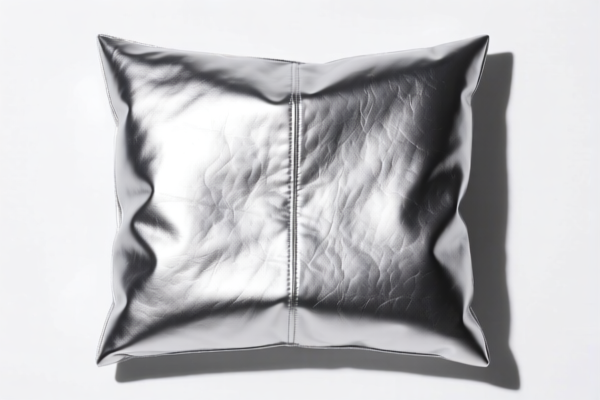
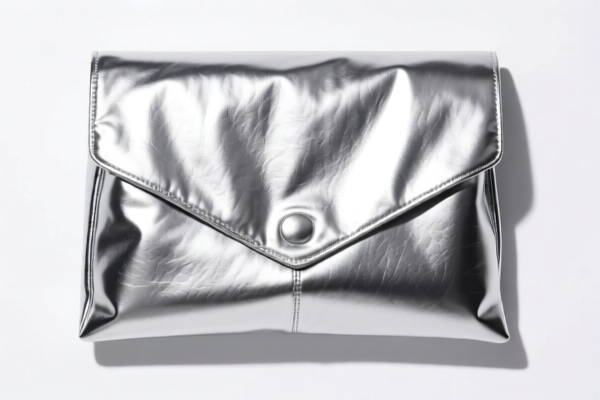
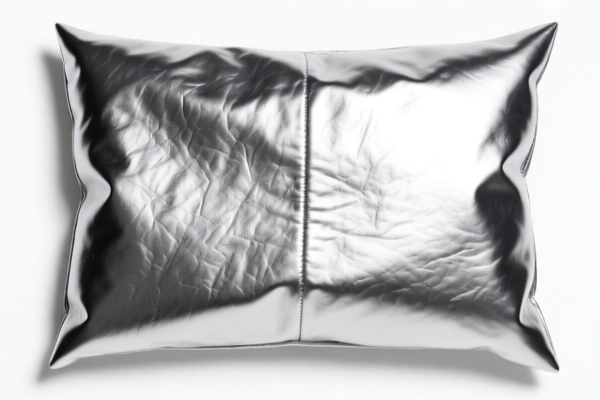
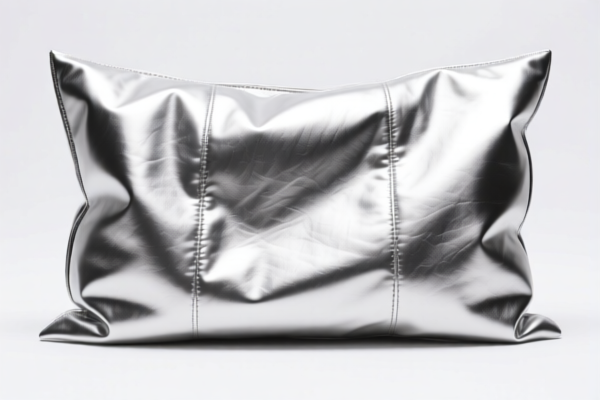
AI Analysis
👜 Model Leather (Synthetic/Man-Made Leather)
🌐 HS Code Reference & Customs Clearance Guide | 2026 Latest Tariff Analysis | Professional Clearance Strategy 📌 1. Product Definition and Classification: Do You Really Understand "Model Leather"?
"Model Leather" is a commercial term often used in the apparel, footwear, and accessories industries. In international trade, it does not refer to animal hide (real leather). Instead, it generally refers to Man-Made Leather or Synthetic Leather, which includes materials like Polyurethane (PU) leather, Polyvinyl Chloride (PVC) leather, and Microfiber leather.
The classification depends entirely on the composition and surface treatment of the material: * Surface-Coated Fabric: If the leather is a fabric (woven/non-woven) coated with plastic (PVC/PU), it falls under Chapter 59. * Plastic Sheets: If the leather is self-supporting plastic sheets/sheets with surface coating but no fabric backing, it falls under Chapter 39. * Apparel/Articles: If the "Model Leather" is already cut or sewn into finished goods (jackets, bags), it falls under Chapter 42 (Bags) or Chapter 61/62 (Apparel).
⚠️ Key Distinction Point: - If it is a raw sheet/material made of plastic on a fabric base → 5903. - If it is a raw sheet/material made of pure plastic → 3921. - If it is a finished bag/jacket → 4202 or 6102/6202.
📦 2. HS Code Classification Details (2026 Latest Tariff Authority Comparison)
| HS Code | Product Description | Application Scenario | Material Composition |
|---|---|---|---|
5903.20.60.00 |
Textile fabric impregnated/coated/covered with PVC, other than textile fabrics of heading 5902 | Most common "PU Leather" sheets for bags, shoes, upholstery | ✅ PVC/PU on Fabric Base |
5903.90.20.00 |
Textile fabric impregnated/coated/covered with plastics (Other) | Microfiber leather, other synthetic leathers not specifically PVC/PU | ✅ Plastic on Fabric Base |
3921.90.60.00 |
Other plates, sheets, film, foil and strip, of plastics, reinforced, laminated, supported or similarly combined with other materials | Self-supporting synthetic leather sheets (no fabric backing) | ❌ Pure Plastic Sheet |
4202.12.00.00 |
Trunks, suitcases, handbags, backpacks, etc., with outer surface of plastic sheeting or of textile materials | Finished bags made from "Model Leather" | ✅ Finished Good |
6102.30.00.00 |
Women’s or girls’ anoraks, windcheaters, etc., knitted or crocheted, synthetic fibers | Finished jackets made from synthetic leather | ✅ Finished Good |
🔍 Key Reminder: - Most commercial "Model Leather" sold as rolls/sheets is
5903.20.60.00(PVC on fabric) or5903.90.20.00(Other plastics on fabric). - Do not classify under Chapter 41 (Real Leather) unless it is genuine animal hide. Misclassification can lead to severe penalties. - If the material is reinforced with a mesh or fiber layer, it still generally falls under 5903.
💰 3. 2026 Latest Tariff Rate Details (Including Surcharges, Policy Surcharges)
✅ Applicable Country: United States (US) ✅ Origin: China (CN) ✅ Effective Time: Starting November 10, 2025 (including subsequent imports)
🎯 1. 5903.20.60.00 —— Synthetic Leather, PVC-Coated (Most Common)
| Item | Content |
|---|---|
| Base Tariff Rate | 0% (ad valorem) |
| USITC Surcharge | +25% (from USITC Footnote 9903.88.01, Section 301) |
| IEEPA Surcharge | +10% (对华加征关税, effective Nov 10, 2025) |
| Total Tariff Rate | 45% |
| Tax Calculation | CIF Value × 45% |
| De Minimis Eligible? | ❌ No (deny_de_minimis) |
| Legal Basis Path | IEEPA:9903.01.25 → IEEPA:9903.01.24 → USITC:5903.20.60.00 → FOOTNOTE:9903.88.01 |
📌 Explanation: - The 25% USITC surcharge is based on Section 301 of the Trade Act, targeting Chinese-made synthetic materials. - The 10% IEEPA surcharge is a new baseline tariff on Chinese goods effective late 2025. - Total 45% is extremely high. Many manufacturers are shifting supply chains to Vietnam or India to avoid these tariffs.
🎯 2. 5903.90.20.00 —— Other Synthetic Leather (e.g., Microfiber)
| Item | Content |
|---|---|
| Base Tariff Rate | 0% |
| USITC Surcharge | +25% |
| IEEPA Surcharge | +10% |
| Total Tariff Rate | 45% |
| Tax Calculation | CIF × 45% |
| De Minimis Eligible? | ❌ No |
| Legal Basis Path | IEEPA:9901.25 → IEEPA:9903.01.24 → USITC:5903.90.20.00 → FOOTNOTE:9903.88.01 |
📌 Note: - Microfiber leather ("imitation suede") is often considered higher quality than PVC leather but faces the same tariff burden as it is also classified under Chapter 59. - Ensure the Technical Data Sheet clearly states "Polyurethane on Microfiber Base" to justify the
5903.90.20.00code if applicable, rather than misclassifying as3921.
🛠️ 4. Customs Clearance Practical Advice (Battle-Tested Pitfall Guide)
✅ 1. Required Document Checklist (Mandatory)
| Document | Mandatory | Description |
|---|---|---|
| ✅ Product Spec Sheet | ✔️ | Must specify: Material composition (e.g., 100% PU, backing type), thickness, width. |
| ✅ HS Code Pre-Ruling | ✔️ | Highly recommended for large volumes to lock in the classification. |
| ✅ Commercial Invoice | ✔️ | Description must read "Synthetic Leather Fabric, PVC/PU Coated", NOT "Animal Leather". |
| ✅ Bill of Lading | ✔️ | Ensure weight and dimensions match the spec sheet. |
| ✅ Test Report (REACH/CPSIA) | ✔️ | US Customs may ask for chemical compliance proof for synthetic materials. |
✅ 2. Declaration Tips (Key Mnemonic)
🔥 "Fabric Base is 5903, Pure Plastic is 3921, No Animal in Sight!"
| Scenario | Correct Declaration | Wrong Practice |
|---|---|---|
| Rolls of PU Leather on fabric | 5903.20.60.00 |
Mislabel as "Real Leather" → 15-30% tariff + Fraud |
| Microfiber Leather Rolls | 5903.90.20.00 |
Mislabel as "Textile Fabric" (54/55) → 5-7% tariff (under-declaration) |
| Finished Bags from Model Leather | 4202.12.00.00 |
Declaring as raw material → Inconsistency |
| Small Sample Sent via DHL/UPS | Check De Minimis | If < $800, may be duty-free IF not on USITC list (but 5903 is on 301 list, so likely still taxed or scrutinized) |
✅ 3. Special Cases Handling
| Situation | Handling Advice |
|---|---|
| "Vegan Leather" Marketing | Customs does not care about marketing terms. They care about material composition. If it's plastic on fabric, it's 5903. |
| Mixed Materials | If the leather is layered with cotton or polyester, ensure the principal character is still the plastic coating. |
| Counterfeit Branding | "Model Leather" from known brands (e.g., Gucci-style) may trigger IPR (Intellectual Property Rights) checks. Ensure no trademark infringement. |
🌍 5. Global Market Comparison (2026 Latest)
| Country/Region | Recommended HS Code | Tariff (CN Origin) | Certification | Notes |
|---|---|---|---|---|
| 🇺🇸 USA | 5903.20.60.00 |
45% (25% + 10% + 0%) | CPSIA, Prop 65 | High tariff barrier. Consider sourcing from SEA. |
| 🇨🇳 China | 5903.20.60.00 |
0% | GB Standard | Import duty is 0%, but VAT (13%) applies. |
| 🇪🇺 EU | 5903.20.20 |
0% (Most FET) | REACH, RoHS | No major anti-dumping duty on generic synthetic leather, but REACH is strict. |
| 🇬🇧 UK | 5903.20.00 |
0% | UK REACH | Post-Brexit rules apply. |
| 🇻🇳 Vietnam | 5903.20.00 |
Varies | Local Standards | Good alternative hub for final assembly to avoid US tariffs. |
📌 Conclusion: - USA is the harshest market for synthetic leather from China due to the cumulative 45% tariff. - EU and UK are more liberal (0% tariff) but have strict environmental/chemical regulations (REACH). - China Domestic Market has no import tariff for raw synthetic leather, making it the cost-effective production hub.
📌 6. Common Errors & Pitfall Guide (Blood and Tears Lessons)
❌ Error 1: Classifying "Model Leather" under Chapter 41 (Real Leather). 👉 Consequence: Even if the tariff is similar (0-15%), it violates customs declarations. If inspected, it leads to fraud charges and blacklisting.
❌ Error 2: Declaring as "Textile Fabric" (Chapter 54/55) to avoid Chapter 59 tariffs. 👉 Consequence: Customs will request a lab test. If found to be plastic-coated, they will reclassify to 5903 and charge the 45% tariff plus penalties.
❌ Error 3: Ignoring the "Backing" material. 👉 Consequence: If the backing is not textile but just a release paper or foam, it might fall under 3921. Misdeclaring 3921 as 5903 (or vice versa) causes valuation and duty mismatches.
✅ Correct Practice:
"Synthetic Leather Fabric, Polyurethane Coated on Polyester Woven Base, Width 150cm, Thickness 0.8mm, for Bag Manufacturing"
🎯 7. Conclusion: Professional Declaration, Save Cost, Ensure Compliance!
🎯 Remember the Mnemonic:
🔹 "PVC on Fabric is 5903, Pure Plastic is 3921. No Animal, No Real Skin. US Tariff is 45%, Think Twice Before Ship!" 🔹 "Classify by Composition, Not by Name. 'Model' is not a HS Code!"
📌 Pro Tip: If your synthetic leather is sourced from Vietnam, Cambodia, or India, check if it qualifies for Generalized System of Preferences (GSP) or specific FTA benefits (like EVFTA for EU). This could reduce the effective duty significantly compared to the Chinese origin 45%.
📣 Immediate Action:
📞 Contact a Licensed Customs Broker to verify the specific composition of your "Model Leather". 📝 Request a Lab Test Report from your supplier proving the material is non-animal. 🚀 Optimize Supply Chain: Consider sourcing raw synthetic leather from non-China origins if exporting to the US to mitigate the 45% tariff hit.
✨ Professional Clearance Starts with Accurate Classification! 💼 Every percentage of tariff matters. Get it right the first time!
Customer Reviews
About HS Code Classification
The Harmonized System (HS) is an internationally standardized nomenclature developed by the World Customs Organization (WCO) to classify traded products. Over 200 countries use the HS system as the basis for customs tariffs, trade statistics, and import/export regulations.
Each HS code follows a hierarchical structure:
- Chapter (2 digits) — Broad category of goods (e.g., Chapter 84: Machinery and Mechanical Appliances)
- Heading (4 digits) — More specific grouping within the chapter
- Subheading (6 digits) — Internationally standardized breakdown, used by all WCO member countries
- National subdivisions (8-10 digits) — Country-specific extensions for further classification, such as US HTSUS 10-digit codes
Correct HS code classification is essential for smooth customs clearance, accurate duty payment, and compliance with trade regulations. Misclassification can lead to customs delays, overpayment of duties, or penalties.
When importing from CN to US, the applicable tariff rates may include:
- Most-Favored-Nation (MFN) rate — The standard duty rate applied to WTO members
- General rate — Applied to countries without trade agreements
- Trade remedy duties — Additional tariffs such as Section 301 (anti-dumping), Section 232 (national security), or countervailing duties
The information provided on this page is for reference purposes only. For official classification, please consult with your local customs authority or a licensed customs broker.