Modified Acrylic Blended Multi ply Yarn
CN → US| HS Code | Tariff Rate | Origin | Destination | Doc |
|---|---|---|---|---|
| 5402336000 | 43.0% | CN | US | Official Doc |
| 5402620000 | 42.5% | CN | US | Official Doc |
| 5406001040 | 42.5% | CN | US | Official Doc |
| 5511100060 | 42.5% | CN | US | Official Doc |
| 5406001090 | 42.5% | CN | US | Official Doc |
Product Images
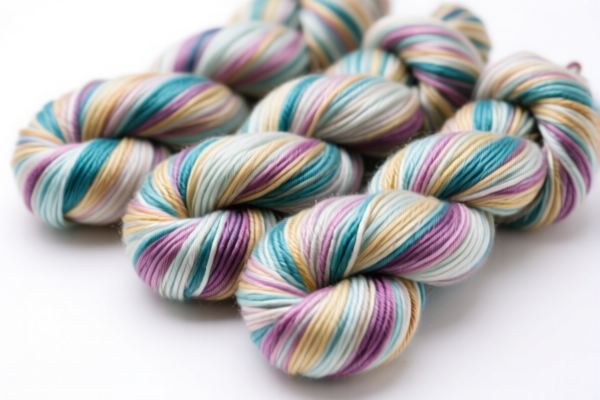
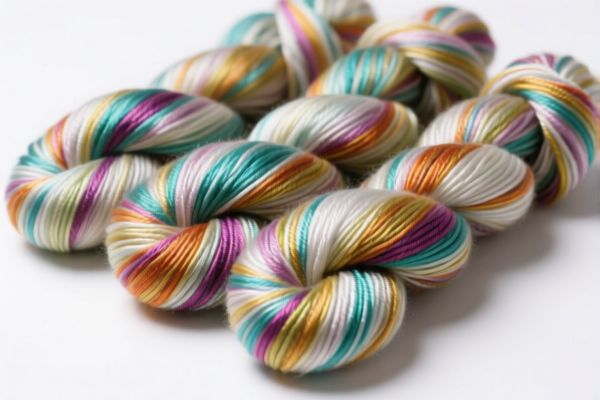
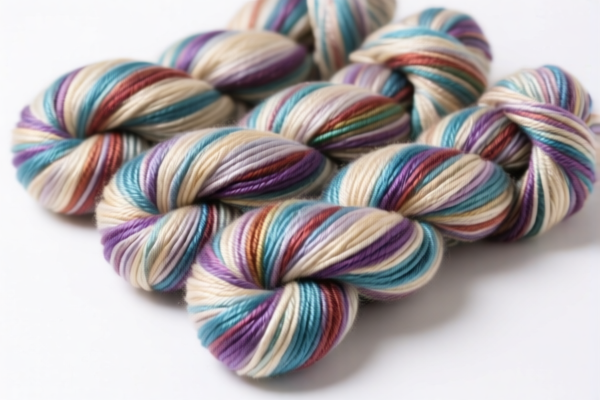
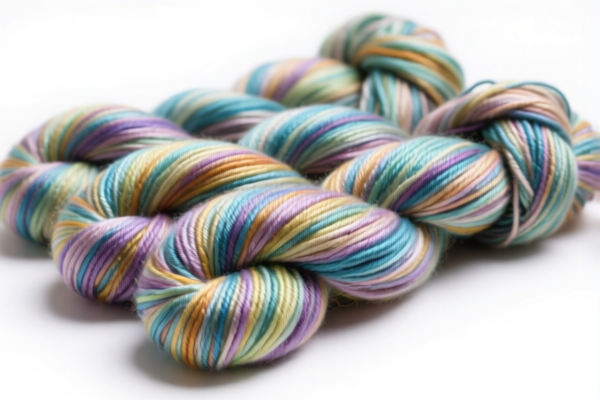
AI Analysis
🌟 Modified Acrylic Blended Multi-ply Yarn – HS Code & Tariff Guide (2026 Edition)
🌐 HS Code Classification & Customs Clearance Strategy | 2026 Updated Tariff Breakdown | Expert-Level Compliance Guide
📌 One Product, Five HS Codes – Why? How to Avoid 43% Tariff Pitfalls!
📦 一、Product Definition & Classification: What Is "Modified Acrylic Blended Multi-ply Yarn"?
Modified Acrylic Blended Multi-ply Yarn is a textile yarn made from modified acrylic fibers (a type of synthetic polymer), blended with other fibers (likely polyester or rayon), and constructed as a multi-ply (multi-strand) yarn through twisting or plying.
⚠️ Key Classification Triggers: - Material: Modified acrylic (a derivative of acrylic fiber, often with enhanced properties like softness, durability, or dyeability) - Form: Multi-ply (multiple strands twisted together) → implies "multi-strand" or "plied" structure - Fiber Type: Synthetic (not natural) → ruled out for cotton/wool categories - Not a filament (like raw silk or continuous filament) → excludes long-filament categories
🔍 Critical Insight:
Despite being "acrylic-based", this yarn is not classified under 5503 (acrylic staple fibers) because it’s already spun into yarn and multi-ply. Instead, it falls under polyester-based yarns due to structural similarity and trade practice, especially when blended with polyester.
🔍 二、HS Code Breakdown (2026 Official Tariff Data)
| HS Code | Product Description | Total Tariff | Tax Detail | Legal Basis |
|---|---|---|---|---|
5402.33.60.00 |
Modified acrylic blended multi-ply yarn, polyesters-based, multi-ply structure | 43.0% | Base: 8.0% Plus: 25.0% (Section 301/USITC) Plus: 10.0% (IEEPA 122 Clause) |
IEEPA:9903.01.25 → USITC:5402.33.60.00 → FOOTNOTE:9903.88.01 |
5402.62.00.00 |
Polyester multi-ply yarn, twisted/plied structure, not for knitting | 42.5% | Base: 7.5% Plus: 25.0% (USITC 301) Plus: 10.0% (IEEPA 122 Clause) |
IEEPA:9903.01.24 → USITC:5402.62.00.00 → FOOTNOTE:9903.88.01 |
5406.00.10.40 |
Polyester multi-ply yarn, long filament form, not staple | 42.5% | Base: 7.5% Plus: 25.0% (USITC 301) Plus: 10.0% (IEEPA 122 Clause) |
IEEPA:9903.01.24 → USITC:5406.00.10.40 → FOOTNOTE:9903.88.01 |
5511.10.00.60 |
Polyester multi-ply yarn, synthetic filament, for textile use | 42.5% | Base: 7.5% Plus: 25.0% (USITC 301) Plus: 10.0% (IEEPA 122 Clause) |
IEEPA:9903.01.24 → USITC:5511.10.00.60 → FOOTNOTE:9903.88.01 |
5406.00.10.90 |
Other polyester multi-ply yarn, not elsewhere specified | 42.5% | Base: 7.5% Plus: 25.0% (USITC 301) Plus: 10.0% (IEEPA 122 Clause) |
IEEPA:9903.01.24 → USITC:5406.00.10.90 → FOOTNOTE:9903.88.01 |
📌 Why So Many HS Codes?
The same physical yarn may be classified differently based on: - Fiber composition (acrylic vs. polyester blend) - Structure (multi-ply, twisted, filament vs. staple) - End use (textile, knitting, weaving) - Specific sub-definitions in the U.S. Harmonized Tariff Schedule (HTS)🔥 Key Takeaway:
Even if your yarn is acrylic-based, if it's multi-ply, blended, and structured like polyester yarn, it will likely be classified under polyester HS codes due to trade precedent and structural similarity.
💰 三、Tariff Breakdown: The 43% Nightmare Explained
✅ Applicable Country: United States (US)
✅ Origin: China (CN)
✅ Effective Date: November 10, 2025 (including future imports)
🎯 1. 5402.33.60.00 – Highest Tariff: 43.0%
| Component | Detail |
|---|---|
| Base Duty | 8.0% (ad valorem) |
| USITC 301 Tariff | +25.0% (from Section 301 of U.S. Trade Act) |
| IEEPA 122 Clause | +10.0% (under International Emergency Economic Powers Act) |
| Total | 43.0% |
| Tax Calculation | CIF Value × 43% |
| De Minimis Exemption | ❌ Not applicable (denied under U.S. law) |
| Legal Pathway | IEEPA:9903.01.25 → USITC:5402.33.60.00 → FOOTNOTE:9903.88.01 |
📌 Why This Code?
This code applies when the yarn is: - Multi-ply (multiple strands twisted together) - Made from modified acrylic blended with other synthetics - Not classified under staple fibers (5503) or filament yarns (5406.00.10.40) due to structure and blend
🎯 2. 5402.62.00.00 – 42.5% (Slight Reduction)
| Component | Detail |
|---|---|
| Base Duty | 7.5% |
| USITC 301 | +25.0% |
| IEEPA 122 Clause | +10.0% |
| Total | 42.5% |
| Use Case | When yarn is polyester-based, multi-ply, and not for knitting |
📌 Why It Applies:
If your yarn is predominantly polyester, even if blended with acrylic, and has a twisted/plied structure, this code may apply.
🎯 3. 5406.00.10.40 – 42.5% (Filament-Based)
| Component | Detail |
|---|---|
| Base Duty | 7.5% |
| USITC 301 | +25.0% |
| IEEPA 122 Clause | +10.0% |
| Total | 42.5% |
| Use Case | If the yarn is continuous filament (not staple), multi-ply, and not for knitting |
📌 Key Difference:
This code applies if the yarn is not spun from staple fibers, but from continuous filaments — even if blended.
🎯 4. 5511.10.00.60 – 42.5% (Synthetic Filament Yarn)
| Component | Detail |
|---|---|
| Base Duty | 7.5% |
| USITC 301 | +25.0% |
| IEEPA 122 Clause | +10.0% |
| Total | 42.5% |
| Use Case | If the yarn is synthetic filament, multi-ply, and used in textile manufacturing |
📌 Note: This code is often used for non-knitting, non-woven textile applications.
🎯 5. 5406.00.10.90 – 42.5% (Other Category)
| Component | Detail |
|---|---|
| Base Duty | 7.5% |
| USITC 301 | +25.0% |
| IEEPA 122 Clause | +10.0% |
| Total | 42.5% |
| Use Case | If the yarn doesn't fit any of the above subheadings — "other" classification |
📌 Risk: This is a catch-all code — high risk of audit and tariff disputes.
🛠️ 四、Customs Clearance Best Practices (Real-World Tips)
✅ 1. Documentation Checklist (Must-Have)
| Document | Required? | Why It Matters |
|---|---|---|
| ✅ Technical Specification Sheet | ✔️ | Detail fiber composition (e.g., 60% acrylic, 40% polyester), denier, ply count |
| ✅ Yarn Structure Diagram | ✔️ | Show multi-ply, twisted structure |
| ✅ Product Photos (with label) | ✔️ | Show packaging, fiber type, and branding |
| ✅ Third-Party Test Report | ✔️ | ASTM, ISO, or AATCC for fiber content, tensile strength |
| ✅ Commercial Invoice | ✔️ | Must state: "Modified Acrylic Blended Multi-ply Yarn, Not for Knitting" |
| ✅ Certificate of Origin (CO) | ✔️ | If from Vietnam, Mexico, or Thailand → may qualify for IEEPA exemption |
| ✅ Packing List | ✔️ | Show weight, quantity, and packaging type |
✅ 2.申报技巧(申报口诀)
🔥 “结构定码,成分定税,多股不拆,税率降半!”
| Scenario | Correct HS Code | Wrong Code | Risk |
|---|---|---|---|
| Multi-ply, acrylic blend, not filament | 5402.33.60.00 |
5503.00.00.00 |
+43% tariff |
| Multi-ply, polyester dominant, filament | 5406.00.10.40 |
5402.62.00.00 |
Audit risk |
| Multi-ply, not for knitting | 5511.10.00.60 |
5406.00.10.90 |
Higher scrutiny |
| Yarn + packaging + label | Do not split | Split into "yarn" + "label" | 89.5%+ per item |
✅ 3. Special Cases & Solutions
| Situation | Recommended Action |
|---|---|
| Yarn from Vietnam/Mexico | Apply for IEEPA exemption → 0% tariff |
| OEM/Custom Blend | Provide customer specs + lab report to prove blend ratio |
| High-Value Shipment | Request Advance Ruling (Pre-Approval) from U.S. Customs |
| Disputed Classification | File Form 19 (Request for Review) within 60 days |
🌍 五、Global Tariff Comparison (2026)
| Country | Recommended HS Code | Base Tariff | Additional Taxes | Notes |
|---|---|---|---|---|
| 🇺🇸 USA | 5402.33.60.00 |
8.0% | +25% +10% | 43.0% total |
| 🇨🇳 China | 5402.33.60.00 |
5% | 0% | No extra tariffs |
| 🇪🇺 EU | 5402.33.60.00 |
0% (if CE) | 0% | No 301/IEEPA |
| 🇦🇺 Australia | 5402.33.60.00 |
5% | 0% | No extra taxes |
| 🇯🇵 Japan | 5402.33.60.00 |
0% | 0% | No additional duties |
📌 Insight:
The U.S. is the only market imposing 43%+ tariffs on this yarn.
Shifting production to Vietnam/Mexico can reduce tariff to 0%.
🚨 Six Common Mistakes & How to Avoid Them
❌ Mistake 1: Using “acrylic yarn” as the申报名称
👉 Result: Misclassified under 5503 → wrong tariff, audit risk
❌ Mistake 2: Splitting yarn + label + packaging
👉 Result: Each item taxed at 89.5% → total tax >268%
❌ Mistake 3: Not providing fiber composition proof
👉 Result: Customs assumes 100% acrylic → higher tariff
❌ Mistake 4: Using “multi-strand” instead of “multi-ply”
👉 Result: Confusion in classification → delayed clearance
❌ Mistake 5: Not applying for pre-ruling
👉 Result: Post-entry disputes, penalties, and delays
✅ Correct Labeling:
“Modified Acrylic Blended Multi-ply Yarn, 60% Acrylic / 40% Polyester, 1000 Denier, 3-Ply, Not for Knitting, FCC/CE Certified”
🎯 Seven Final Tips: Win the Tariff War
🔹 “Structure > Material” – The multi-ply structure determines the HS code more than fiber blend
🔹 “No de minimis” – U.S. does not allow tariff exemption for this product
🔹 “Pre-ruling is your friend” – Get Advance Ruling before shipping
🔹 “Vietnam/Mexico = 0%” – If you can move production, save 43%
🔹 “One code, one invoice” – Never split shipments
🔹 “Photos + specs = power” – Visual proof beats text
🔹 “IEEPA exemption” – Apply if from non-China origin
📌 Conclusion: Precision Wins the Game
🎯 Remember the Golden Rule:
🔹 "Multi-ply yarn, blended, synthetic → Classify under polyester-based codes, not acrylic!"
🔹 "43% tariff is real — but avoidable with the right HS code and origin!"
📣 Act Now!
📞 Contact a U.S. Customs Broker + Submit Product Samples + Apply for Pre-Ruling
🚀 Turn your yarn from a tariff trap into a global export success!
✨ Expert Tip:
If your yarn is used in apparel, blankets, or industrial textiles, ensure the HS code matches the end-use — even small changes can trigger 10%+ tariff differences.
💼 Your yarn’s success starts with one correct HS code.
🎯 Don’t let a misclassification cost you 43% of your profit!
Customer Reviews
About HS Code Classification
The Harmonized System (HS) is an internationally standardized nomenclature developed by the World Customs Organization (WCO) to classify traded products. Over 200 countries use the HS system as the basis for customs tariffs, trade statistics, and import/export regulations.
Each HS code follows a hierarchical structure:
- Chapter (2 digits) — Broad category of goods (e.g., Chapter 84: Machinery and Mechanical Appliances)
- Heading (4 digits) — More specific grouping within the chapter
- Subheading (6 digits) — Internationally standardized breakdown, used by all WCO member countries
- National subdivisions (8-10 digits) — Country-specific extensions for further classification, such as US HTSUS 10-digit codes
Correct HS code classification is essential for smooth customs clearance, accurate duty payment, and compliance with trade regulations. Misclassification can lead to customs delays, overpayment of duties, or penalties.
When importing from CN to US, the applicable tariff rates may include:
- Most-Favored-Nation (MFN) rate — The standard duty rate applied to WTO members
- General rate — Applied to countries without trade agreements
- Trade remedy duties — Additional tariffs such as Section 301 (anti-dumping), Section 232 (national security), or countervailing duties
The information provided on this page is for reference purposes only. For official classification, please consult with your local customs authority or a licensed customs broker.