Modified Acrylic Blended Roving
CN → US| HS Code | Tariff Rate | Origin | Destination | Doc |
|---|---|---|---|---|
| 5402499140 | 43.0% | CN | US | Official Doc |
| 5509694000 | 45.0% | CN | US | Official Doc |
| 5402396190 | 43.0% | CN | US | Official Doc |
| 5402690100 | 42.5% | CN | US | Official Doc |
| 5509320000 | 45.0% | CN | US | Official Doc |
Product Images
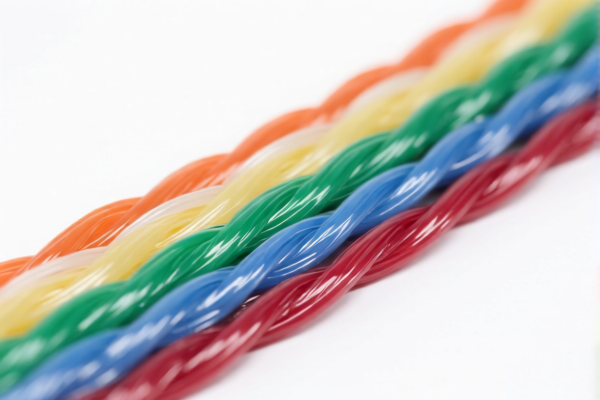
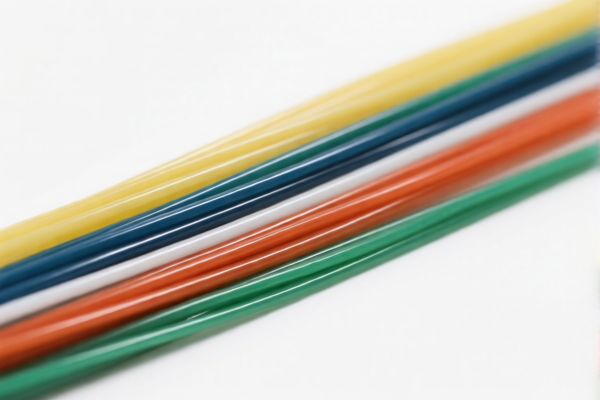
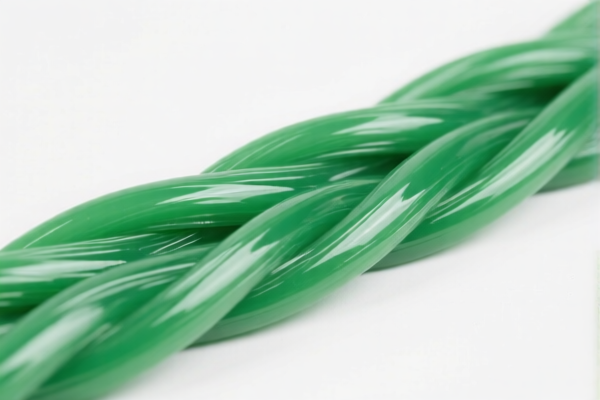
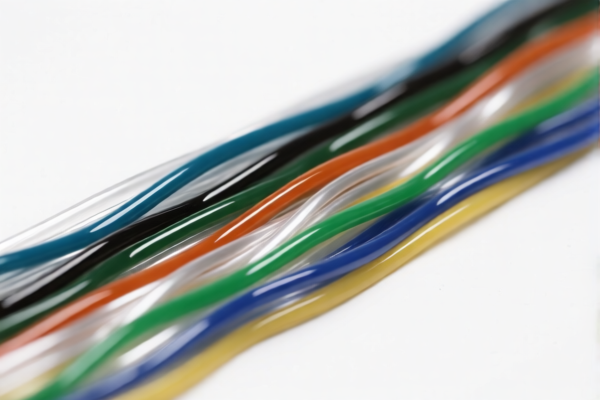
AI Analysis
🧵 Modified Acrylic Blended Roving (改性腈纶混纺纱线)
🌐 HS Code Reference & Customs Clearance Guide | 2026 Latest Tariff Analysis | Professional通关 Strategy
📌 I. Product Definition & Classification: What Exactly is "Modified Acrylic Blended Roving"?
Modified Acrylic Blended Roving refers to continuous filaments or multi-ply yarns made from acrylic fibers (modacrylic) or acrylic blends, often used for insulation, reinforcement, or textile reinforcement in industrial applications.
In international trade, these products fall under Chapter 54 (Man-made filaments) or Chapter 55 (Man-made staple fibers), depending on their form (filament vs. staple yarn) and structure (single, multi-ply, or twisted).
⚠️ Key Distinction: - Filament-based (Continuous Filaments): Falls under HS 5402 series. - Staple Fiber-based (Short Fibers Spun into Yarn): Falls under HS 5509 series. - Blended: If mixed with other materials (e.g., polyester, cotton), classification depends on the dominant fiber by weight. - Modified Acrylic (Modacrylic): Often classified similarly to acrylic but may have different flame-retardant properties.
📦 II. HS Code Classification Details (2026 Latest Tariff Authority Mapping)
Based on the provided data, here are the applicable HS Codes for Modified Acrylic Blended Roving:
| HS Code | Product Description | Application Scenario | Fiber Type | Structure |
|---|---|---|---|---|
5402.49.91.40 |
Modified Acrylic Filament, classified as synthetic filament yarn | Continuous filaments, industrial roving, reinforcement | Modified Acrylic (Filament) | Single/Continuous |
5509.69.40.00 |
Modified Acrylic Blended Multi-ply Yarn,符合丙烯酸或改性丙烯酸混纺短纤维 | Staple fiber yarns, textile weaving, blending | Modified Acrylic (Staple) | Multi-ply, Twisted |
5402.39.61.90 |
Modified Acrylic Blended Multi-ply Yarn,符合多股合成长丝 | Multi-filament yarns, heavy-duty roving | Modified Acrylic (Filament) | Multi-ply, Combined |
5402.69.01.00 |
Modified Acrylic Blended Multi-ply Yarn,符合多股或绞合的合成长丝纤维 | Twisted or cabled synthetic filaments | Modified Acrylic (Filament) | Twisted/Cabled |
5509.32.00.00 |
Modified Acrylic Blended Multi-ply Yarn,符合合成短纤维纱线 | Staple fiber yarns, general textile use | Modified Acrylic (Staple) | Multi-ply, Yarn |
🔍 Key Insight: -
5402codes apply when the product is continuous filament (not spun from short fibers). -5509codes apply when the product is made from staple fibers (short fibers spun into yarn). -43%–45%total tax rate applies to all these codes due to US tariffs on Chinese-origin modified acrylic products.
💰 III. 2026 Latest Tariff Rate Breakdown (Including Surtaxes, Policy Surcharges)
✅ Applicable Country: United States (US)
✅ Origin: China (CN)
✅ Effective Date: Ongoing (Section 301, 122 Section tariffs)
🎯 1. 5402.49.91.40 – Modified Acrylic Filament
| Item | Detail |
|---|---|
| Base Tariff | 8.0% |
| Section 301 Surcharge | 25.0% |
| Section 122 Surcharge | 10.0% |
| Total Tax Rate | 43.0% |
| Tax Calculation | CIF Value × 43% |
| De Minimis Exemption | ❌ Not Eligible (Deny de minimis for textile/filament imports from China) |
| Legal Basis Path | Section 301: 8888.01.24 → Section 122: 9903.01.12 → USITC: 5402.49.91.40 |
📌 Explanation: - 8% Base Tariff: Standard US import duty for synthetic filament yarns. - 25% Section 301: Retaliatory tariff on Chinese synthetic fibers. - 10% Section 122: National security tariff on specific industrial materials. - Total: 43% – High cost of entry for US importers.
🎯 2. 5509.69.40.00 – Modified Acrylic Blended Multi-ply Yarn (Staple)
| Item | Detail |
|---|---|
| Base Tariff | 10.0% |
| Section 301 Surcharge | 25.0% |
| Section 122 Surcharge | 10.0% |
| Total Tax Rate | 45.0% |
| Tax Calculation | CIF Value × 45% |
| De Minimis Exemption | ❌ Not Eligible |
| Legal Basis Path | Section 301: 8888.01.24 → Section 122: 9903.01.12 → USITC: 5509.69.40.00 |
📌 Explanation: - Higher base tariff (10%) due to being a blended staple yarn. - Same surcharges apply → 45% total.
🎯 3. 5402.39.61.90 – Multi-ply Filament Yarn
| Item | Detail |
|---|---|
| Base Tariff | 8.0% |
| Section 301 Surcharge | 25.0% |
| Section 122 Surcharge | 10.0% |
| Total Tax Rate | 43.0% |
| Tax Calculation | CIF Value × 43% |
| De Minimis Exemption | ❌ Not Eligible |
| Legal Basis Path | Section 301: 8888.01.24 → Section 122: 9903.01.12 → USITC: 5402.39.61.90 |
🎯 4. 5402.69.01.00 – Twisted/Cabled Filament Yarn
| Item | Detail |
|---|---|
| Base Tariff | 7.5% |
| Section 301 Surcharge | 25.0% |
| Section 122 Surcharge | 10.0% |
| Total Tax Rate | 42.5% |
| Tax Calculation | CIF Value × 42.5% |
| De Minimis Exemption | ❌ Not Eligible |
| Legal Basis Path | Section 301: 8888.01.24 → Section 122: 9903.01.12 → USITC: 5402.69.01.00 |
📌 Note: - Slightly lower base tariff (7.5%) for twisted/cabled filaments. - Still subject to full surcharges → 42.5% total.
🎯 5. 5509.32.00.00 – Synthetic Staple Fiber Yarn
| Item | Detail |
|---|---|
| Base Tariff | 10.0% |
| Section 301 Surcharge | 25.0% |
| Section 122 Surcharge | 10.0% |
| Total Tax Rate | 45.0% |
| Tax Calculation | CIF Value × 45% |
| De Minimis Exemption | ❌ Not Eligible |
| Legal Basis Path | Section 301: 8888.01.24 → Section 122: 9903.01.12 → USITC: 5509.32.00.00 |
🛠️ IV. Customs Clearance Practical Advice (Battle-Tested Pitfall Avoidance)
✅ 1. Required Documentation Checklist (All Must Be Provided)
| Document | Mandatory? | Description |
|---|---|---|
| ✅ Product Specification Sheet | ✔️ | Fiber type, denier, twist level, blend ratio, application |
| ✅ Certificate of Origin (CO) | ✔️ | Proves origin (China) to apply surcharges correctly |
| ✅ Commercial Invoice | ✔️ | Must clearly state "Modified Acrylic Blended Roving" and HS Code |
| ✅ Packing List | ✔️ | Detailed package contents, weight, dimensions |
| ✅ Third-Party Test Report | ✔️ | Fiber composition analysis, flame retardancy (if applicable) |
| ✅ Bill of Lading / Air Waybill | ✔️ | Proof of shipment |
| ✅ Importer Security Filing (ISF) | ✔️ | Must file 24 hours before loading |
✅ 2. Declaration Tips (Key Mnemonics)
🔥 "Filament vs Staple, Multi-ply or Single, Accurate Description Saves Thousands!"
| Scenario | Correct Declaration | Wrong Practice |
|---|---|---|
| Continuous filaments (roving) | 5402.xxxxx |
Misdeclare as staple yarn → Penalty |
| Staple fiber yarns | 5509.xxxxx |
Misdeclare as filament → Penalty |
| Blended products | Specify blend ratio (e.g., 60% modacrylic, 40% polyester) | Vague description → Customs seizure |
| Multi-ply/Twisted | Specify structure (e.g., "2-ply twisted roving") | Generic "yarn" → Misclassification risk |
✅ 3. Special Case Handling
| Scenario | Handling Advice |
|---|---|
| OEM Custom Roving | Provide customer order + technical specs to avoid "generic" classification |
| Flame-Retardant Modacrylic | Highlight FR properties; may qualify for different subheading if specified |
| Blended with Non-Chemical Fibers | If blended with cotton/wool, classification may shift to Chapter 51/52 |
| Samples vs. Commercial Shipment | Samples under $800 may qualify for de minimis only if not from China; China-origin goods denied |
🌍 V. Global Market Comparison (2026 Latest)
| Country/Region | Recommended HS Code | Tariff | Certification | Notes |
|---|---|---|---|---|
| 🇺🇸 USA | 5402.49.91.40 / 5509.69.40.00 etc. |
42.5%–45% | No specific cert required | High tariffs due to Section 301 & 122 |
| 🇨🇳 China | 5402.49.91.40 / 5509.69.40.00 etc. |
5%–8% | None | Base rate applies |
| 🇪🇺 EU | 5402.49.00 / 5509.69.00 etc. |
4.5%–6% | REACH | No surcharges |
| 🇦🇺 Australia | 5402.49.00 / 5509.69.00 etc. |
5% | AICG | No surcharges |
| 🇯🇵 Japan | 5402.49.00 / 5509.69.00 etc. |
0%–5% | JIS | No surcharges |
📌 Conclusion: - USA is the only market with punitive surcharges (42.5%–45%). - China-origin modified acrylic roving faces extreme tariff barriers in the US. - EU, Australia, Japan offer competitive rates (0%–8%).
📌 VI. Common Mistakes & Pitfall Avoidance (Lessons from Blood & Tears)
❌ Mistake 1: Declaring "acrylic roving" without specifying "modified" or "blended"
👉 Consequence: Customs may classify under wrong subheading → Penalty + Delay
❌ Mistake 2: Confusing filament (5402) with staple yarn (5509)
👉 Consequence: Misclassification → 10%–15% duty difference + seizure risk
❌ Mistake 3: Omitting blend ratio in documentation
👉 Consequence: Customs cannot determine correct HS code → Inspection delay
❌ Mistake 4: Assuming de minimis ($800) applies to China-origin goods
👉 Consequence: De minimis denied for Chinese textile/filament imports → Full tax assessed
✅ Correct Practice:
"Modified Acrylic Blended Multi-ply Roving, 60% Modacrylic/40% Polyester, Filament, 2000 Denier, Industrial Reinforcement, HS 5402.39.61.90, Origin China"
🎯 VII. Conclusion: Professional Declaration, Save Time, Reduce Costs!
🎯 Remember the Mnemonic:
🔹 "Filament vs Staple, Blend Ratio Clear, HS Code Accurate, Tax Avoided!"
🔹 "43%–45% Tax on US Imports, No De Minimis, Plan Ahead!"
📌 Pro Tip:
If your modified acrylic roving is originated from Vietnam, Mexico, Thailand, or Malaysia, you may qualify for IEEPA Exemption, reducing tariffs to 0%–5%.
Recommend Advance Ruling Application to avoid clearance risks.
📣 Immediate Action:
📞 Contact Professional Customs Broker + Provide Product Specs + Apply for HS Code Advance Ruling
🚀 Ensure Smooth Customs Clearance, Efficient Export, Profit Maximization!
✨ Professional Customs Clearance Starts with Accurate Classification!
💼 Every Cent of Cost Deserves Precise Calculation!
Customer Reviews
About HS Code Classification
The Harmonized System (HS) is an internationally standardized nomenclature developed by the World Customs Organization (WCO) to classify traded products. Over 200 countries use the HS system as the basis for customs tariffs, trade statistics, and import/export regulations.
Each HS code follows a hierarchical structure:
- Chapter (2 digits) — Broad category of goods (e.g., Chapter 84: Machinery and Mechanical Appliances)
- Heading (4 digits) — More specific grouping within the chapter
- Subheading (6 digits) — Internationally standardized breakdown, used by all WCO member countries
- National subdivisions (8-10 digits) — Country-specific extensions for further classification, such as US HTSUS 10-digit codes
Correct HS code classification is essential for smooth customs clearance, accurate duty payment, and compliance with trade regulations. Misclassification can lead to customs delays, overpayment of duties, or penalties.
When importing from CN to US, the applicable tariff rates may include:
- Most-Favored-Nation (MFN) rate — The standard duty rate applied to WTO members
- General rate — Applied to countries without trade agreements
- Trade remedy duties — Additional tariffs such as Section 301 (anti-dumping), Section 232 (national security), or countervailing duties
The information provided on this page is for reference purposes only. For official classification, please consult with your local customs authority or a licensed customs broker.