Modified Acrylic Blended Yarn
CN → US| HS Code | Tariff Rate | Origin | Destination | Doc |
|---|---|---|---|---|
| 5509694000 | 45.0% | CN | US | Official Doc |
| 5402396190 | 43.0% | CN | US | Official Doc |
| 5402690100 | 42.5% | CN | US | Official Doc |
| 5509320000 | 45.0% | CN | US | Official Doc |
| 5509620000 | 47.0% | CN | US | Official Doc |
Product Images
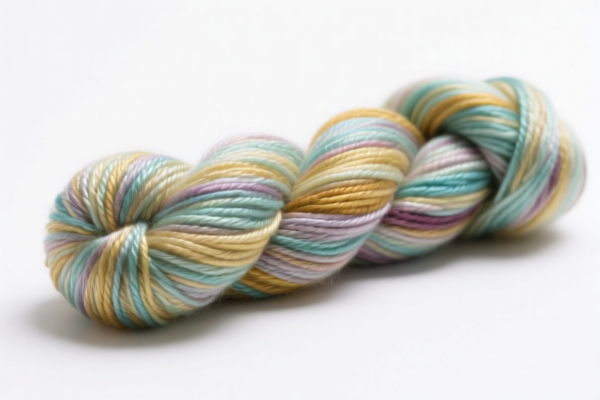
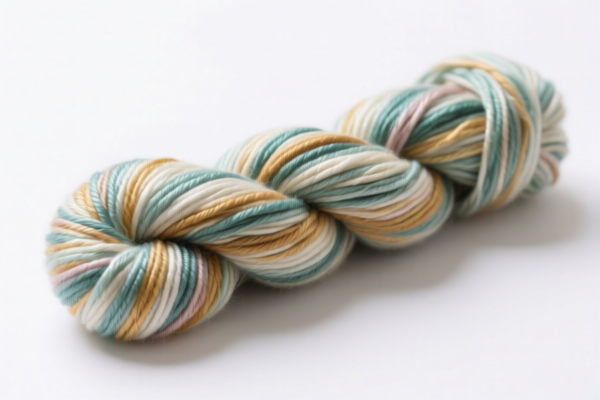
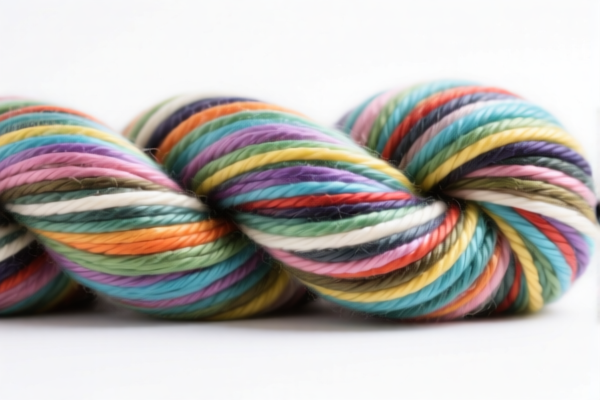
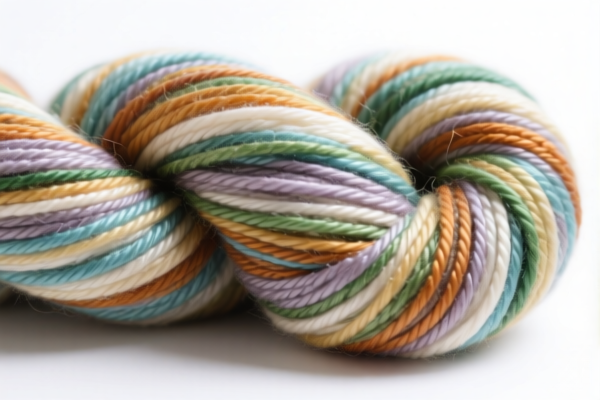
AI Analysis
🧵 Modified Acrylic Blended Yarn: HS Code Classification & Customs Clearance Guide
🌐 HS Code Reference & Customs Clearance Strategy | 2026 Latest Tariff Analysis | Professional Compliance Guide
📌 I. Product Definition & Classification: Understanding "Modified Acrylic Blended Yarn"
"Modified Acrylic Blended Yarn" refers to synthetic textile yarns where acrylic fibers or modified acrylic fibers are blended with other materials. In international trade, the classification depends heavily on: 1. Fiber Type: Whether the fiber is standard acrylic, modified acrylic, or a synthetic filament vs. staple fiber. 2. Form: Whether it is a monofilament, multi-ply/twisted yarn, or staple fiber. 3. Blend Composition: The percentage of acrylic vs. other fibers (e.g., polyester, wool, cotton).
⚠️ Key Distinction Point:
- If the yarn is made from synthetic staple fibers (short fibers) and is blended → Falls under Heading 5509.
- If the yarn is made from synthetic filaments (long continuous fibers) → Falls under Heading 5402.
- "Modified Acrylic" often implies specific chemical treatments that may affect classification under 5509.62 (Modified Acrylic Staple) vs. 5509.69 (Other Acrylic Staple).
📦 II. HS Code Classification Matrix (Based on Provided Data)
The following HS Codes are derived directly from the provided dataset for Modified Acrylic Blended Yarn:
| HS Code | Product Description Summary | Key Characteristics | Total Tax Rate |
|---|---|---|---|
| 5509.69.40.00 | Modified Acrylic Blended Multi-ply Yarn | Material: Acrylic/Modified Acrylic; Form: Multi-ply; Composition: Blended | 45.0% |
| 5402.39.61.90 | Modified Acrylic Blended Multi-ply Yarn | Material: Other synthetic filament (non-Polyethylene); Form: Multi-ply | 43.0% |
| 5402.69.01.00 | Modified Acrylic Blended Multi-ply Yarn | Material: Acrylic Synthetic Fiber; Form: Multi-ply/Twisted Filament | 42.5% |
| 5509.32.00.00 | Modified Acrylic Blended Multi-ply Yarn | Material: Modified Acrylic Fiber; Form: Multi-ply; Synthetic Staple Fiber | 45.0% |
| 5509.62.00.00 | Modified Acrylic Staple Fiber Blend | Material: Modified Acrylic; Form: Staple/Yarn | 47.0% |
🔍 Critical Note:
- Codes starting with 5402 refer to Synthetic Filament Yarns (long fibers).
- Codes starting with 5509 refer to Synthetic Staple Fiber Yarns (short fibers spun into yarn).
- 5509.62.00.00 has the highest tax rate (47%) among the options, specifically targeting modified acrylic staple blends.
💰 III. 2026 Tariff Rate Breakdown (Including Additional Duties)
✅ Applicable Country: USA (US)
✅ Origin: China (CN) (Implied by "122 Section" and "Section 301" references in data)
✅ Effective Time: Current tariffs apply as per 2025/2026 data.
🎯 1. 5509.69.40.00 – Modified Acrylic Blended Multi-ply Yarn (Acrylic/Modified)
| Item | Details |
|---|---|
| Base Tariff | 10.0% |
| Section 301 Additional Duty | 25.0% |
| Section 122 Duty | 10.0% |
| Total Tariff | 45.0% |
| Calculation | CIF Value × 45% |
| De Minimis Exemption | ❌ Not Applicable |
📌 Explanation:
- This code applies to multi-ply yarns made of acrylic or modified acrylic fibers in staple form (spun).
- The 10% Section 122 duty is a specific additional tariff often applied to certain textile imports from China.
- Total 45% is high. Ensure documentation clearly states "Acrylic/Modified Acrylic Blend" to avoid misclassification.
🎯 2. 5402.39.61.90 – Modified Acrylic Blended Multi-ply Yarn (Synthetic Filament)
| Item | Details |
|---|---|
| Base Tariff | 8.0% |
| Section 301 Additional Duty | 25.0% |
| Section 122 Duty | 10.0% |
| Total Tariff | 43.0% |
| Calculation | CIF Value × 43% |
| De Minimis Exemption | ❌ Not Applicable |
📌 Explanation:
- This code is for synthetic filament yarns (continuous fiber) that are not Polyethylene.
- If your "modified acrylic" is actually a filament (like fishing line or industrial thread), this code may apply.
- Slightly lower than 5509.69.40.00 due to lower base tariff (8% vs 10%).
🎯 3. 5402.69.01.00 – Modified Acrylic Blended Multi-ply Yarn (Acrylic Filament)
| Item | Details |
|---|---|
| Base Tariff | 7.5% |
| Section 301 Additional Duty | 25.0% |
| Section 122 Duty | 10.0% |
| Total Tariff | 42.5% |
| Calculation | CIF Value × 42.5% |
| De Minimis Exemption | ❌ Not Applicable |
📌 Explanation:
- Specifically for Acrylic Synthetic Fiber Filaments in multi-ply or twisted form.
- Lowest base tariff (7.5%) among the options.
- Crucial: Must be filament (long fiber), not staple (short fiber). Misclassification here can lead to significant penalties.
🎯 4. 5509.32.00.00 – Modified Acrylic Blended Multi-ply Yarn (Modified Acrylic Staple)
| Item | Details |
|---|---|
| Base Tariff | 10.0% |
| Section 301 Additional Duty | 25.0% |
| Section 122 Duty | 10.0% |
| Total Tariff | 45.0% |
| Calculation | CIF Value × 45% |
| De Minimis Exemption | ❌ Not Applicable |
📌 Explanation:
- For Modified Acrylic Fiber in staple form (spun yarn).
- Similar tariff to 5509.69.40.00, but specific to Modified Acrylic as the primary material.
- Ensure the product is certified as "Modified Acrylic" (e.g., heat-set, high-modulus) to justify this code.
🎯 5. 5509.62.00.00 – Modified Acrylic Short Fiber Blend
| Item | Details |
|---|---|
| Base Tariff | 12.0% |
| Section 301 Additional Duty | 25.0% |
| Section 122 Duty | 10.0% |
| Total Tariff | 47.0% |
| Calculation | CIF Value × 47% |
| De Minimis Exemption | ❌ Not Applicable |
📌 Explanation:
- Highest tax rate (47%).
- Applies to Modified Acrylic Short Staple Fibers blended with other materials.
- Avoid if possible unless the product strictly fits this description. Consider if it can be classified under 5509.69 or 5402 codes for lower rates.
🛠️ IV. Customs Clearance Practical Advice (Pitfall Avoidance Guide)
✅ 1. Required Documentation Checklist
| Document | Mandatory | Notes |
|---|---|---|
| Product Specification Sheet | ✔️ | Must detail: Fiber type (Acrylic/Modified), Form (Filament/Staple), Ply count, Blend composition (%) |
| HS Code Justification Letter | ✔️ | Explain why a specific HS code was chosen (e.g., "This is a filament, not staple") |
| Commercial Invoice | ✔️ | Clearly state "Modified Acrylic Blended Yarn" and HS Code |
| Packing List | ✔️ | Include net/gross weight, number of spools/bobbins |
| Certificate of Origin | ✔️ | Required for Section 301/122 duty assessment |
| Third-Party Lab Report | ✔️ | Confirm fiber composition (e.g., ASTM D276) if disputed by customs |
✅ 2. Classification Strategy & Key Takeaways
🔥 "Know Your Fiber: Staple vs. Filament is the Key!"
| Scenario | Recommended HS Code | Total Tax | Reason |
|---|---|---|---|
| Filament Yarn (Continuous long fiber) | 5402.69.01.00 |
42.5% | Lowest total tax for acrylic filaments |
| Filament Yarn (Non-Polyethylene synthetic) | 5402.39.61.90 |
43.0% | Good alternative for non-acrylic blends |
| Staple Yarn (Short fiber, Acrylic/Mod. Acrylic) | 5509.69.40.00 |
45.0% | Standard for acrylic blends |
| Staple Yarn (Specifically Modified Acrylic) | 5509.32.00.00 |
45.0% | For high-quality modified acrylic |
| Staple Yarn (Modified Acrylic Blend) | 5509.62.00.00 |
47.0% | Highest tax. Avoid if possible. |
📌 Warning:
- Misclassification Risk: If you classify a staple yarn as filament (5402) to save 2-4%, Customs may audit and impose penalties + back taxes.
- Material Definition: Ensure "Modified Acrylic" is properly documented. If it's just regular acrylic, use5509.69or5509.32appropriately.
- Section 122: Always verify if Section 122 applies to your specific product type. It adds a flat 10% on top of the base and Section 301 duties.
✅ 3. Special Cases
| Scenario | Handling Advice |
|---|---|
| Blend with Wool/Cotton | Ensure the % of acrylic is declared. If >50%, it falls under Chapter 54/55. |
| OEM/Custom Yarn | Provide design specs to prove "Modified" status (e.g., specific dyeability, heat resistance). |
| Sample vs. Bulk | Both are subject to same duties. Do not ship samples as "gift" to avoid customs scrutiny. |
🌍 V. Global Market Comparison (2026 Latest)
| Market | Recommended HS Code | Tariff (China Origin) | Certification Required |
|---|---|---|---|
| 🇺🇸 USA | 5402.69.01.00 |
42.5% | None specific for yarn, but compliance with labeling laws |
| 🇨🇳 China | 5402.69.01.00 |
~5-10% | CCC (if applicable) |
| 🇪🇺 EU | 5402.69.01.00 |
~4.5-7% | REACH Compliance |
| 🇬🇧 UK | 5402.69.01.00 |
~4.5-7% | UKCA Marking |
📌 Conclusion:
- The USA has the highest effective tariff due to Section 301 (25%) + Section 122 (10%) + Base Tariff.
- Optimal Strategy: If your product allows, classify as Filament Yarn (5402) for 42.5-43% instead of Staple Yarn (5509) at 45-47%.
- Cost Savings: A 2.5% difference on a $100,000 shipment = $2,500 saved.
📌 VI. Common Mistakes & Pitfalls (Lessons Learned)
❌ Mistake 1: Classifying Staple Yarn as Filament Yarn to save tax.
👉 Consequence: Customs audit → Penalty + Back taxes + Delayed shipment.
❌ Mistake 2: Ignoring Section 122 Duty.
👉 Consequence: Underpaying by 10% → Surprise bill upon arrival.
❌ Mistake 3: Vague Description: "Acrylic Yarn".
👉 Consequence: Customs may default to highest taxable code (5509.62.00.00 at 47%).
✅ Correct: "Modified Acrylic Blended Multi-ply Yarn, 100% Acrylic, Filament Form, for Knitting"
❌ Mistake 4: Assuming "Modified" means lower tax.
👉 Consequence: "Modified Acrylic" may fall under a higher-specific code (5509.62 at 47%).
✅ Correct: Verify if "Modified" fits under 5509.69 (45%) or 5402 (42.5%) instead.
🎯 VII. Conclusion: Precise Classification Saves Money!
🎯 Remember:
🔹 "Filament is cheaper than Staple in this dataset!"
🔹 "Section 122 is the hidden 10% killer."
🔹 "Always declare 'Modified' status with proof."
📌 Pro Tip:
If your yarn is filament-based, insist on
5402.69.01.00(42.5%).
If it must be staple, choose5509.69.40.00(45%) over5509.62.00.00(47%).
Avoid5509.62.00.00unless absolutely necessary.
📣 Action Item:
📞 Contact your customs broker with fiber composition reports and form details (staple vs. filament).
🚀 Get a Pre-Ruling from CBP if unsure.
💼 Your bottom line depends on the first digit of your HS Code!
✨ Accurate Classification = Lower Costs + Faster Clearance!
💼 Don’t let tax mistakes eat your profit!
Customer Reviews
About HS Code Classification
The Harmonized System (HS) is an internationally standardized nomenclature developed by the World Customs Organization (WCO) to classify traded products. Over 200 countries use the HS system as the basis for customs tariffs, trade statistics, and import/export regulations.
Each HS code follows a hierarchical structure:
- Chapter (2 digits) — Broad category of goods (e.g., Chapter 84: Machinery and Mechanical Appliances)
- Heading (4 digits) — More specific grouping within the chapter
- Subheading (6 digits) — Internationally standardized breakdown, used by all WCO member countries
- National subdivisions (8-10 digits) — Country-specific extensions for further classification, such as US HTSUS 10-digit codes
Correct HS code classification is essential for smooth customs clearance, accurate duty payment, and compliance with trade regulations. Misclassification can lead to customs delays, overpayment of duties, or penalties.
When importing from CN to US, the applicable tariff rates may include:
- Most-Favored-Nation (MFN) rate — The standard duty rate applied to WTO members
- General rate — Applied to countries without trade agreements
- Trade remedy duties — Additional tariffs such as Section 301 (anti-dumping), Section 232 (national security), or countervailing duties
The information provided on this page is for reference purposes only. For official classification, please consult with your local customs authority or a licensed customs broker.