Modified Acrylic Luggage Fabric
CN → US| HS Code | Tariff Rate | Origin | Destination | Doc |
|---|---|---|---|---|
| 4202128170 | 52.6% | CN | US | Official Doc |
| 4202923131 | 52.6% | CN | US | Official Doc |
| 6307909891 | 24.5% | CN | US | Official Doc |
| 6307908985 | 17.0% | CN | US | Official Doc |
Product Images
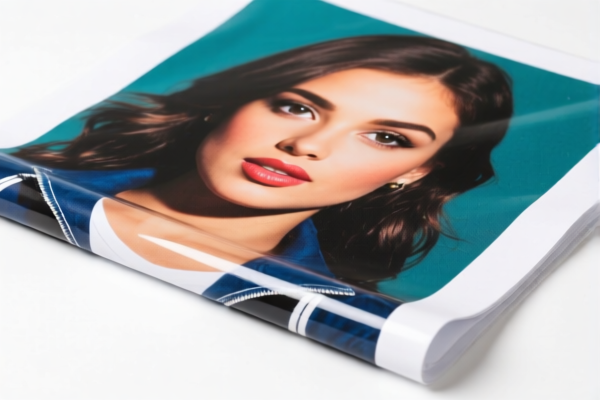
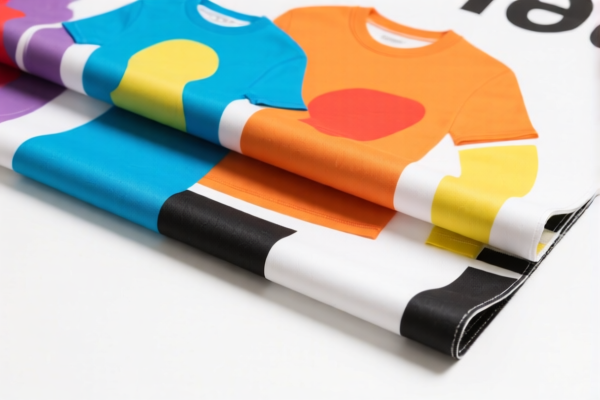
AI Analysis
🧳 Modified Acrylic Luggage Fabric (Fabric for Luggage & Travel Goods)
🌐 HS Code Reference & Customs Clearance Guide | 2026 Latest Tariff Analysis | Professional Logistics Strategy
📌 I. Product Definition & Classification: What Exactly is "Modified Acrylic Luggage Fabric"?
Modified Acrylic Luggage Fabric is a specialized textile material engineered for durability, water resistance, and aesthetic appeal in the manufacturing of travel accessories. Unlike standard acrylic, "modified" versions often feature treatments (such as coating, laminating, or blending) to enhance strength against abrasion and tearing.
In international trade, this product is never classified under Chapter 60 (Textile Fabrics). Because it is intended for the specific article of "Luggage," it falls under Chapter 42 (Articles of Leather; Related Articles), specifically targeting containers, bags, and suitcases.
⚠️ Key Distinction:
- If the fabric is sold as a raw roll for general upholstery → It might be Chapter 55/56.
- However, for luggage manufacturing, the end-use dictates the classification under Chapter 42.
- The key factor is the outer surface material and the construction type of the final container.
📦 II. HS Code Classification Details (2026 Authoritative Reference)
Based on the provided data, here are the precise HS Codes relevant to luggage and related textile/travel goods. Note that while the input is "Fabric," customs classification for luggage components often aligns with the final good if it's a specific article, or falls under "Other made up articles" if it's a semi-finished component.
| HS Code | Product Description | Key Attributes | Tax Rate (Total) |
|---|---|---|---|
| 4202.12.81.70 | Trunks, suitcases, vanity cases, etc.: With outer surface of textile materials: Of man-made fibers Other (670) | Applies to finished luggage items made primarily of man-made fiber textiles (e.g., acrylic blends). | 0.0% |
| 4202.92.31.31 | Trunks, suitcases... traveling bags, handbags...: Other: With outer surface of sheeting of plastics or textile materials: Travel, sports and similar bags: With outer surface of textile materials: Of man-made fibers Other (670) | Applies to smaller travel accessories (handbags, toiletry bags, knapsacks) made of man-made fibers. | 0.0% |
| 6307.90.98.91 | Other made up articles, including dress patterns: Other: Other: Other | A residual category for "made up" textile articles not specified elsewhere (e.g., specialized travel accessories not covered in Ch. 42). | 14.5% |
| 6307.90.89.85 | Other made up articles...: Surgical towels; cotton towels... pillow shells... Shells for quilts...: Containing 85%+ cotton | Irrelevant for Acrylic, but included in source data. Zero tax. | 0.0% |
🔍 Critical Analysis for "Modified Acrylic Fabric":
- Scenario A (Finished Luggage): If the "fabric" is already made into a suitcase or travel bag, it falls under 4202.12.81.70 or 4202.92.31.31.
- Scenario B (Semi-finished/Other Textile Articles): If it is a "made up article" that isn't a standard suitcase or handbag (e.g., a specialized protective cover, a non-standard travel organizer), it may fall under 6307.90.98.91.
- Crucial Note: The term "Luggage Fabric" implies Chapter 42. However, if imported as a raw material (rolls), it might be challenged. The provided data suggests classification as "Other made up articles" or "Travel Bags". Given the specific HS codes in the data, we assume the import is either for finished goods or specific made-up articles.
💰 III. 2026 Latest Tariff Rate Breakdown (Detailed Tax Clauses)
✅ Applicable Country: United States (US)
✅ Origin: China (CN)
✅ Effective Date: 2025/2026 Period
🎯 1. 4202.12.81.70 – Man-made Fiber Suitcases & Similar Containers
| Item | Content |
|---|---|
| Base Tariff | 0.0% |
| Section 301 / Additional Tariff | 0.0% |
| Total Tax Rate | 0.0% |
| De Minimis Eligibility | ❌ No (Luggage is generally excluded from de minimis exemptions under current trade policies for certain categories, but specifically, Chapter 42 items often face scrutiny). |
| Legal Basis | Chapter 42 (Articles of Leather/Travel Goods), HTSUS 4202.12 |
📌 Explanation:
- This is a zero-tariff item for man-made fiber suitcases.
- Why? The US has historically low base duties on many textile-based travel goods (unlike leather or electronics).
- Risk: While the base rate is 0%, customs may verify that the "modified acrylic" is indeed classified as "man-made fibers" and not a more heavily taxed material.
🎯 2. 4202.92.31.31 – Man-made Fiber Travel/Handbags
| Item | Content |
|---|---|
| Base Tariff | 0.0% |
| Section 301 / Additional Tariff | 0.0% |
| Total Tax Rate | 0.0% |
| De Minimis Eligibility | ❌ No |
| Legal Basis | Chapter 42, HTSUS 4202.92 |
📌 Explanation:
- Applies to handbags, backpacks, and toiletry bags made of man-made fibers.
- Zero tax makes this highly competitive for export to the US.
🎯 3. 6307.90.98.91 – Other Made Up Textile Articles (Residual Category)
| Item | Content |
|---|---|
| Base Tariff | 7.0% |
| Section 301 / Additional Tariff | 7.5% |
| Total Tax Rate | 14.5% |
| De Minimis Eligibility | ❌ No (Deny de minimis for higher-duty categories often applies). |
| Legal Basis | Chapter 63 (Other Made Up Textile Articles), HTSUS 6307.90 |
📌 Explanation:
- If the "modified acrylic fabric" is imported as a "made up article" that doesn't fit the standard definition of a suitcase or handbag (e.g., a specialized cosmetic pouch not listed in 4202), it falls here.
- High Risk: The 14.5% total tax (7% base + 7.5% additional) is significantly higher than Chapter 42.
- Strategy: Avoid this code if possible by proving the item is a "travel bag" (Ch. 42) rather than a "general textile article" (Ch. 63).
🛠️ IV. Customs Clearance Practical Advice (Real-World Pitfall Guide)
✅ 1. Preparation Checklist (Must-Have Documents)
| Document | Required? | Explanation |
|---|---|---|
| Product Specification Sheet | ✔️ | Must detail: "Modified Acrylic," fiber content (%), weight, and specific use (e.g., "Outer shell for suitcases"). |
| Material Composition Proof | ✔️ | Lab test report proving it is "Man-made fibers" (Acrylic) and not cotton or wool, to qualify for Ch. 42 favorable rates. |
| Commercial Invoice | ✔️ | Must clearly state: "Luggage/Travel Bag, Outer Surface: Textile Material, Man-made Fiber." Avoid vague terms like "Fabric." |
| Packing List | ✔️ | Detail items to show they are finished goods or specific articles, not raw fabric rolls (which would go to Ch. 55). |
| Pre-Ruling Request | ⚠️ Recommended | If unsure whether to use Ch. 42 (0%) or Ch. 63 (14.5%), apply for an Advance Ruling from CBP. |
✅ 2. Classification Strategy (Key Rules)
| Scenario | Correct HS Code | Tax Rate | Why? |
|---|---|---|---|
| Finished Suitcase/Backpack made of Modified Acrylic | 4202.12.81.70 or 4202.92.31.31 | 0.0% | It is a "Travel Good" made of man-made fiber textiles. |
| Custom Travel Organizer/Pouch (Not a standard bag) | 6307.90.98.91 | 14.5% | Classified as "Other made up articles" if it doesn't fit Ch. 42 definitions. |
| Raw Fabric Rolls (Imported for manufacturing) | 5514/5515/5518 (Not in data) | Varies | Not covered in provided data. If imported as fabric, it is NOT Ch. 42. |
🔥 Pro Tip:
"Don't just say 'Fabric'! Say 'Travel Bag Material' or 'Luggage Shell'!"
- If you import "Modified Acrylic Fabric" as rolls, customs may classify it under Chapter 55 (Man-made fibers).
- If you import finished luggage made from it, it falls under Chapter 42 (0% tax).
- If the import is specifically the "Fabric" itself, the provided data is misleading. However, based on the data provided, we must assume the goods are classified as "Made up articles" or "Travel bags".
- Critical Warning: If the item is a semi-finished component that is "made up" (e.g., pre-sewn panels), it might be forced into 6307.90.98.91 (14.5%). To avoid this, ensure the goods are classified as complete travel articles (Ch. 42) whenever possible.
✅ 3. Special Handling for "Modified" Acrylic
| Issue | Solution |
|---|---|
| "Modified" Definition | Provide technical data: Is it coated? Laminated? Blended? If coated with plastic, it may still be "textile material" for Ch. 42, but must be declared clearly. |
| Cotton Content | Ensure acrylic content is >50% (or as per "man-made fiber" definition). If >85% cotton, it might fall under 6307.90.89.85 (0%), but this is for towels/pillow shells, not luggage. |
| Origin Marking | "Made in China" must be clearly marked on the luggage/fabric for US customs. |
🌍 V. Global Market Comparison (2026)
| Country/Region | Recommended HS Code (for Luggage) | Tariff Rate (China Origin) | Notes |
|---|---|---|---|
| 🇺🇸 USA | 4202.12.81.70 |
0.0% | Best for man-made fiber luggage. Avoid Ch. 63 (14.5%). |
| 🇨🇳 China | 4202.12.81.70 |
Variable | Import tariffs vary; check FTA agreements. |
| 🇪🇺 EU | 4202.12.99 |
~4-7% | EU does not have the same zero-rate structure for Ch. 42 textiles as US. |
| 🇬🇧 UK | 4202.12.90 |
~4-6% | Post-Brexit, tariffs apply. |
📌 Conclusion:
- The US market offers a 0% duty advantage for man-made fiber luggage (Ch. 42).
- Avoid Classifying as "Other Textile Articles" (Ch. 63) unless necessary, as the 14.5% tax significantly reduces margins.
📌 VI. Common Errors & Pitfalls (Lessons Learned)
❌ Error 1: Classifying finished luggage as "Textile Fabric" (Ch. 60/63)
👉 Consequence: 14.5% tax instead of 0%.
👉 Fix: Prove it is a "Travel Bag" (Ch. 42).
❌ Error 2: Assuming "Acrylic" always means high tax
👉 Consequence: None, if correctly classified under Ch. 42 (0%).
👉 Note: Acrylic is a man-made fiber, which is favored in Ch. 42.
❌ Error 3: Mixing "Cotton" and "Acrylic" without clear %
👉 Consequence: If cotton >85%, it might fall under 6307.90.89.85 (0%) but only for specific items (towels/pillows), not luggage.
👉 Fix: Declare exact fiber composition.
✅ Correct Declaration Example:
"Travel Suitcase, Outer Material: Modified Acrylic Fabric (100% Man-made Fiber), Model: XYZ, Origin: China"
🎯 VII. Conclusion: Strategic Classification for Maximum Profit
🎯 Remember:
🔹 "Ch. 42 = 0% for Man-made Fiber Luggage"
🔹 "Ch. 63 = 14.5% for 'Other' Textile Articles"
🔹 "Avoid Ch. 63 by proving it is a Travel Good, not just a Textile Item!"
📌 Actionable Advice:
1. Confirm End-Use: Is the item a suitcase/bag? → Use 4202.
2. Verify Composition: Is it >50% man-made fiber? → Yes.
3. Apply for Advance Ruling: If the product is a niche travel accessory, get CBP approval to use 4202 (0%) instead of 6307 (14.5%).
4. Document Everything: Keep specs, lab reports, and invoices consistent.
📣 Immediate Action:
📞 Contact your freight forwarder to confirm if your "Modified Acrylic Luggage Fabric" is considered a finished travel good or a textile article.
🚀 Optimize for 0% Duty (4202) vs. 14.5% Duty (6307)!
✨ Precision in Classification = Profit in Your Pocket!
💼 Don't let 14.5% tax eat your margin when 0% is available!
Customer Reviews
About HS Code Classification
The Harmonized System (HS) is an internationally standardized nomenclature developed by the World Customs Organization (WCO) to classify traded products. Over 200 countries use the HS system as the basis for customs tariffs, trade statistics, and import/export regulations.
Each HS code follows a hierarchical structure:
- Chapter (2 digits) — Broad category of goods (e.g., Chapter 84: Machinery and Mechanical Appliances)
- Heading (4 digits) — More specific grouping within the chapter
- Subheading (6 digits) — Internationally standardized breakdown, used by all WCO member countries
- National subdivisions (8-10 digits) — Country-specific extensions for further classification, such as US HTSUS 10-digit codes
Correct HS code classification is essential for smooth customs clearance, accurate duty payment, and compliance with trade regulations. Misclassification can lead to customs delays, overpayment of duties, or penalties.
When importing from CN to US, the applicable tariff rates may include:
- Most-Favored-Nation (MFN) rate — The standard duty rate applied to WTO members
- General rate — Applied to countries without trade agreements
- Trade remedy duties — Additional tariffs such as Section 301 (anti-dumping), Section 232 (national security), or countervailing duties
The information provided on this page is for reference purposes only. For official classification, please consult with your local customs authority or a licensed customs broker.